Harold and Maude
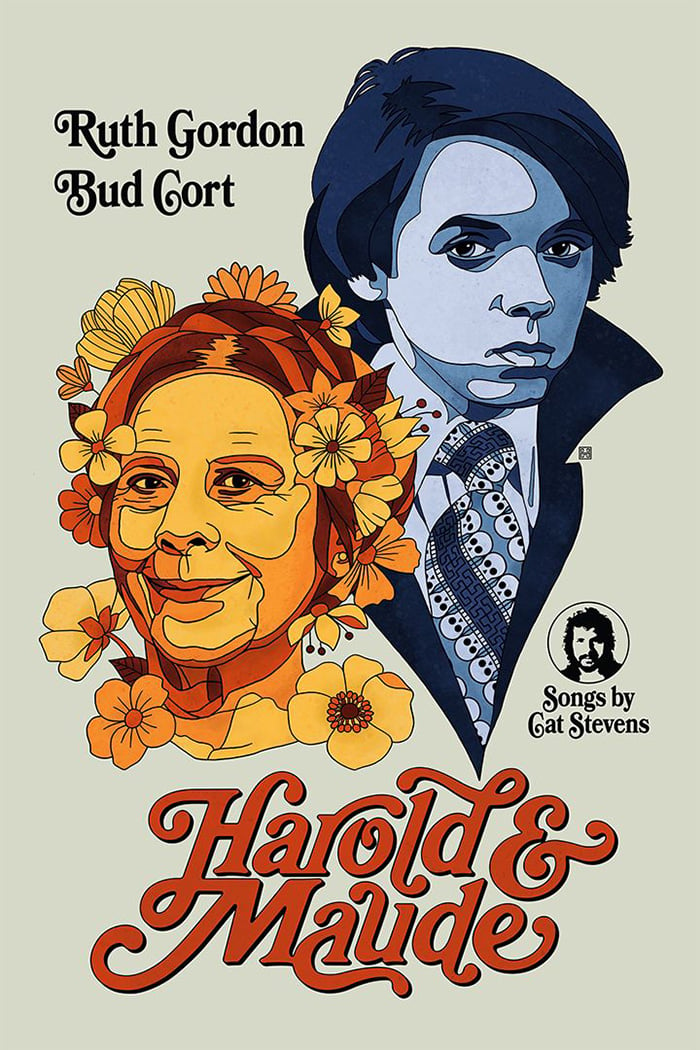
Pleasure can be a form of dissidence, as shown by this cycle, opening up this new year with a playful and impertinent philosophical tone. The modern heirs of Diogenes, the tramp Boudu and the punks of Not Dead dynamite the bourgeois order or the consumer society. Very Happy Alexander and The Big Lebowski make a few enemies by establishing the pleasures of laziness as an art of living. Children rebel against their school's authority figures in the libertarian Zero for Conduct, while Ferris Bueller prefers to play hooky to discover the world in a different way. In Hal Ashby's Harold and Maude, life becomes a marvelous game of defying convention and death, while Mr. Chance in Being There becomes a political oracle by simply explaining how to cultivate his garden. The final word goes to the decadent intellectuals of The Decline of the American Empire and their dizzying introspection on the exhausting quest for happiness.
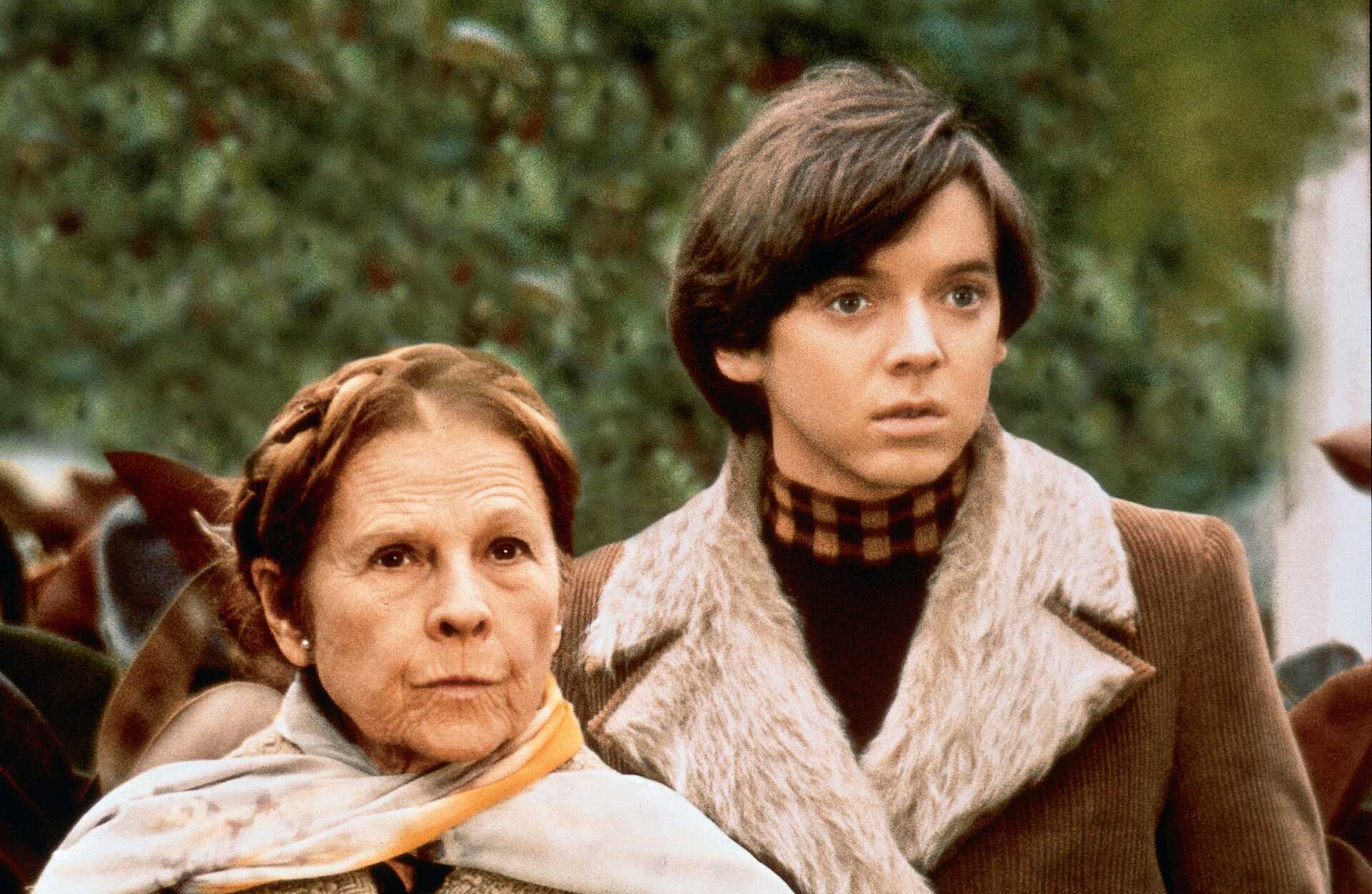
A rich young man, a little lost between his controlling mother and his psychoanalyst, meets an old lady in a cemetery and falls in love.
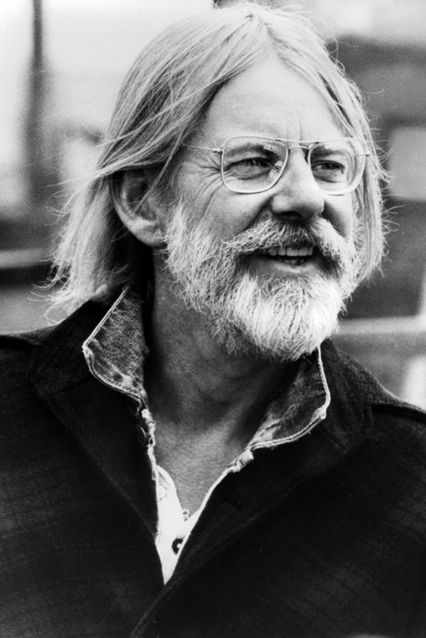
Hal Ashby
Hal Ashby was an American director, editor, actor, and producer. His work exemplified the countercultural attitude of the era. He is associated with the New Hollywood wave of filmmaking with filmmakers such as Martin Scorsese, Mike Nichols, and Sidney Lumet. Before his career as a director Ashby edited films for Norman Jewison, notably The Russians Are Coming, the Russians Are Coming (1966), which earned Ashby an Oscar nomination for Best Editing, and In the Heat of the Night (1967), which earned him his only Oscar for the same category. He received a third Oscar nomination, this time for Best Director for Coming Home (1978). Other films directed by Ashby include Harold and Maude (1971), The Last Detail (1973), Shampoo (1975), and Being There (1979). Many of his films are regarded as cornerstones of 1970s American cinema.