Jaffa-Gate + Where Is Memory
In its latest issue, the film magazine 24 images dedicates a special feature to the theme of our symposium, Film Archives Beget Films, to be held on April 28-29. In conjunction with this editorial coverage, and just ahead of the symposium, we are presenting a program entirely focused on this theme; the re-use of archival film footage in films. While not aiming to be exhaustive, the program highlights the diversity of practices from an aesthetic and historical perspective.
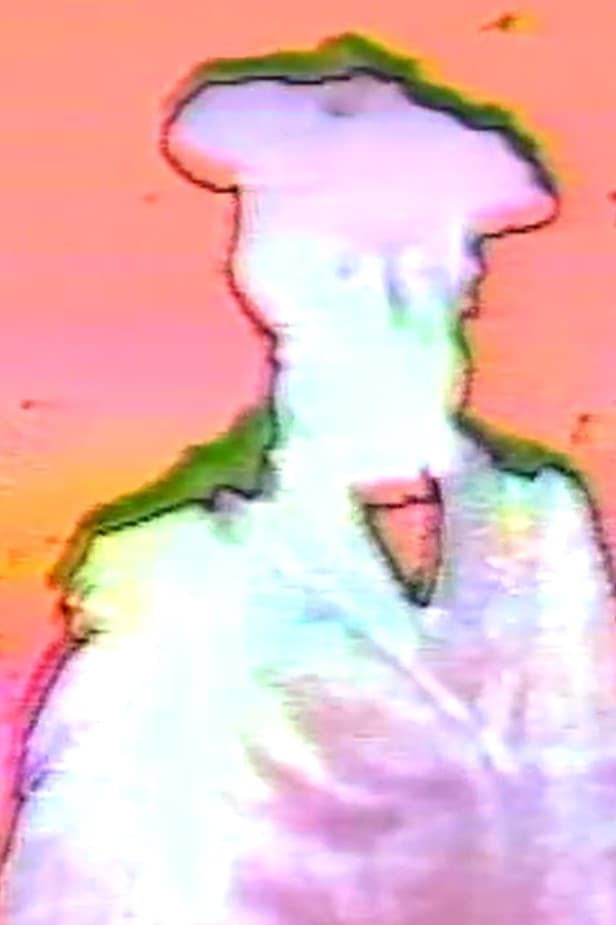
Found footage of Jerusalem in the 1920s, altered and slowed down using an optical printer.
Preserved in our collections
A man named Sleepwalker finds a suitcase containing Nazi archives. He decides to revisit and explore various dark aspects of Nazi Germany through archival footage. An experimental fake documentary.
Chris Gallagher
Chris Gallagher lives in Vancouver. He attended the University of British Columbia and Simon Fraser University and taught film at the University of Regina during the 1980s, as well as for many years at the University of British Columbia. His work explores philosophical paradoxes and contradictions by applying structural strategies to events as a means to reformulate linear experience to propose aberrant understandings of familiar assumptions. His film Time Being, essentially 88 one-minute films on time, examines both our intimate and intuitive sense of time and our elusive understanding of it— a theme also present in many of his works, including Where Is Memory. Gallagher’s photography has been included in exhibitions, publications and collections and his picture of a floating cup was describes as a “major image” by the National Gallery of Canada.