Johnny Got His Gun
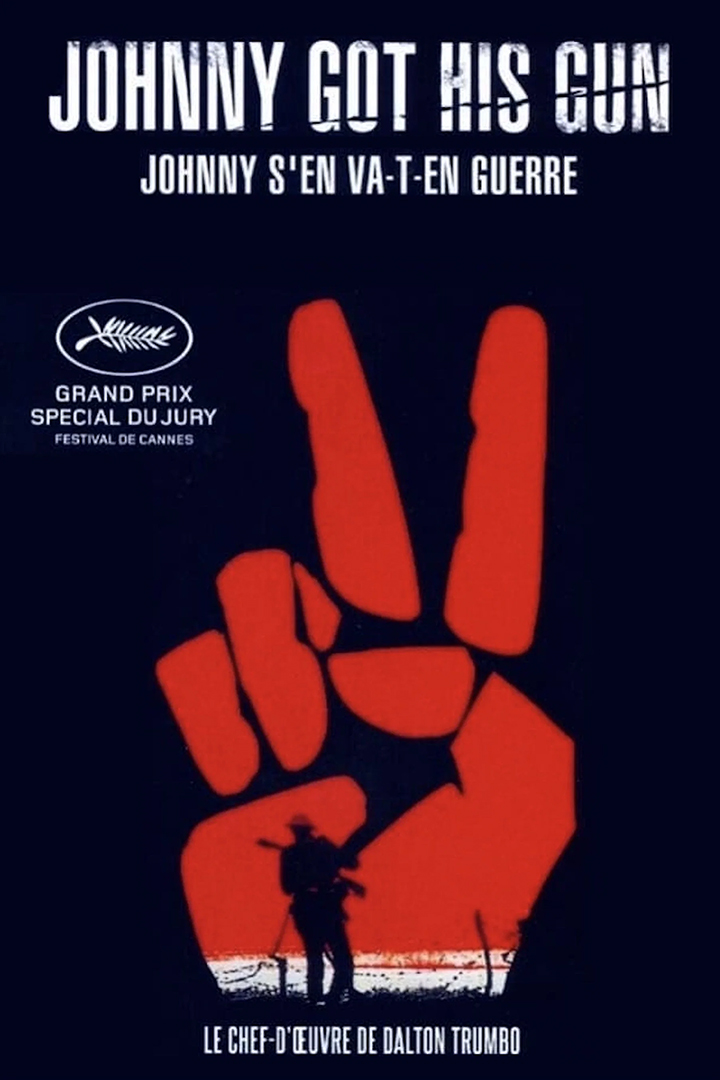
In collaboration with Terres en vues, this program serves as a reminder that cinema can be a vessel for peace and make it the subject of its narratives. At the same time, it commemorates the Great Peace of Montreal, signed by the French and 39 First Nations in Montreal in 1701.
Winner of the Grand prix spécial du jury and the FIPRESCI Prize, 1971 Cannes Film Festival
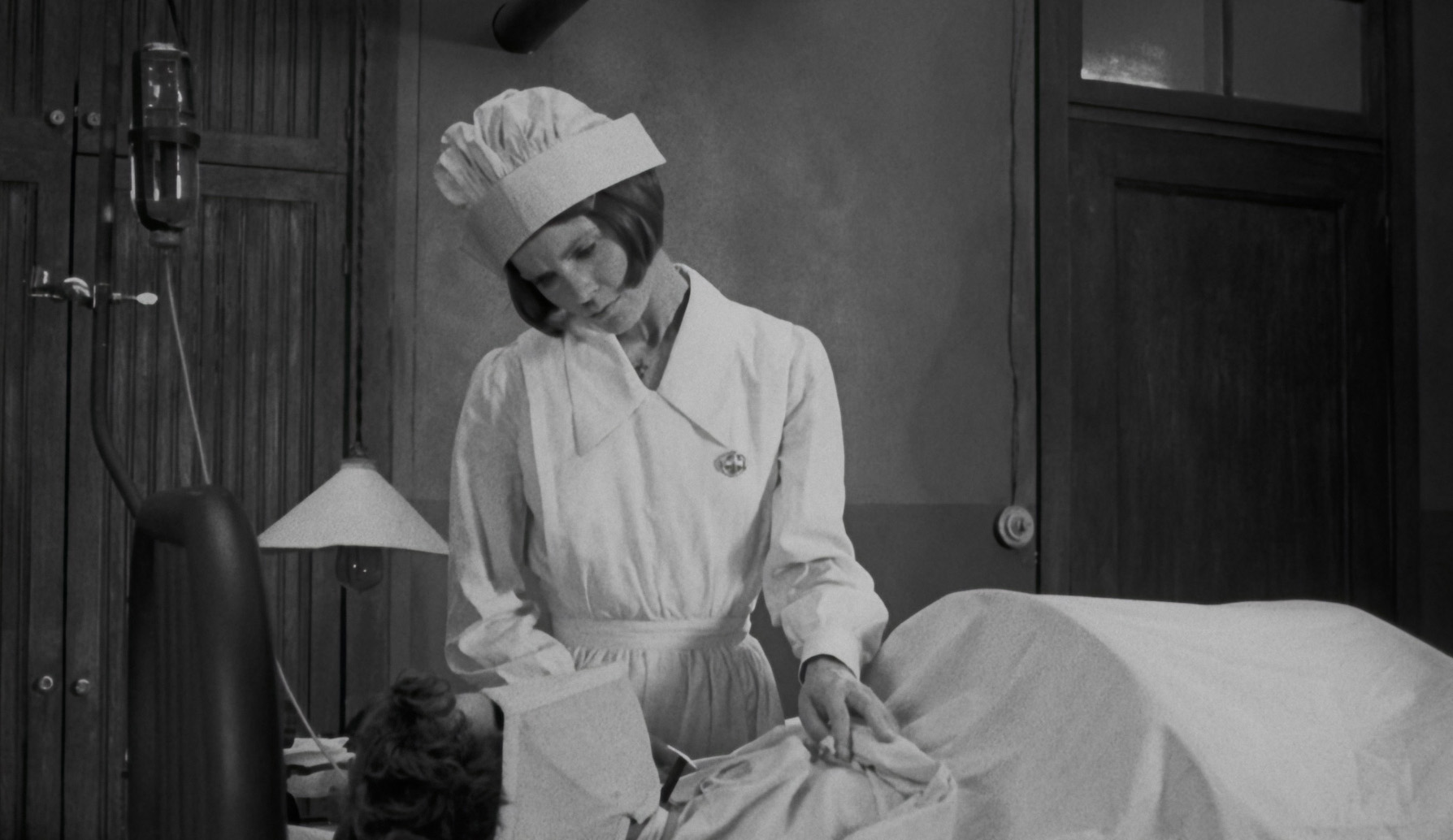
During World War I, a young American soldier is seriously wounded and finds himself in a hospital bed. He has lost both his arms and legs, can no longer see or hear, and is unable to eat normally. The doctors keep him hidden away from prying eyes.
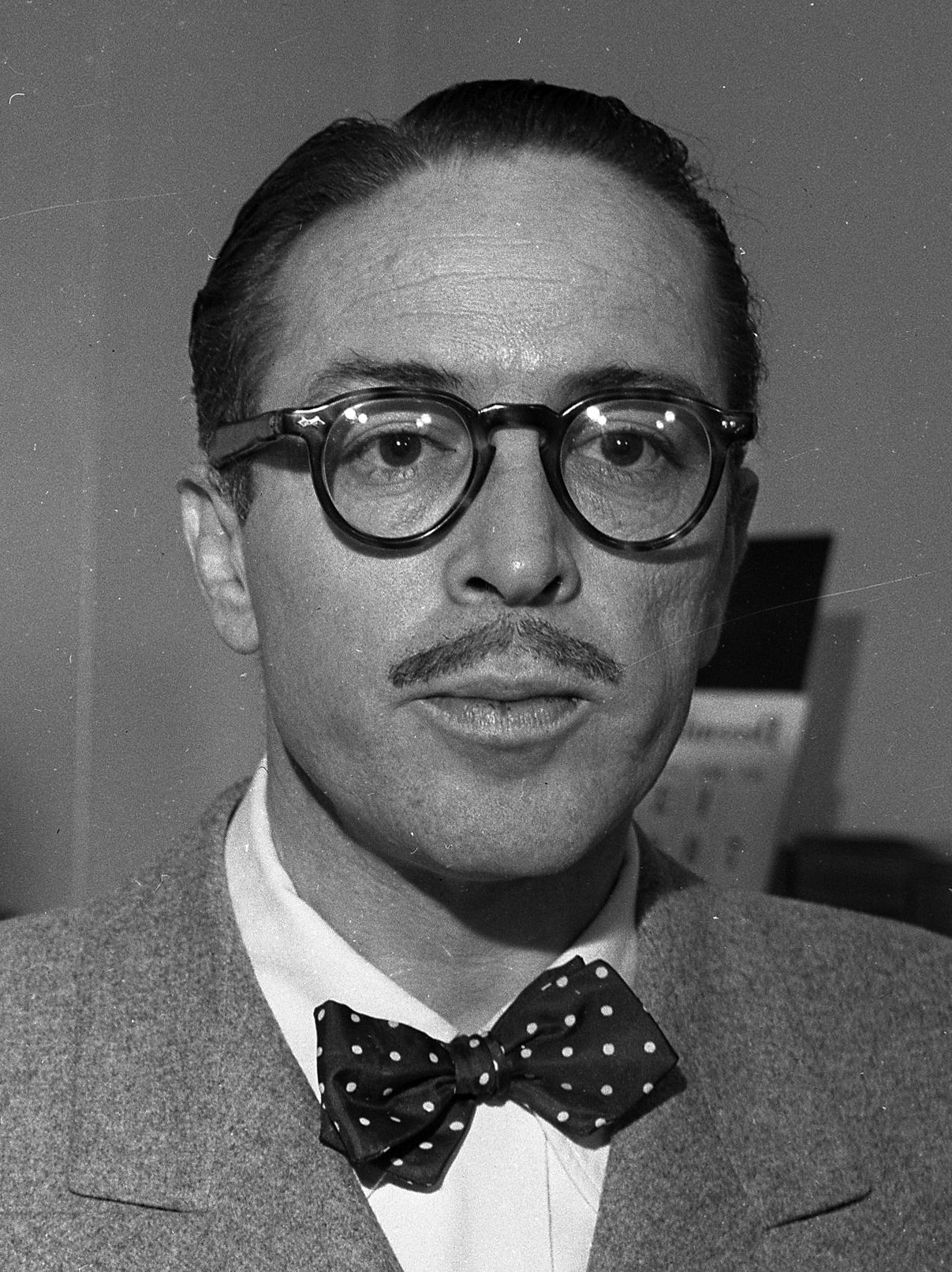
Dalton Trumbo
Dalton Trumbo was an American screenwriter who scripted many award-winning films, including Thirty Seconds Over Tokyo (1944), Roman Holiday (1953), Spartacus (1960), and Exodus (1960). One of the Hollywood Ten, he refused to testify before the House Un-American Activities Committee (HUAC) in 1947 during the committee's investigation of Communist influences in the motion picture industry. Trumbo, the other members of the Hollywood Ten, and hundreds of other professionals in the industry were blacklisted by Hollywood. He continued working clandestinely on major films, writing under pseudonyms or other authors' names. His uncredited work won two Academy Awards for Best Story: for Roman Holiday (1953), which was presented to a front writer, and for The Brave One (1956), which was awarded to a pseudonym used by Trumbo. When he was given public screen credit for both Exodus and Spartacus in 1960, it marked the beginning of the end of the Hollywood Blacklist for Trumbo and other affected screenwriters. He finally was given full credit by the Writers' Guild for Roman Holiday in 2011, nearly 60 years after the fact, and 35 years after his death. Trumbo also directed the 1971 film adaptation of his novel Johnny Got His Gun, his only directing credit.
Presented in collaboration with
.jpg)