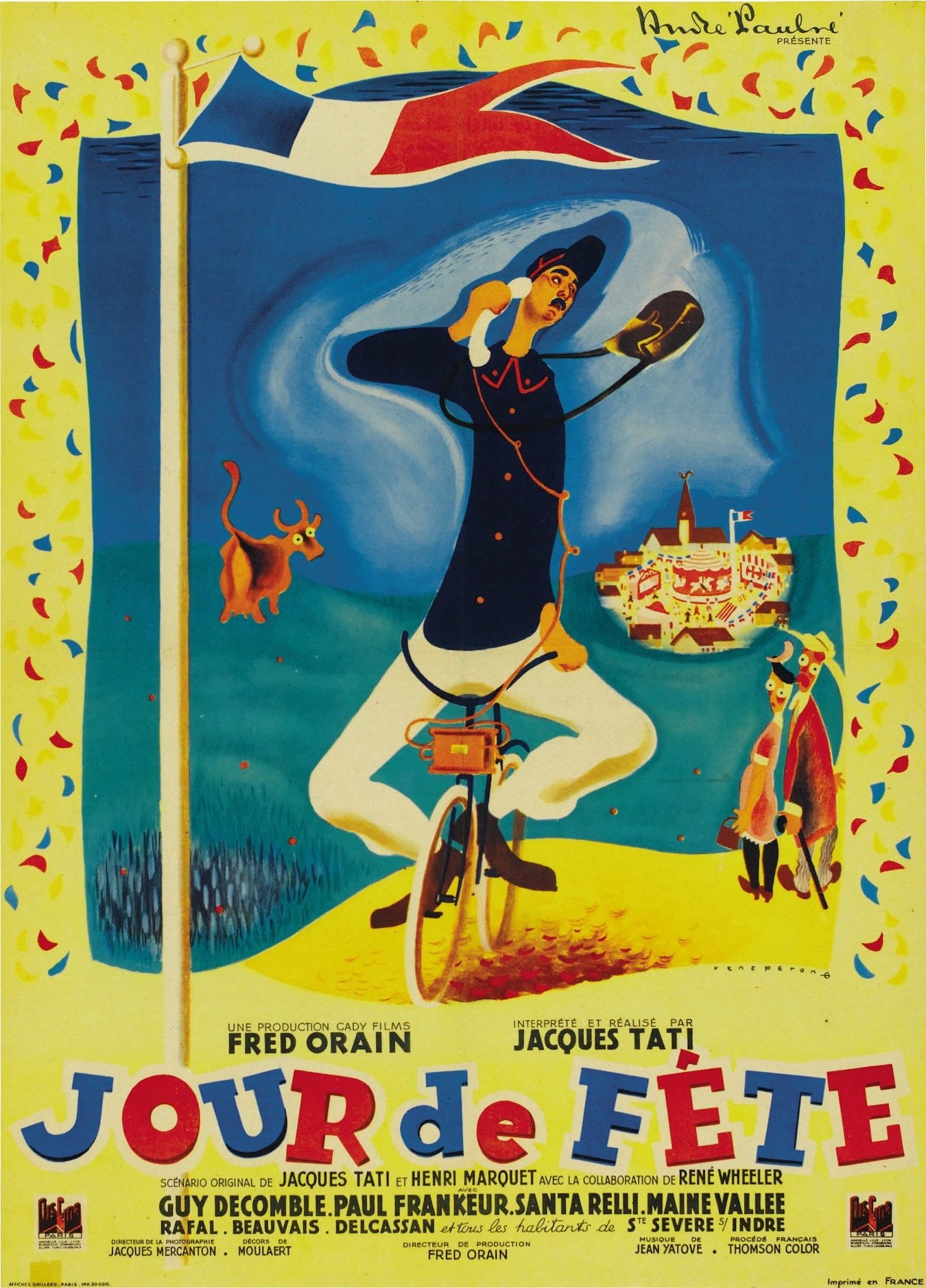
Jour de fête
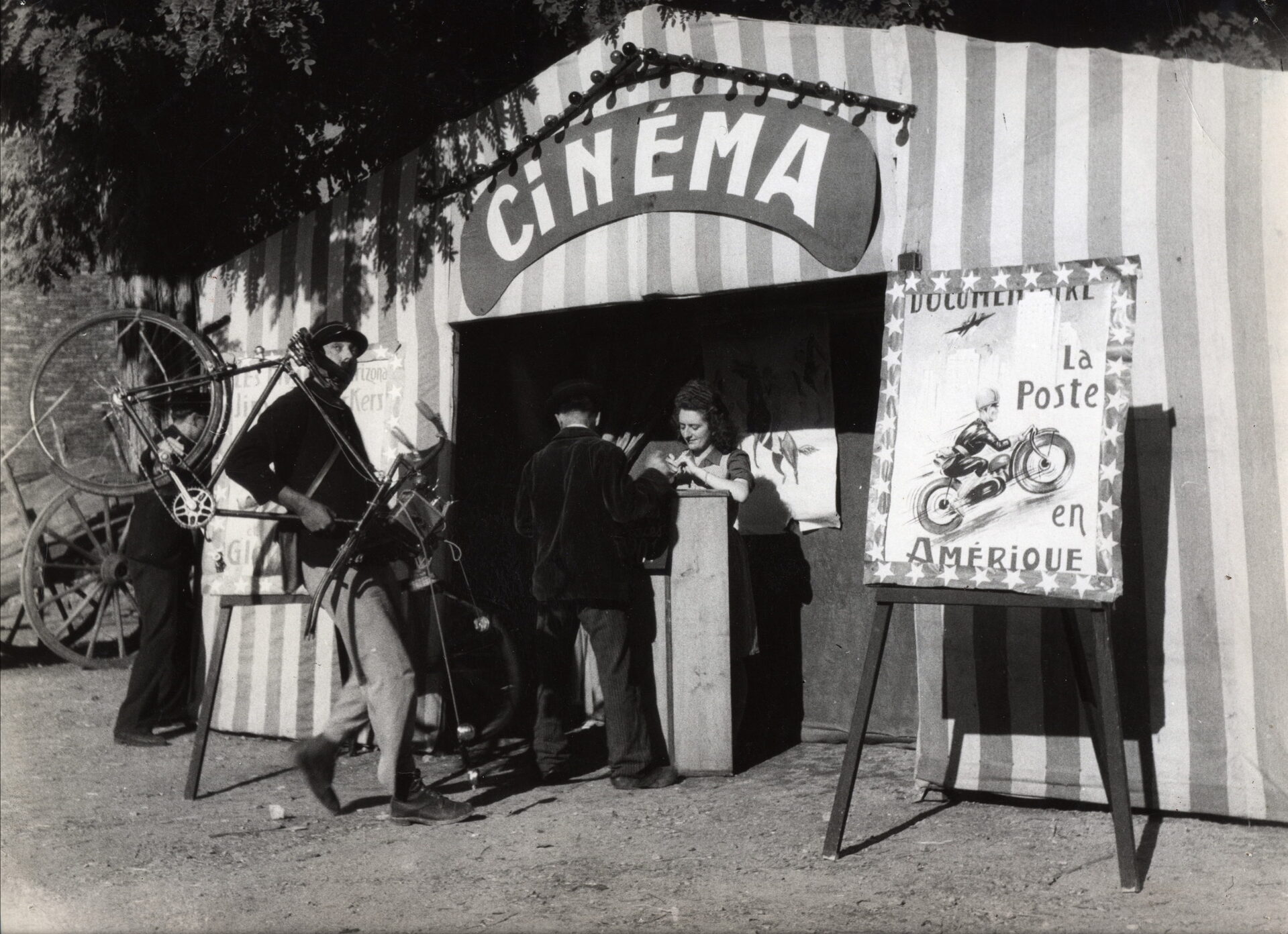
Jacques Tati is timeless: when revisiting his films, it’s impossible not to think he understood everything – about human comedy, consumer society, modernity gone awry, the scent of time passing... Yes, Tati is everywhere: a familiar silhouette in every frame, a metaphorical reflection of all misfits, a genius observer whose gags we constantly encounter in our daily experience of the world. It’s imperative we revisit Tati and laugh, especially on the big screen, as each scene is a grandiose composition, full of ingenious details and poetic touches.
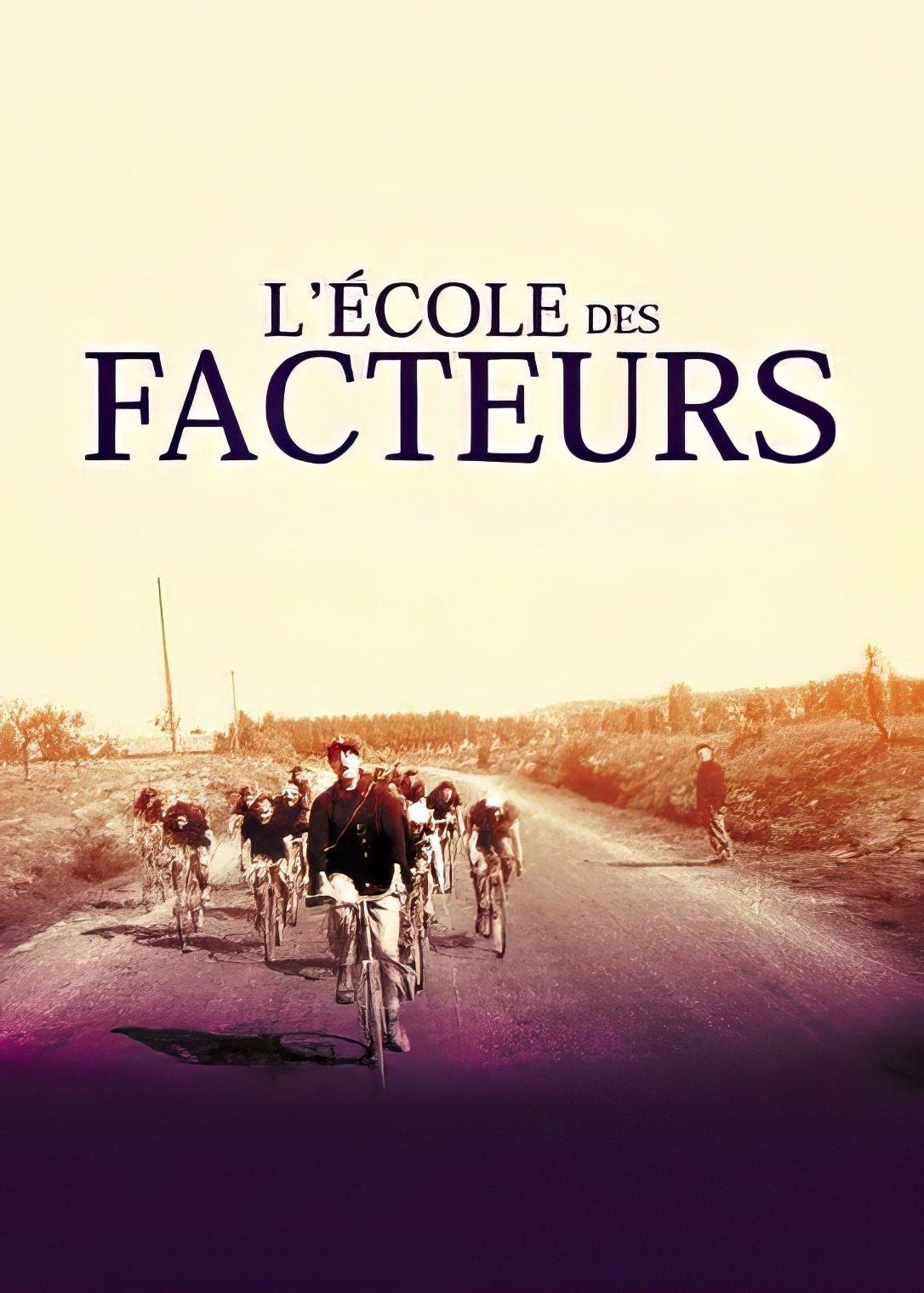
Preceded by short film School for Postmen
Jour de fête is presented in black and white
In a rural village, mailmen learn their trade: stamping envelopes, riding bicycles, perfecting every movement to gain speed. Mailman François competes with inventiveness and zeal to get the job done while having a little fun. Tati's debut, exploring his burlesque universe.
During the village fair, François the mailman discovers a film at the fairgrounds about modern methods used by American mailmen. Never mind, he too can work fast!
Jacques Tati
Jacques Tatischeff, known as Jacques Tati, was a French director, actor, and screenwriter. He began his career in show business as a performing artist and acted in films in the 1930s before serving in World War II. After the war, he resumed his acting career and in 1946, he co-founded the production company Cady-Films with Fred Orain, which produced his first three films as a filmmaker. Jour de fête (1949) was well received by the public and won the Grand prix du cinéma français in 1950. In Monsieur Hulot's Holiday (1953), he introduced his iconic character inspired by the architect of the building where he lived. The film received critical acclaim and numerous awards, including the Louis Delluc Prize. Following a disagreement with Orain, Tati founded his own company, Spectra Films, during the production of his next film. My Uncle (1958), his first color film, won the Special Jury Prize at the Cannes Film Festival and the Academy Award for Best Foreign Language Film in 1959. Monsieur Hulot appeared in two more films: Playtime (1967), now considered a true masterpiece, and Trafic (1971). In 1977, Tati received a César Award for his lifetime achievement in cinema.

_-_53Fi2337.jpg)