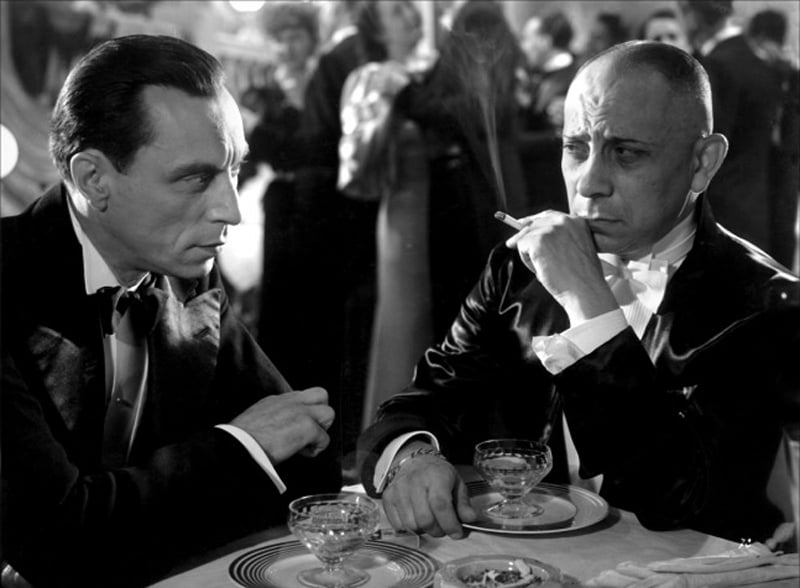
Among the pioneers in the history of cinema, Erich von Stroheim is undoubtedly one of those who strived the most to invent his own myth. This hero of another time, who seemed to carry the end of the Austro-Hungarian Empire on his shoulders, was a remarkable inventor of forms, creating from his very first silent films gems of narration, carried by a breathtaking art of editing. Although he often acted in the films he directed, it was Greed, his great work in which he did not act, that made him the first cursed filmmaker. No version of this film corresponds exactly to the film he had made, which was quickly butchered. With the advent of talking pictures, he became a simple actor (of genius) crossing with his legendary silhouette countless films.
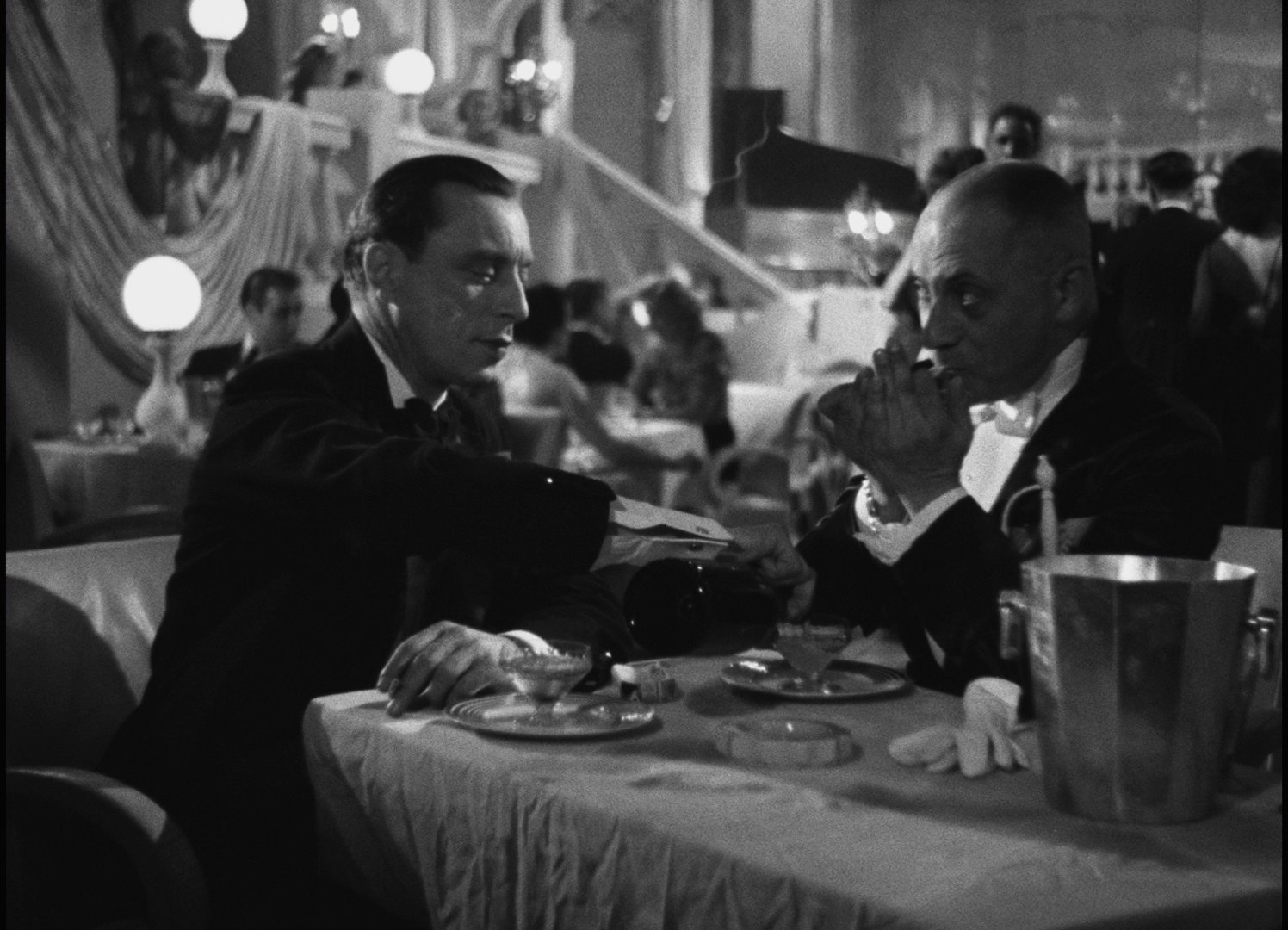
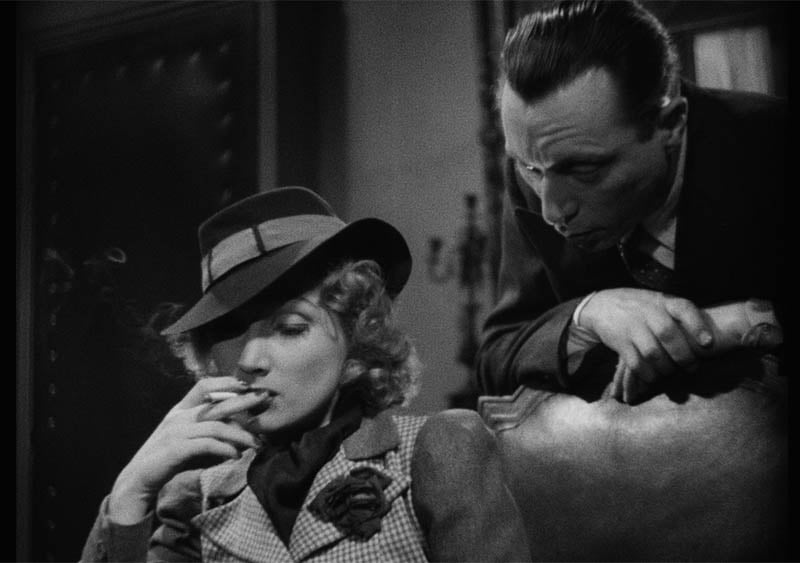
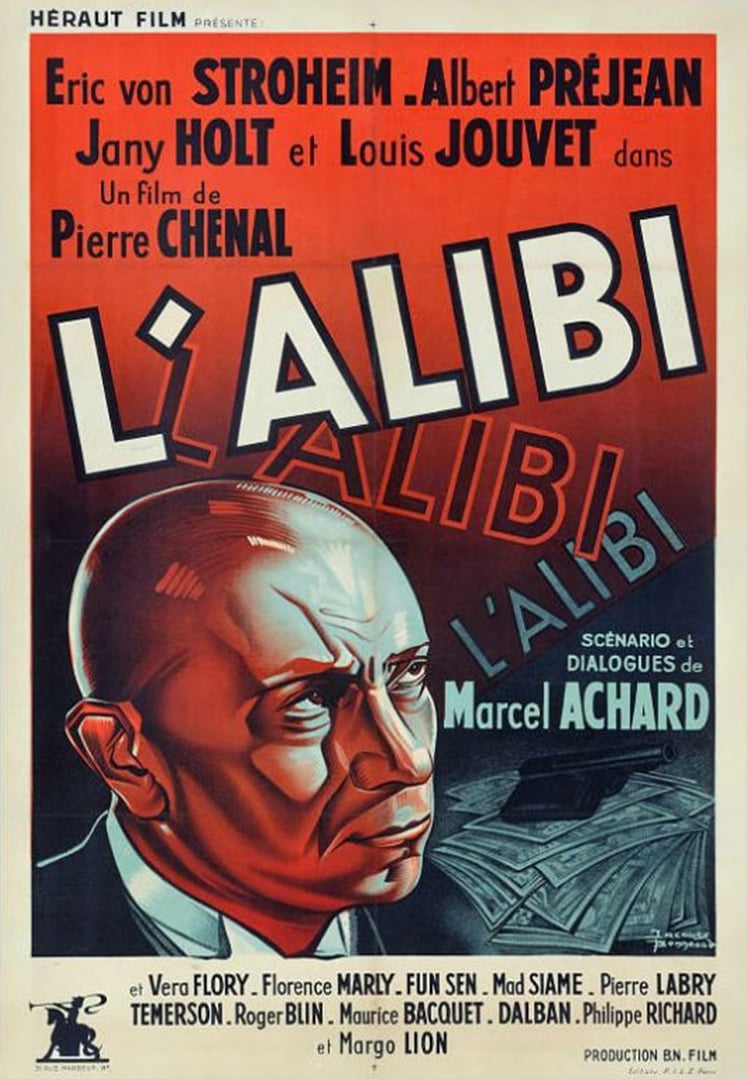
In order to avoid being suspected of a murder he has just committed, Winckler, a music-hall telepath, has hatched a plan that he believes to be perfect. By offering a large sum of money to Hélène, a trainer, he persuades her to provide him with an alibi by revealing to the police that she has spent the night with him.
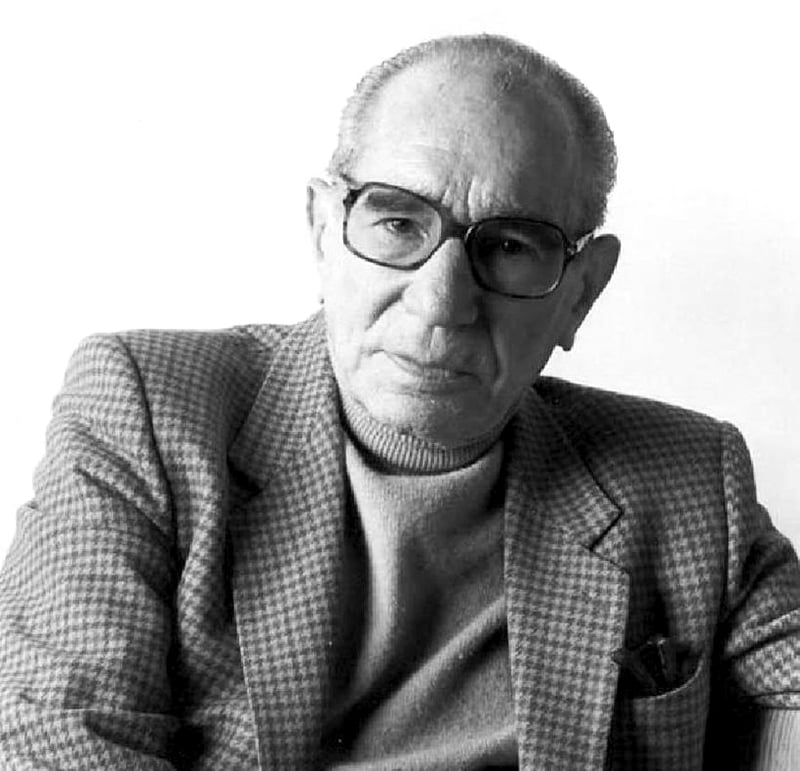
Pierre Chenal
Philippe Cohen, dit Pierre Chenal, est un réalisateur français, né le 5 décembre 1904 à Bruxelles et mort le 23 décembre 1990 à La Garenne-Colombes. D'abord documentariste, Pierre Chenal réalise notamment, dans les années 1930, L'Alibi, Crime et châtiment, La Maison du Maltais et Le Dernier Tournant, première des quatre adaptations du roman* Le facteur sonne toujours deux fois* de James M. Cain. Juif, il fuit la France en 1942 pour l'Argentine, où il réalise huit films.
Explore