L'ange et la femme
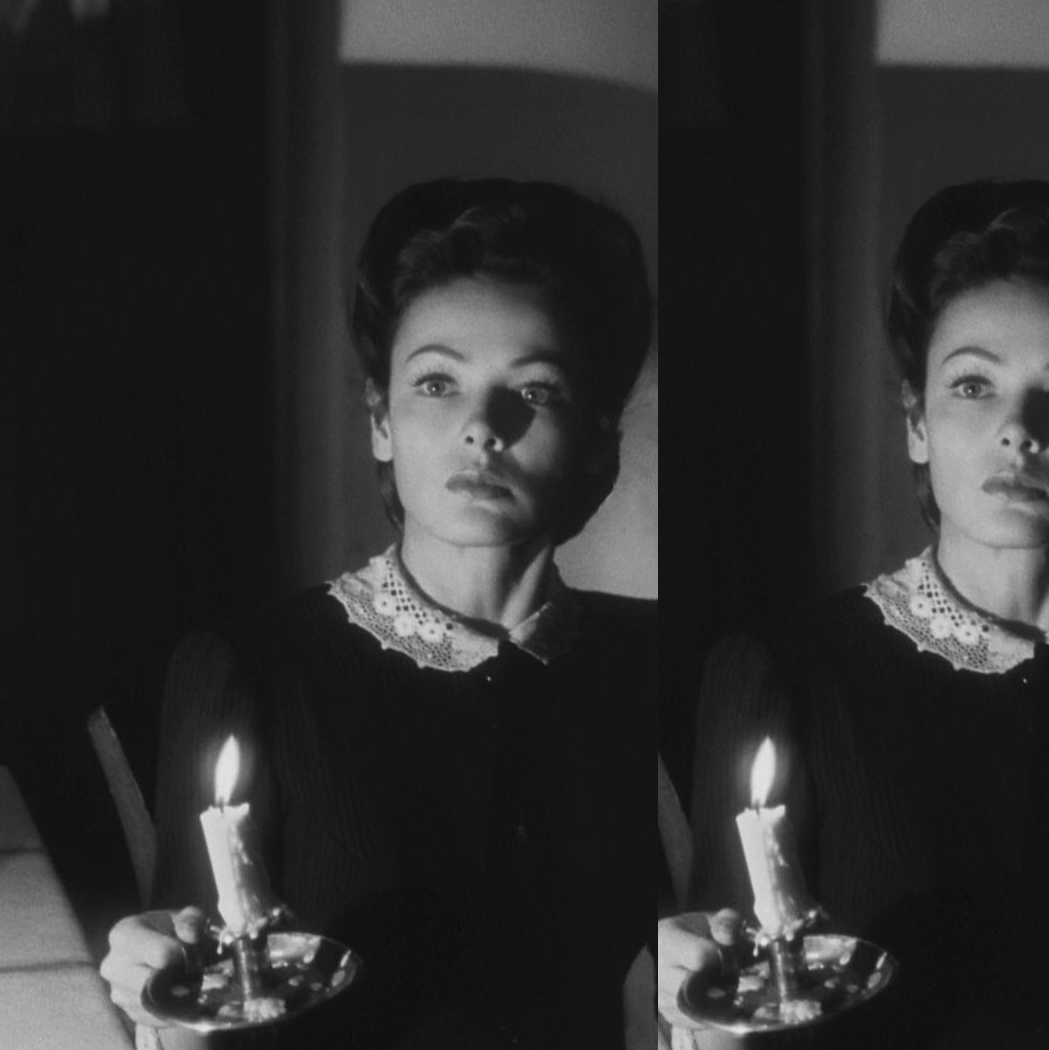
Since the heyday of Romanticism, gallant ghosts have haunted our imaginations. Sometimes troubling, sometimes amusing, they have crossed continents and eras, as well as film genres, as the films gathered here bear witness. Evanescent and elusive, these romantic ghosts are of course a source of fantasy, but they also inhabit cinema marvelously well, where they defy time, genre and mise-en-scène, between appearance and disappearance.
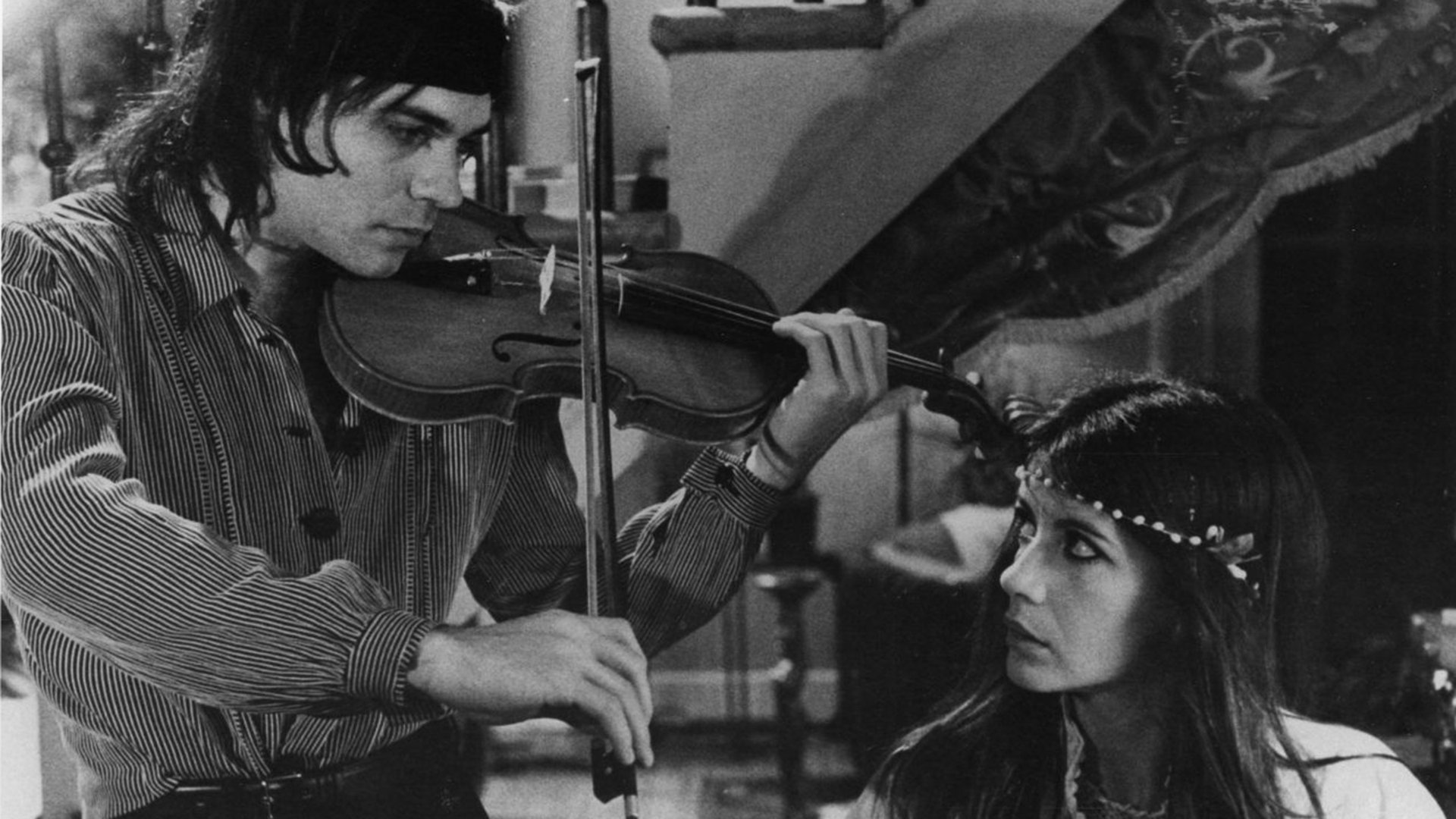
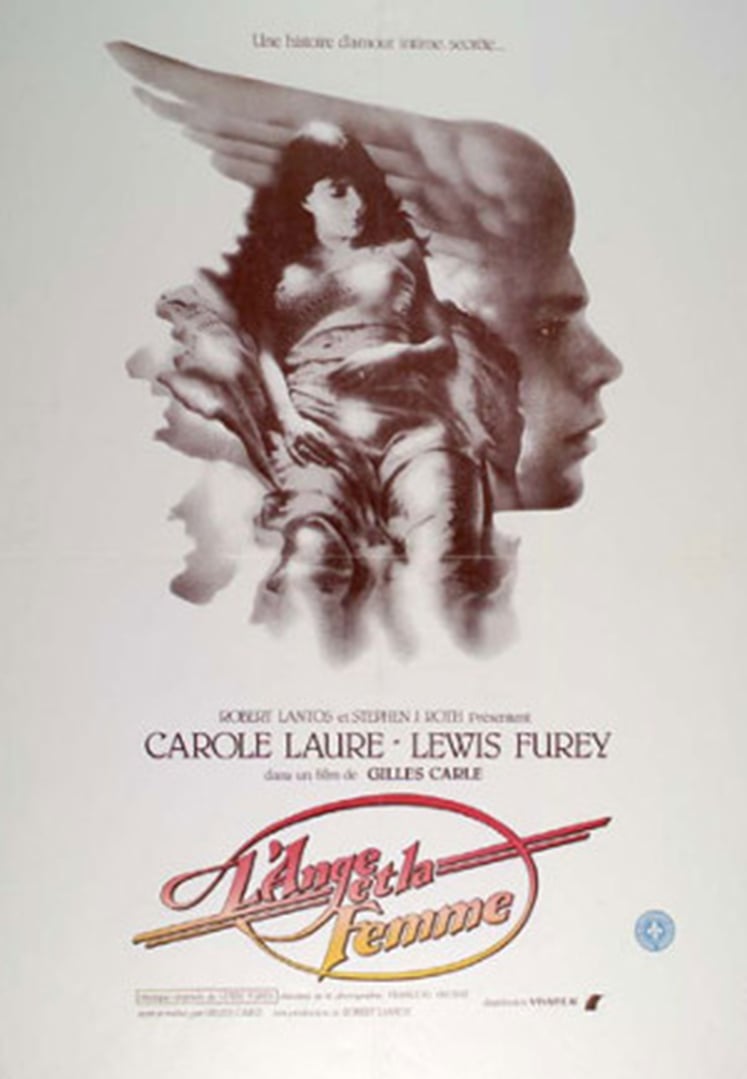
In a snowy forest, an angel named Gabriel picks up the bullet-riddled body of a woman and brings it back to life. Captivated by her beauty, he falls in love with her. However, the murderers are still lurking nearby. L'ange et la femme is a dreamlike fable that oscillates between mysticism and eroticism, celebrating the beauty of actress Carole Laure.
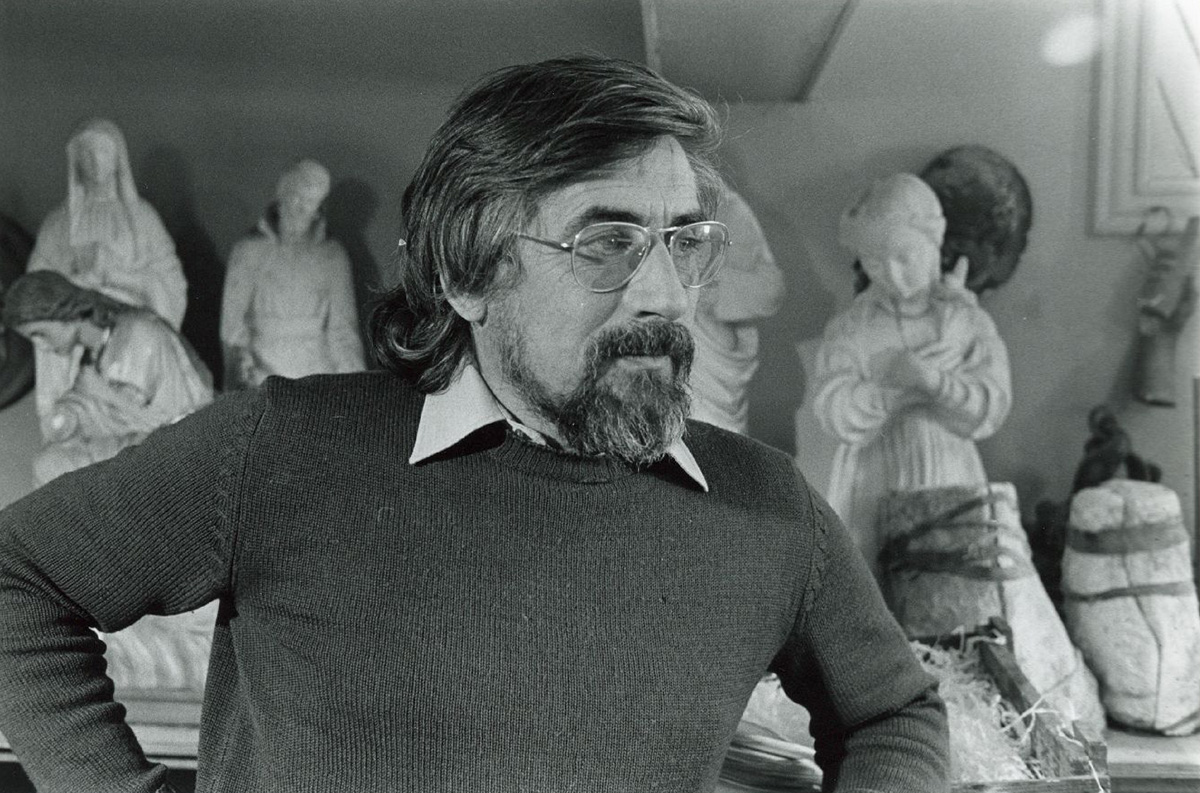
Gilles Carle
Gilles Carle was a Quebec graphic artist, director, screenwriter, editor, and producer. He joined the National Film Board of Canada (NFB) in 1960, initially working as a documentalist and a screenwriter, before directing several documentaries, including Percé on the Rocks. In 1965, he made his first feature film, La vie heureuse de Léopold Z, although he had only been authorized to make a documentary. Reprimanded by his employer for this, Carle left the NFB and joined Productions Onyx, where he wrote and directed Le viol d'une jeune fille douce (1968), Red (1970), and Les mâles (1971). He then co-founded Productions Carle-Lamy with Pierre Lamy and went on to direct films such as La vraie nature de Bernadette (1972), starring Micheline Lanctôt, Daniel Pilon, and Willie Lamothe. In the 1980s, he adapted two Quebec literary classics for the big screen: Les Plouffe (1981) and Maria Chapdelaine (1983). His final feature films were produced in the 1990s. Known for his ability to craft complex yet authentic characters true to their cultural realities, Carle’s body of work is filled with tales, fantasy, and social fables imbued with humor.
Photo: Collections de la Cinémathèque québécoise