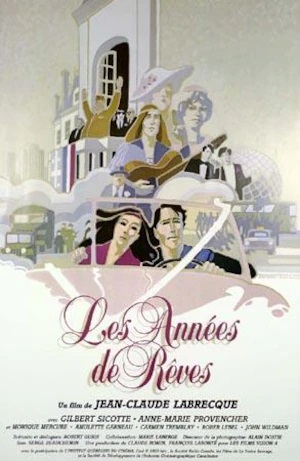
Les années de rêve

Cycle devoted to the representation of the FLQ in Quebec cinema, programmed by Sylvain Garel, on the occasion of the publication of his extensive book on the subject with éditions Somme toute.
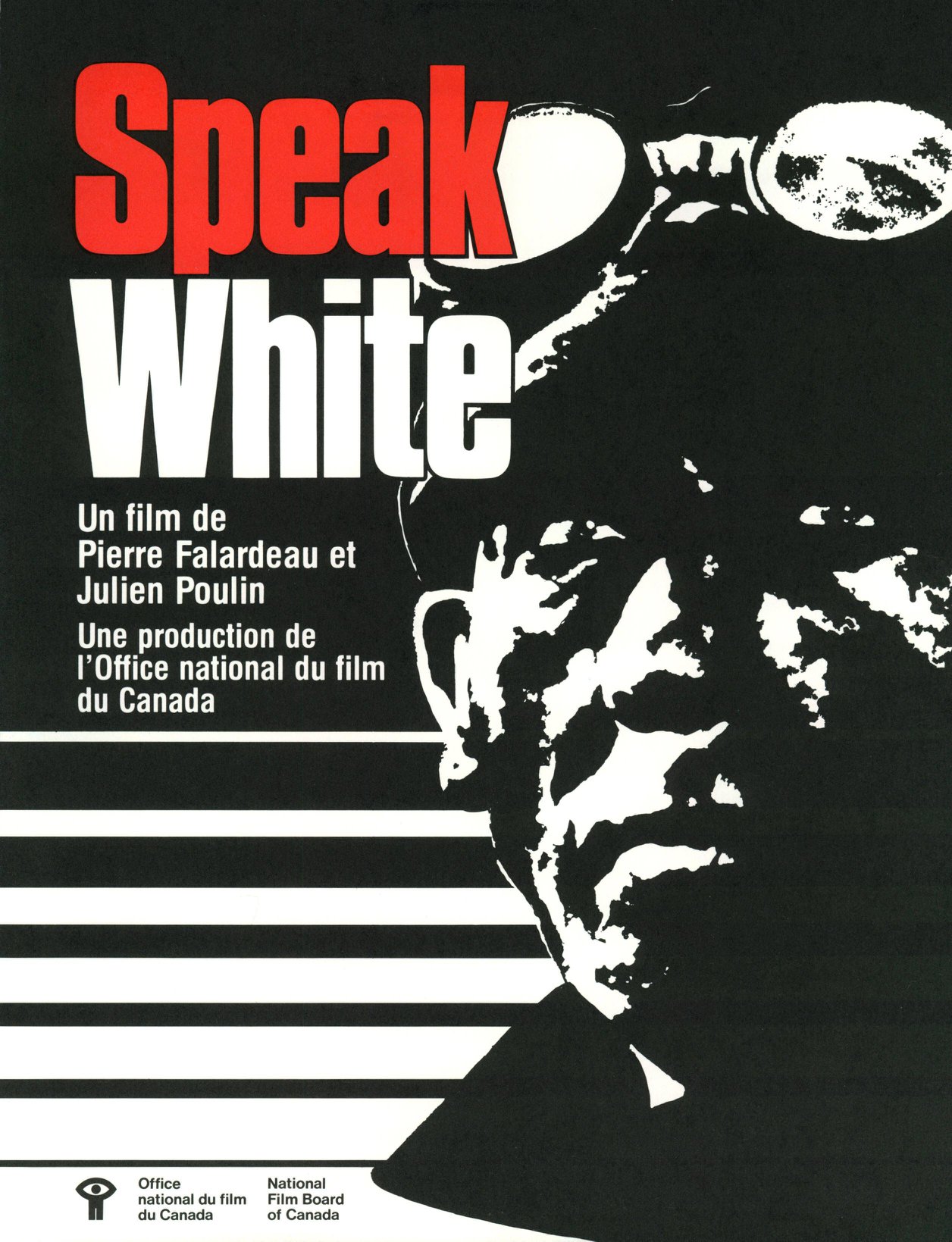
A collage of archival photographs composes the visuals of this free adaptation of Michèle Lalonde's famous poem, Speak White. The film speaks out against colonialism and imperialism.
Preserved in our collections
From the Quiet Revolution to the October Crisis, and including a visit from General de Gaulle, a young Montreal couple live to the rhythm of the social events that shape Quebec and the metropolis.
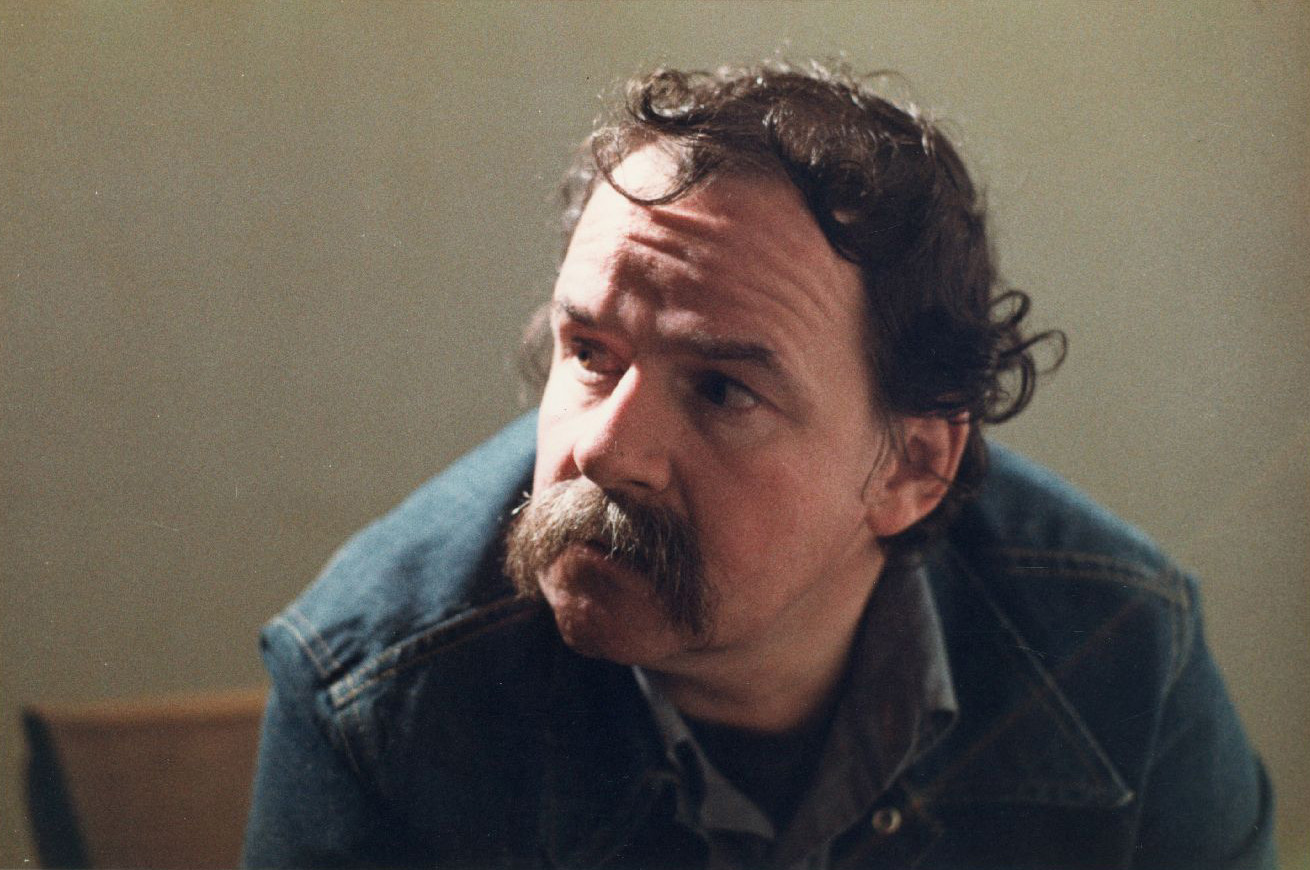
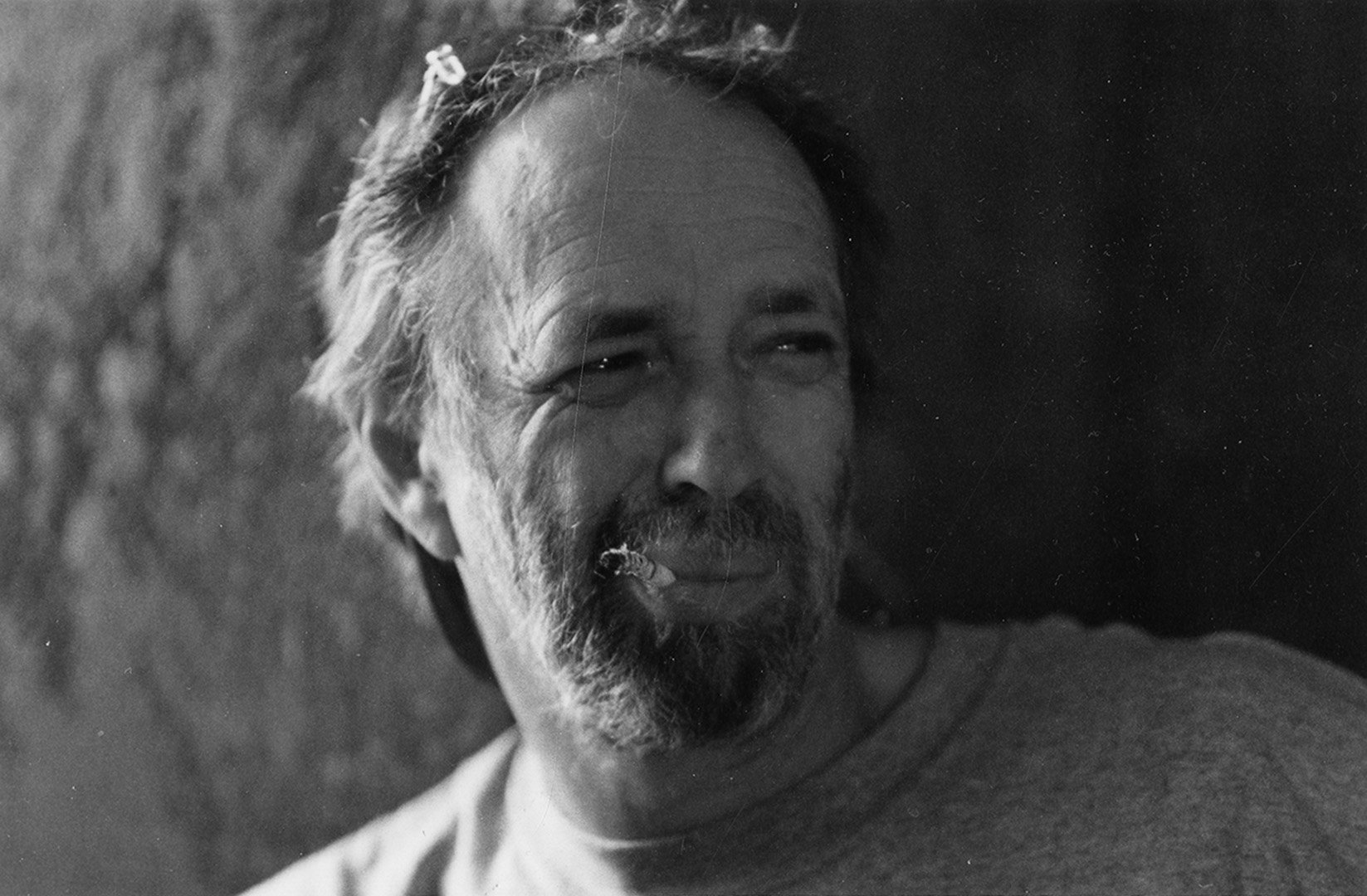
Pierre Falardeau
Pierre Falardeau is a Québécois filmmaker, pamphleteer and Quebec independence activist. He directed his first short film, Continuons le combat, in 1971. During the 1970s, he collaborated with his firend and actor Julien Poulin to produce several documentaries: À mort (1972), Les Canadiens sont là (1973), Le magra (1975), À force de courage (1977), Pea Soup (1978), featuring the iconic "PFK Kid" scene, and Speak White (1980). Frustrated by the limited reach of documentaries in Québec, he transitioned to fiction, creating the now-iconic Elvis Gratton series. Combining three short films made between 1981 and 1985, Elvis Gratton : le king des kings became a cornerstone of Québec cinema. The titular character, an Elvis Presley superfan and a caricature of Québec’s federalist, colonized middle class, instantly became a cultural touchstone. The film later spawned two sequels: Elvis Gratton II: miracle à Memphis (1999) and Elvis Gratton XXX : la vengeance d'Elvis Wong (2004). Falardeau also directed dramatic feature films such as Le party (1989), Le steak (1992), Octobre (1994) et 15 février 1839 (2001).
Photo: Collections de la Cinémathèque québécoise
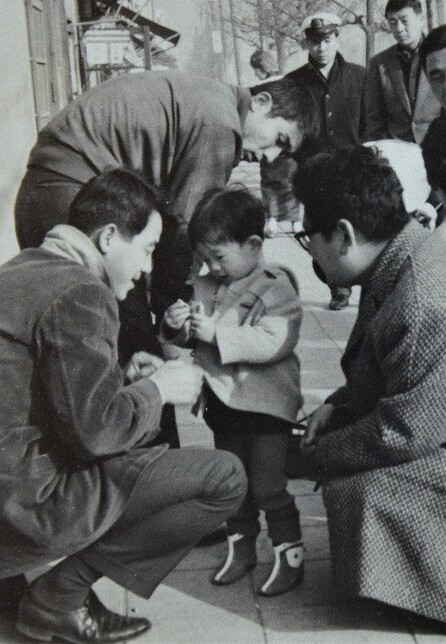
Jean-Claude Labrecque
Jean-Claude Labrecque trained as a camera assistant at the NFB. As a cinematographer, he shot many of the early key films of Claude Jutra (À tout prendre), Michel Brault (Entre la mer et l'eau douce), Gilles Carle (La vie heureuse de Léopold Z), Gilles Groulx (Le chat dans le sac) and Don Owen (The Ernie Game). He left the NFB in 1967 to set-up his own production company, although he continued to freelance with the Board. Throughout his lengthy career, Jean-Claude Labrecque’s interests focused on matters of concern to the Québécois people, whether in sports, culture or politics. His better-known films include La visite du Général de Gaulle au Québec, Games of the XXI Olympiad and his second feature, Les vautours, an eloquent and charming personal meditation on the birth of a generation, considered by critics to be his best film. He also served as Bernard Émond's cameraman on such critically acclaimed films as The Woman Who Drinks, The Novena and Summit Circle. Among his many awards and citations, he won two Canadian Film Awards, in 1964 and 1970, and the Jutra Award for Best Documentary in 2003.
Photo: Collections de la Cinémathèque québécoise