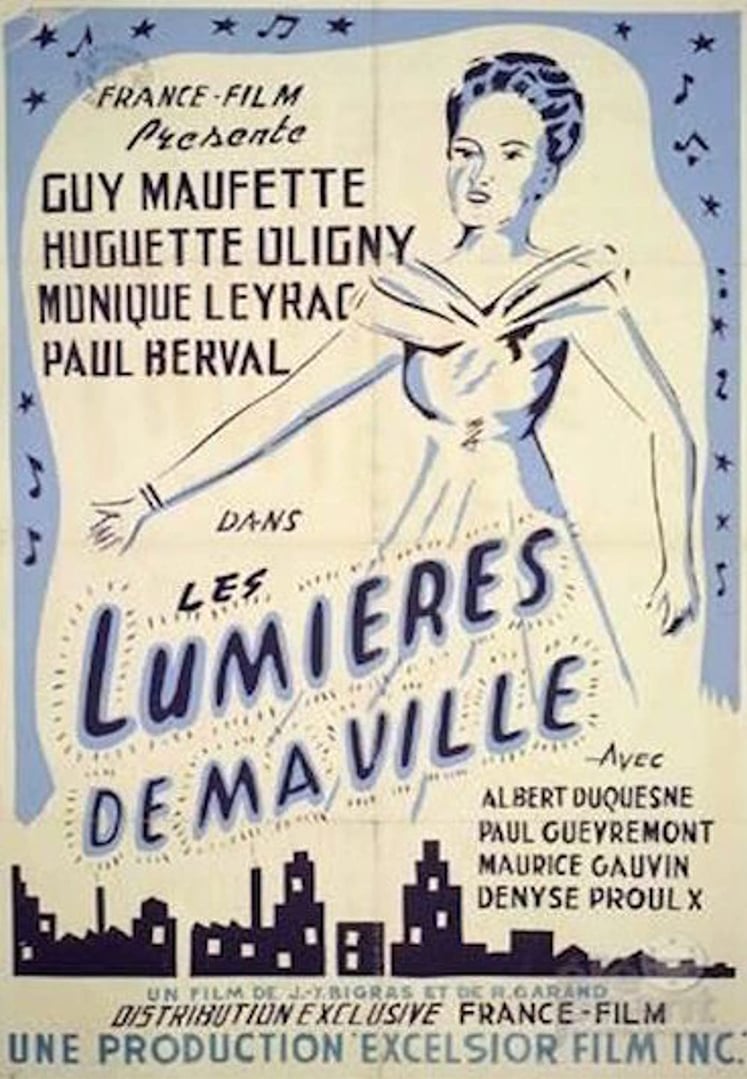
Les lumières de ma ville
Our summer cycle will be festive or not. Sound and image, song and dance, instrument and breathing, strings and gestures: so many possible combinations to express what cinema and music can achieve and express together. Musicals, concert films, catchy music. Jazz, classical, contemporary, disco, punk... Revolt and enchantment, distress and emphasis, joy and rhythm, melancholy and bass, laughter and stridency: diverse expressions characterizing cinema and music's historical alliance, will definitely make us fly, dream, dance!
From the 30's to the present day and across all possible genres, this cycle aims to open our minds at a time when we most need it. The first week of July will be an eventful one, as the cycle will open with several evenings in cabaret mode, where we will present for the first time concert films produced in Quebec during the confinement, with the participation of major artists of the current music scene: Klô Pelgag, Marie Davidson and Godspeed You! Black Emperor.
Presented in collaboration with Éléphant : mémoire du cinéma québécois
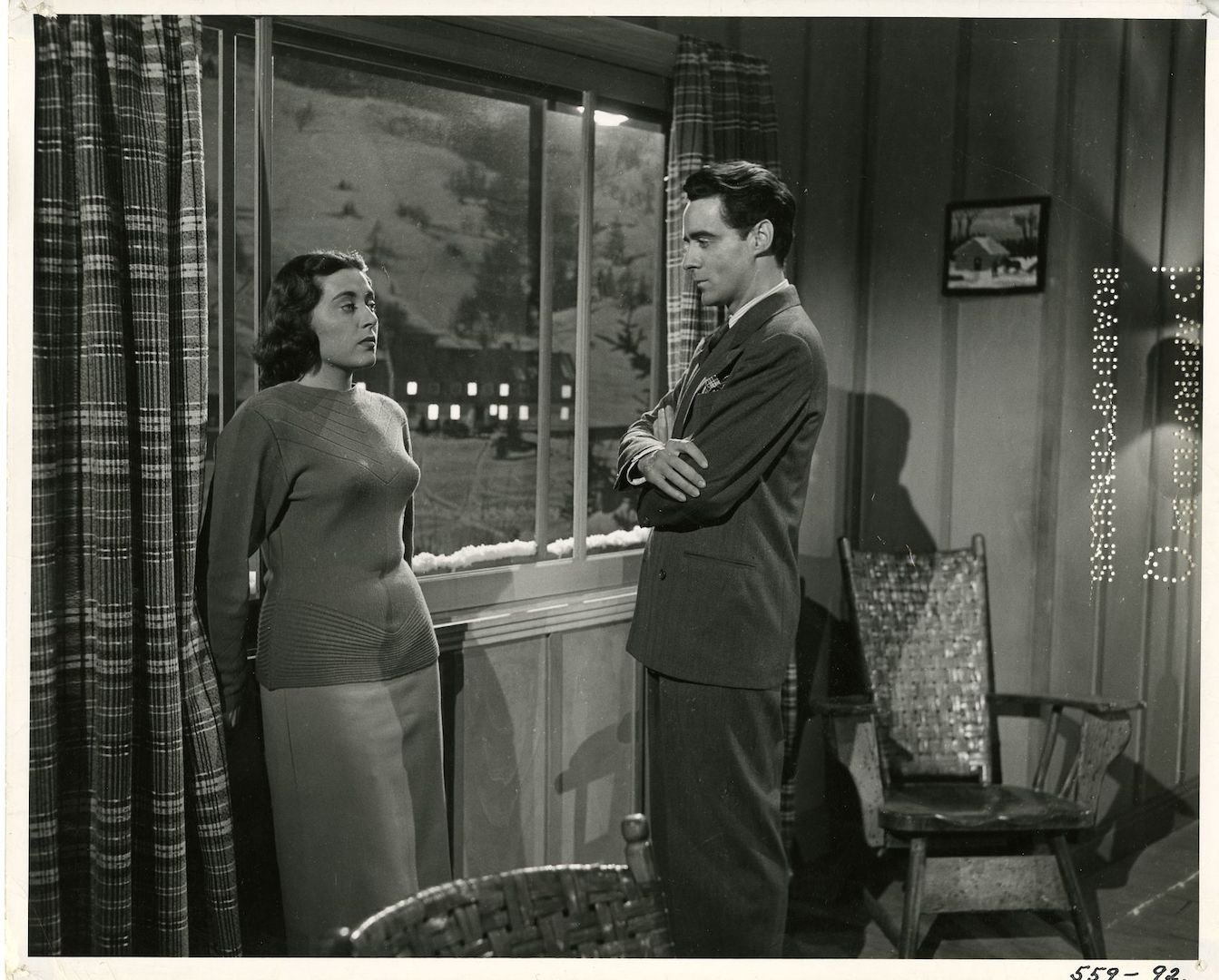
A pretty country girl and a cabaret singer, a bit of a bitch, fight over the heart of handsome Roger. Almost the fable of the city rat and the country rat! Especially the joy of appreciating the debut of the great Monique Leyrac.
Jean-Yves Bigras
Jean-Yves Bigras was a Canadian film director, editor, screenwriter, and producer. He is considered a pioneer in Quebec cinema. Bigras studied at the University of Ottawa, where he participated in the early days of the CKCH radio station. From 1939 to 1942, he served in World War II as part of the Royal Canadian Air Force, and was task with producing the first French-language Canadian radio broadcasts for the recruitment program. After his demobilization, he became one of the first French Canadians to be hired by the National Film Board of Canada (NFB) in 1943. As an editor and director, he contributed to over thirty documentaries for the institution. He notably participated in the series Canadian Carries On, and the children's medium-length film The Boy Who Stopped Niagara, which introduced him to fiction filmmaking. He was then hired to work for the children's education film section of Renaissance Films. It was there that he got to work on his first feature film, Le gros Bill (1949), co-directed by René Delacroix. He directed fights and log driving action sequences for the film. He then moved on to direct the musical Les lumières de ma ville (1950), followed by La petite Aurore, l’enfant martyre (1952), which was a big hit with audiences and became a staple of early Quebec cinema. In 1953, he began working for Radio-Canada where he became one of its principal directors until his death in 1966.
Discover