Little Fugitive
Ambiguous places, halfway between euphoria and terror, haunted by visions of the past and the future alike, amusement parks are a common backdrop in many films. Their shimmering lights, joyful crowds, and exhilarating rides often serve as a stage for contrast, where they reflect, in turn, a desire for illusion, breathless consumerism, melancholic solitude, and buried anxieties.
Winner of the Silver Lion, 1953 Venice International Film Festival
Preserved in our collections
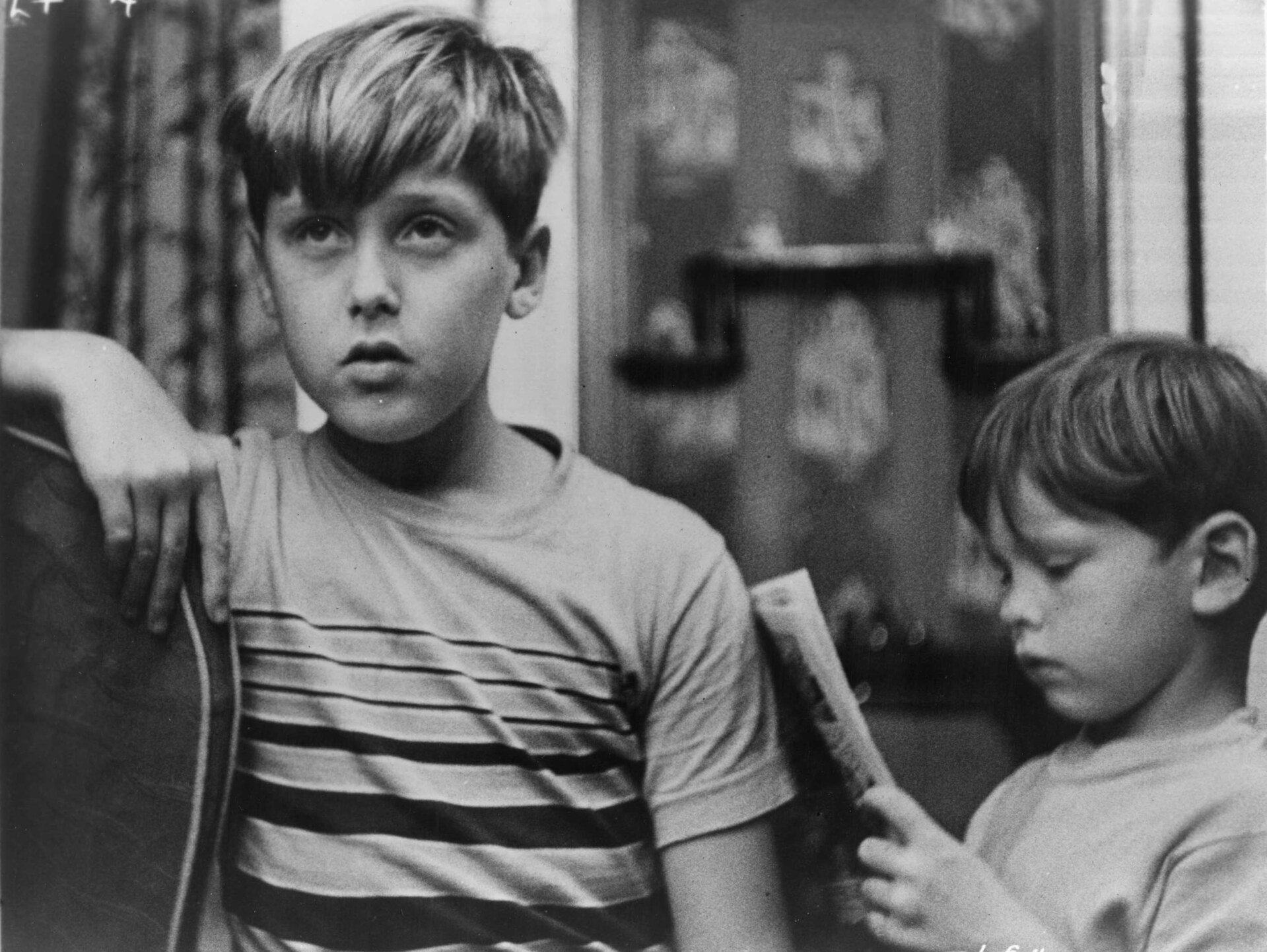
Winner of the Silver Lion at Venice in 1953, the film tells the story of two brothers (aged 7 and 12) from a working-class family in Brooklyn. To get some peace and quiet, the older brother invents a ruse to drive his brother away, who flees to Coney Island, New York's great amusement park. An independent film that turns its back on Hollywood cinema, Little Fugitive is nonetheless one of the great works of American cinema.
Raymond Abrashkin, Morris Engel & Ruth Orkin
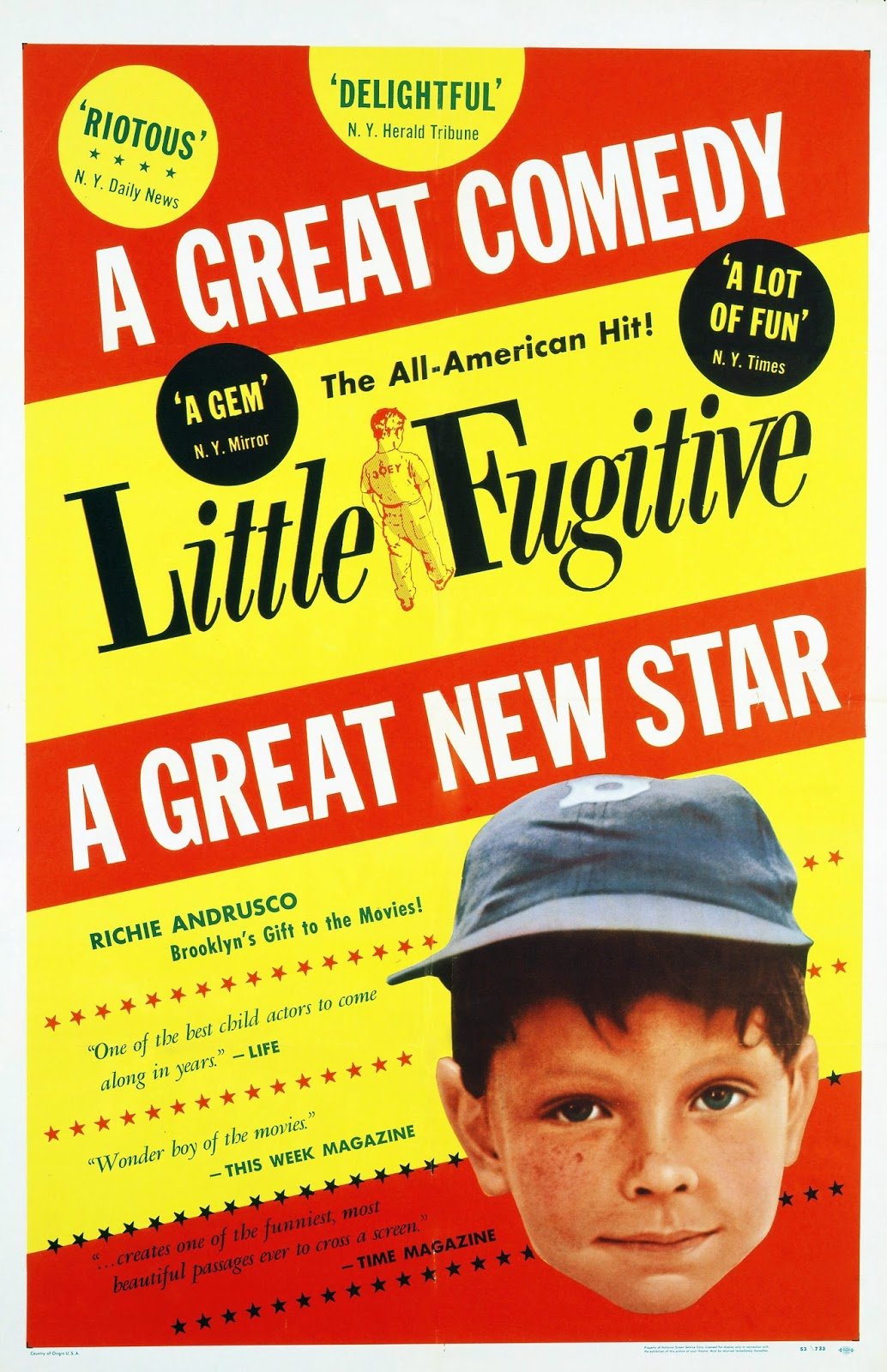
In 1953, Raymond Abrashkin, Morris Engel and Ruth Orkin directed Little Fugitive. An acknowledged influence on the French New Wave, the film is considered by modern-day critics to be a landmark film because of its naturalistic style and groundbreaking use of nonprofessional actors in lead roles. It is the only film ever directed by Raymond Abrashkin, who was credited as Ray Ashley. Morris Engel and Ruth Orkin then collaborated on the 1956 film Lovers and Lollipops. After these projects, only Engel continued his filmmaking career, notably directing Weddings and Babies in 1958. This was the first fictional feature to be shot with a portable camera that allowed for synchronized sound.