Mouna ou le rêve d'un artiste
This recurring cycle is an opportunity to watch or re-watch classics from cinema history, or films representative of certain national cinematographies, trends or eras, on the big screen.
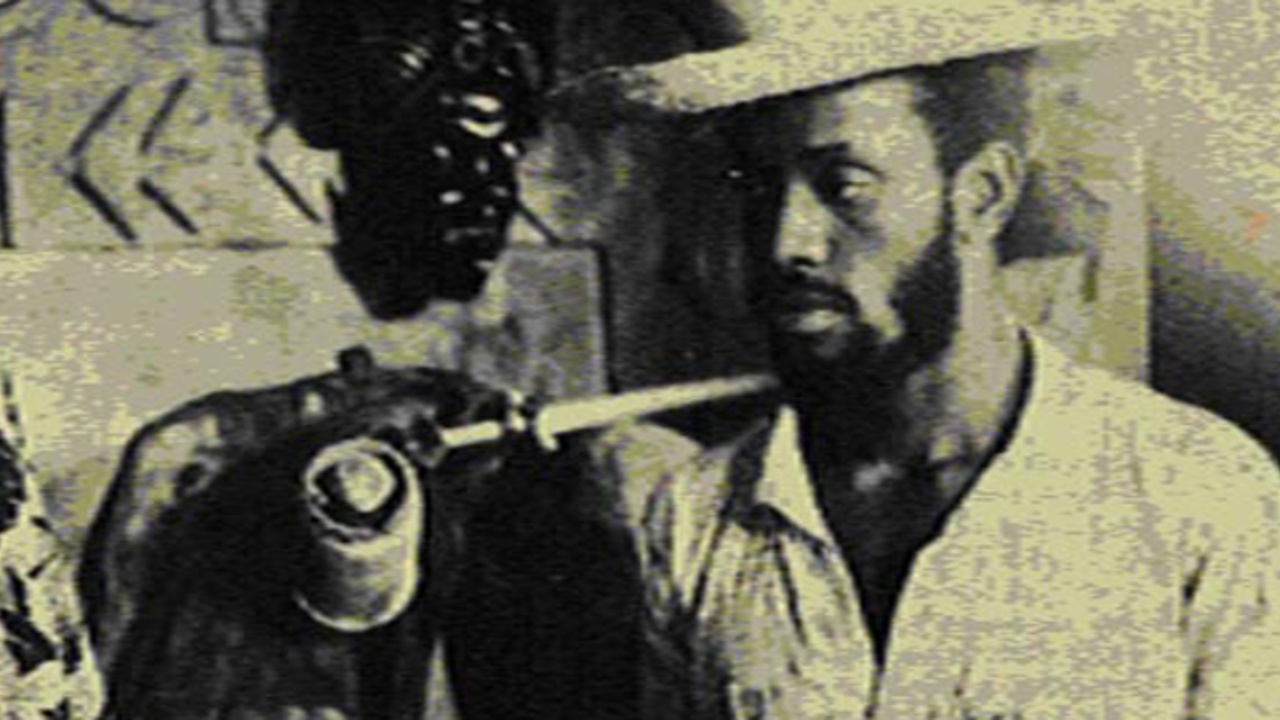
Exhausted by years of financial hardship, an African mask sculptor loses his mind just as his art becomes a source of income. The sculptor's works suddenly regain their soul and become characters who have come to fulfill their destiny.
Henri Duparc
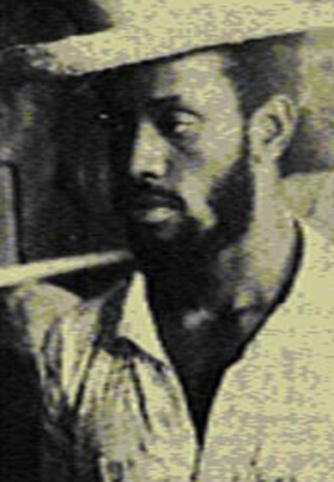
Henri Duparc was an Ivorian-Guinean filmmaker. Widely known as the master of African comedy, he depicted post-independence African societies with humor, irony, and tenderness. A great admirer of cinema and inspired by Federico Fellini's work, he trained at the Belgrade Film School and the Institut des hautes études cinématographiques in Paris (now known as FEMIS). In 1967, he moved to Côte d'Ivoire, a country he would adopt as his homeland, the cradle of his family, his inspiration, and the backdrop for his cinematic works. In 1969, he directed his first medium-length film, Mouna ou le rêve d'un artiste, a fantasy that shows how a sculptor’s works, animated by their souls, fulfill their destiny. This film opened the second edition of FESPACO in 1971. In 1972, Abusuan was screened at the Cannes Film Festival’s Critics' Week. Henri Duparc also ventured into television production in 1986 with Aya, the first African series for children. The series' success allowed him to finance a screenplay he had written while still in school, Bal Poussière, which became his greatest success. In 2004, he directed his final film, Caramel, considered his swan song since he knew he was ill. The film was as successful as Bal Poussière.
Explore
Présenté en collaboration avec