My Country, My Country
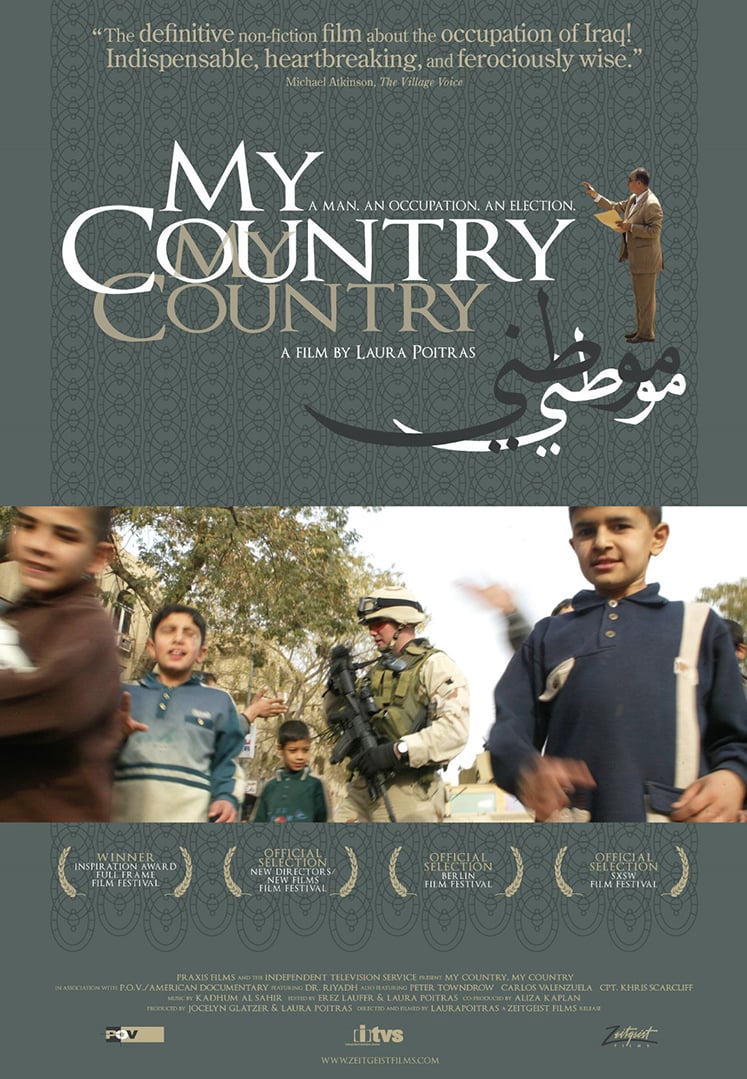
To complement Forensic Architecture and Laura Poitras' exhibition presented at the Musée d'art contemporain (Contagion de la terreur), and the 14th Max and Iris Stern International Symposium (March 12 and 13), we are offering this program of films devoted to the documentary work of Laura Poitras, Oscar winner in 2015. Her intensely current cinema is particularly concerned with new contemporary methods of global surveillance.
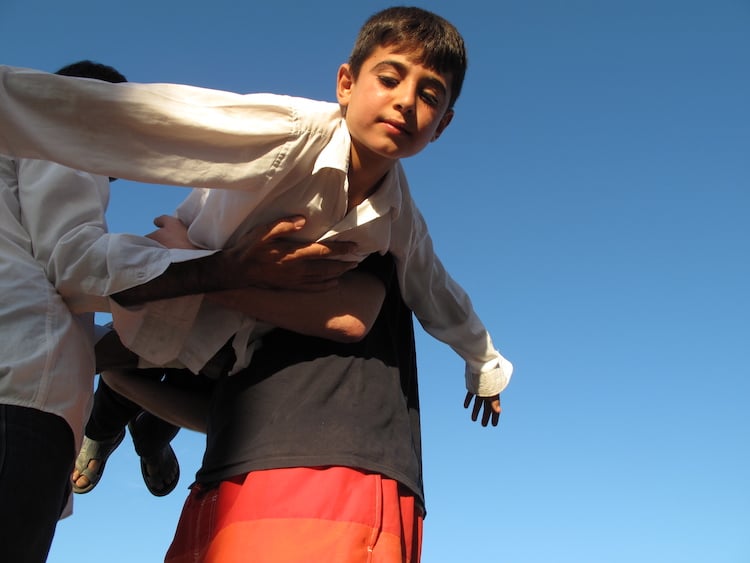
Working alone in Iraq over eight months, director/cinematographer Laura Poitras creates an extraordinarily intimate portrait of Iraqis living under U.S. occupation. Her principal focus is Dr. Riyadh, an Iraqi medical doctor, father of six and Sunni political candidate. An outspoken critic of the occupation, he is equally passionate about the need to establish democracy in Iraq, arguing that Sunni participation in the January 2005 elections is essential. Yet all around him, Dr. Riyadh sees only chaos, as his waiting room fills each day with patients suffering the physical and mental effects of ever-increasing violence. Dramatically interwoven into the personal journey of Dr. Riyadh is the landscape of the US military occupation, with Australian private security contractors, American journalists and the UN officials who orchestrate the elections. Unfolding like a narrative drama, MY COUNTRY, MY COUNTRY follows the agonizing predicament and gradual descent of one man caught in the tragic contradictions of the U.S. occupation of Iraq and its project to spread democracy in the Middle East. (Dogwoof)
Laura Poitras
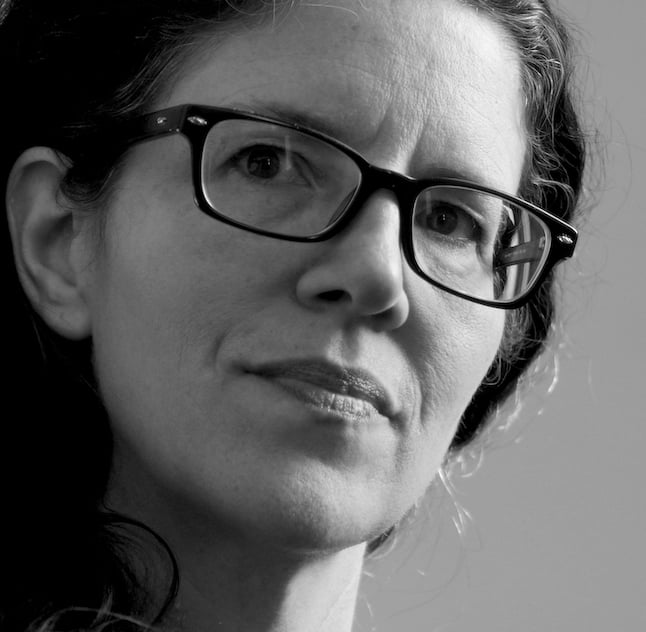
After a childhood in Massachusetts and studying gourmet cuisine, Laura Poitras abandoned her first vocation to settle in California and enroll at the San Francisco Art Institute, where she notably took classes with experimental filmmaker Ernie Gehr. She then left for New York and began to make politically engaged documentaries. My Country, My Country, which deals with the American occupation in Iraq, earned her in 2006 to be placed on the watch list of the United States Department of Homeland Security. She also works as a freelance journalist and in 2012 created a press freedom foundation with journalist Glenn Greenwald. It was with the latter that she subsequently collected the revelations of whistleblower Edward Snowden on the global surveillance of the National Security Agency. Poitras draws from it his most famous film, Citizenfour, which won the Oscar for best documentary in 2014.
Explore
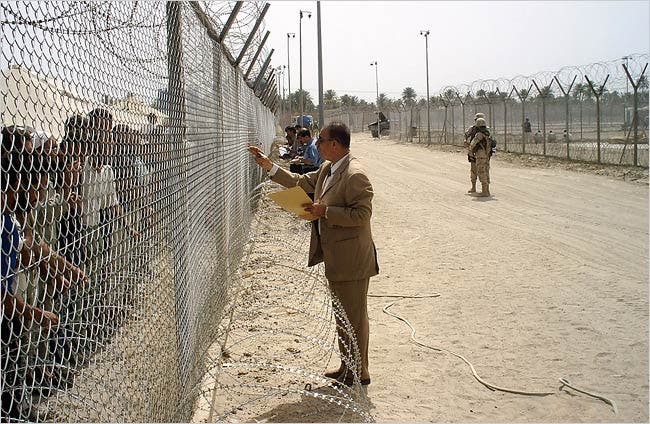
Without comment but with unusual sensitivity, Ms. Poitras, exposes the emotional toll of occupation on Iraqis and American soldiers alike. Nosing around in rubble-strewn neighborhoods and peering through the wire at prisoners in Abu Ghraib, Ms. Poitras and her camera find little to celebrate. “My Country, My Country” may appear to be strictly observational, but its images and structure inevitably question the legitimacy of democracy at gunpoint, leaving us with the feeling that this particular mission is far from accomplished.
(New York Times, 2006)
My country, my country (Laura Poitras)
Présenté en collaboration avec