Naked Lunch
Pierre Jutras worked at the Cinémathèque québécoise for 33 years, first as curator of Quebec and Canadian cinema, then as director of programming. He recently passed away, and to honor his memory, we were fortunate enough to prepare a carte blanche with him, reflecting on his highlights as a programmer and film-lover (the rediscovery of Jean Epstein and Ivan the Terrible, the revelation of Wang Bing and the extraordinary retrospective devoted to Manoel de Oliveira...).
« Littérature et cinéma sous influence. » – Pierre Jutras
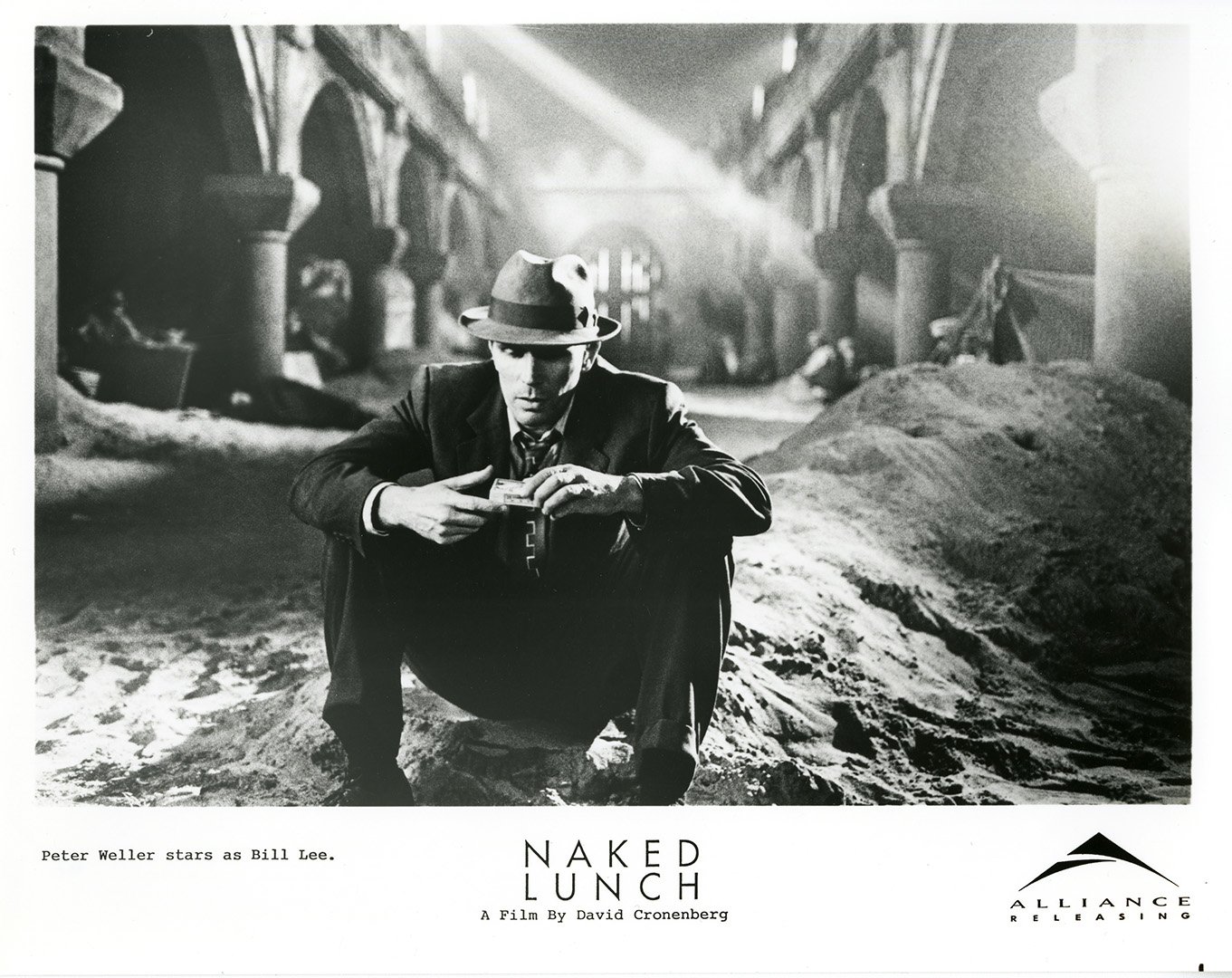
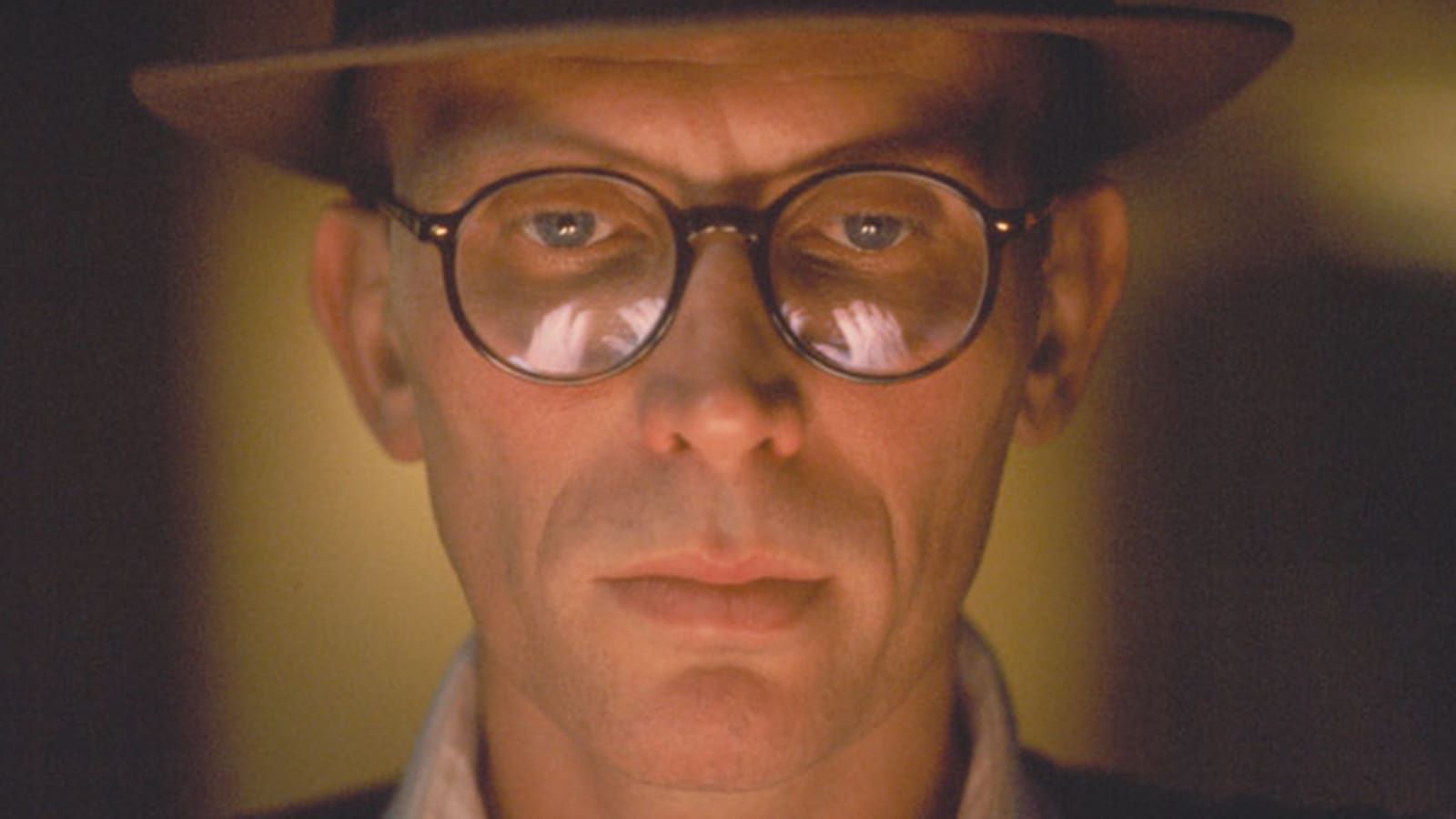
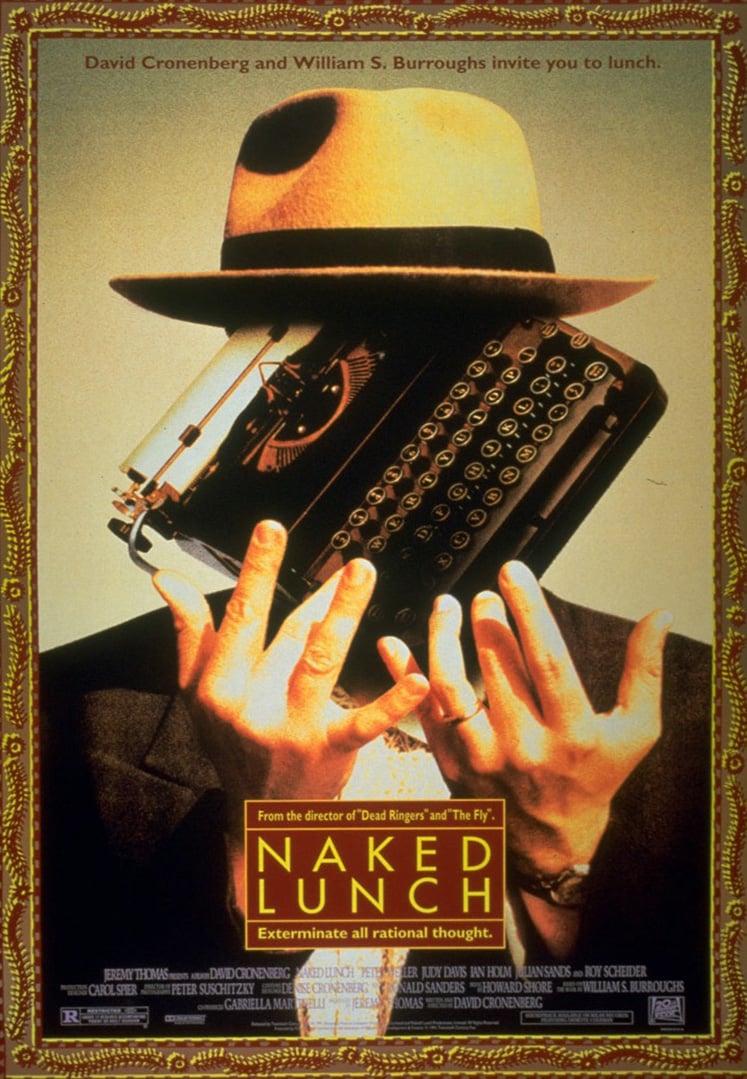
A writer kills his wife, sees his typewriter turn into an insect and frequents a mysterious Islamic interzone. The Canadian master of inner horror tackles the mythical work of William S. Burroughs. The result is a singular, unclassifiable paranoid fantasy that owes much to the extraordinary music of Howard Shore and Ornette Coleman.
The trailer
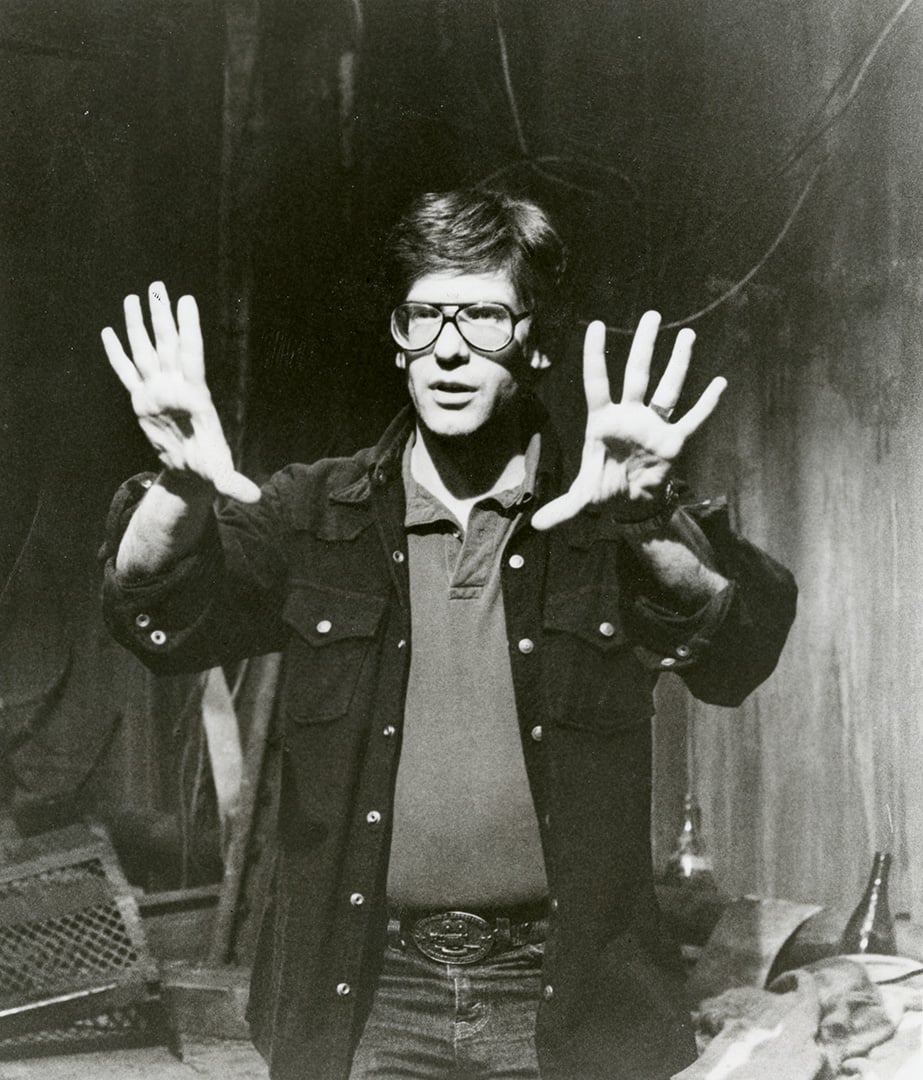
David Cronenberg
David Cronenberg is a Canadian film director, actor, producer, and screenwriter. He is one of the main originators of the body horror genre, with his films exploring visceral bodily transformation, infectious diseases, and the intertwining of the psychological, physical, and technological. In the first third of his career, he explored these themes mostly through sci-fi horror films such as Scanners (1981) and Videodrome (1983), although his work has since expanded beyond these genres. Cronenberg's films have polarized critics and audiences alike; he has earned critical acclaim and has sparked controversy for his depictions of gore and violence. His films have won numerous awards, including the Special Jury Prize for Crash at the 1996 Cannes Film Festival, a unique award that is distinct from the Jury Prize as it is not given annually, but only at the request of the official jury, who in this case gave the award "for its originality, daring, and audacity". From the 2000s to the 2020s, he collaborated on several films with Viggo Mortensen, including one of his most recent offering, Crimes of the Future (2022).
Pierre Jutras
Born in 1945 in Saint-Marcel-de-Richelieu, Pierre Jutras studied filmmaking at the Institut des arts de diffusion in Brussels in the 1970s, where he was introduced to documentary, fiction and experimental cinema. In 1978, he was hired by the Cinémathèque québécoise as Head of Quebec and Canadian Cinema and co-director of the Copie Zéro from 1979 to 1988. He was also behind the first restoration of the film Kamouraska, by Claude Jutra. In 1997, he became Director of Conversation and Programming at the Cinémathèque, a position he held until his retirement in 2011. Parallel to his professional activities, he directed Lamento pour un homme de lettres in 1988 and Petites chroniques cannibales 1 in 1997, the first segment of a trilogy that was never completed. He died in Montreal on June 22, 2023.