Giants, fairies, magicians, ghosts, dragons, and monsters of all kinds… Here’s what your Cinémathèque has in store this summer! Since Méliès, filmmakers have embraced the fanstastic potential of cinema, creating infinite phantasmagorias and extraordinary spectacles where the unreal becomes real. Step into a world of fantasy and boundless imagination: whatever your generation, the monsters and wonders that once filled your childhood dreams are back this summer 2025!
Winner of the FIPRESCI Prize, 1950 Venice International Film Festival
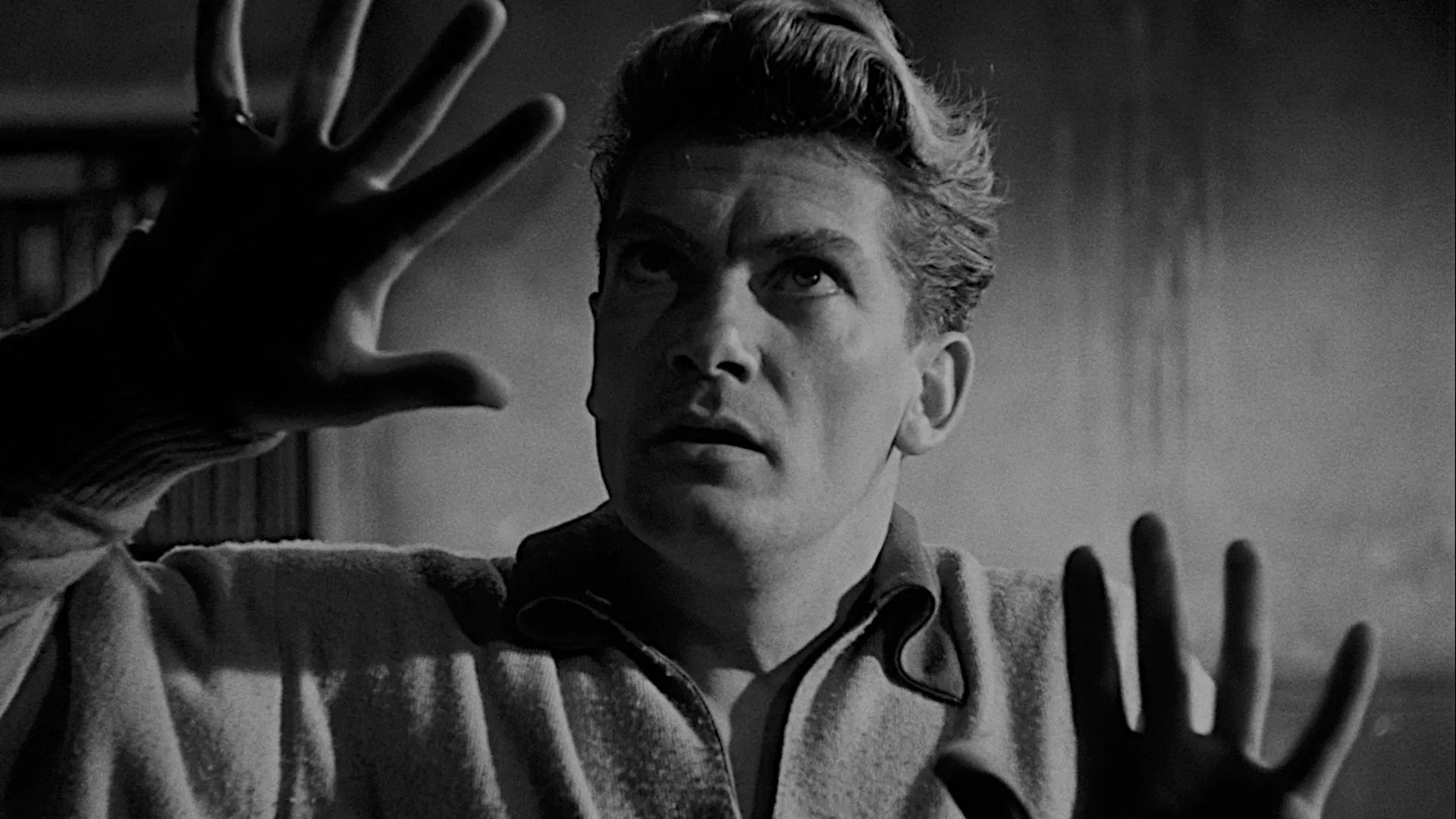
While at the Café des poètes, Orpheus experiences death: a drunken young poet, a real troublemaker, provokes a brawl in which he loses his life. Having witnessed the moment when the poet's specter passes through the mirror and is definitively dragged towards Death, Orpheus becomes fascinated by it. Euridyce, Orpheus' companion, is also seized by Death, motivating Orpheus to cross the mirror to find her. Jean Cocteau boldly modernizes the ancient myth with great respect, transforming the tragedy into a vibrant poem of mad love.
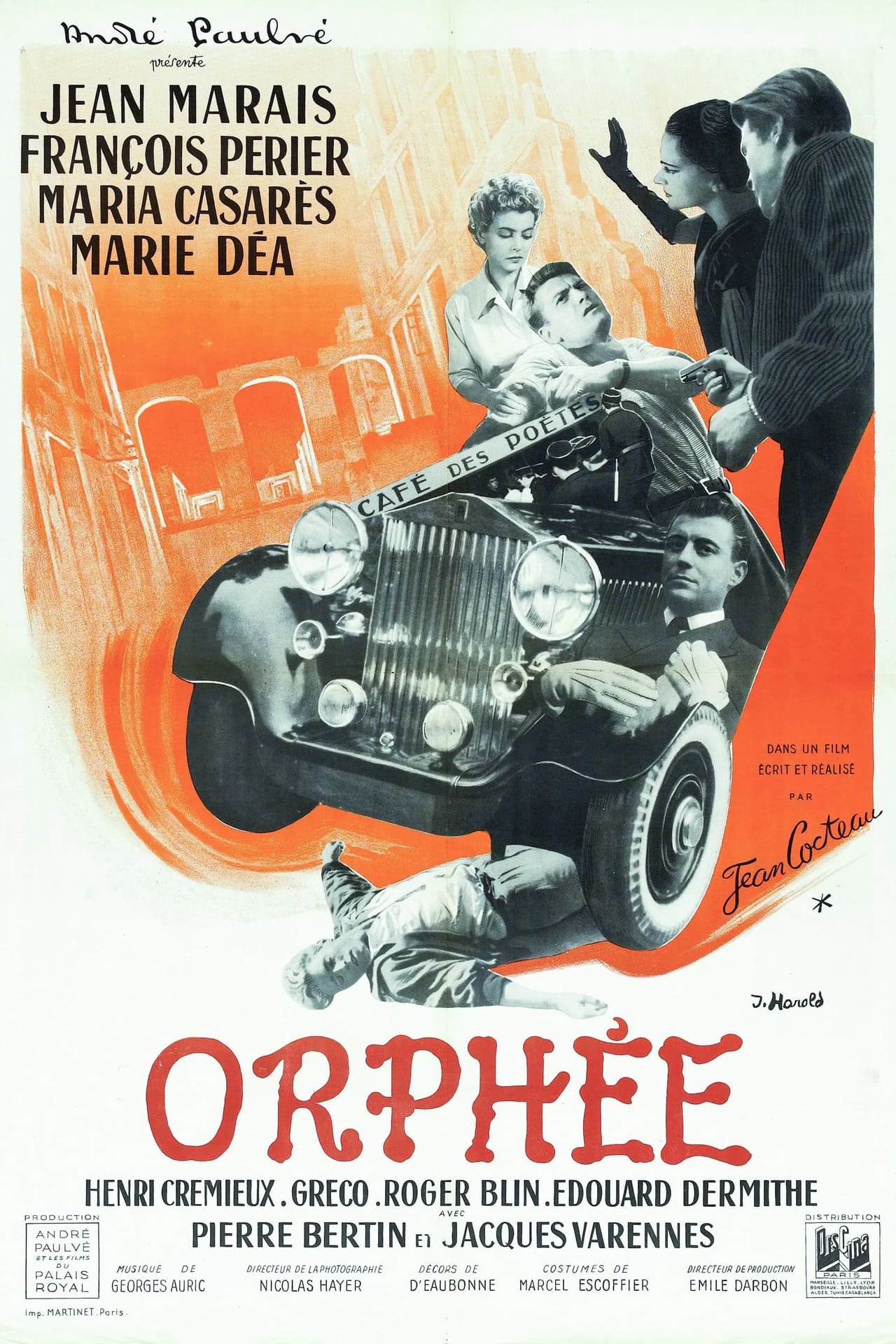
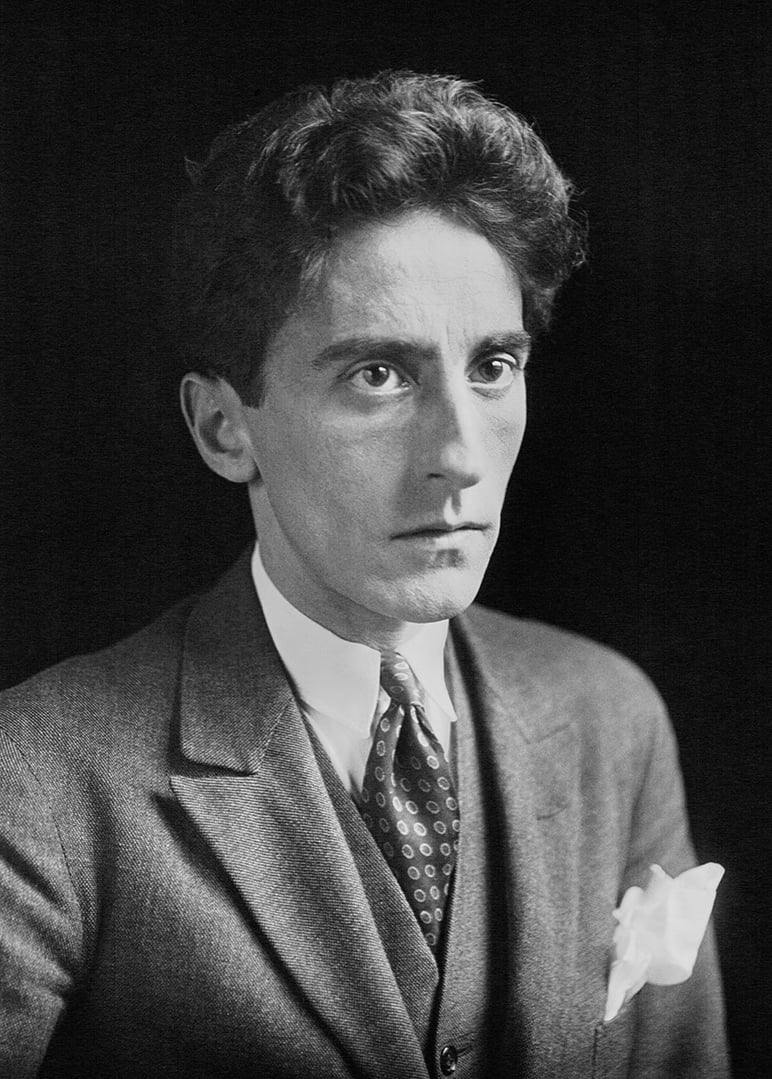
Jean Cocteau
Jean Cocteau was a French poet, novelist, designer, visual artist, playwright, and filmmaker. He was one of the foremost avant-garde artists of the 20th century and had a significant influence on the surrealist and Dadaist movement, among others. Elected to the Académie française in 1955, he rubbed shoulders with many of the key artistic figures of his era. An impresario of his time and trendsetter, Cocteau was also described as a genius by countless artists and friends. Though his body of work encompassed many different media, Cocteau insisted on calling himself a poet, classifying the great variety of his works – poems, novels, plays, essays, drawings, films – as poetry.