Phantom India, Part 3: The Indians and the Sacred + Part 4: Dreams and Reality
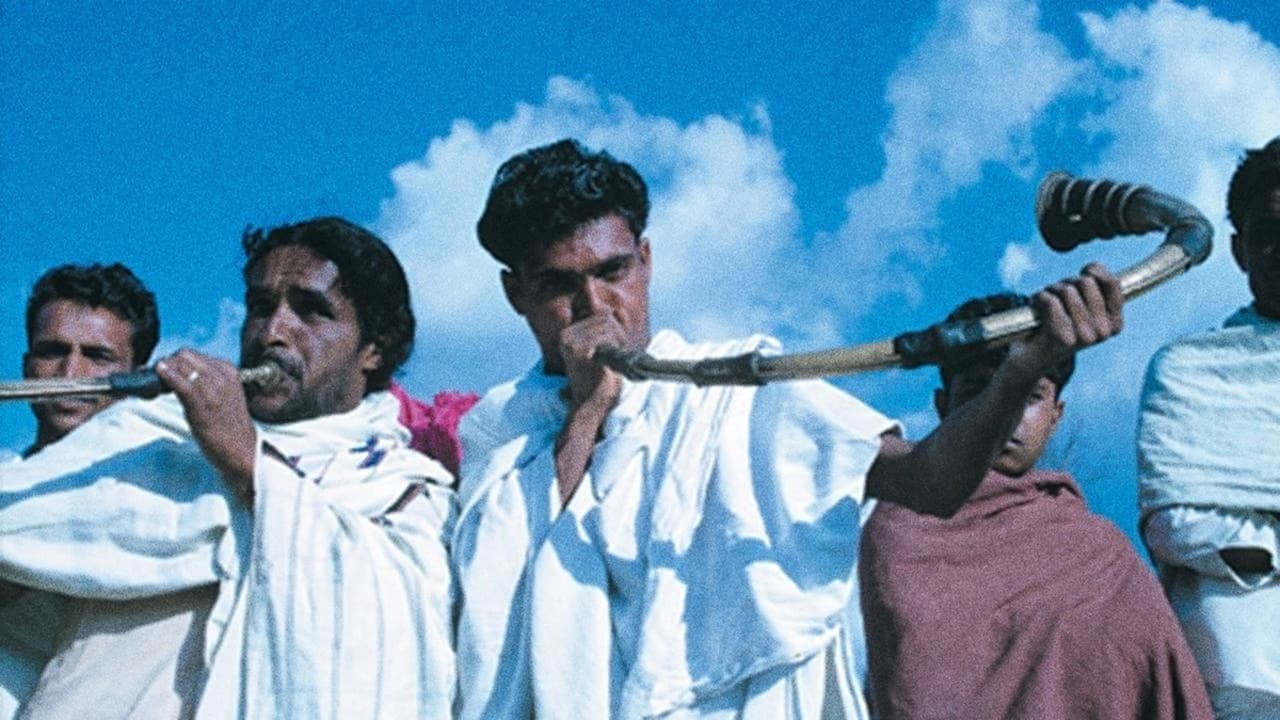
Phantom India is the pinnacle of ethnographic documentary, but also an autobiographical travelogue (explicitly inspired by writer Michel Leiris) and one of the high points of Louis Malle's cinema, period. This intimate documentary quest, filmed in India just before May ’68, deserves to be rediscovered on the big screen.
There will be a 10-minute break between episodes
Parts 1 and 2, then 5 to 7 of Phantom India will be screened on March 19 and 23
From January 5 to May 1, 1968, Louis Malle filmed across India, without a script, in what he called “total improvisation”. He brought back some forty hours of film, which led to a feature-length film, Calcutta, and a series of seven films for television, Phantom India.
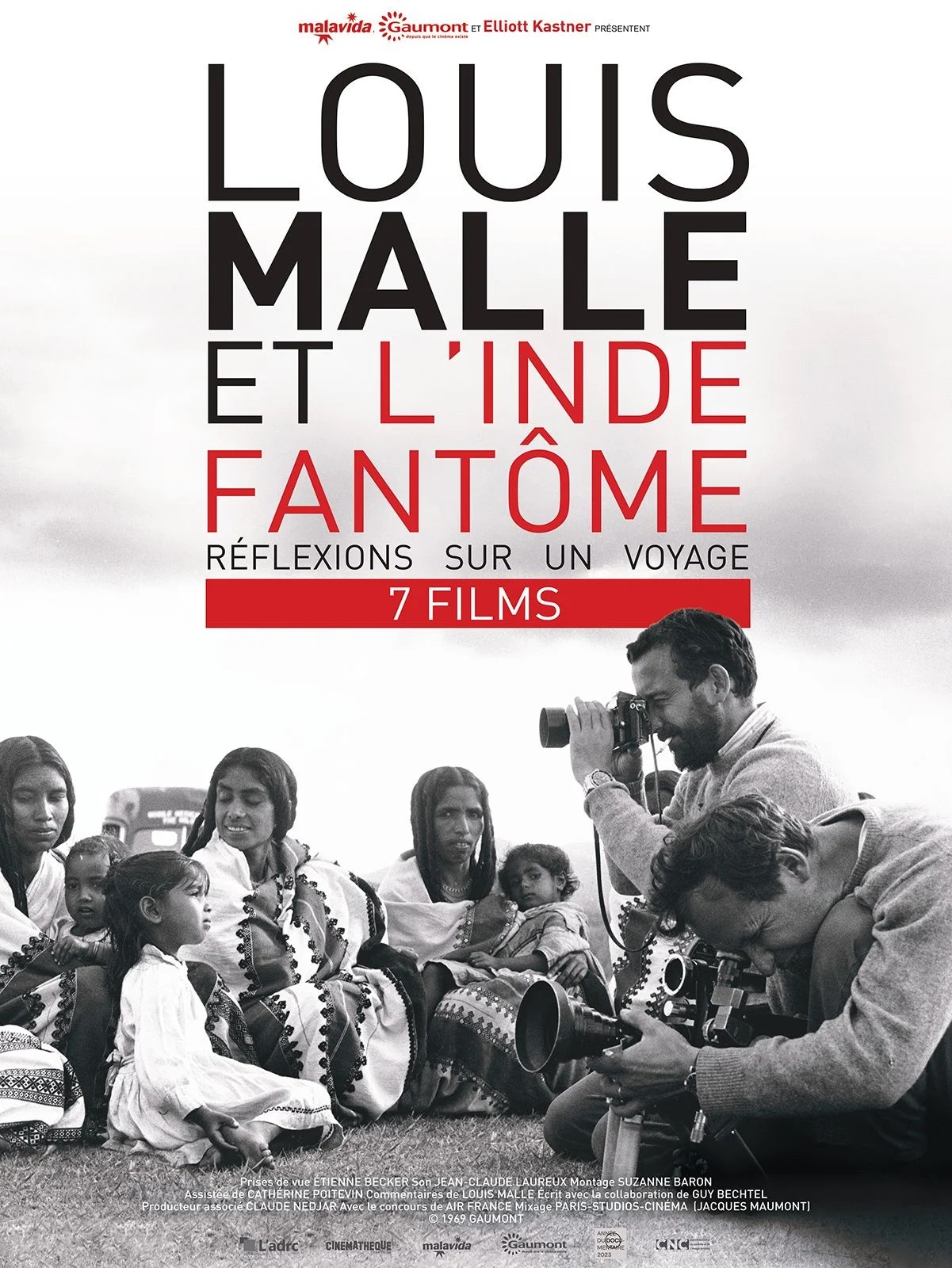
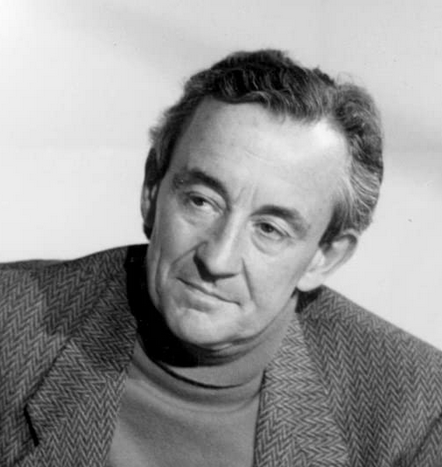
Louis Malle
Louis Malle was a French filmmaker. He made his debut during the rise of the French New Wave, a movement with which he initially shared several characteristics before charting his own course. He directed his first feature film, Elevator to the Gallows (Ascenseur pour l’échafaud, 1958), at the age of 25. Starring Jeanne Moreau and Maurice Ronet, the film draws on film noir conventions while challenging the dramaturgy of classical cinema. With films like The Lovers (Les amants, 1958) and The Thief of Paris (Le voleur, 1967), he took aim at the bourgeoisie and the political elite, his favorite targets. Malle also directed various documentaries, including Phantom India (L’Inde fantôme : réflexions sur un voyage, 1969), a seven-part series. After the controversies surrounding Murmur of the Heart (Le souffle au cœur, 1971) and Lacombe, Lucien (1974), he moved to the United States, where he directed several films before returning to France. He then achieved the crowning moment of his career with Au revoir les enfants (1987). Marked by the fluidity of its narrative and the sobriety of its direction, this film is widely considered the most moving and personal of his career. It received critical and public acclaim, as well as numerous awards, including Venice's Golden Lion, the Louis Delluc Prize, and seven César Awards, among them Best Film and Best Director. Malle later confided that it was this tragic story that had first drawn him to cinema.