Phantom of the Paradise
Our summer cycle will be festive or not. Sound and image, song and dance, instrument and breathing, strings and gestures: so many possible combinations to express what cinema and music can achieve and express together. Musicals, concert films, catchy music. Jazz, classical, contemporary, disco, punk... Revolt and enchantment, distress and emphasis, joy and rhythm, melancholy and bass, laughter and stridency: diverse expressions characterizing cinema and music's historical alliance, will definitely make us fly, dream, dance!
From the 30's to the present day and across all possible genres, this cycle aims to open our minds at a time when we most need it. The first week of July will be an eventful one, as the cycle will open with several evenings in cabaret mode, where we will present for the first time concert films produced in Quebec during the confinement, with the participation of major artists of the current music scene: Klô Pelgag, Marie Davidson and Godspeed You! Black Emperor.
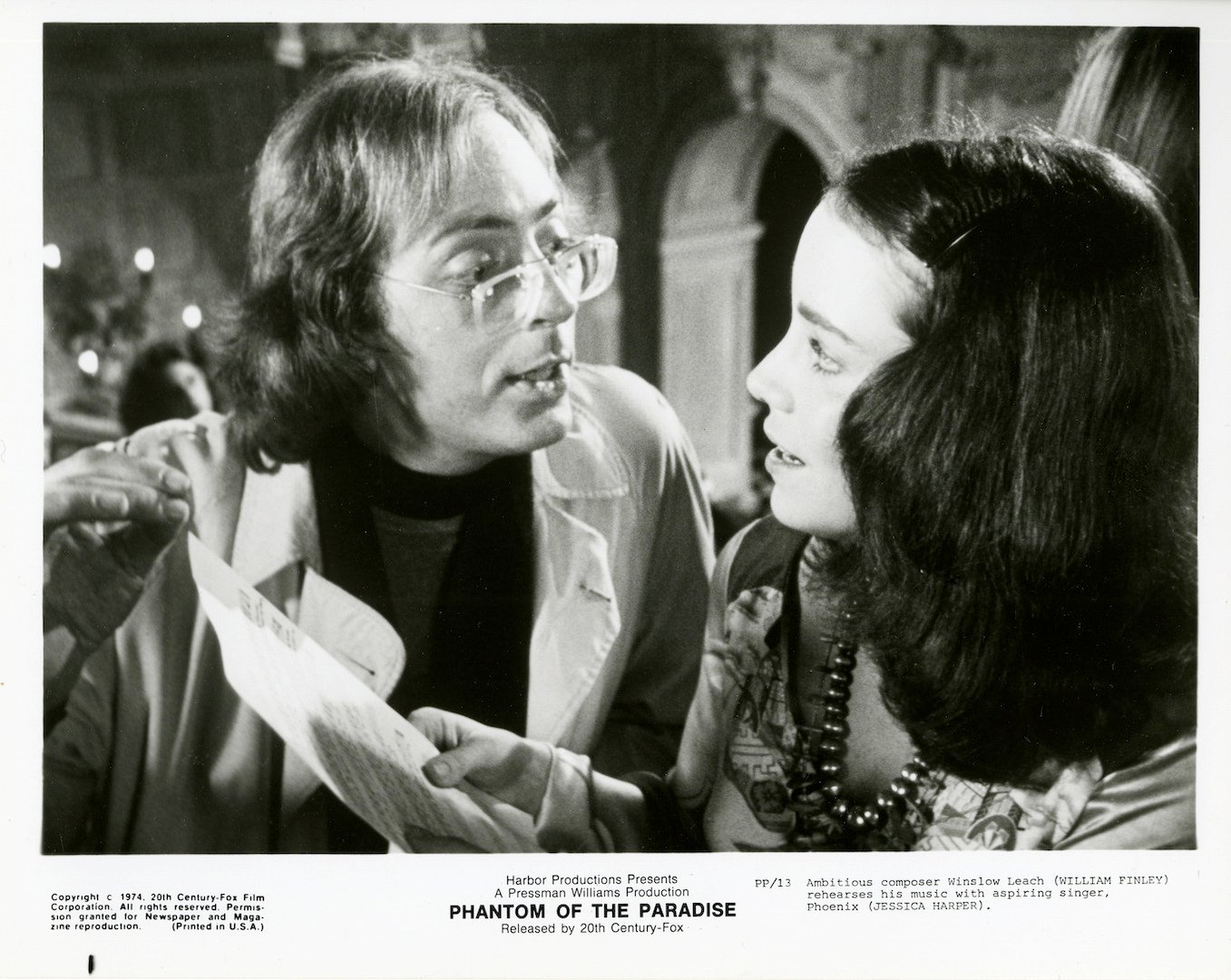
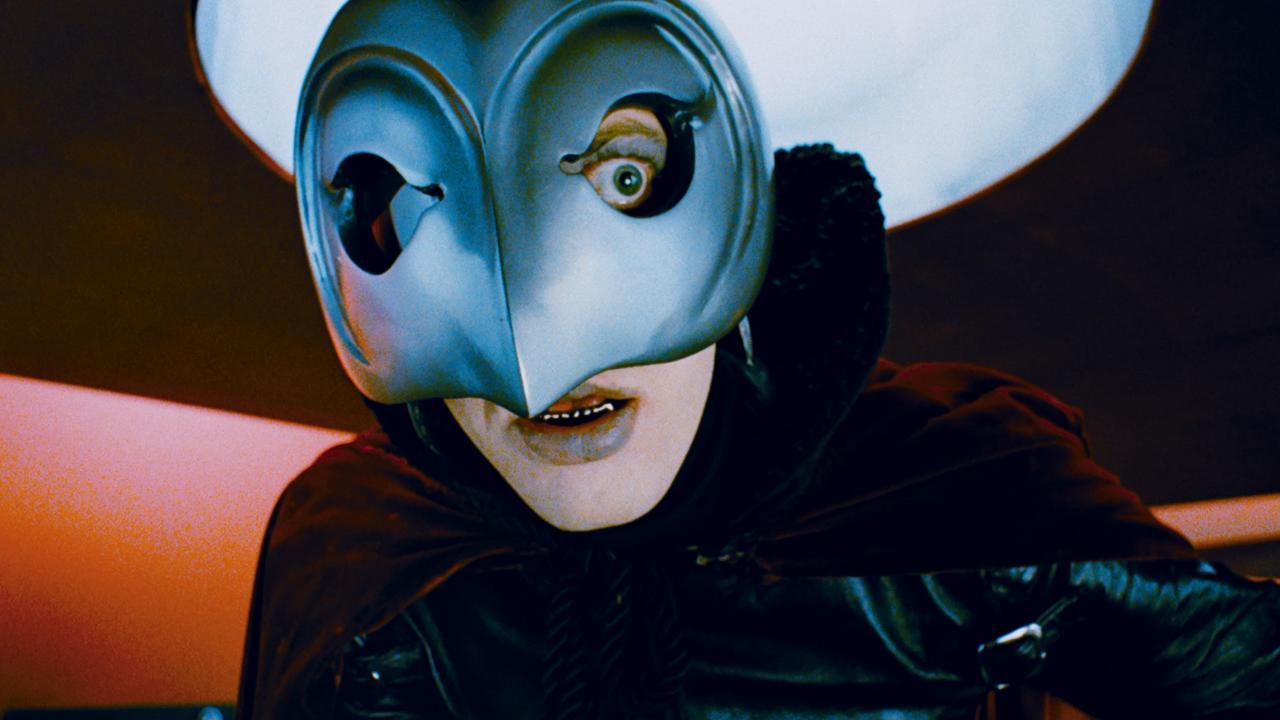
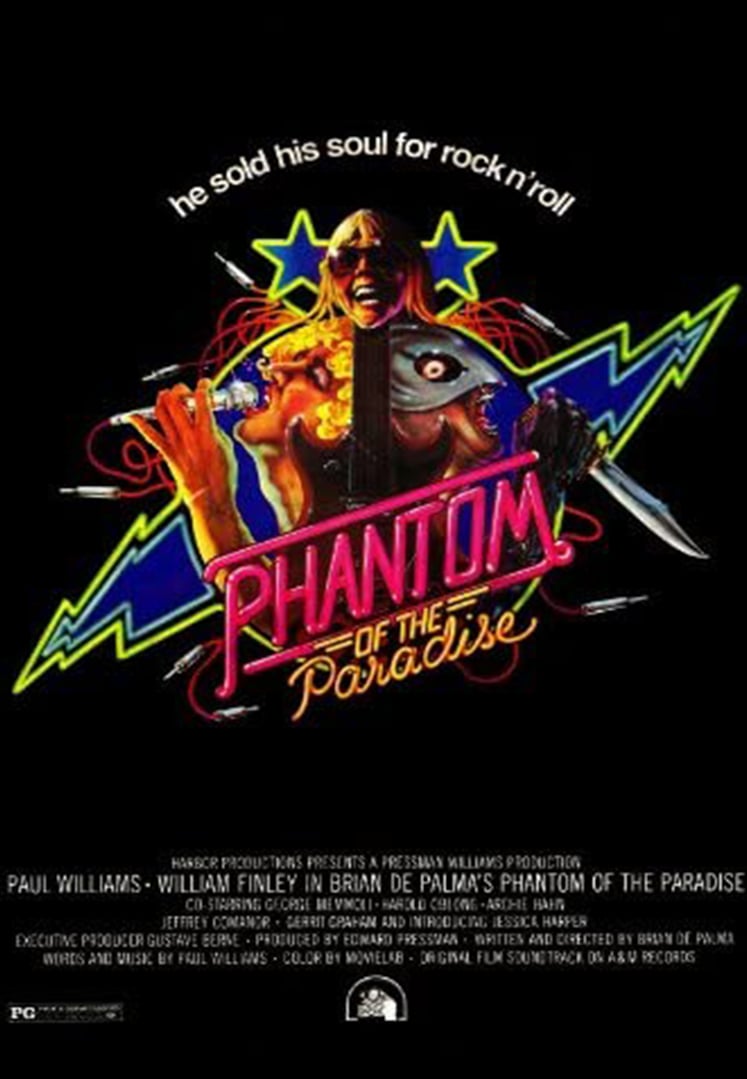
Directed by Brian De Palma, Phantom of the Paradise satirizes both horror films and rock groups in the story of a composer of a rock cantata on the theme of Faust, who sells his soul for rock'n'roll. Oscar-winner Paul Williams stars and composed the superb rock musical score.
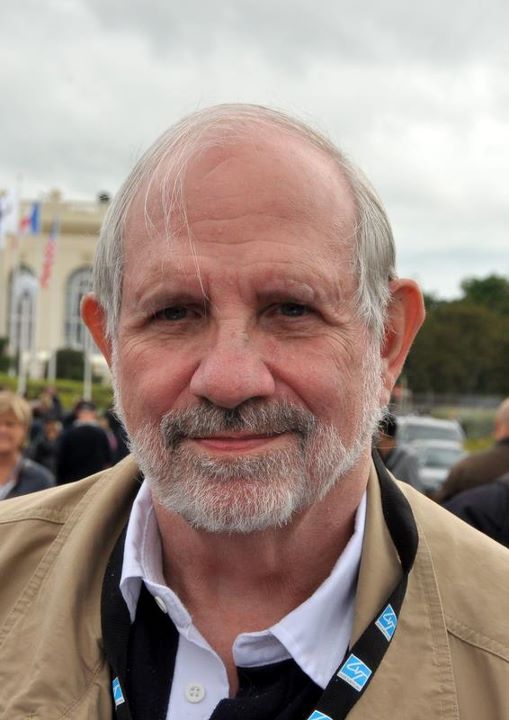
Brian De Palma
Brian De Palma is an American filmmaker, producer, and screenwriter. A major figure of the New Hollywood generation, he is best known for work in the suspense, crime, and psychological thriller genres in a career spanning more than five decades. He directed his first feature film, The Wedding Party (1969), with one of his professors and a fellow student, before making several independent films. Thanks to the success of Greetings (1968), he started to work for major Hollywood studios. He achieved his first commercial successes with Phantom of the Paradise (1974), Carrie (1976), and Dressed to Kill (1980). In the 1980s, Scarface (1983) and The Untouchables (1987) became massive hits. Mission: Impossible (1996) further solidified his influence within the Hollywood industry. Stylistically, while his early films relied heavily on improvisation, his early Hollywood period was marked by the influence of Alfred Hitchcock. De Palma is also known for his frequent use of the long takes.