Point Blank
Action! If there’s one word associated with cinema, the tension of movie sets, and the focus of attention, it’s this one. Action is very often at the heart of popular cinema: Harold Lloyd hanging from the clock hands in Safety Last! (1923), Cary Grant threatened and strafed by a plane in North by Northwest (1959), Franka Potente gasping for air in Run Lola Run (1998)... Westerns, swashbuckler films, martial arts or adventure flicks, thrillers, all these genres rely on action—sometimes frenetic, sometimes meticulously measured.
From movies by Sergei Eisenstein to Gilles Carle, from John Ford to John Boorman and Werner Herzog, via Paul Verhoeven, Kathryn Bigelow, Park Chan-wook, Érik Canuel, and Nicolas Winding Refn, this series will take you through the full range of emotions, from laughter to thrills, from fear to satisfaction.
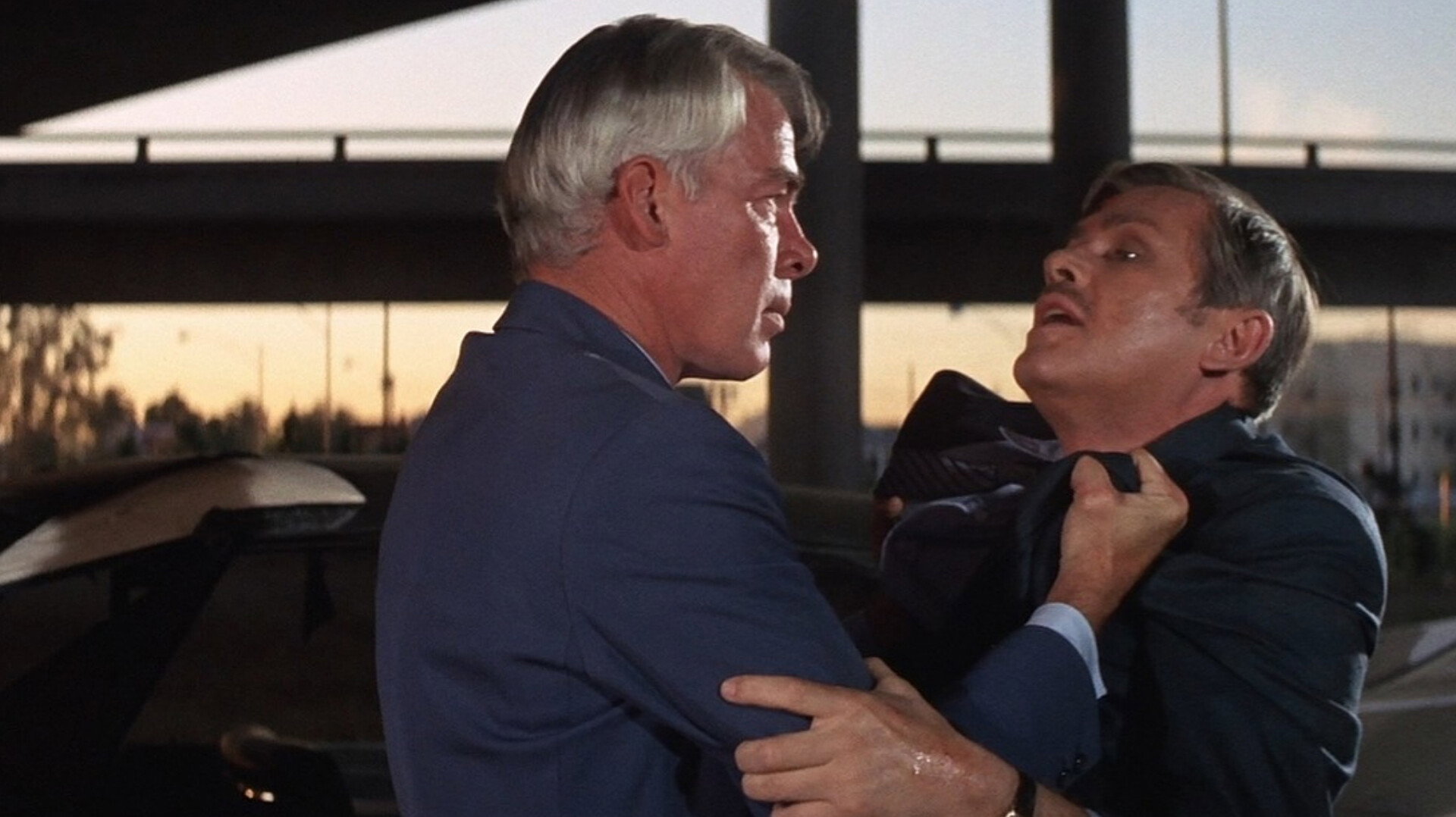
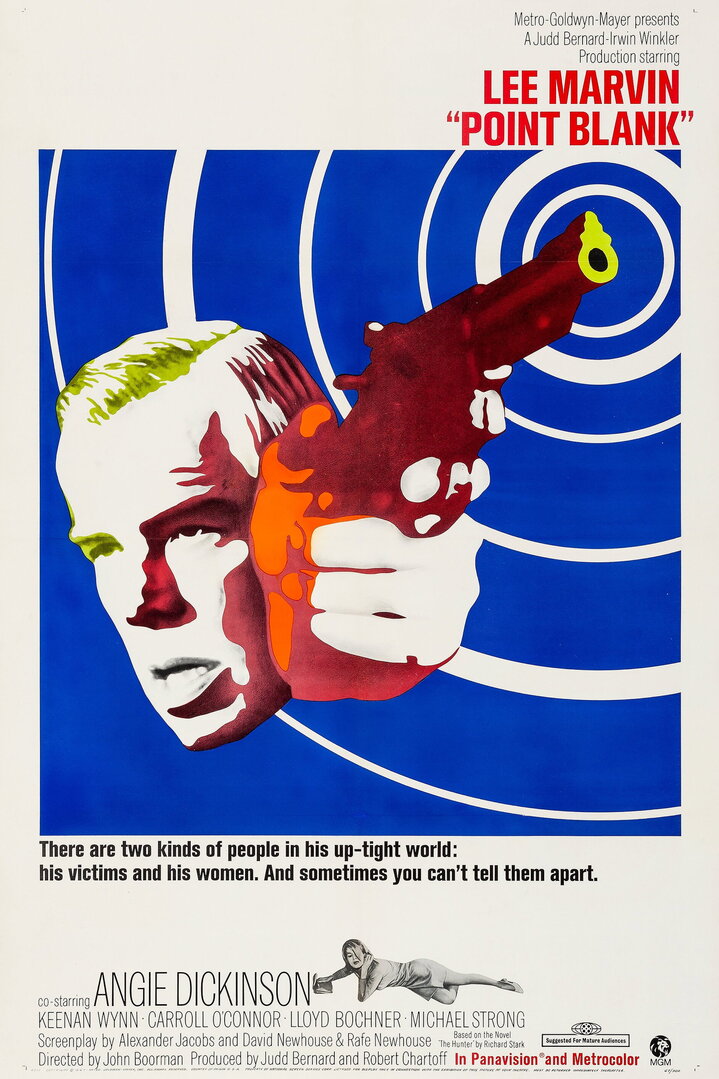
During a heist at the abandoned Alcatraz prison, Walker is betrayed by his accomplice Reese, who shoots him before fleeing with $93,000 in loot and the poor man’s wife, leaving him for dead. But he survives and sets out to seek revenge.
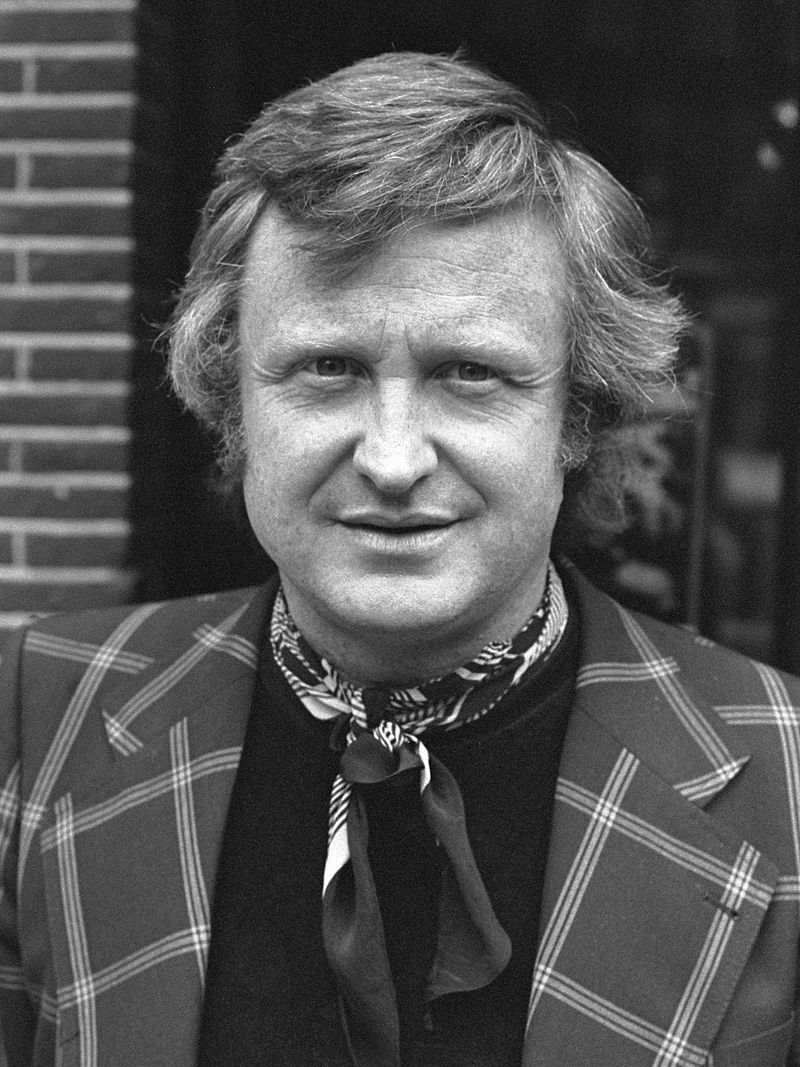
John Boorman
John Boorman is a British director, producer, screenwriter, and actor. His youth was marked by the bombings of World War II, an ordeal he later recounted in his film Hope and Glory (1987), which earned him three Academy Awards nominations, including Best Picture. His first feature film, Catch Us If You Can (1968), was a success that allowed him to go to the United States to make two films that subsequently gave him international recognition: Point Blank (1967) and Hell in the Pacific (1968). In 1970, with the dramatic comedy Leo the Last, he won the award for Best Director at the Cannes Film Festival. His next film, Deliverance (1972), also received two Academy Awards nominations. Boorman then ventured into science fiction with Zardoz, starring Sean Connery, a futuristic variation on the theme of The Wizard of Oz, for which he also wrote the screenplay. These films cemented his reputation as a great director, developing a personal, violent, and pessimistic cinema that, from fantasy to science fiction to realism, depicted a godless world where man, condemned to wander, is constantly confronted with evil. He continued to direct until 2014 with Queen and Country, the sequel to Hope and Glory, once again drawing inspiration from his youth.
.jpg)