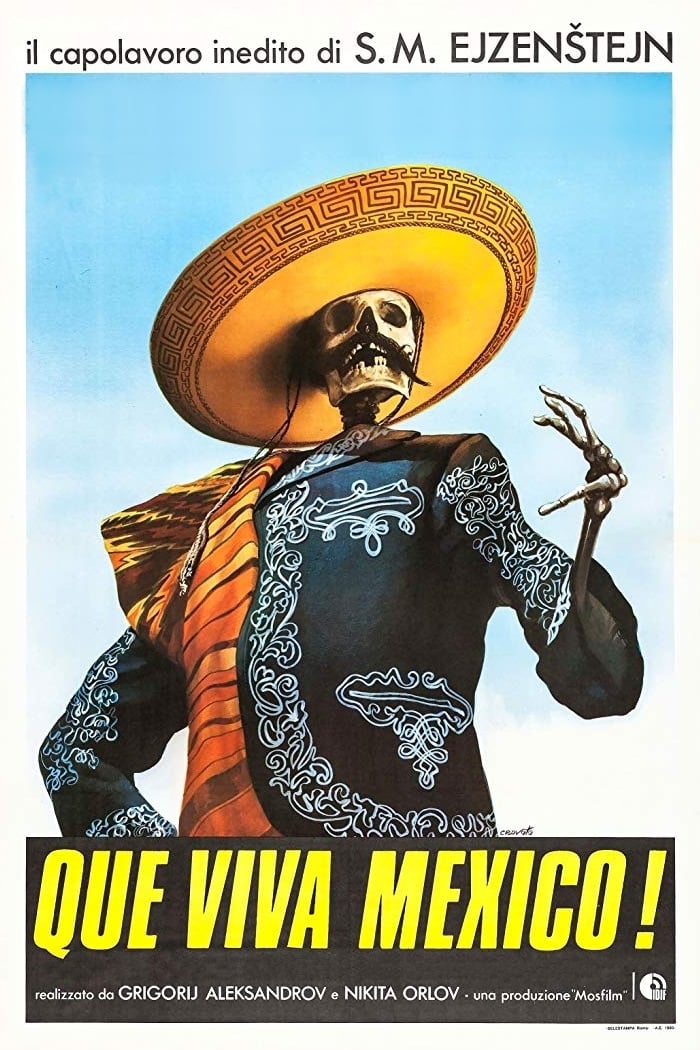
¡Que viva México!
This end-of-year cycle invites audiences to discover select 35mm prints from in our collection, creating dynamic contrasts in eras, styles, and cultures from one film to the next.
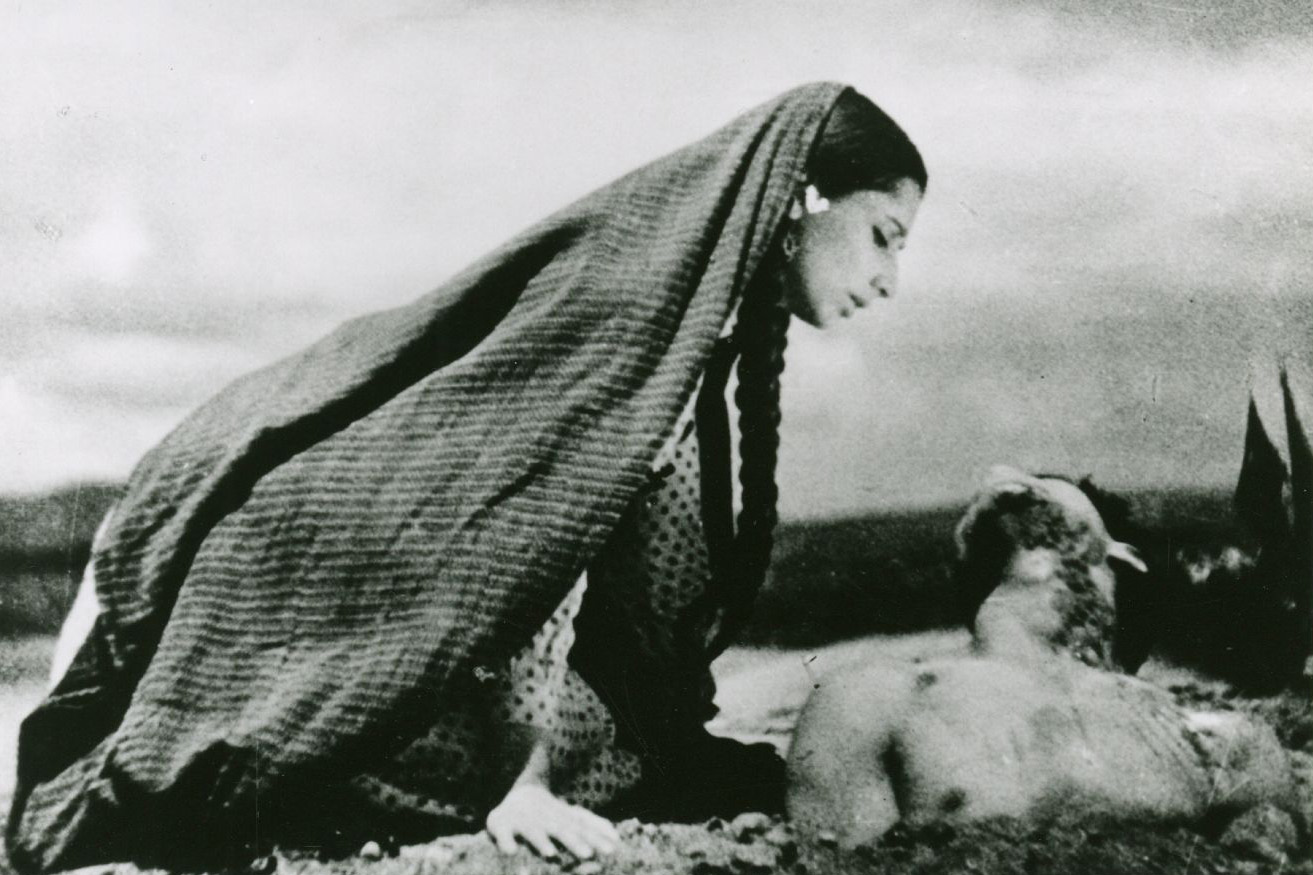
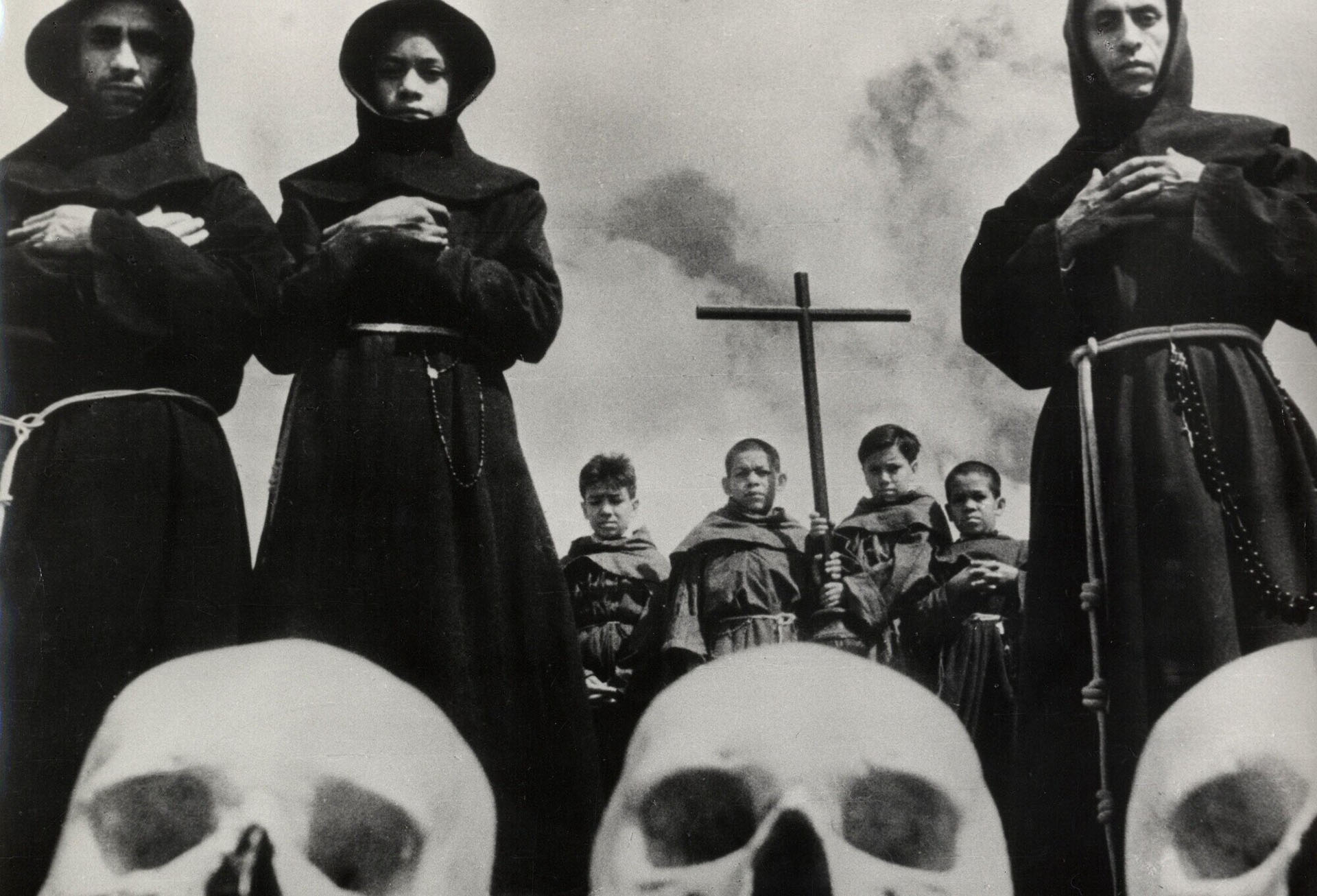
A four-scene historical fresco about Mexico, documenting the country's history and culture. A film reconstructed by Grigori Aleksandrov in 1979 from rushes shot by Sergei Eisenstein in 1931.
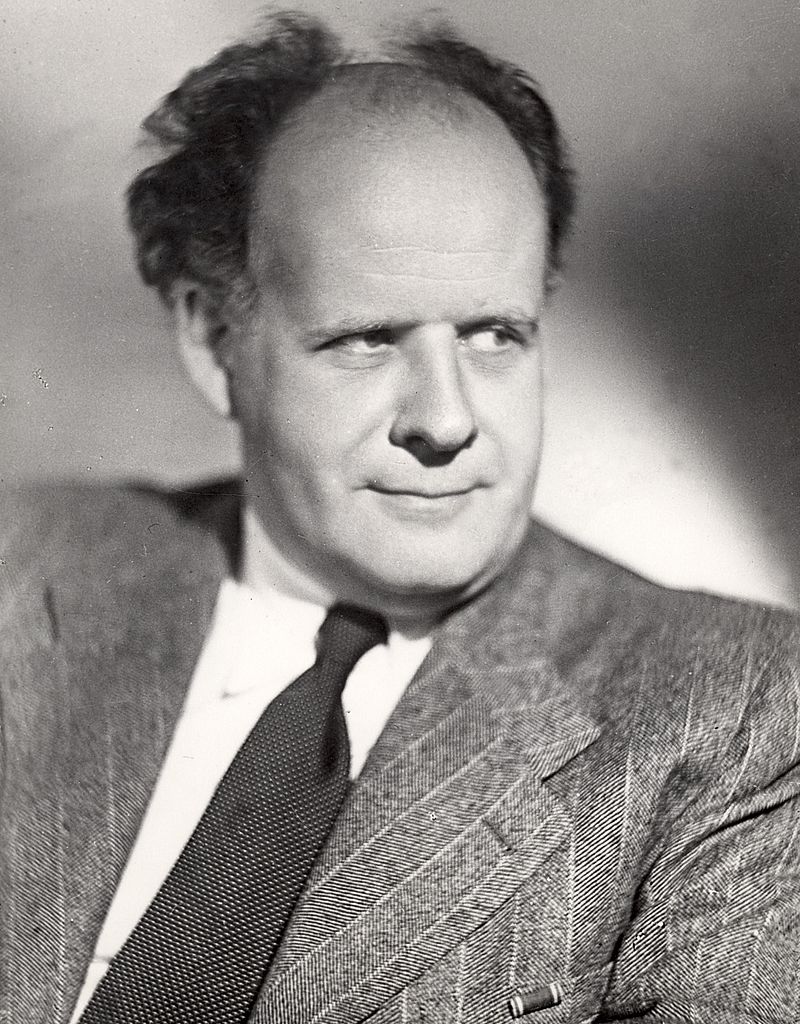
Sergei Eisenstein
Born in Riga in 1898, Sergei Eisenstein initially trained in theater before turning his focus to cinema. He gravitated toward the "historical-revolutionary" genre, with his first two feature films, Strike (1924) and Battleship Potemkin (1925), illustrating the rise of Soviet socialism while defying the conventions of Hollywood classicism. In his films, the hero was not an individual but the collective masses. Considered masterpieces of cinematic avant-garde, his films brought his theoretical writings on "montage of attractions" to life. In 1930, he traveled to Mexico to work on ¡Que viva México! (1933), a project that remained unfinished. Upon his return to the USSR, he directed Alexander Nevsky (1938) and Ivan the Terrible (1941-1946), a trilogy commissioned by Stalin, although the second part was banned, and the third was destroyed.