Scattered Clouds
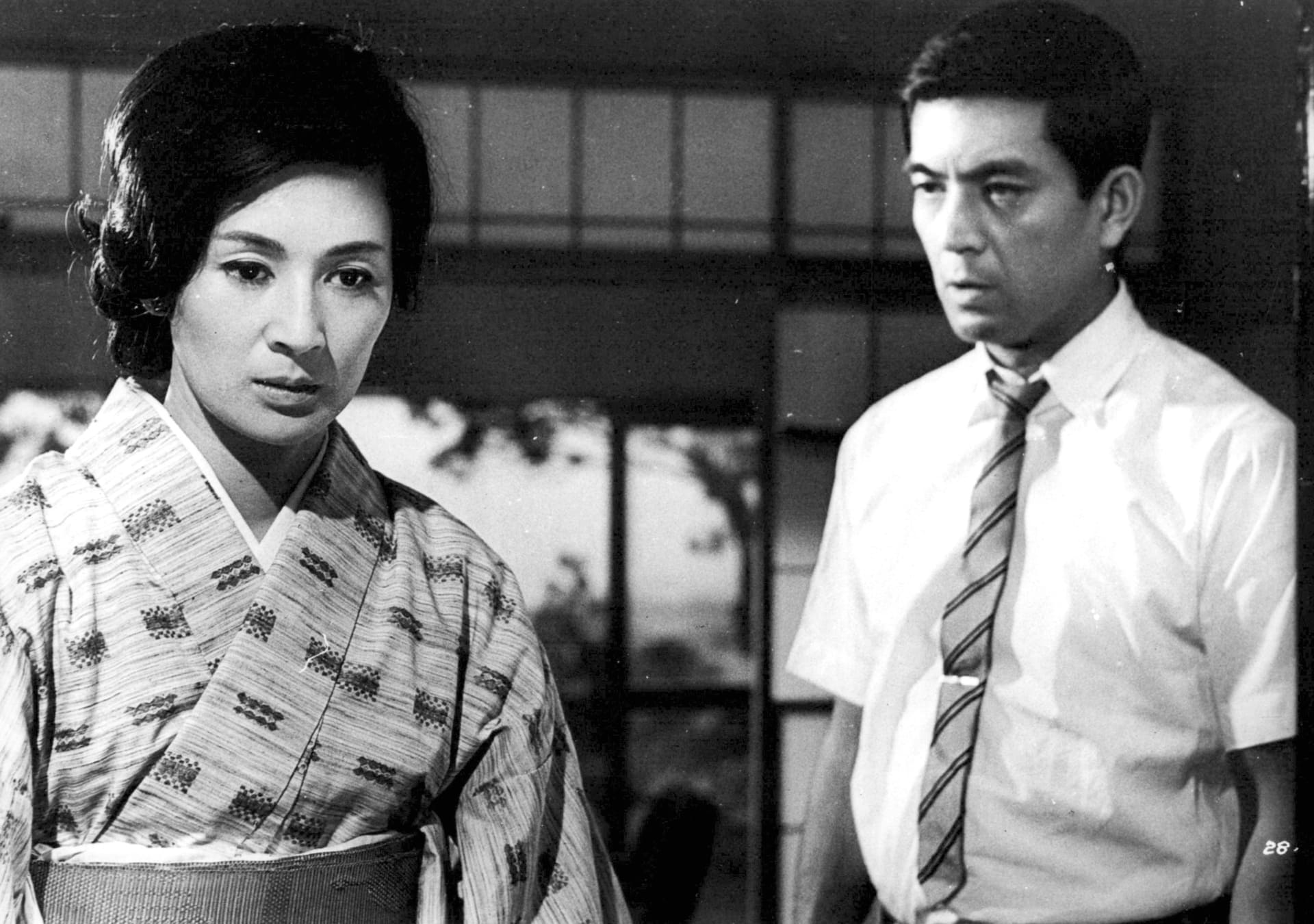
A prolific filmmaker who got his start in the silent film era, Mikio Naruse eventually became one of the biggest names of the second golden age of Japanese cinema in the '50s and '60s, alongside Mizoguchi, Kurosawa, and Ozu. With a style that combines formal restraint and dramatic intensity, his cinema is celebrated for its powerful portraits of women. This program, which brings together six 35 mm prints, courtesy of the Japan Foundation, offers a rare opportunity to immerse yourself in this remarkable body of work on the big screen.
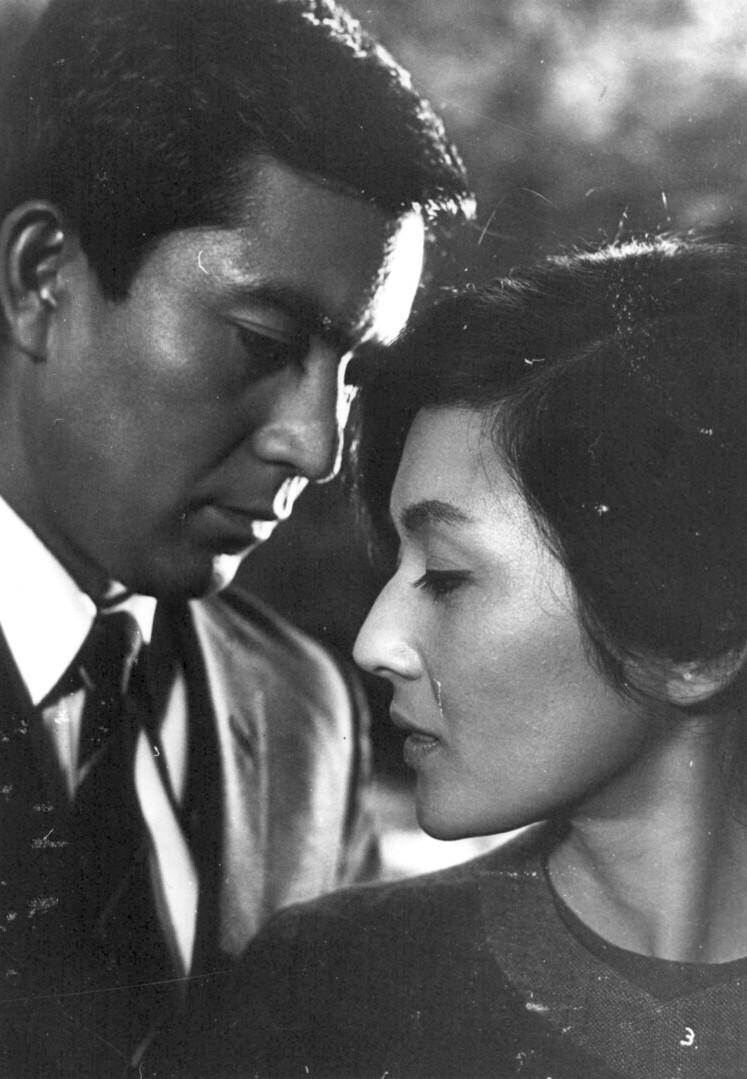
A couple at the table by the window look happier than anybody else in the restaurant. Hiroshi Eda, who works at a governmental office, has got a promotion and his wife, Yumiko, has been pregnant. Their happiness seems to last forever, but actually it ends that afternoon with a traffic accident that kills the husband. Shiro Mishima, the young man who has caused the accident, is a promising salaried-man of the Pacific Trading Company. He happens to meet Yumiko in the restaurant where she has last seen her husband alive. Shiro promises to give her fifteen thousand yen every month for compensation. (The Japan Foundation)
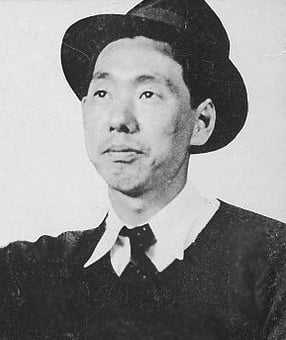
Mikio Naruse
Mikio Naruse was a Japanese filmmaker who directed close to 90 films spanning the period 1930 to 1967. He is known for imbuing his films with a bleak and pessimistic outlook. He made primarily shōshimin-eiga ("common people drama") films with female protagonists, portrayed by actresses such as Hideko Takamine, Kinuyo Tanaka, and Setsuko Hara. Because of his focus on family drama and the intersection of traditional and modern Japanese culture, his films have been compared with the works of Yasujirō Ozu. Many of his films in his later career were adaptations of the works of acknowledged Japanese writers. Titled a "major figure of Japan's golden age" and "supremely intelligent dramatist", he remains lesser known than his contemporaries Akira Kurosawa, Kenji Mizoguchi, and Ozu. Among his most noted films are Sound of the Mountain (1954), Late Chrysanthemums (1954), Floating Clouds (1955), Flowing (1956) and When A Woman Ascends The Stairs (1960).
Explore
On our blog
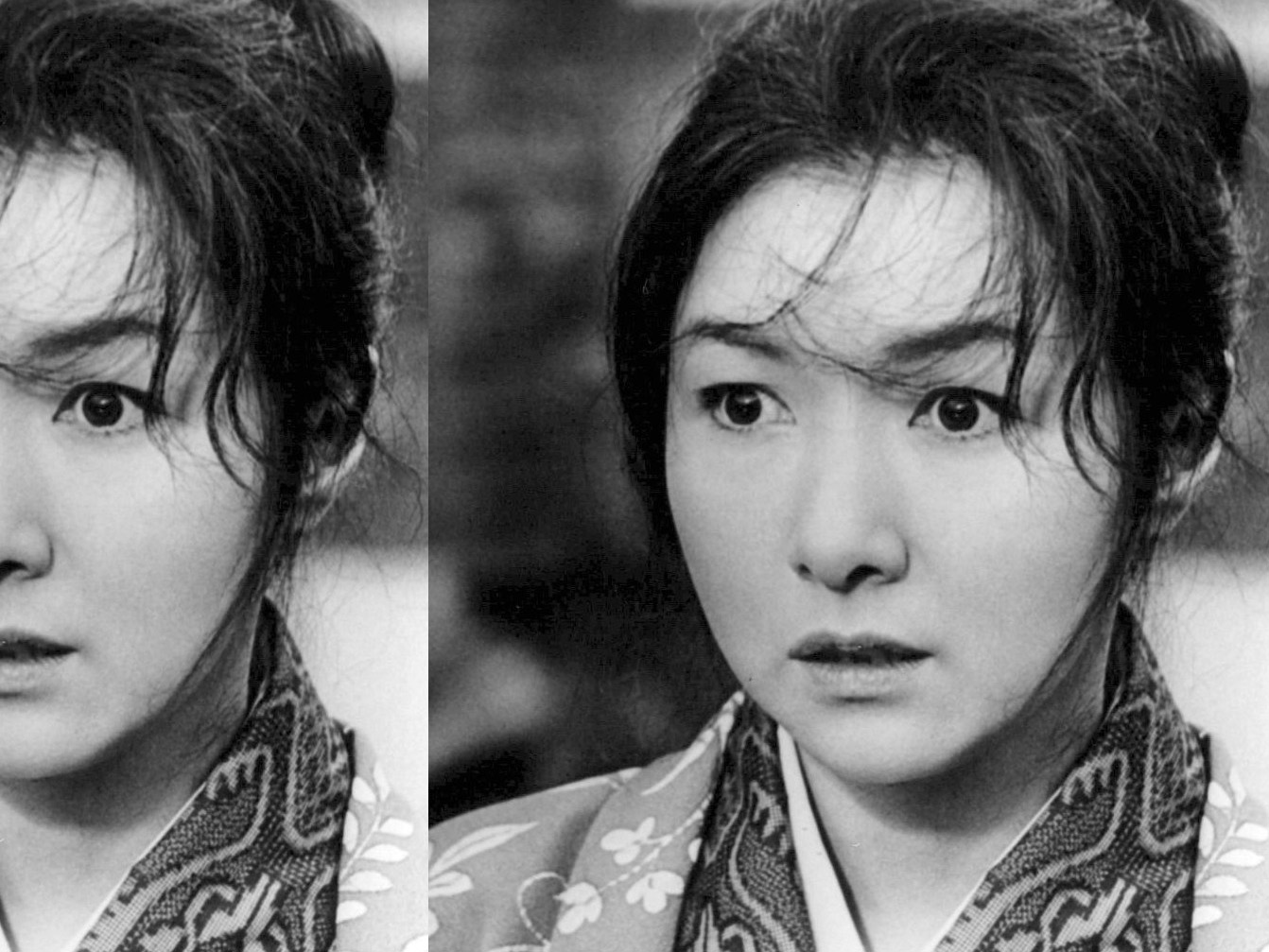
Mikio Naruse, filmer les ombres
La Japan Foundation organise une tournée nous offrant l’occasion de redécouvrir, en 35mm, six magnifiques films de la période tardive de Mikio Naruse. Ces œuvres témoignent de l'œil du cinéaste dans un Japon en mutation, de sa sensibilité pour les personnages féminins et d’une maîtrise formelle au sommet de sa maturité. Auteur très prolifique, il a signé près de 90 films des années 1930 aux années 1960. Il est aujourd’hui considéré comme l’un des grands noms du second âge d’or du cinéma japonais.
Presented in collaboration with