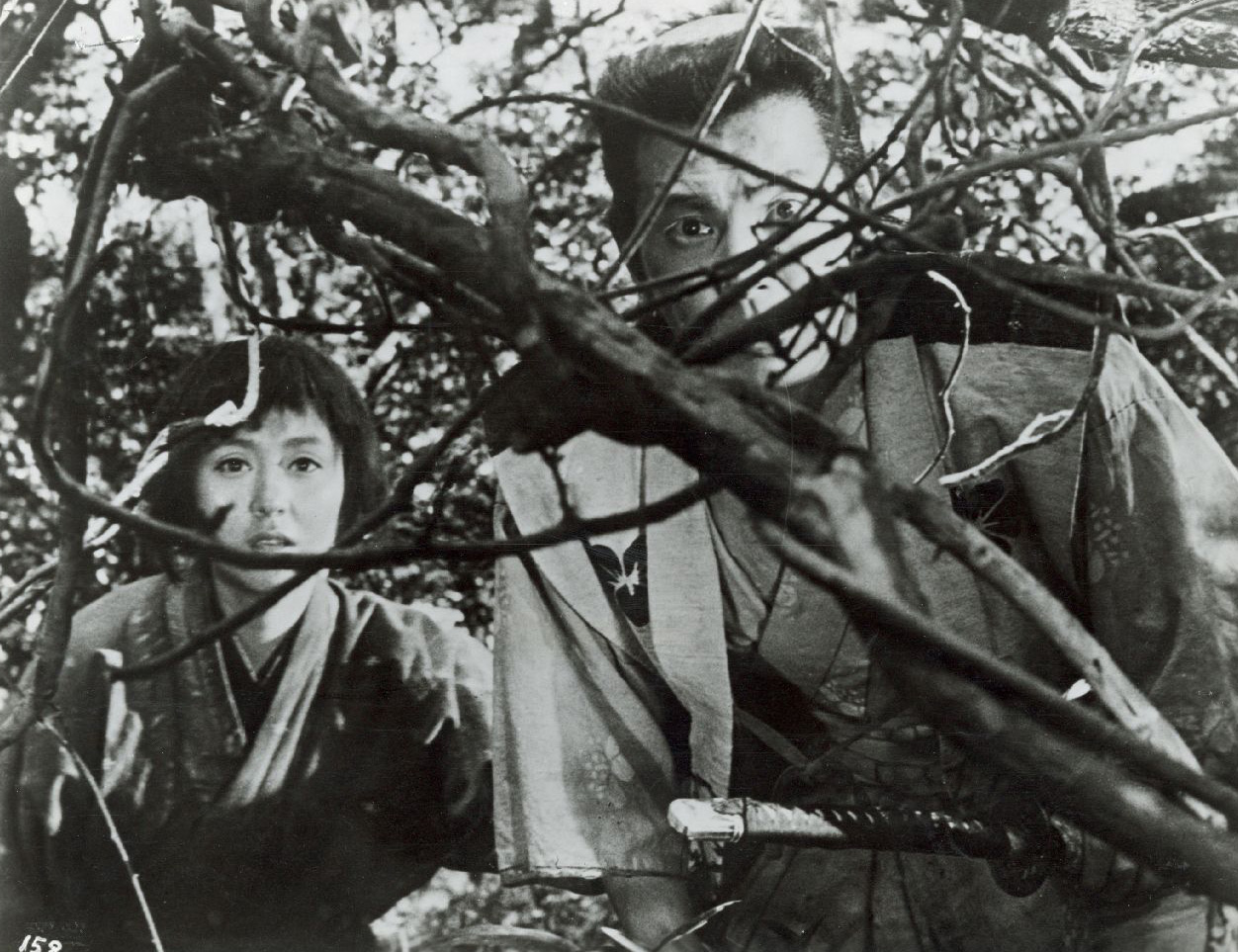
Seven Samurai
Action! If there’s one word associated with cinema, the tension of movie sets, and the focus of attention, it’s this one. Action is very often at the heart of popular cinema: Harold Lloyd hanging from the clock hands in Safety Last! (1923), Cary Grant threatened and strafed by a plane in North by Northwest (1959), Franka Potente gasping for air in Run Lola Run (1998)... Westerns, swashbuckler films, martial arts or adventure flicks, thrillers, all these genres rely on action—sometimes frenetic, sometimes meticulously measured.
From movies by Sergei Eisenstein to Gilles Carle, from John Ford to John Boorman and Werner Herzog, via Paul Verhoeven, Kathryn Bigelow, Park Chan-wook, Érik Canuel, and Nicolas Winding Refn, this series will take you through the full range of emotions, from laughter to thrills, from fear to satisfaction.
Winner of the Silver Lion, 1954 Venice International Film Festival
10-minute intermission
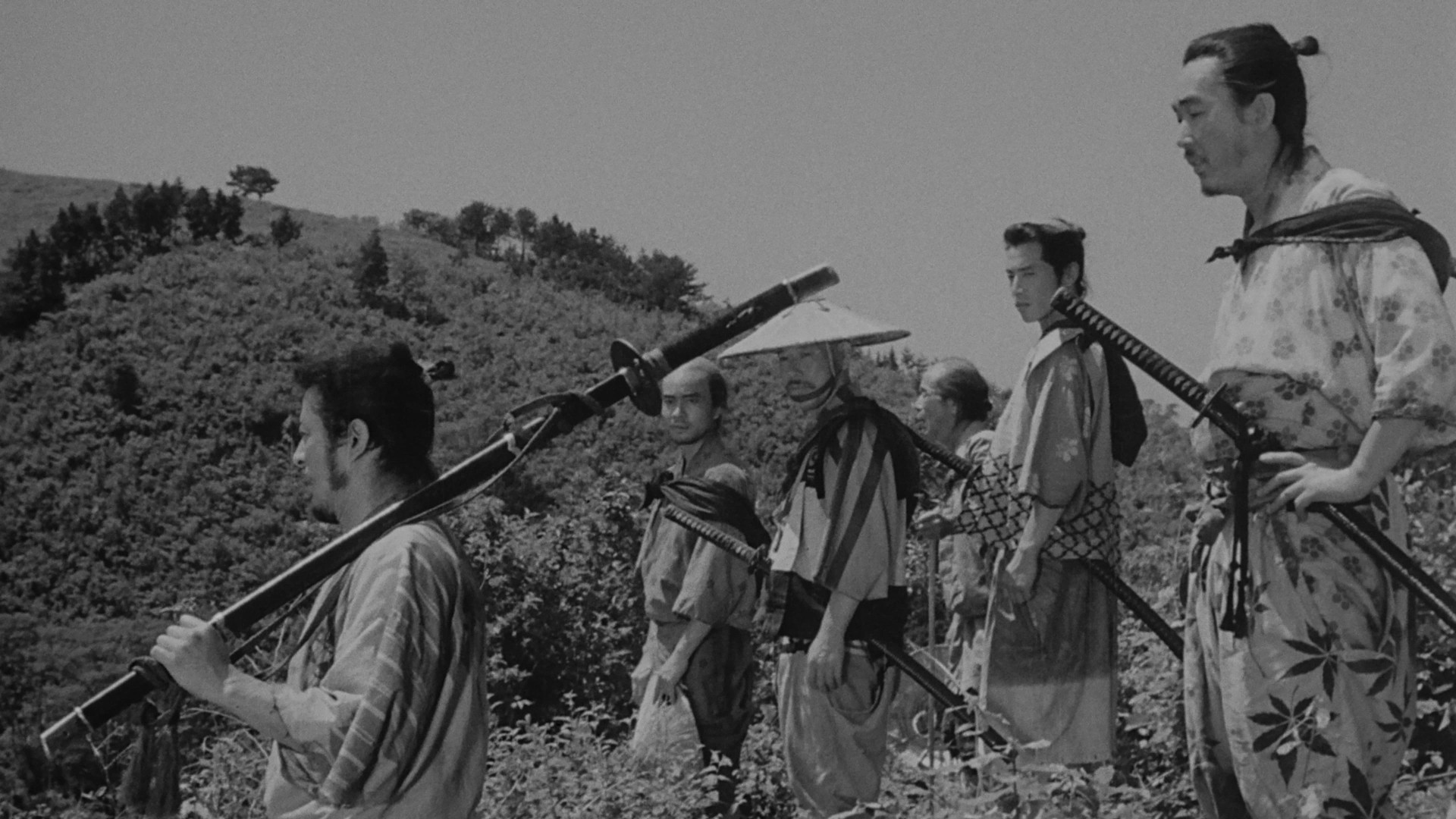
In a Japanese village in the 15th century, seven altruistic samurai put their courage and knowledge at the disposal of peasants whose crops are threatened by thieves who raid the region. The pinnacle of Kurosawa's cinema.

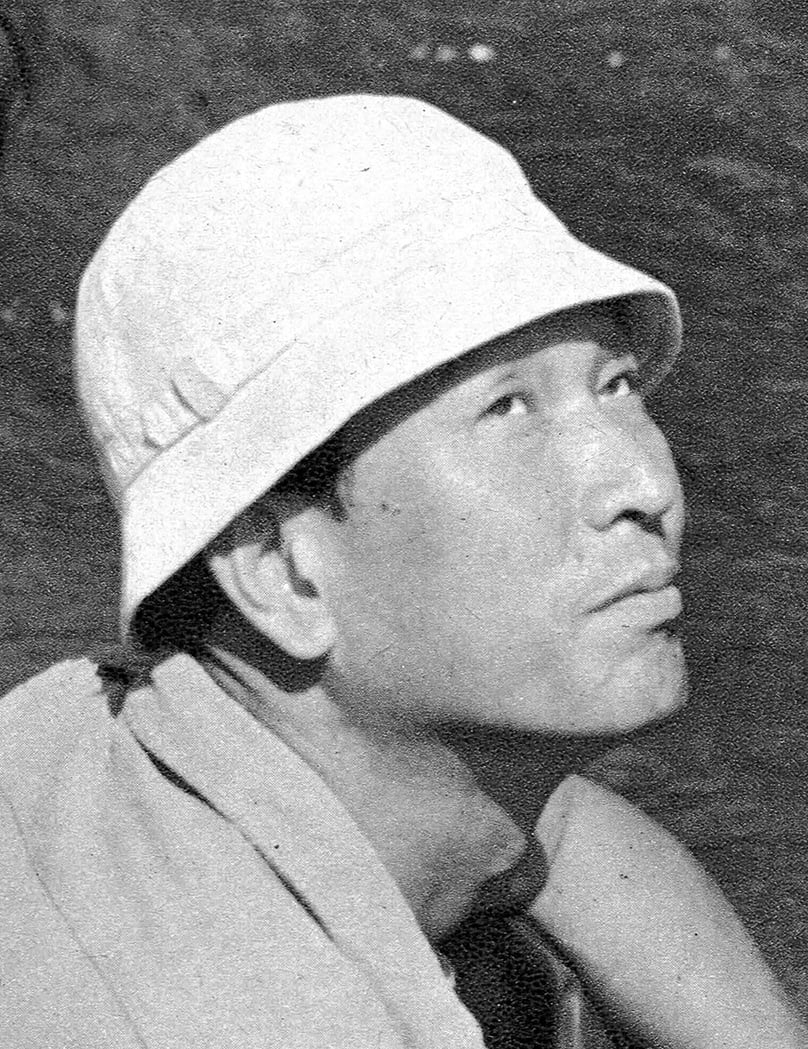
Akira Kurosawa
Akira Kurosawa was a Japanese filmmaker who directed 30 feature films in a career spanning six decades. With a bold and dynamic style strongly influenced by Western cinema yet distinct from it, he is widely regarded as one of the greatest and most influential filmmakers in the history of cinema. Known as a hands-on filmmaker, he was heavily involved with all aspects of production as a director, writer, producer, and editor. Following a brief stint as a painter, he entered the Japanese film industry in 1936. After years of working on numerous films as an assistant director and screenwriter, he made his directorial debut during World War II with the popular action film Sanshiro Sugata (1943). Following the war, he cemented his reputation as one of the most important young filmmakers in Japan with the critically acclaimed Drunken Angel (1948), in which he cast the then-unknown actor Toshirō Mifune in a starring role; the two men would then collaborate on 15 more films. Rashōmon (1950) became the surprise winner of the Golden Lion at the 1951 Venice Film Festival. The commercial and critical success of the film opened up Western film markets to Japanese films for the first time, which in turn led to international recognition for other Japanese filmmakers. Kurosawa directed approximately one film per year throughout the 1950s and early 1960s, including a number of highly regarded and often adapted films, including Ikiru (1952), Seven Samurai (1954), and Yojimbo (1961). He became much less prolific in the 1970s, but his later work — including Kagemusha (1980) and Ran (1985) — continued to receive critical acclaim. In 1990, Kurosawa accepted the Academy Award for Lifetime Achievement.