Spotlight on Arthur Lipsett
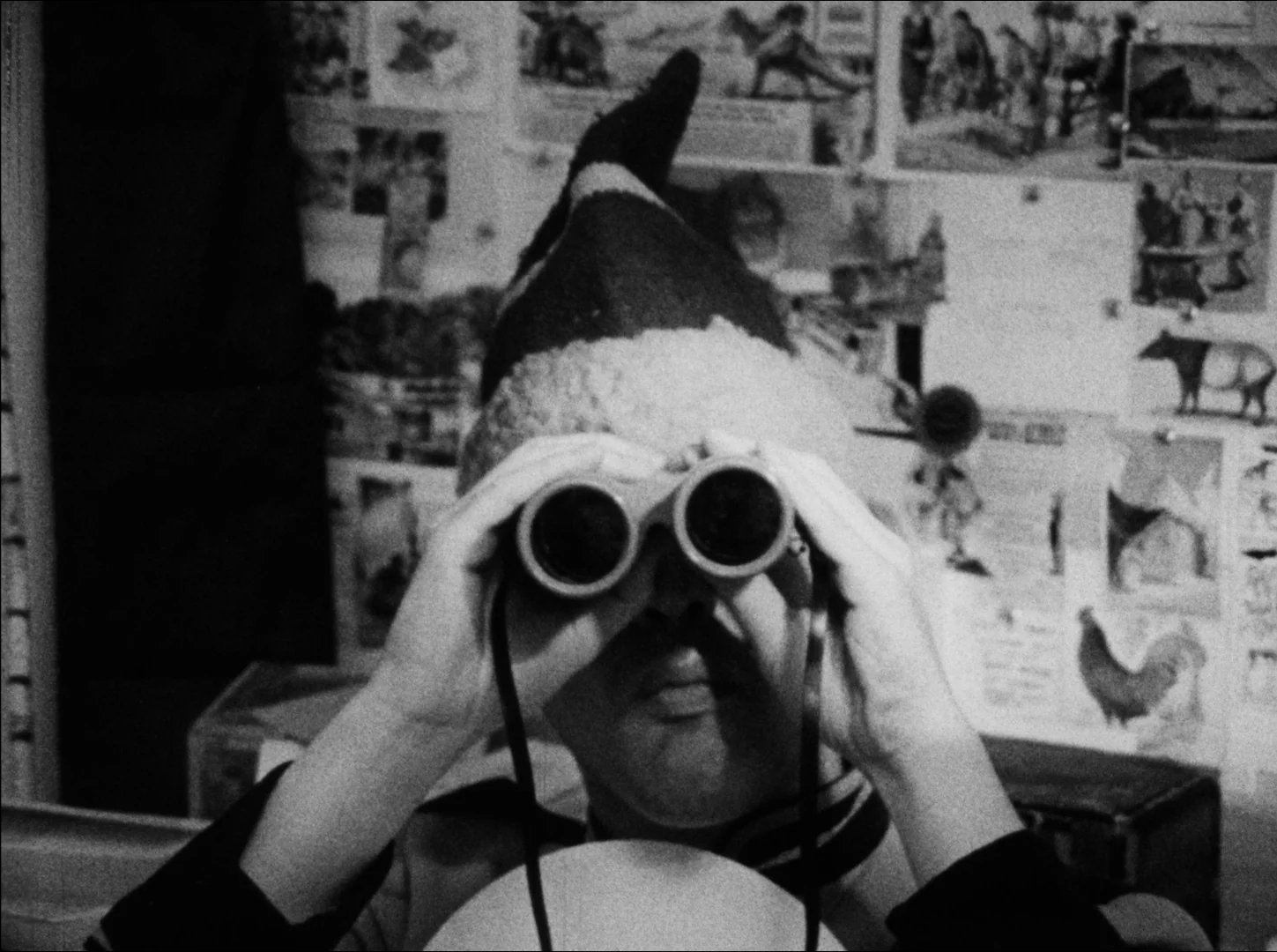
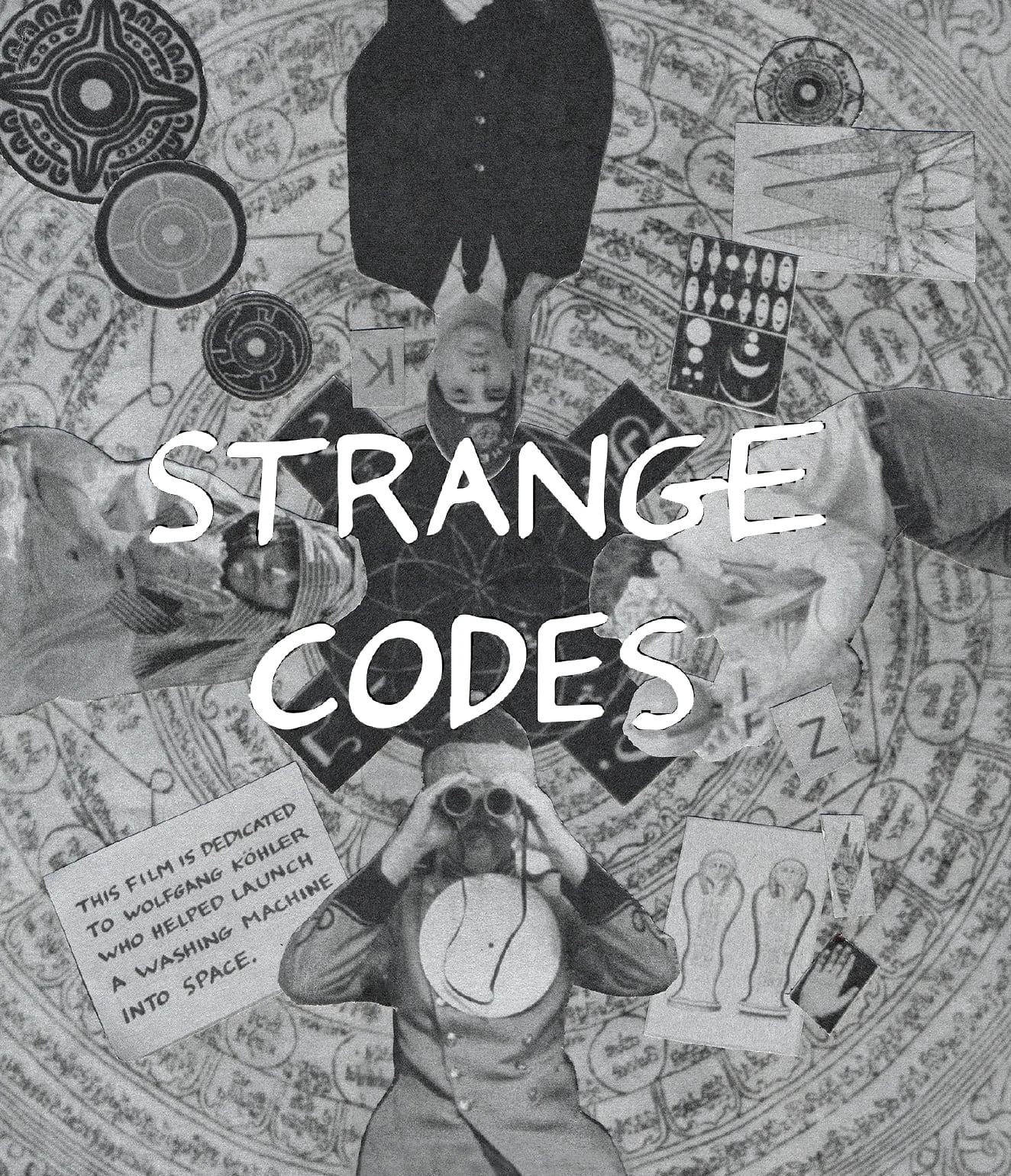
Filmmaker and archivist Stephen Broomer regularly carries out digital restorations of Canadian films, mostly experimental, through the distribution outlet Black Zero. He recently restored Arthur Lipsett's sole independent film (Strange Codes), which is also preserved at the Cinémathèque québécoise. We are taking full advantage of his presence to present a program entirely devoted to Lipsett, coinciding with the publication of a book about him. We will also be catching up on Stephen Broomer's experimental work as a filmmaker, by screening his recent film, Lulu Faustine.
Presented by Stephen Broomer
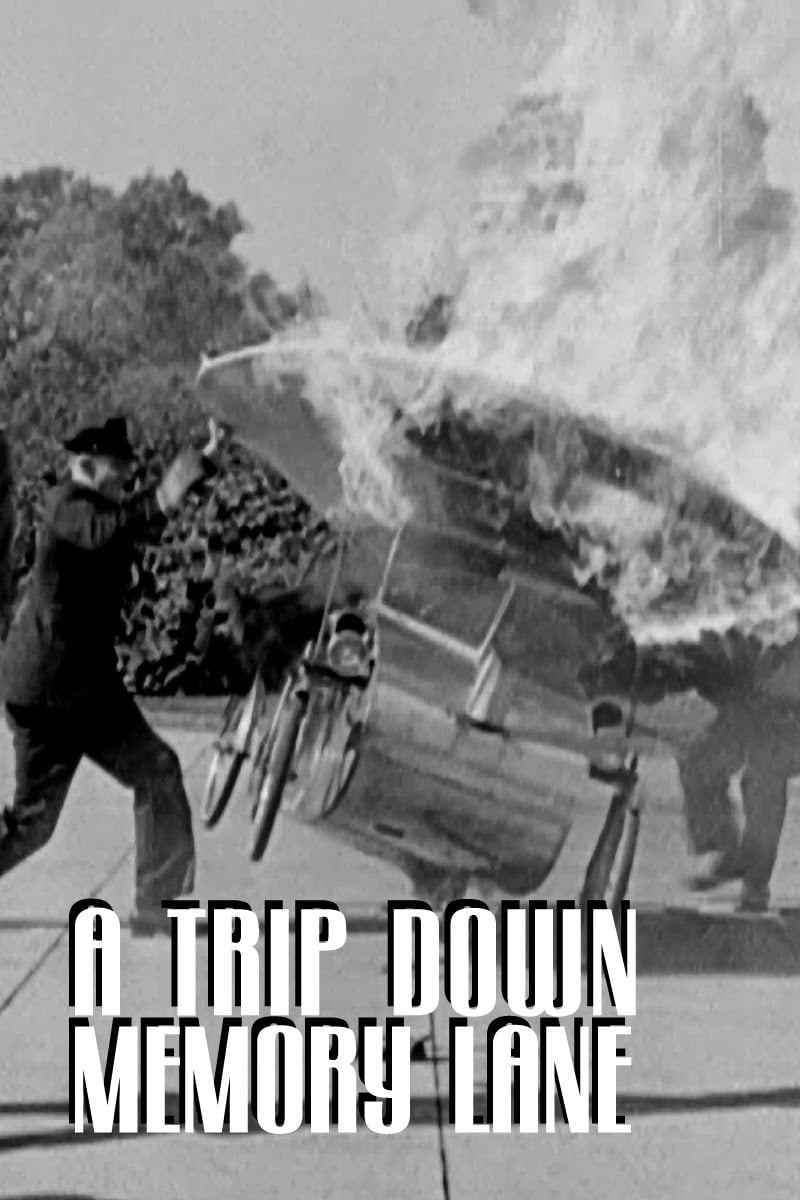
A Trip Down Memory Lane is a surrealist account of 50 years of newsreels made exclusively from footage found in the NFB's film bins. Lipsett's first collage film.
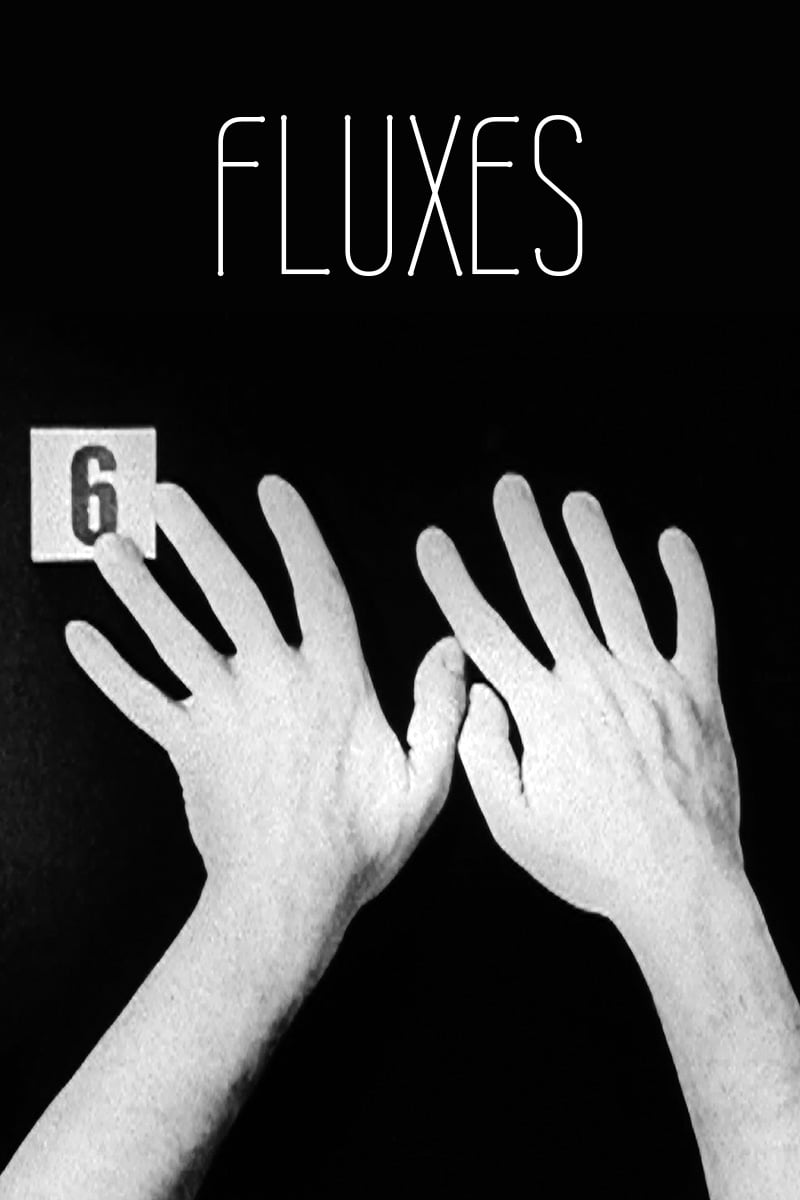
Lipsett completed Fluxes as institutional support from the NFB was coming to an end and his psychological issues were worsening. Unusually long and with a more scattered narrative, Fluxes is also the director's most bitter and pessimistic film.
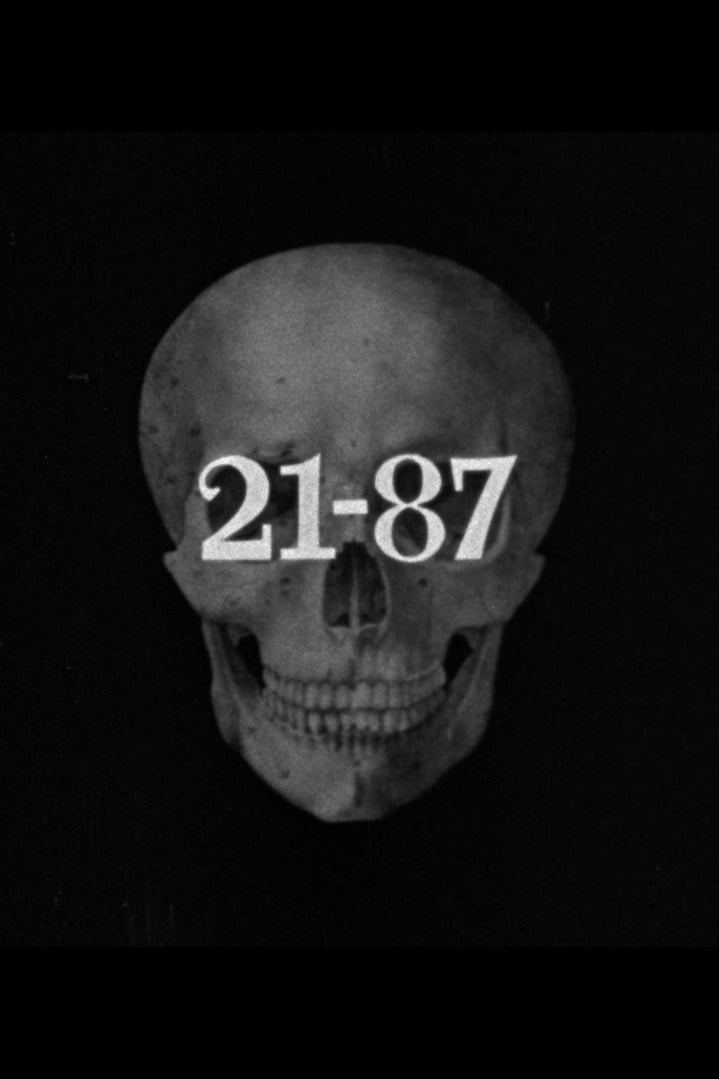
21-87 reflects the filmmaker's concerns about the dehumanization of civilization, thus anticipating his agoraphobia and withdrawal from public life. It was Lipsett's most successful film upon its release.
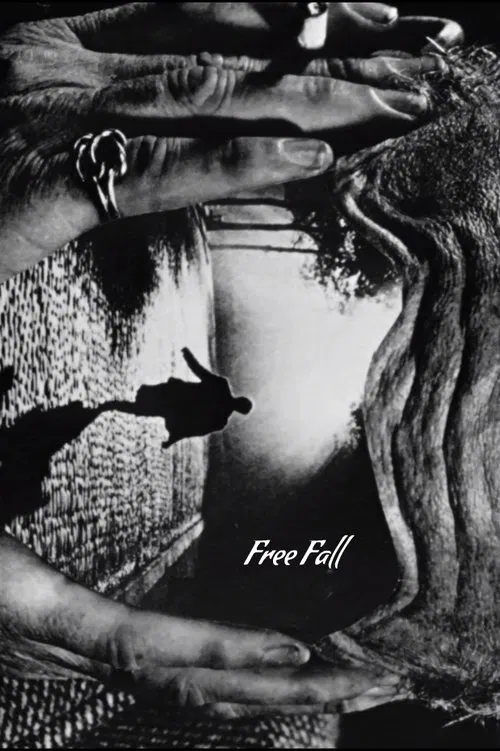
An experimental film from Arthur Lipsett, Free Fall is an assortment of film trimmings assembled to make a wry comment on humankind in today’s world. It evokes a surrealist dream of our fall from grace into banality.
The artist's apartment becomes the setting for an extravagant self-portrait filmed in live action. On the verge of hermeticism, Lipsett's latest work can be seen both as an enigma and, in the words of Christopher Nutter, Lipsett's collaborator, as an index of the content of all his other films.
Arthur Lipsett's first film is an avant-garde blend of photography and sound. It looks behind the business-as-usual face we put on life and shows anxieties we want to forget. It is made of dozens of pictures that seem familiar, with fragments of speech heard in passing and, between times, a voice saying: "very nice, very nice."
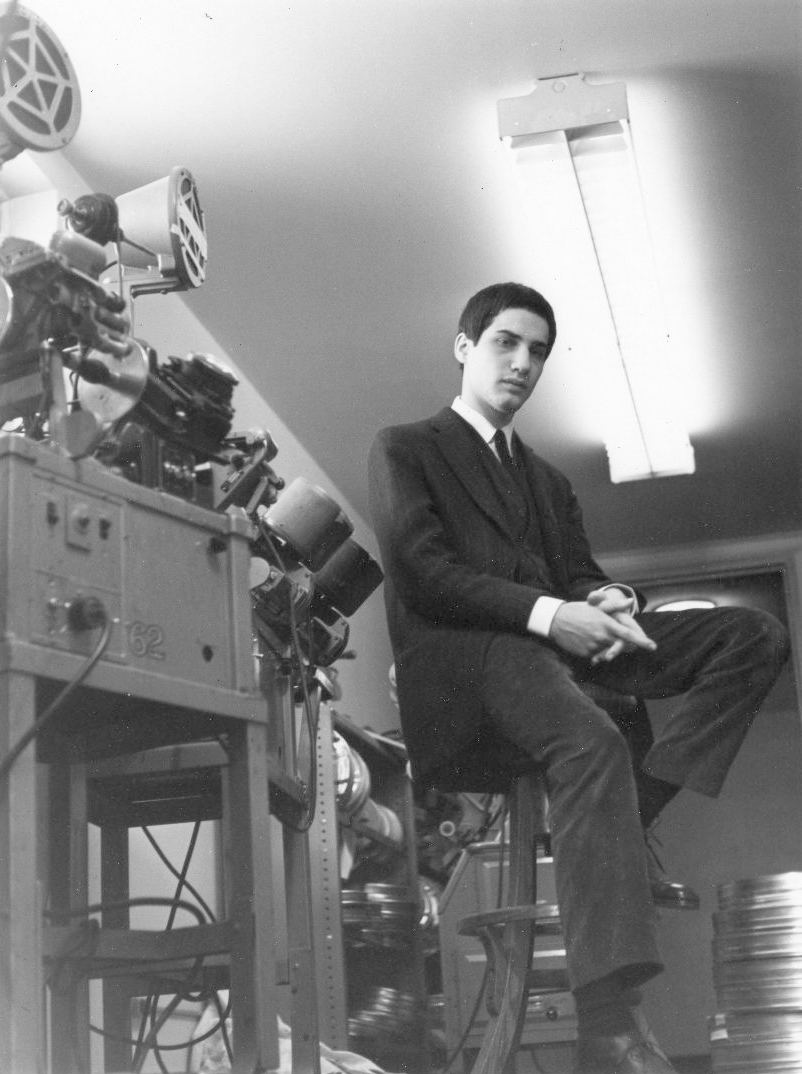
Arthur Lipsett
Arthur Lipsett was a filmmaker, editor, cinematographer, screenwriter and producer, born in Montreal in 1936. Hired by the National Film Board of Canada (NFB) in 1958, he was initially assigned to various animation projects. He gained recognition with Very Nice, Very Nice (1961), which was created using salvaged footage from other filmmakers' trash bins. He thus composed a complex soundtrack from numerous fragments and added images, mostly stills, which evoke anxiety and the frenzy of modern life. The film was well received and was nominated for an Academy Award in 1962. His subsequent films, 21-87 and Free Fall (1964), take the same form. Lipsett explored the themes of depersonalisation and paranoia, already present in Very Nice, Very Nice. As early as 1964, the filmmaker began to have problems functioning within the NFB due to his nervous, anxious, and hypersensitive nature. Nevertheless, he managed to complete three personal films before leaving the organisation: A Trip Down Memory Lane (1965), Fluxes (1968), and N-Zone (1970). From 1970 onwards, his mental health deteriorated, and he was only able to complete one more film, Strange Codes (1975), which lacked the power of his earlier works. His early films influenced several American filmmakers. Stanley Kubrick wrote to him expressing his desire to collaborate after seeing Very Nice, Very Nice, and offered him the opportunity to work on the Dr. Strangelove trailer, which Lipsett declined. George Lucas said that 21-87 was one of the most important films he had seen at university, admitting that it had inspired him, particularly with regard to THX 1138.
Photo: Collections de la Cinémathèque québécoise