Strangers on a Train
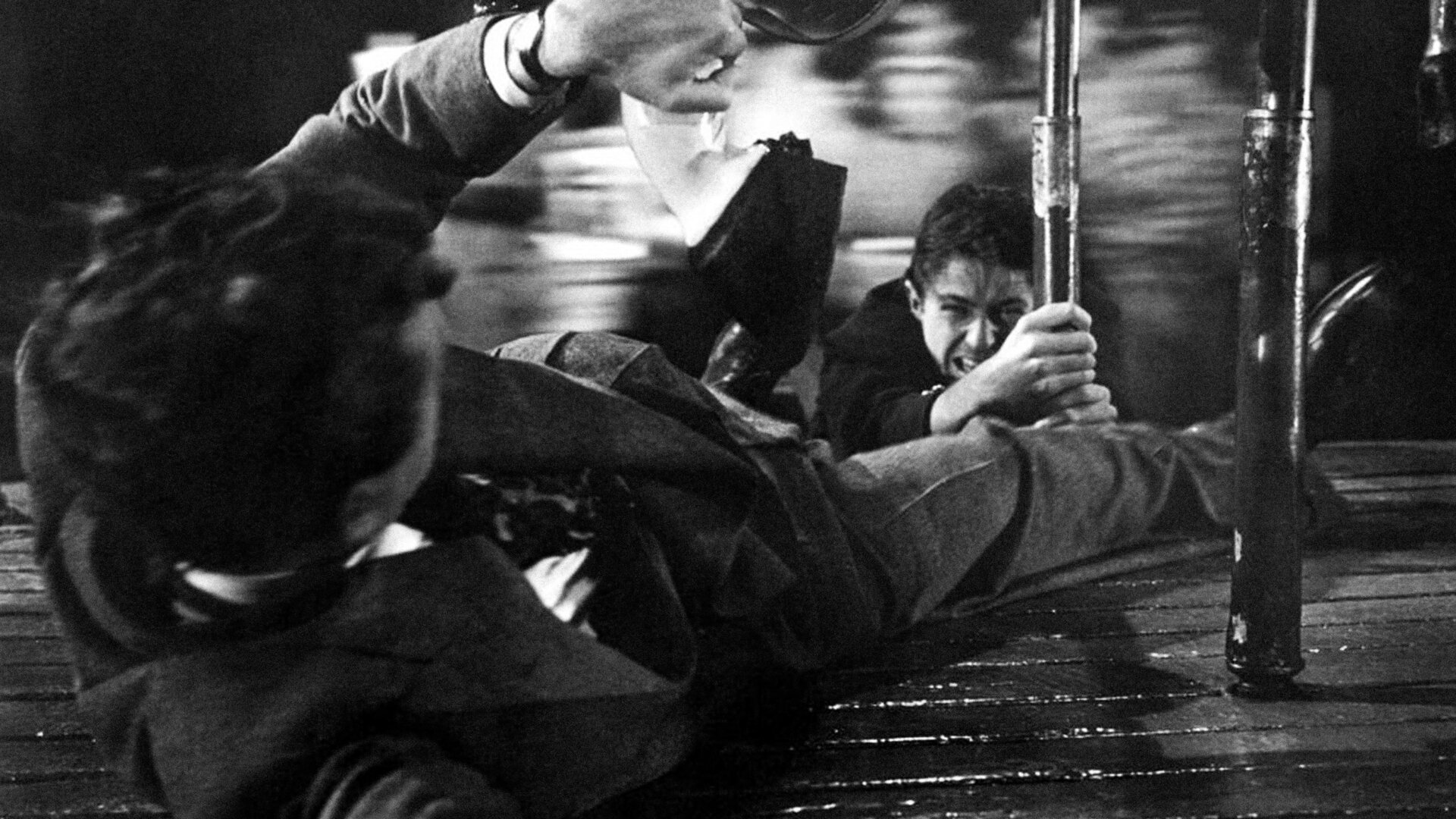
Ambiguous places, halfway between euphoria and terror, haunted by visions of the past and the future alike, amusement parks are a common backdrop in many films. Their shimmering lights, joyful crowds, and exhilarating rides often serve as a stage for contrast, where they reflect, in turn, a desire for illusion, breathless consumerism, melancholic solitude, and buried anxieties.
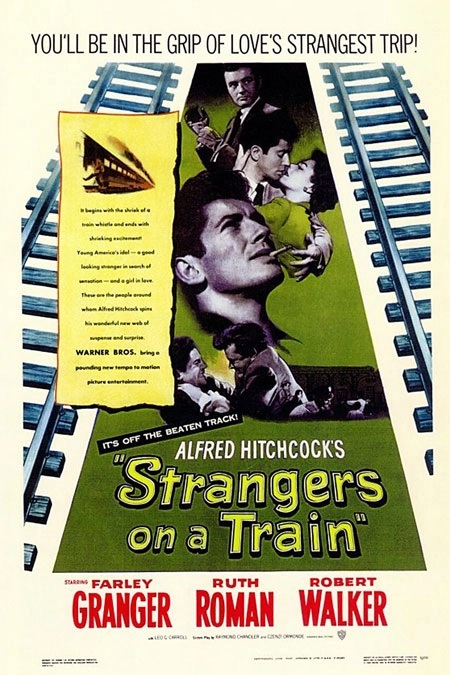
Guy Haines, a tennis player, meets a stranger named Bruno on a train. Bruno offers him a strange deal: he will kill Guy's wife if Guy gets rid of his father. Guy doesn't take the offer seriously until things go wrong.
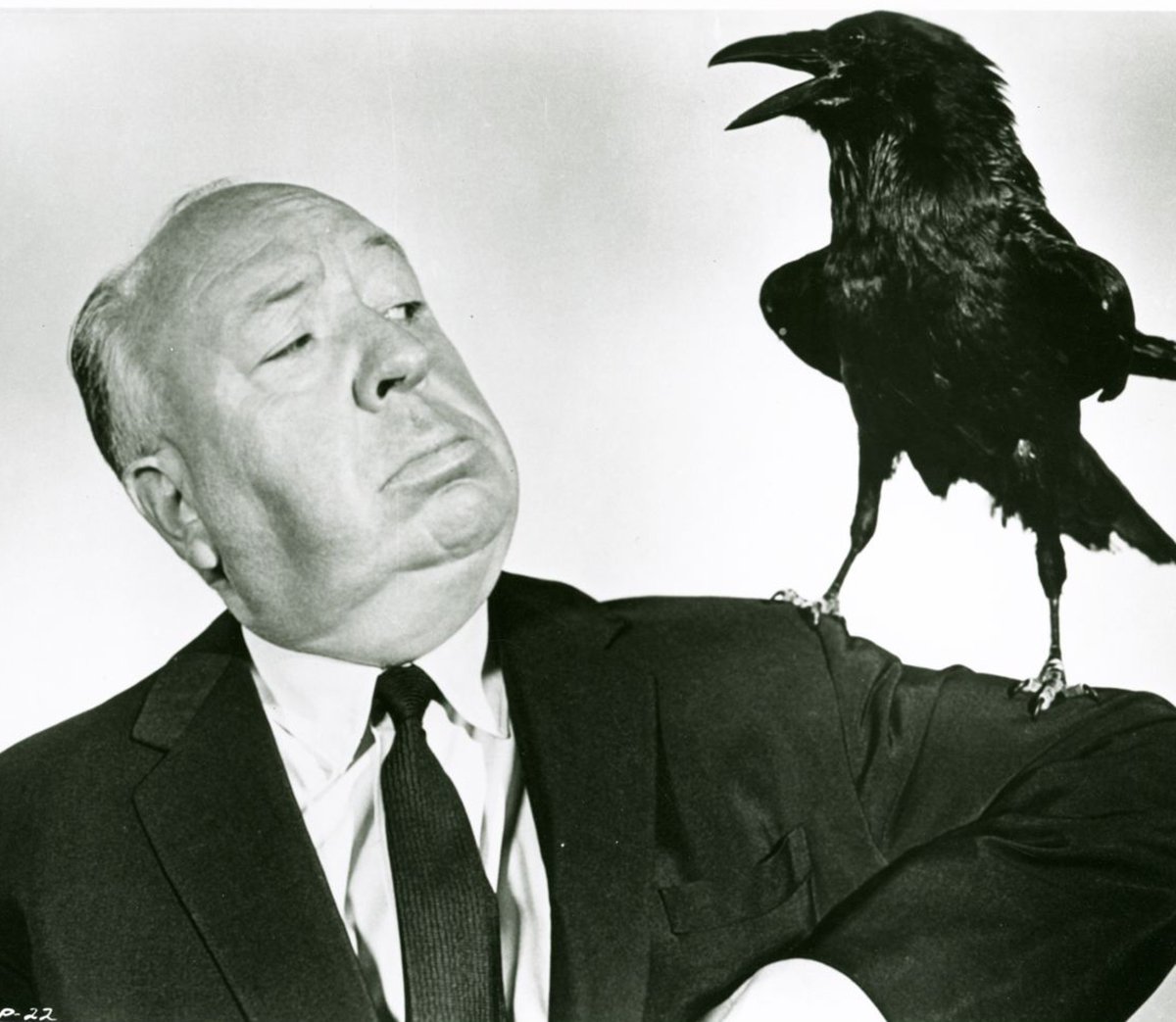
Alfred Hitchcock
Born in a working-class suburb of London in 1899, Alfred Hitchcock began his career in the film industry as an intertitle designer. He then held various positions on set, including assistant director. He was given his first projects as a director by producer Michael Balcon, including the acclaimed The Lodger in 1927. Hitchcock then directed the first British talkie, Blackmail, which was a great success. The following films made him one of the most popular British directors of the time, appreciated even in the United States. Producer David O'Selznick invited him to Hollywood, where he directed, from Rebecca in 1940 to The Birds in 1963, from studio to studio, his most famous work. This American career was only interrupted by the war effort (Hitchcock participated as a director and editor) and by the last great success of the director, Frenzy, shot in Great Britain in 1971.
Bio & photo: Cinémathèque québécoise