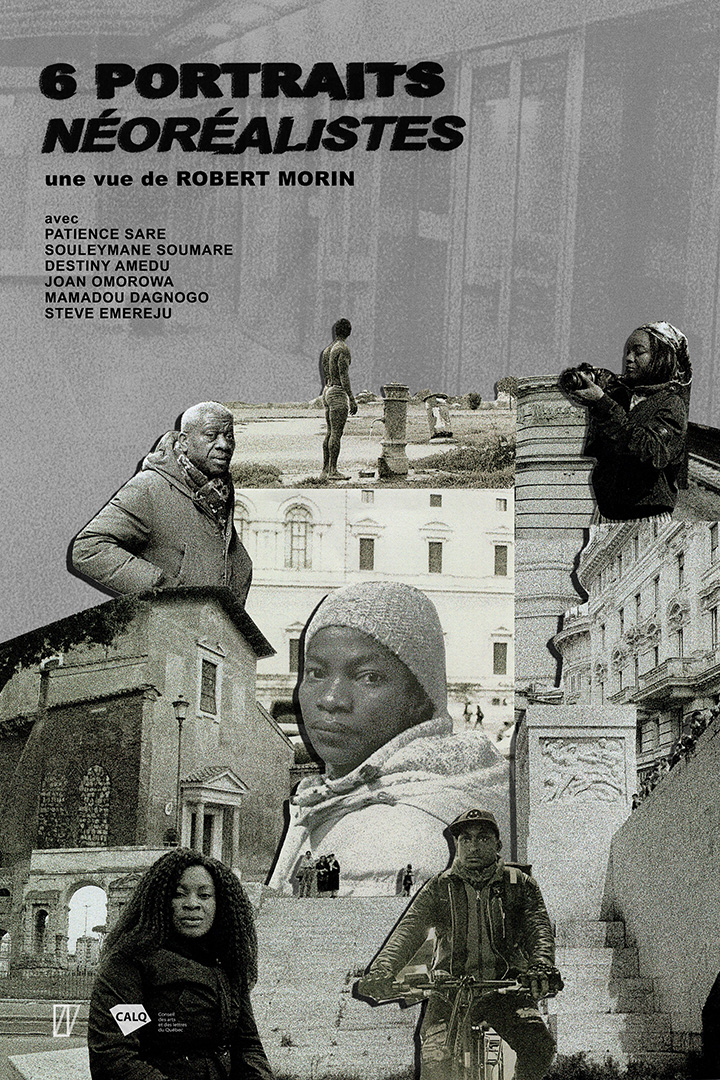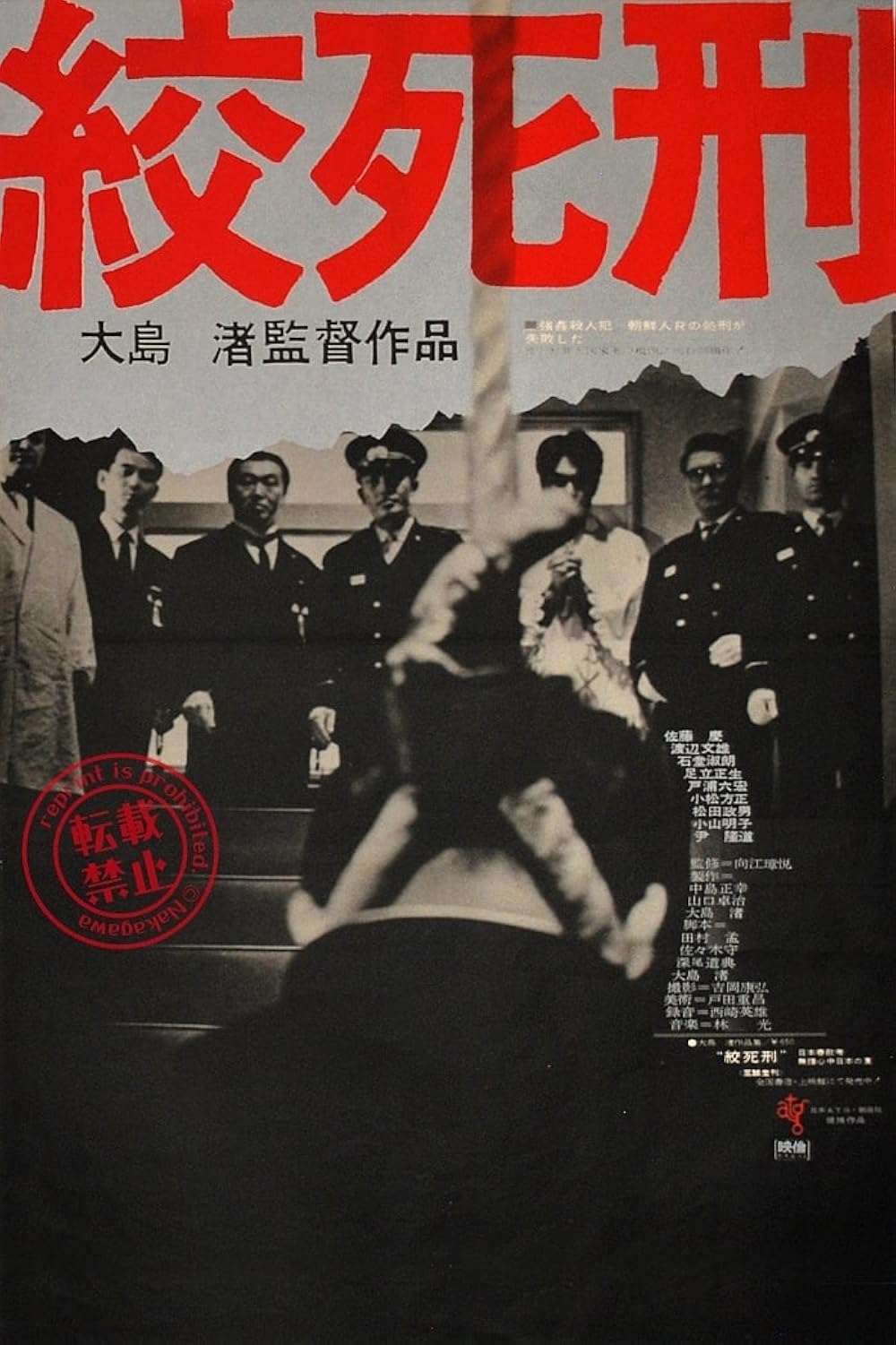
It's already been thirty years since two Danish filmmakers signed a manifesto, expressing a desire for chastity in filmmaking. The rejection of artifice and the search for authenticity were its main elements, quickly mocked by the filmmakers themselves, in a single shot or a new film that contradicted their tenets. Lars von Trier and Thomas Vinterberg left their mark on their era and on a generation of new filmmakers. But what do these films tell us today, given that they were such a departure from the mainstream of their time?
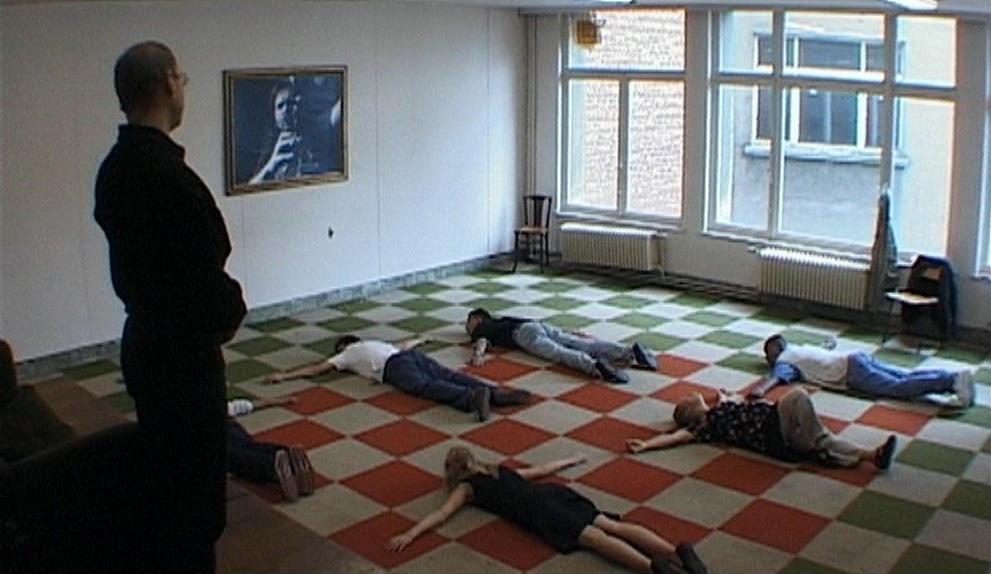
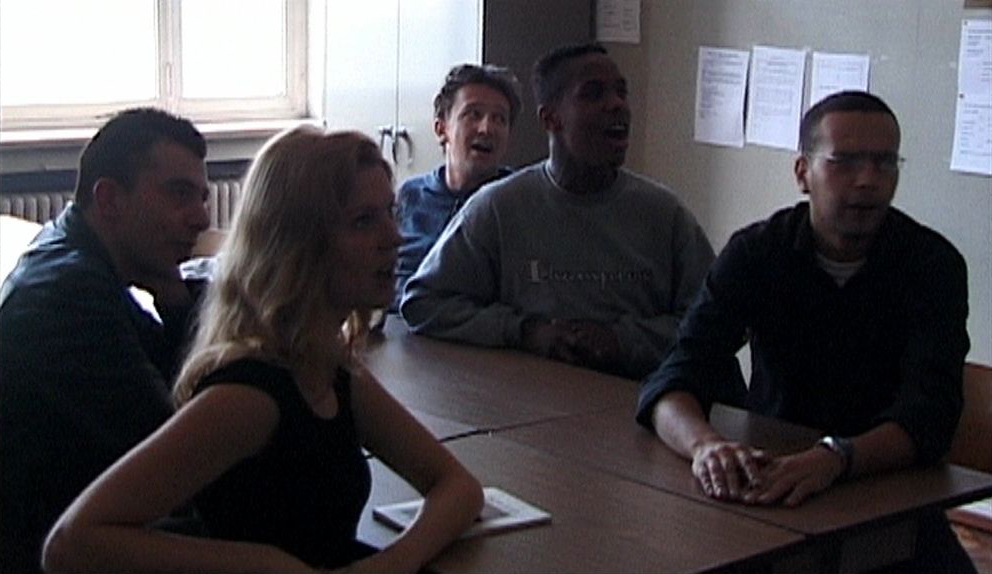
A film crew visits the Conservatory of Brussels to shoot a documentary. They end up following Pierre Radowsky's theater class, led by a teacher who advocates a provocative teaching method that seeks to intensify the emotions of actors and actresses. It's a method that has everything it takes to lead to disaster...
Vincent Lannoo
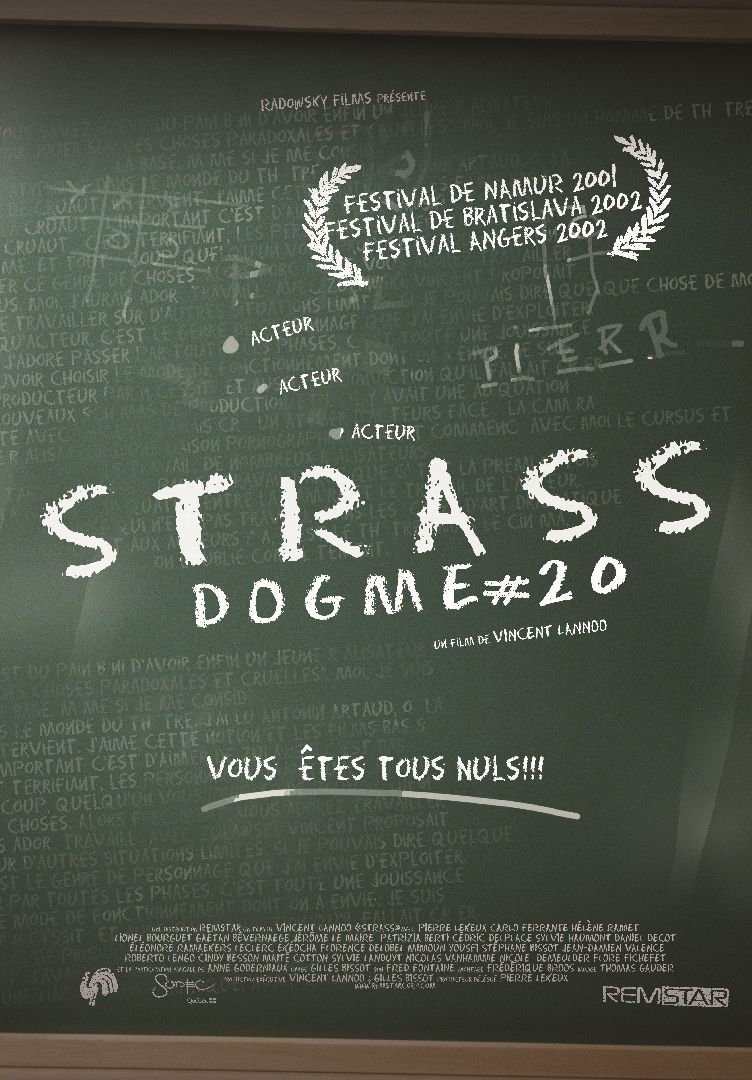
Vincent Lannoo is a Belgian film director and writer. After developing an interest in filmmaking, Lannoo enrolled at the Institut des arts de diffusion in Brussels and graduated in 1995. His first short film, J’adore le cinema (1998), was screened at the 1999 Brussels Film Festival, where it won the Crystal Star for Best European Short and the Golden Iris. Lannoo made his feature film debut in 2001 with Strass, an experimental film in which elements of reality and fiction are mixed together at a drama school. Strass is the 20th film in the Dogme95 movement and its title is a reference to American acting teacher Lee Strasberg. It premiered at the Namur Film Festival in the main competition where it won Best First Screenplay. His film In the Name of the Son (2012) was met with general acclaim from critics, although its religious references and depiction of violence sparked controversy. It nevertheless received the Méliès d'or, which celebrates the best European work of speculative fiction.