The Ascent
In collaboration with Ukrainian-Canadian programmers Alina Senchenko and Iryna Borzilova, we are presenting a comprehensive overview of Ukrainian film history, spanning nearly a century, from the Soviet era to the present day. A portion of the proceeds from this series will be donated to victims of the war in Ukraine through the Maple Hope Foundation.
Winner of the Golden Bear, 1977 Berlin International Film Festival
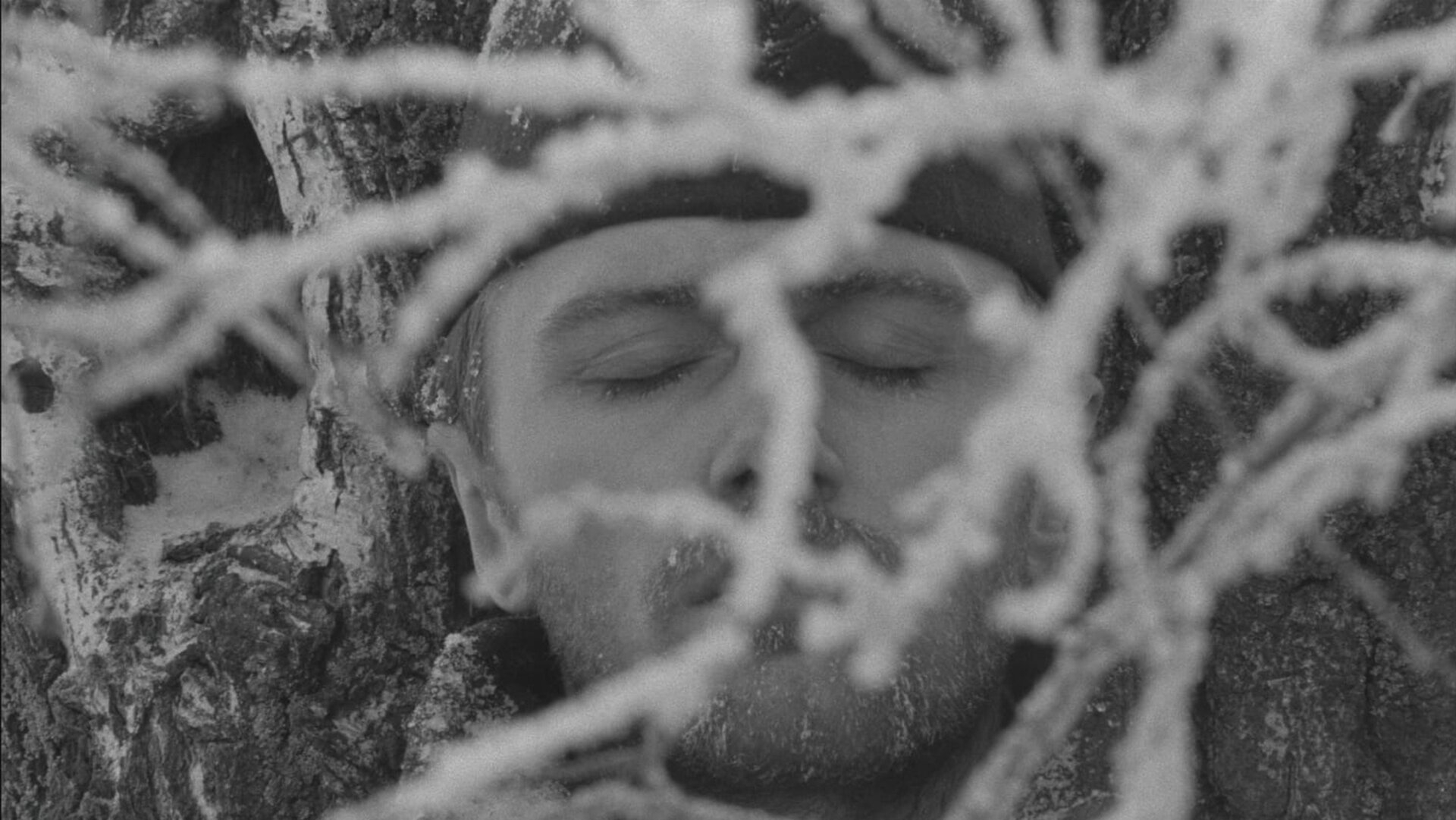
Larisa Shepitko’s emotionally overwhelming final film [completed two years before her untimely death at 41 in a car crash] won the Golden Bear at the 1977 Berlin Film Festival and has been hailed around the world as the finest Soviet film of its decade. Set during World War II’s darkest days, The Ascent follows the path of two peasant soldiers, cut off from their troop, who trudge through the snowy backwoods of Belarus seeking refuge among villagers. Their harrowing trek leads them on a journey of betrayal, heroism, and ultimate transcendence. (Janus Films)

Larisa Shepitko
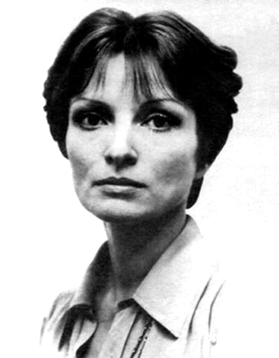
Larisa Shepitko was a Soviet film director and screenwriter of Ukrainian origin. She is considered one of the best female directors of all time, with her film The Ascent (1977) being the second film directed by a woman to win a Golden Bear and the third film directed by a woman to win a top award at a major European film festival (Cannes, Venice, Berlin). Shepitko was also considered one of the most prominent Soviet filmmakers during both the Khrushchev Thaw and the Era of Stagnation. The Khrushchev Thaw was a direct response to the limitations that were forced upon Soviet citizens during Stalin's reign, and essentially marked the inception of an innovative return to the cinematic arts. Shepitko's career was cut short in 1979 when she was killed in a car accident while scouting locations for the film Farewell. Her husband Elem Klimov created a 20-minute tribute documentary called Larisa to honor her legacy, as well as finishing her film.
Explore
Presented in collaboration with