The City Without Jews
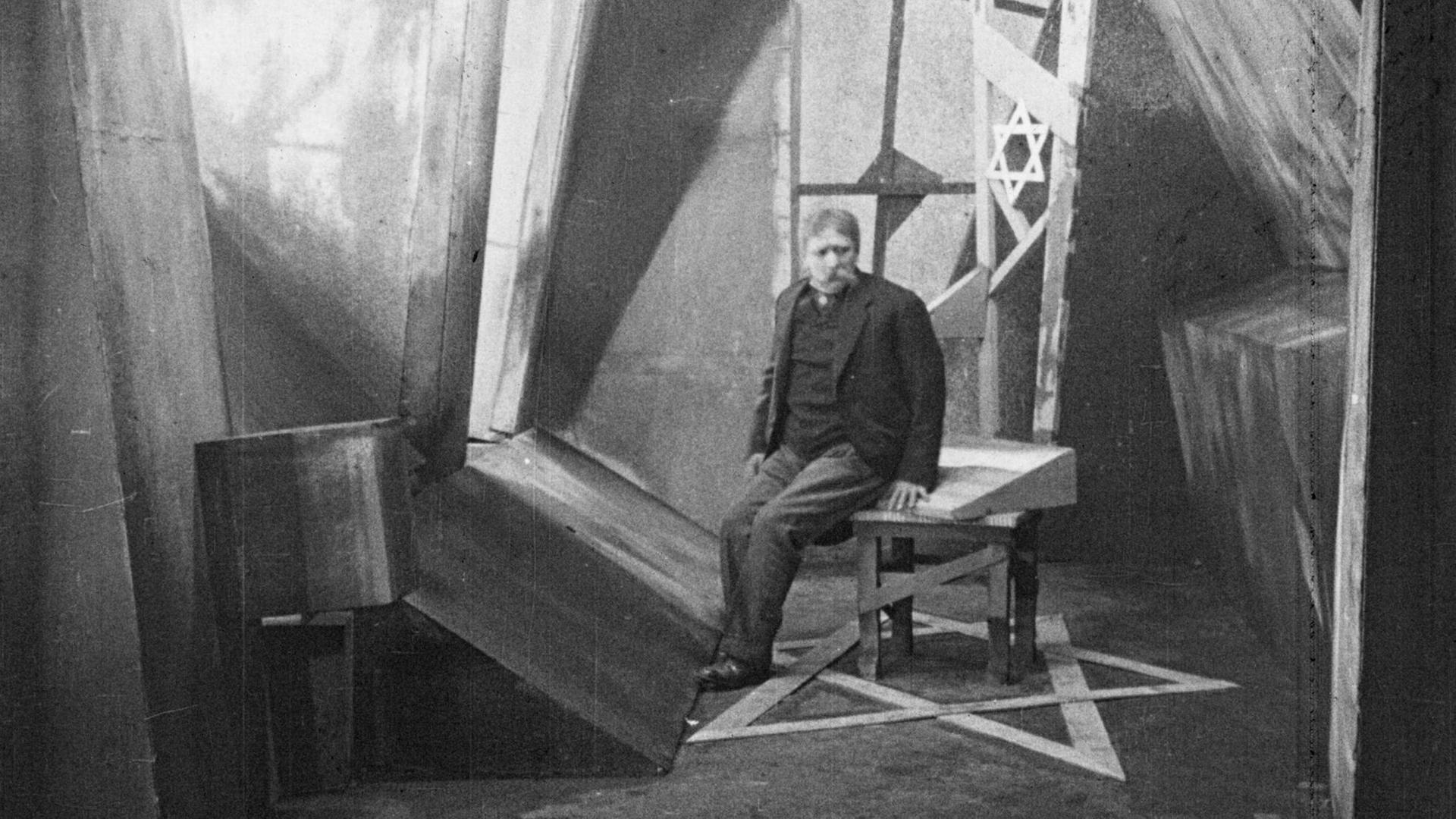
Keeping silent cinema alive, by offering audiences a chance to rediscover films from the era with the accompaniment of talented pianists, is an essential component of the Cinémathèque's programming. As digital technology continues to invent new ways of creating images, it is more relevant than ever to remember how eloquent the images from the so-called silent era of film history truly were. It's fascinating to see how much these works and filmmakers contributed to modern cinema – not to mention that it is always a pleasure to return, for a few hours, to the era of images that speak for themselves.
Accompanied on the piano by Austrian pianist Gerhard Gruber
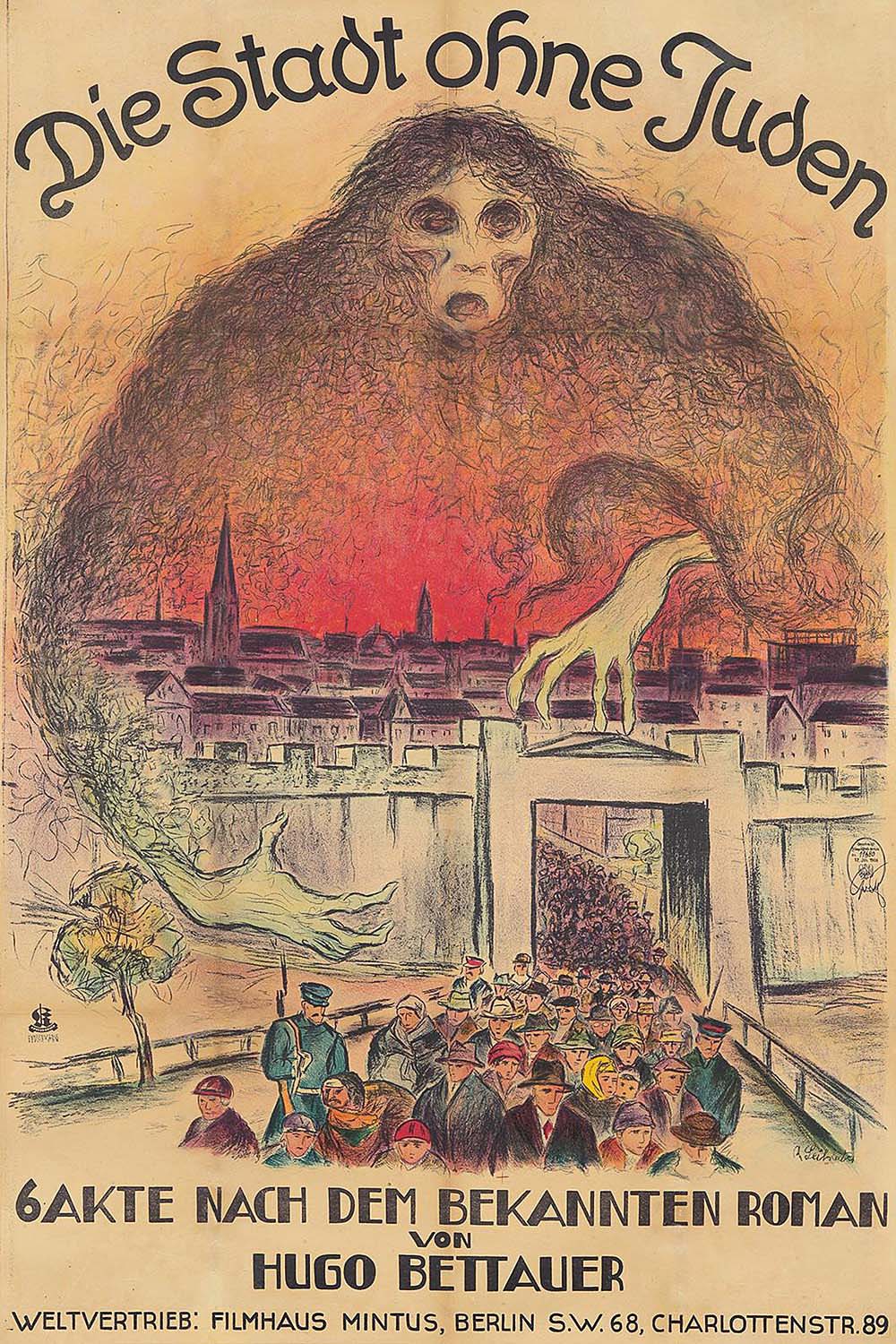
In a fictional city called Utopia, inflation and unemployment are rampant, driving the population to take to the streets in protest. Anti-Semitic politicians take advantage of the situation to blame the Jews and make them scapegoats, going so far as to propose their expulsion. Following the discovery in 2015 of footage that was believed to be lost, Film Archiv Austria was able to fully reconstruct this historically important film.
Hans Karl Breslauer
Hans Karl Breslauer was an early Austrian filmmaker, actor, and screenwriter, best known for directing the silent film The City Without Jews (Die Stadt ohne Juden, 2024), adapted from Hugo Bettauer's novel. Today, both the book and the film seem like a premonition of what was to happen in Europe from 1933, but were intended as comedy and designed to have a wide popular appeal at the time. The film was thought lost or partially lost until 2015, but has now been restored.
Presented in collaboration with