The Exorcist
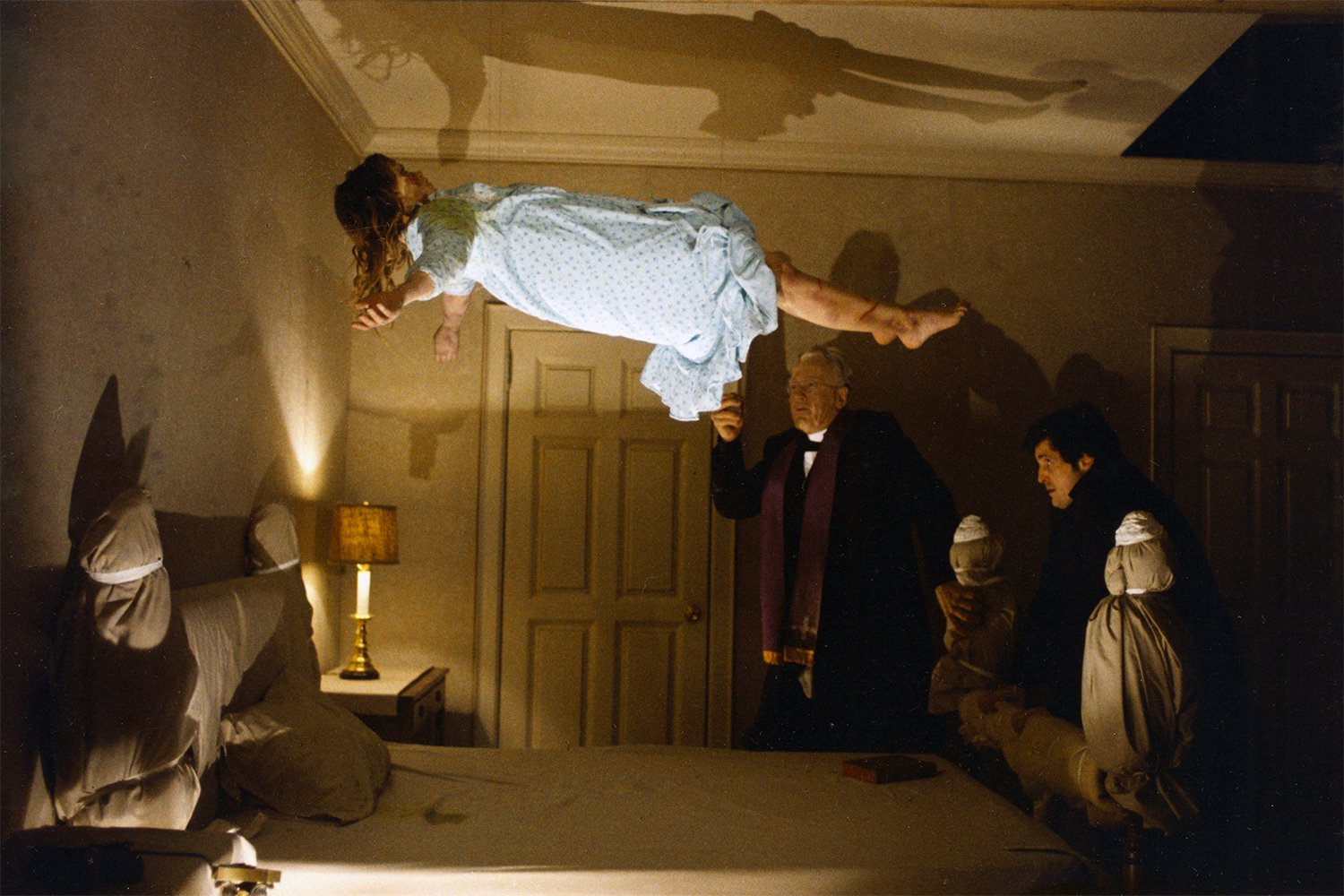
Cinema is a screen onto which we can project our fears, torments and the monstrosities of the world. The screen protects us from what we see, but cinema has also permanently anchored our nightmares around a few powerful images (empty houses, hostile attics and basements, demonic masks, bloodcurdling grimaces, disturbing postures). Throughout the summer, the Cinémathèque québécoise will be presenting a series of films encompassing more than one hundred and twenty years of horror, reminding us that what scares us most is to make the deepest of our fears tangible and credible.
Full Version
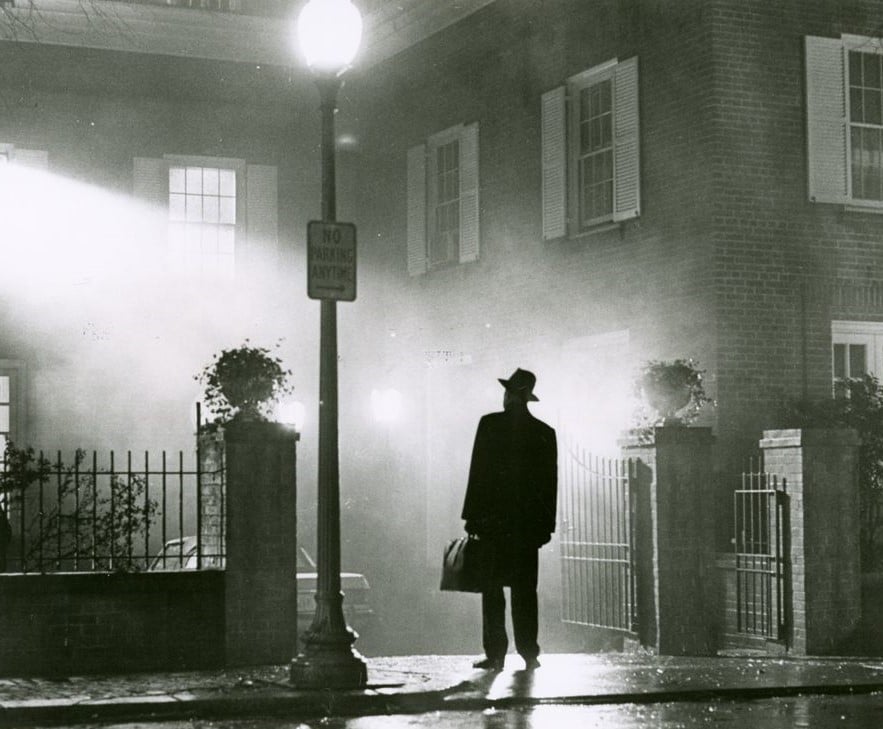
Chris, a single actress, is fighting a desperate battle against an evil entity that has taken possession of the body of her 12-year-old daughter, Regan. Unable to explain the disturbing events taking place in her home, Chris calls on Father Damien Karras, a priest tormented by his own faith, to exorcise her daughter's demonic spirit. Their battle against evil unfolds in an intense confrontation between good and evil, testing their faith and courage.
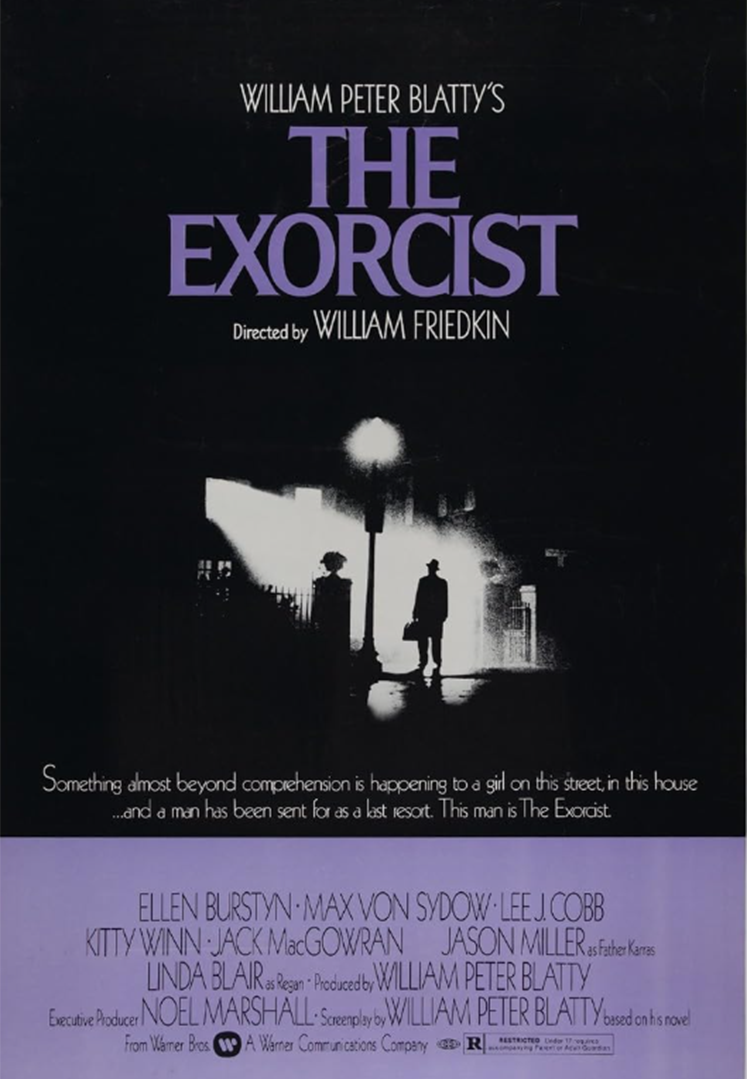
In 2001, a reworked version of The Exorcist was released. Under persistent pressure from Blatty, Friedkin agreed to rework the film's editing and include scenes that had been cut. This is the version presented here.
William Friedkin
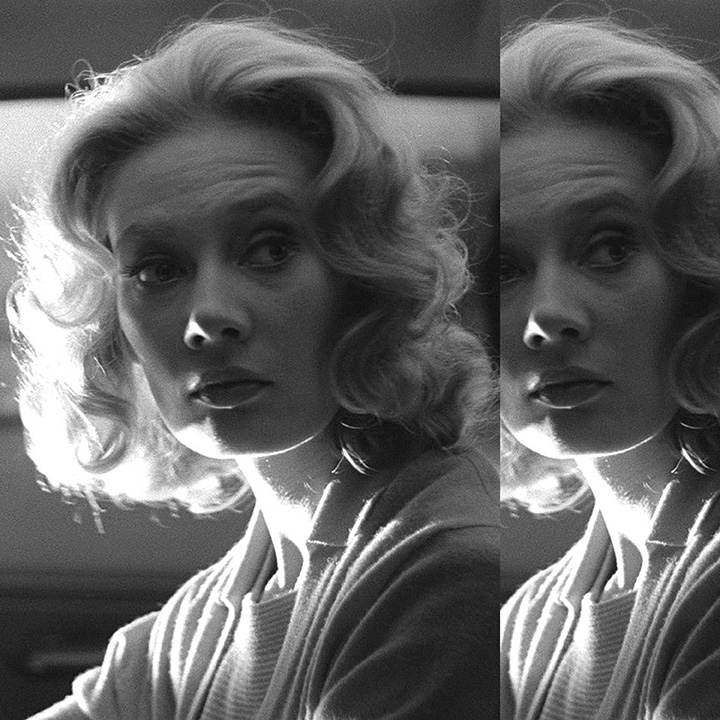
William Friedkin was an American filmmaker, screenwriter, and producer, who was closely identified with the New Hollywood movement of the 1970s. Beginning his career in documentaries in the early 1960s, he is best known for his crime thriller film The French Connection (1971), which won five Academy Awards, including Best Picture and Best Director, and the horror film The Exorcist (1973), which earned him another Academy Award nomination for Best Director. Friedkin's other films in the 1970s and 1980s include the drama The Boys in the Band (1970), considered a milestone of queer cinema; the originally criticized, now lauded thriller Sorcerer (1977); the crime comedy drama The Brink's Job (1978); the controversial thriller Cruising (1980), and the neo-noir thriller To Live and Die in L.A. (1985). Although his works suffered an overall commercial and critical decline in the late 1980s, his last three feature films, all based on plays, were positively received by critics: the psychological horror film Bug (2006), the crime film Killer Joe (2011), and the legal drama film The Caine Mutiny Court-Martial (2023), released two months after his death. He also worked extensively as an opera director from 1998 until his death, and directed various television films and series episodes for television.


.jpg)