The Gang of Four
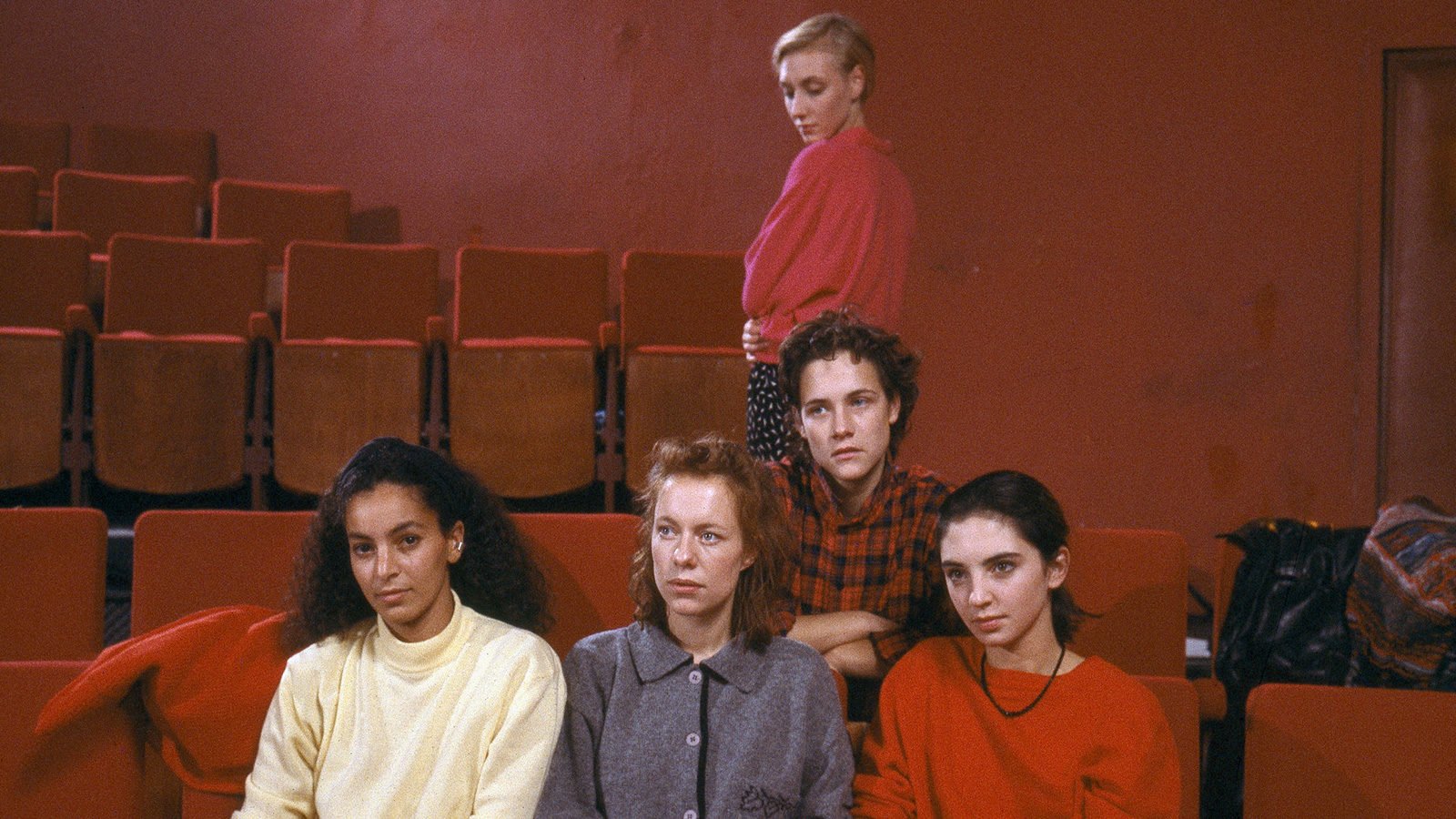
Cinema has always been fond of groups of individuals: the affinities, tensions, differences and impulses that animate these groups make them ideal microcosms for understanding human relations and portraying an era, a generation or a society. Not to mention the fact that the dynamics of a group of people can be a formidable narrative, humorous and psychological engine, never lacking in twists and emotions. This cycle proposes to explore this motif through a first selection of films placed under the sign of friendship: from the edgy teenagers of the 1980s to the idle youth of the 1990s, from Yves Robert's post-war children to** Xavier Dolan's millennial lovers, via **Jacques Rivette's independent students or Claude Sautet's aging friends.
A drama following 4 women at stage school. Considered by some to be the summation of director Jacques Rivette's work as a whole.
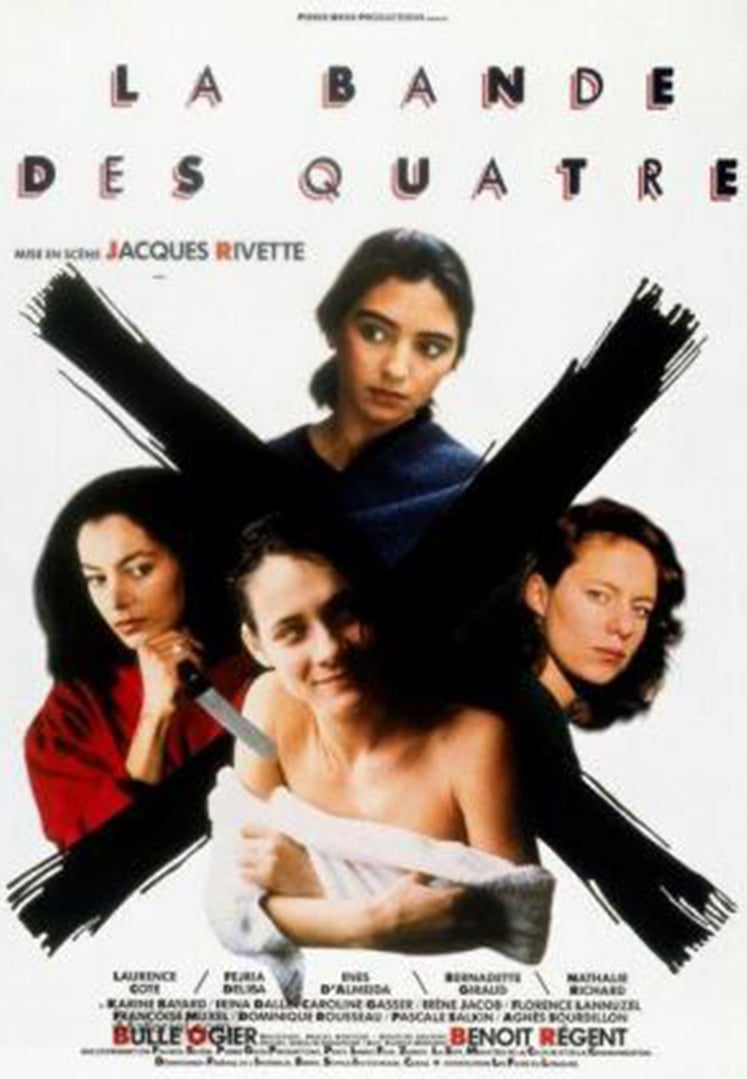
Jacques Rivette
Jacques Rivette was a French filmmaker. Like his New Wave contemporaries, Rivette started out as a film critic. With Éric Rohmer, he founded the Gazette du cinéma in 1950 before joining the Cahiers du cinéma, a journal of which he became editor-in-chief in 1963. He moved into directing in 1958 with Paris Belongs to Us. He achieved success with The Nun (based on Diderot's novel), which was released in 1967 after initially being banned by censorship. As his career took off, he embarked on a series of experimental films in which he gave actors significant freedom, either through improvisation or by working with them on the script beforehand. In this period, he directed Out 1: Noli me tangere, a film over twelve hours long, in 1971, followed by Céline and Julie Go Boating in 1974. He also achieved international success with La belle noiseuse (1991) which won the Grand Prix at the Cannes Film Festival.