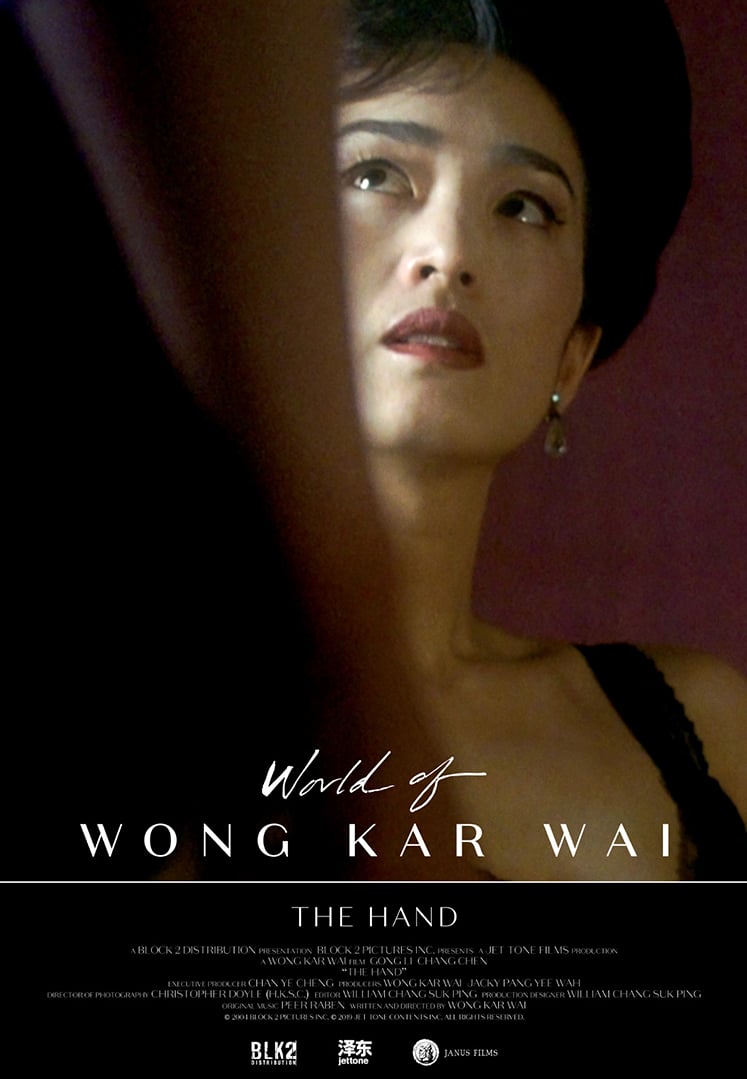
The Hand
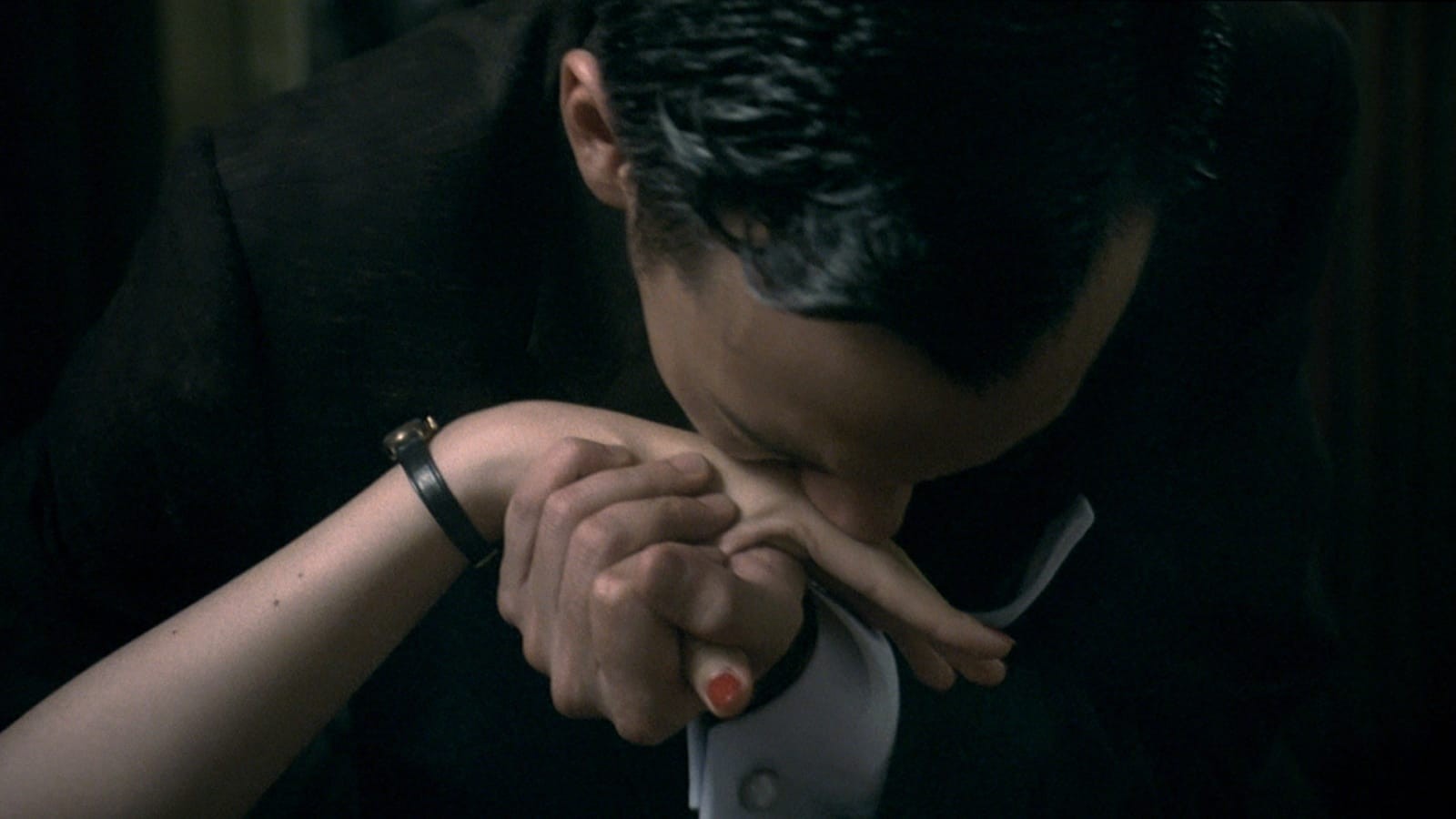
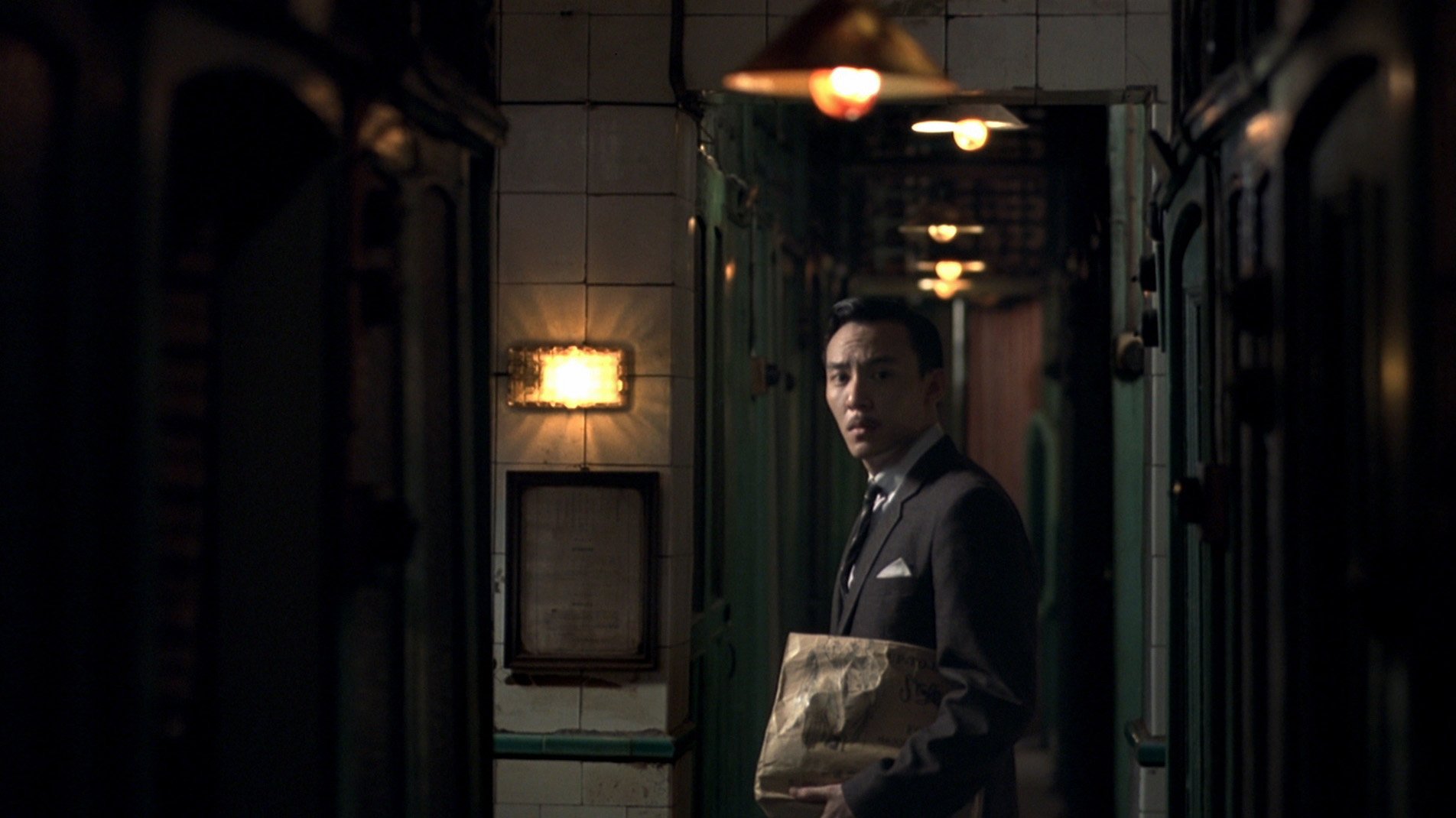
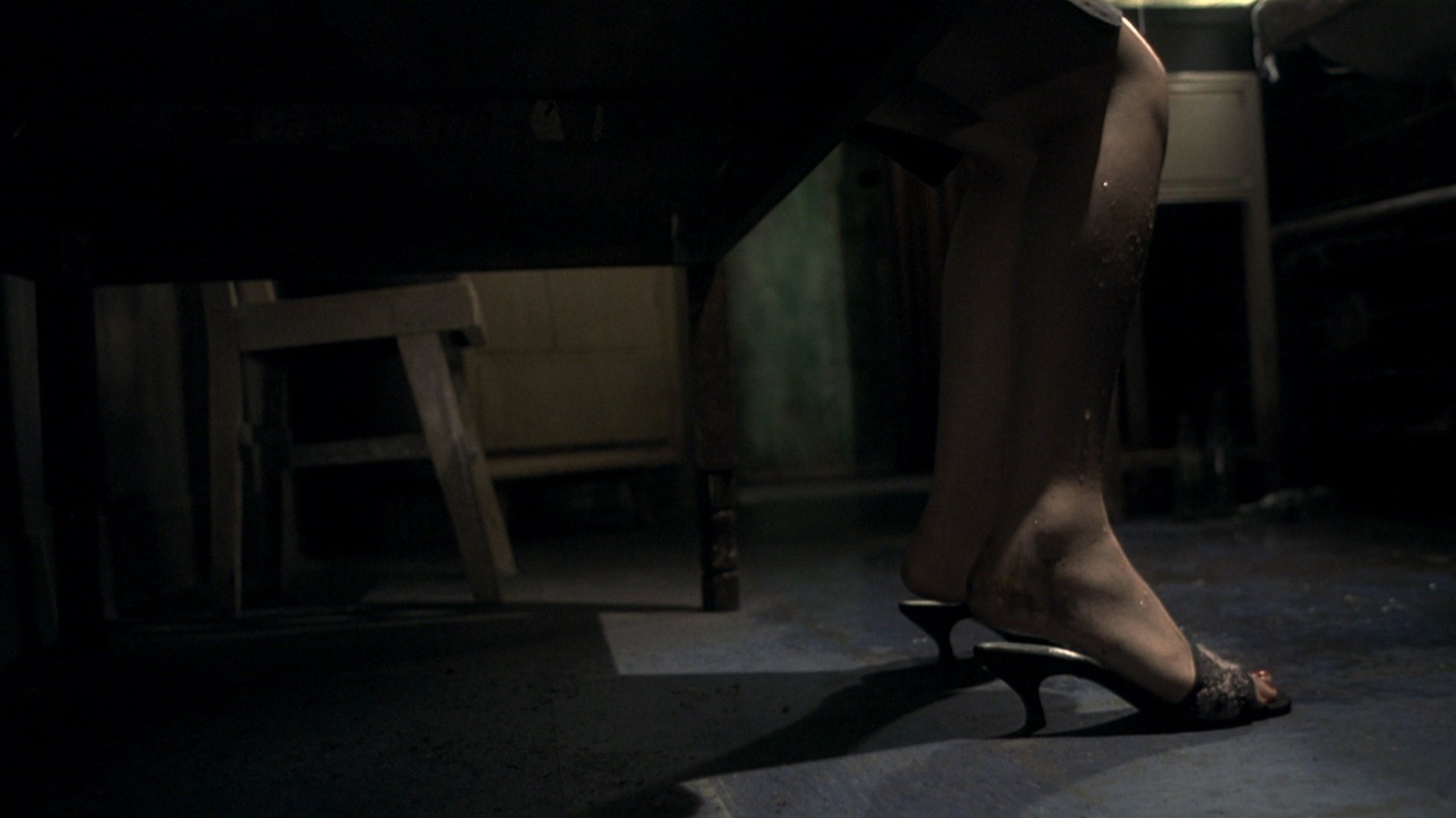
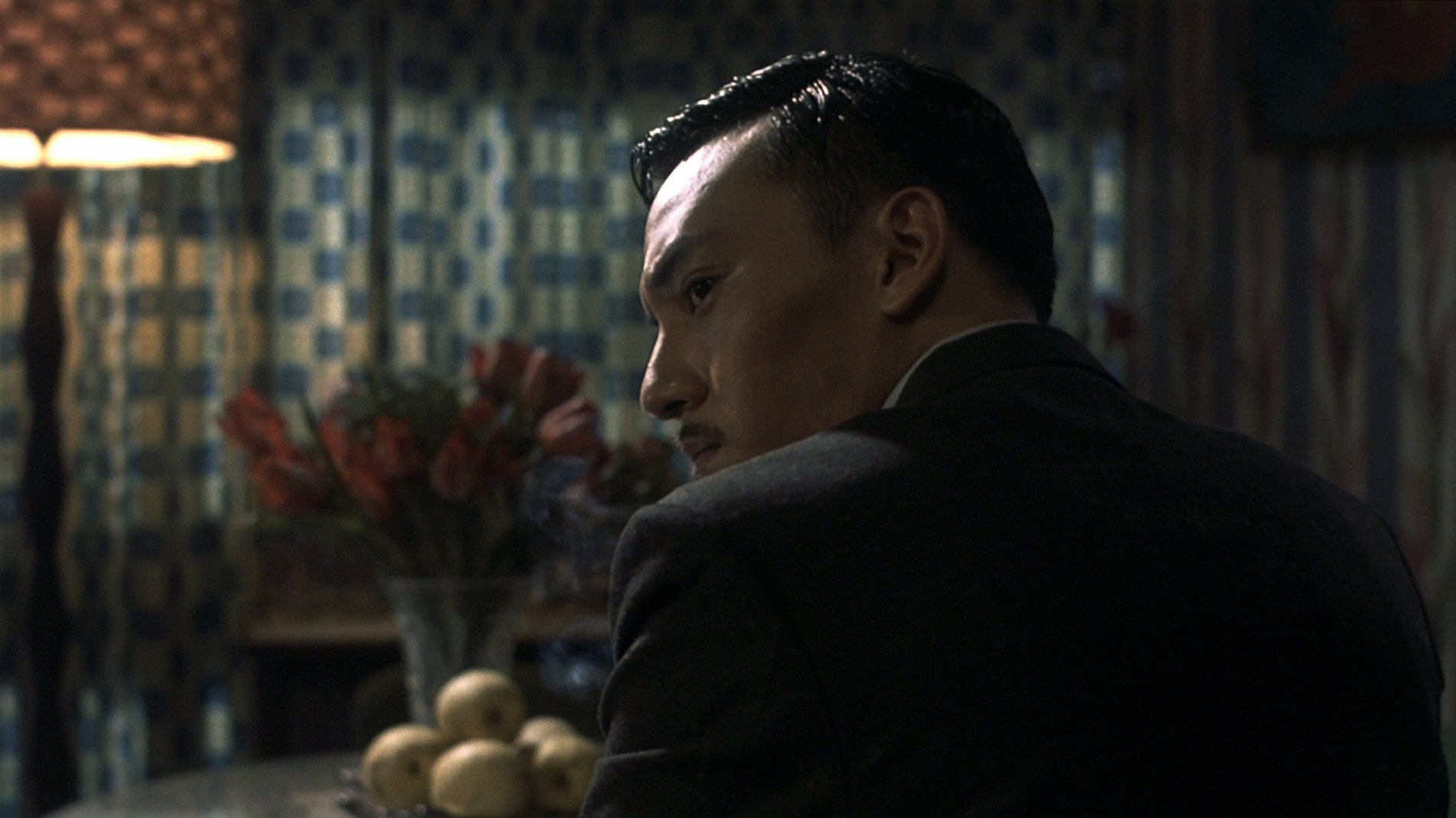
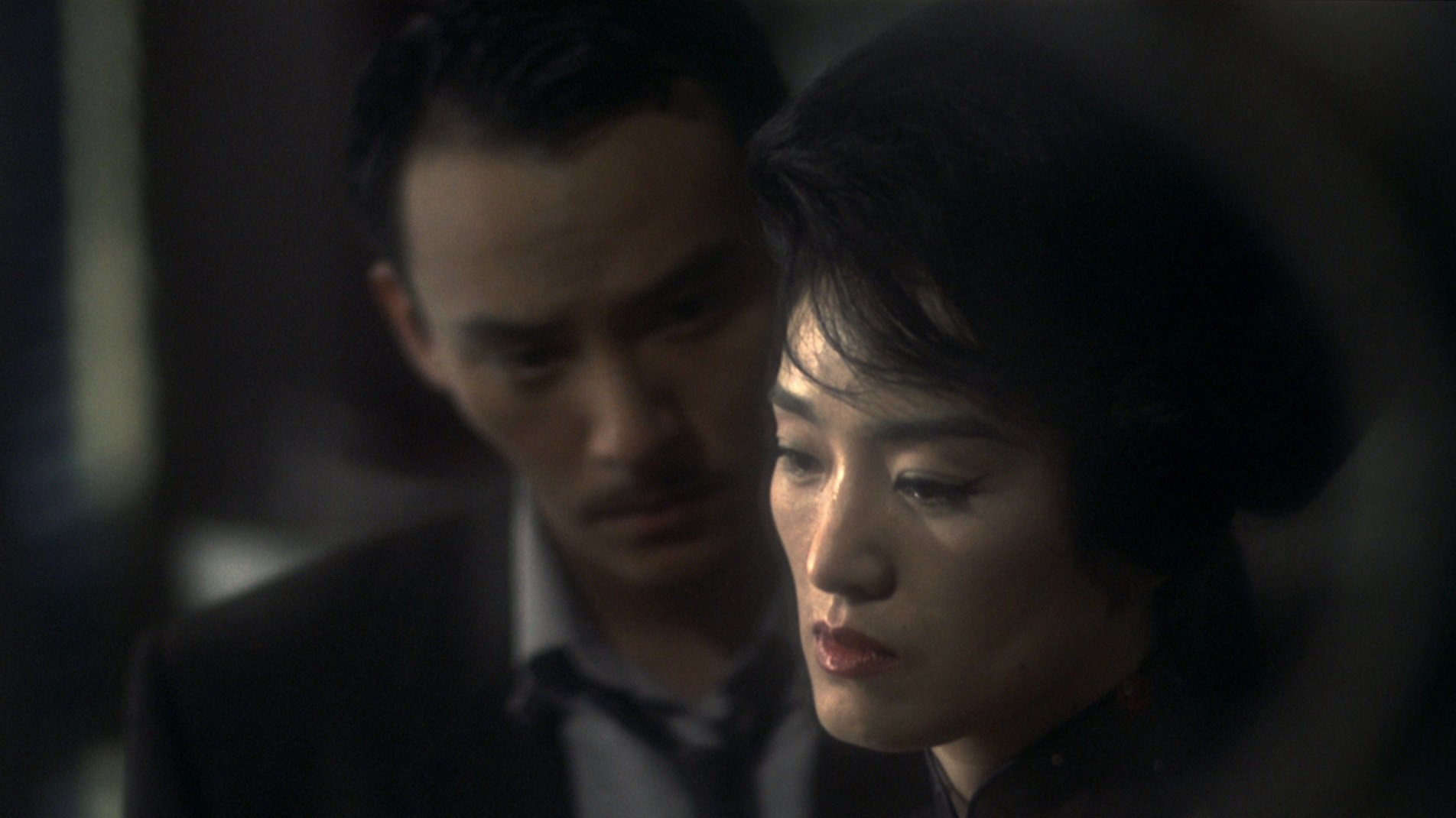
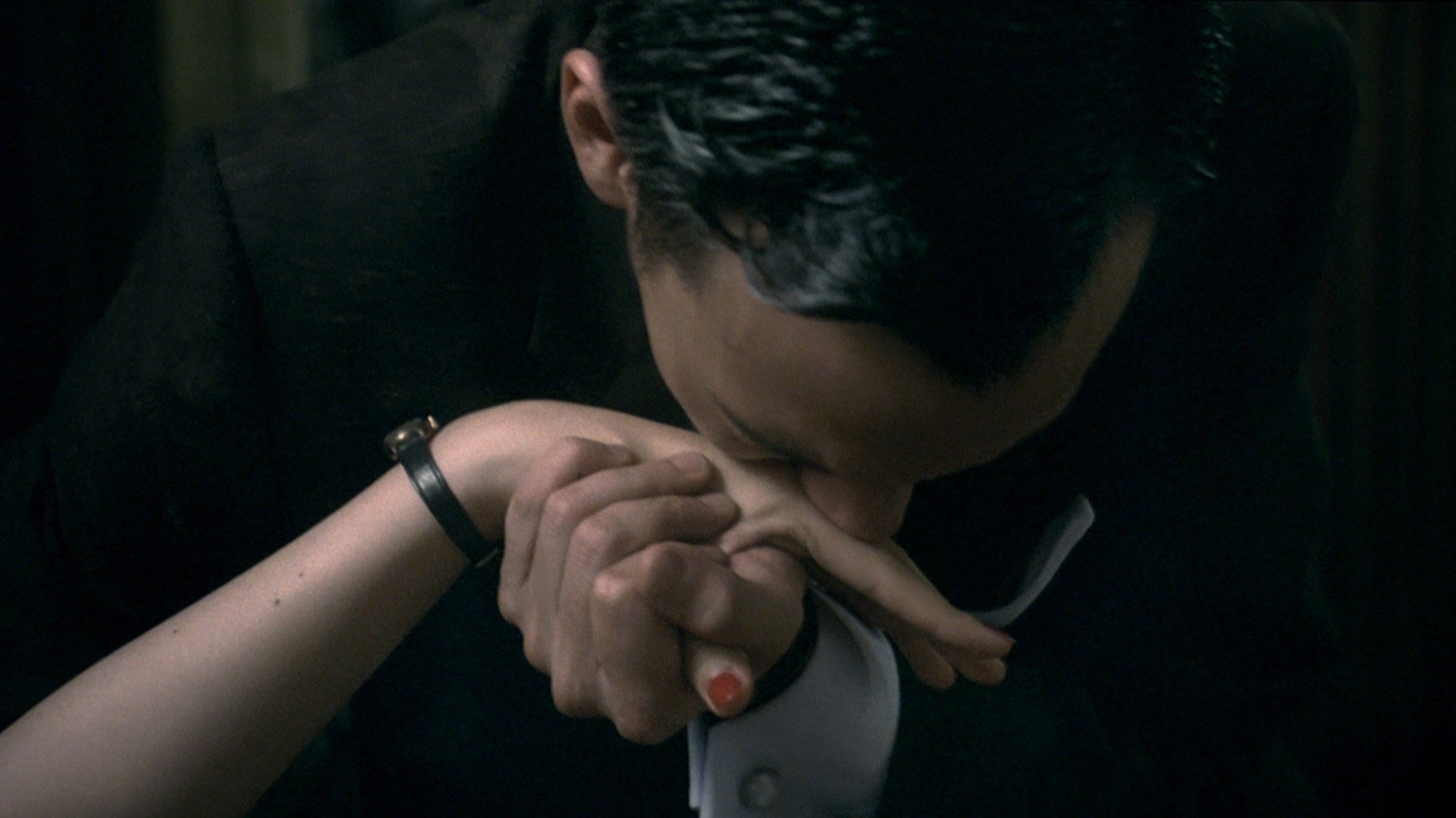
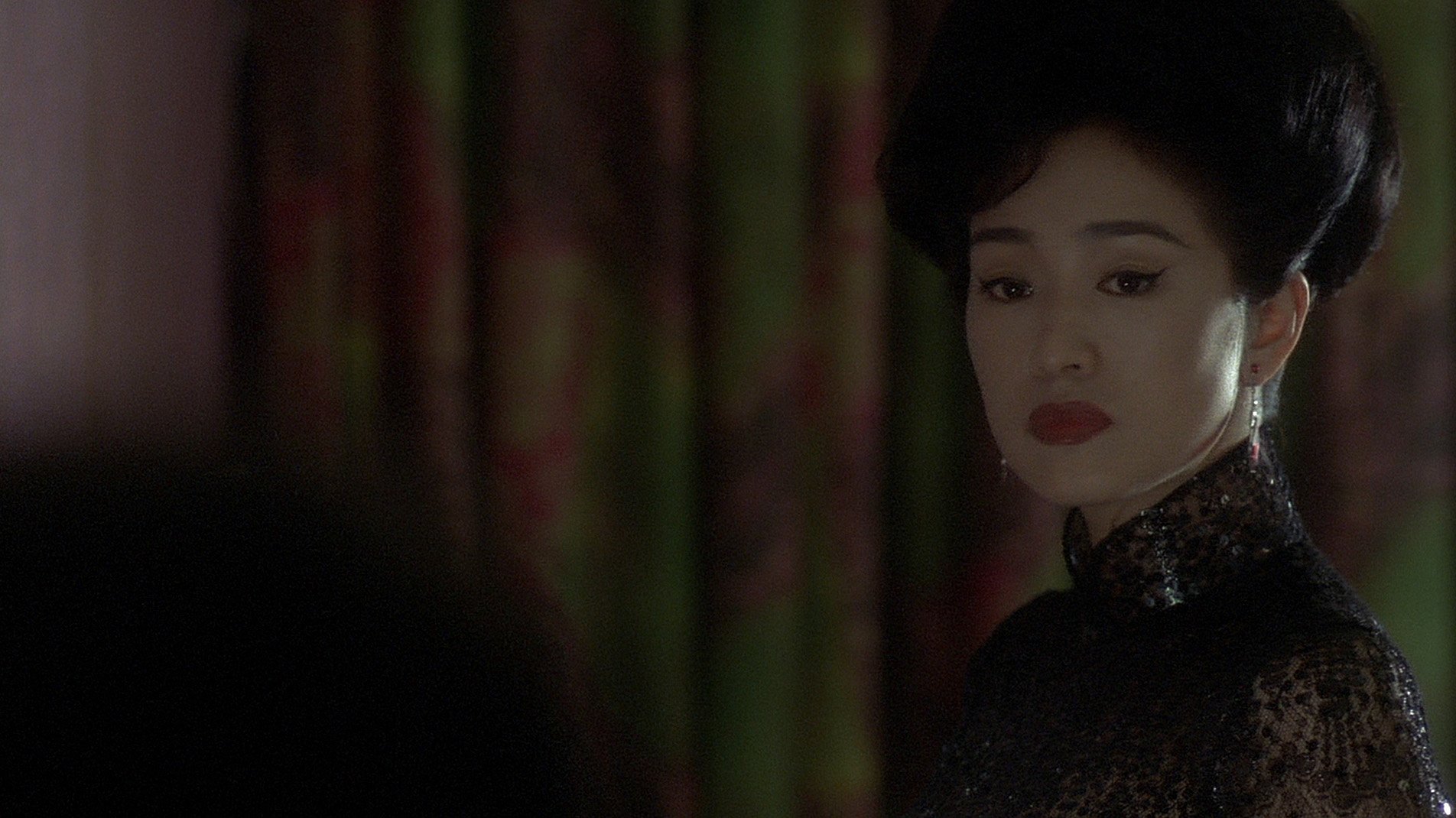
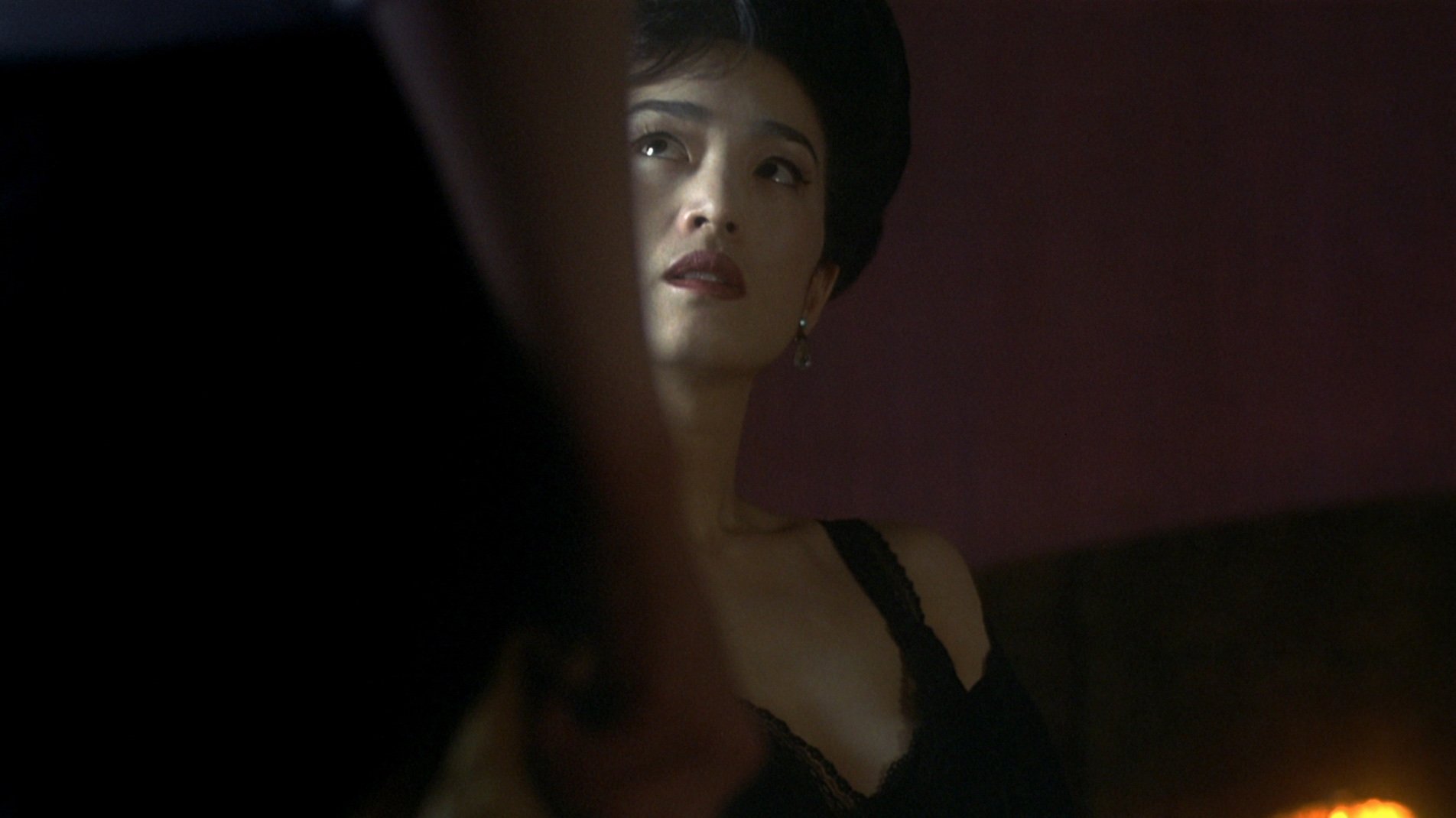
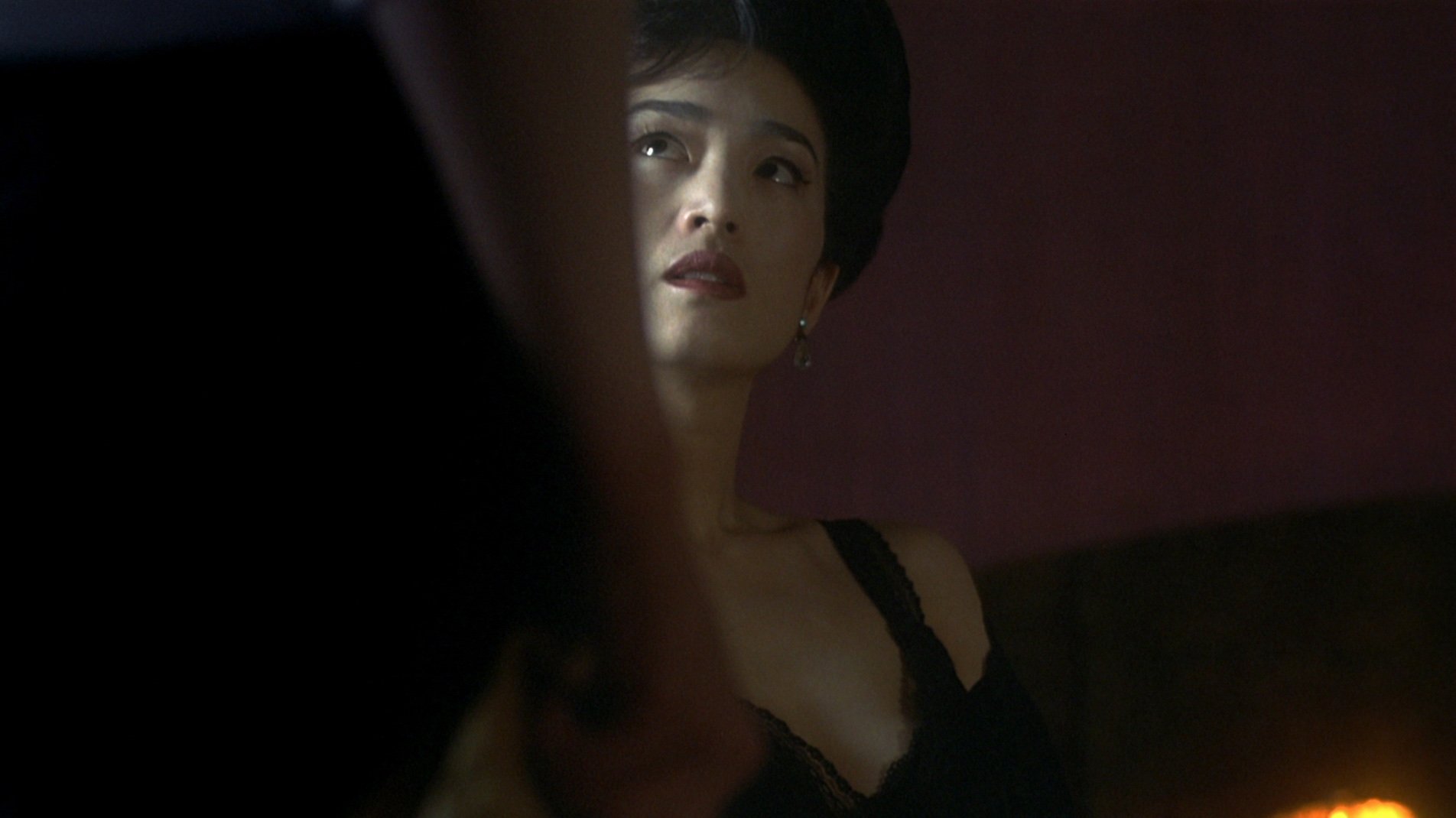
Wong Kar-wai's cinema was characterized at the turn of the 2000s by his ability to create powerful images with virtuosity expressing sensations, emotions, and moods. Composing and detailing atmospheres is a work of art exposing at best the symbiotic relationship that sometimes develops between the filmmaker and his director of photography. This cycle includes the very rarely shown The Hand which articulates a diptych with In the Mood for Love.
Like In the Mood for Love, The Hand is set in the hazy Hong Kong of the 1960s, but its characters couldn’t be more different from the earlier film’s restrained, haunted lovers. Originally conceived for the omnibus film Eros, the film—presented in this retrospective for the first time in its extended cut—tells the tale of Zhang, a shy tailor’s assistant enraptured by a mysterious client, Miss Hua. A hypnotic tale of obsession, repression, and class divisions, The Hand finds Wong Kar-wai continuing to transition from the frenetic, energized style of his earlier films into a register that is lush with romantic grandeur. (Janus Films)
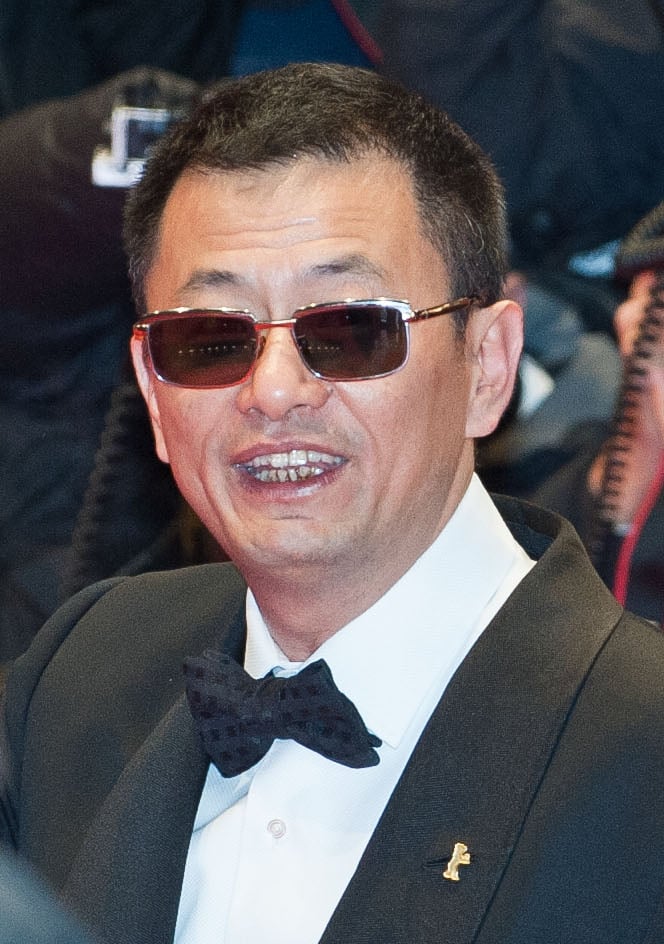
Wong Kar-wai
Born in Shanghai in 1958, Wong Kar-wai moved to Hong Kong as a child. For ten years, he was separated from his siblings, blocked in China due to the Cultural Revolution. This personal and collective upheaval undoubtedly permeated his work to come. After his studies, he became a production assistant, and a screenwriter for television. He joined Barry Wong's team, which introduced him to the film industry, and notably wrote the screenplay for Final Victory, directed by Patrick Tam, who also produced his directorial debut, As Tears Go By (1988). By the 1990s, Wong was working with some of Hong Kong's biggest stars. Exploring very different genres, he achieved both critical and popular success with films like Ashes of Time, Chungking Express, and Happy Together, cementing his place on the global stage. He solidified his reputation in the 2000s with In the Mood for Love and 2046. After a brief foray into American cinema (My Blueberry Nights), he reunited with his long-time collaborator Tony Leung, and Hong Kong history in The Grandmaster.
Explore

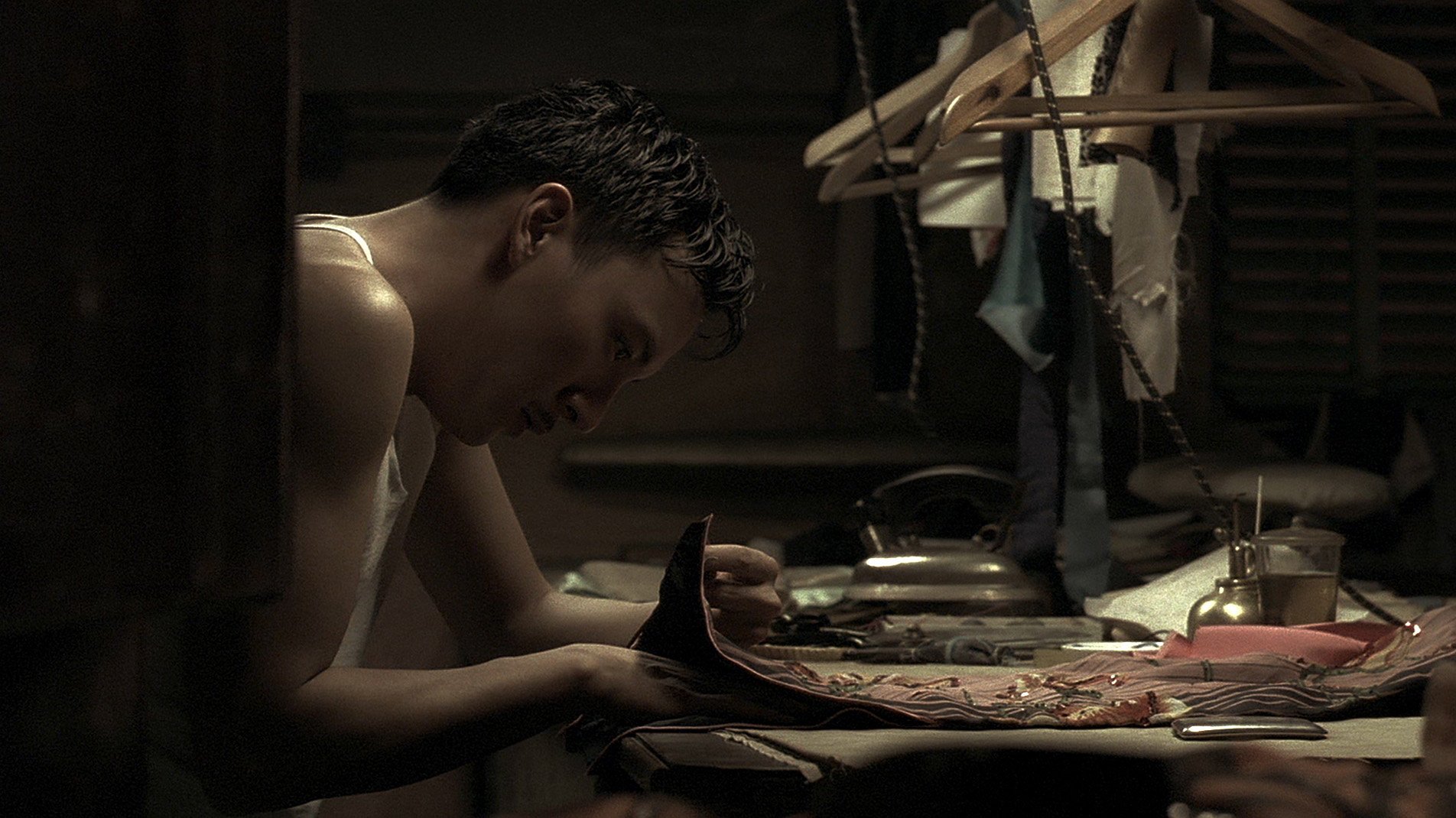

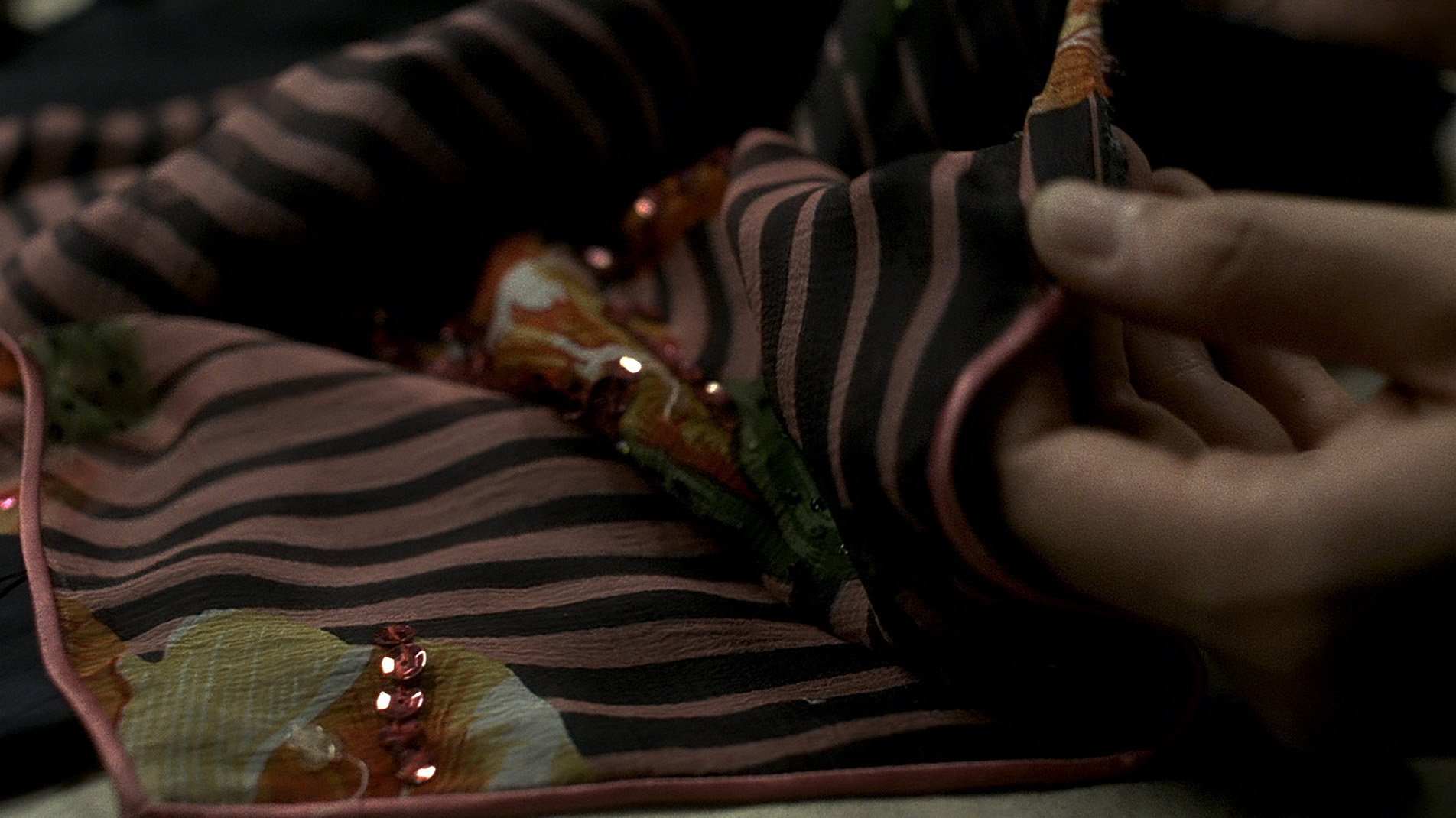
The Hand by Wong Kar-wai
The Hand by Wong Kar-wai
The Hand by Wong Kar-wai
The Hand by Wong Kar-wai
The Hand by Wong Kar-wai
The Hand by Wong Kar-wai
The Hand by Wong Kar-wai
The Hand by Wong Kar-wai
The Hand by Wong Kar-wai

The Hand by Wong Kar-wai
The Hand by Wong Kar-wai
The Hand by Wong Kar-wai
The Hand by Wong Kar-wai