The Last Glacier
Among the artisans who have significantly contributed to the advent of modernity in Quebec cinema, editor and filmmaker Monique Fortier undoubtedly occupies a prominent place. She accompanied filmmakers such as Aquin, Perrault, Poirier, Arcand, and Frappier. To illustrate this, we are presenting two films that marked their era, each in their own way.
In the presence of Roger Frappier
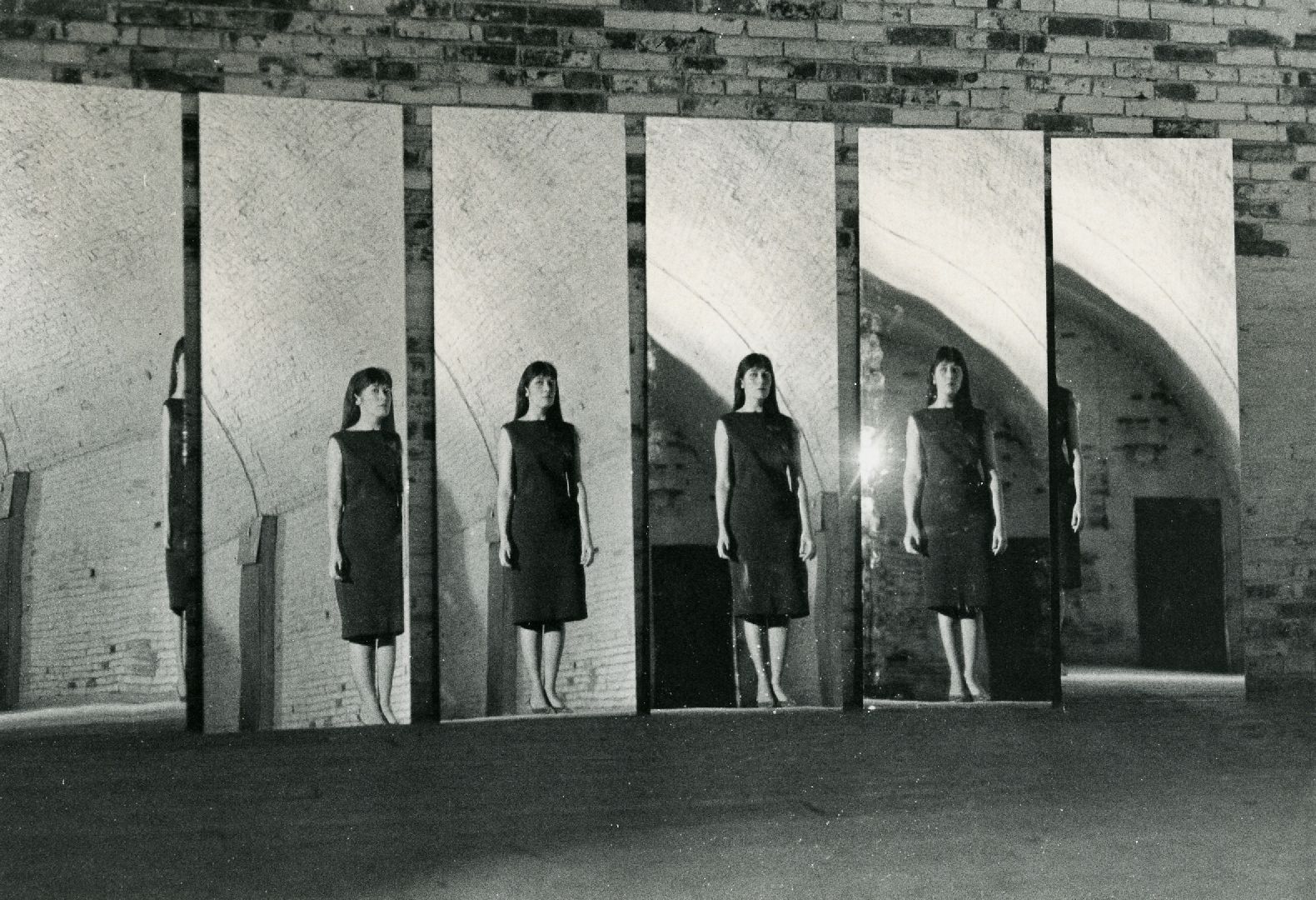
Preceded by Monique Fortier's short film La beauté même
"I have often wondered what constitutes beauty..." So says Monique Miller, who in this short documentary film personifies the universal woman, anxious to please since childhood, vulnerable, depending on the moment, to the gaze of others, to the torture of waiting, to the obsession with tomorrow’s wrinkles. This film, which attempts to define what beauty means to women, as presented to them by the advertising world as the ultimate goal, was made in the 1960s. It is one of the first films to have been made by a woman about women.
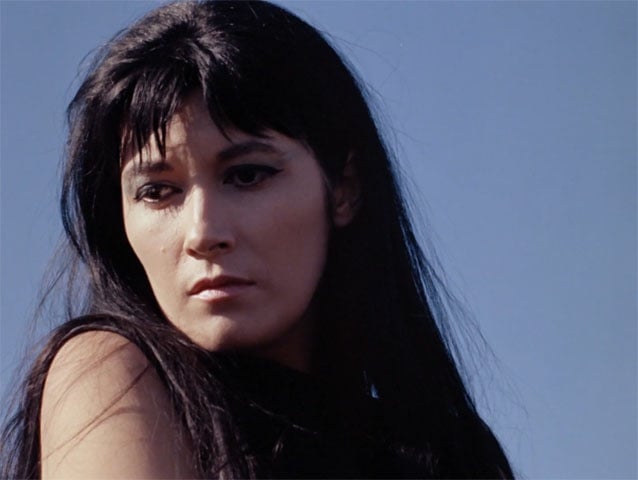
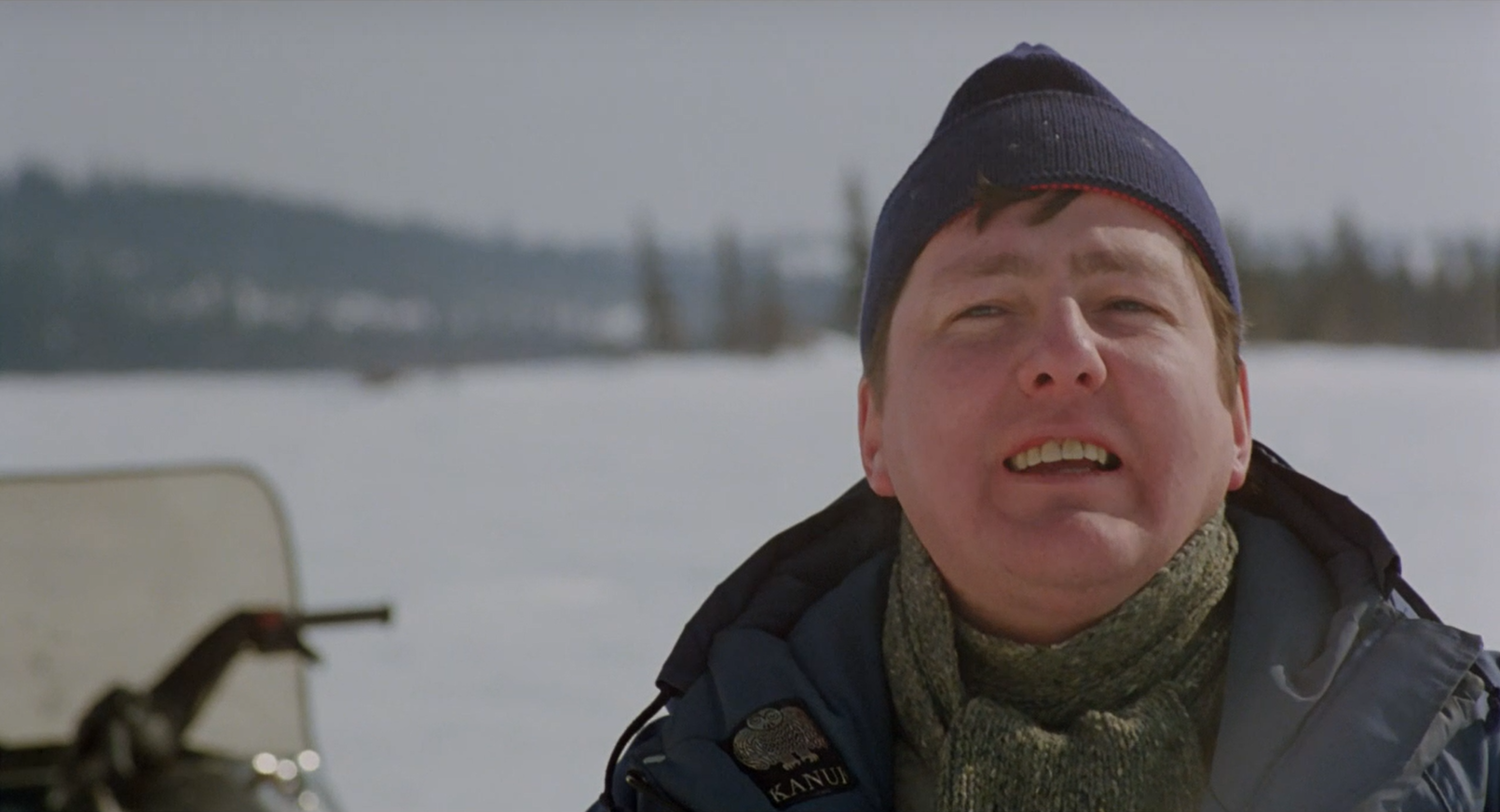
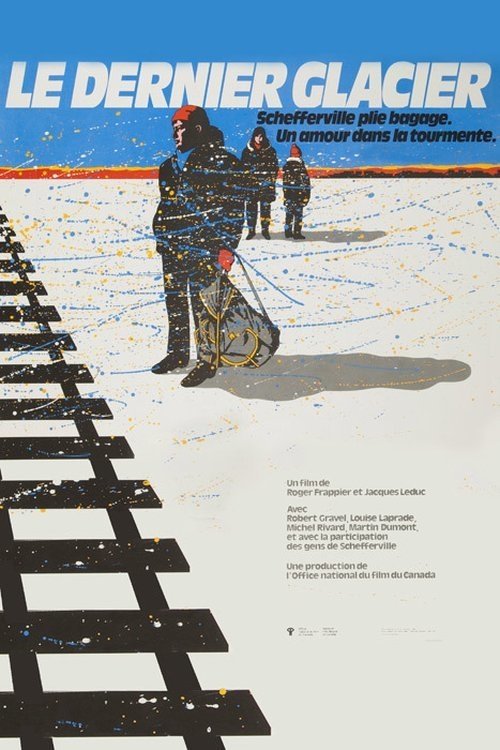
Schefferville, a single-industry town, is closing down because the mine that gave it birth has ceased operation. There is a general exodus. The film singles out Raoul and Carmen, for whom the demise of the town signals the irrevocable breakdown of their marriage. Professional actors mix smoothly with the local population to heighten the documentary aspect of this drama. The resulting docudrama illustrates the vulnerability of the citizens of these artificially created towns.
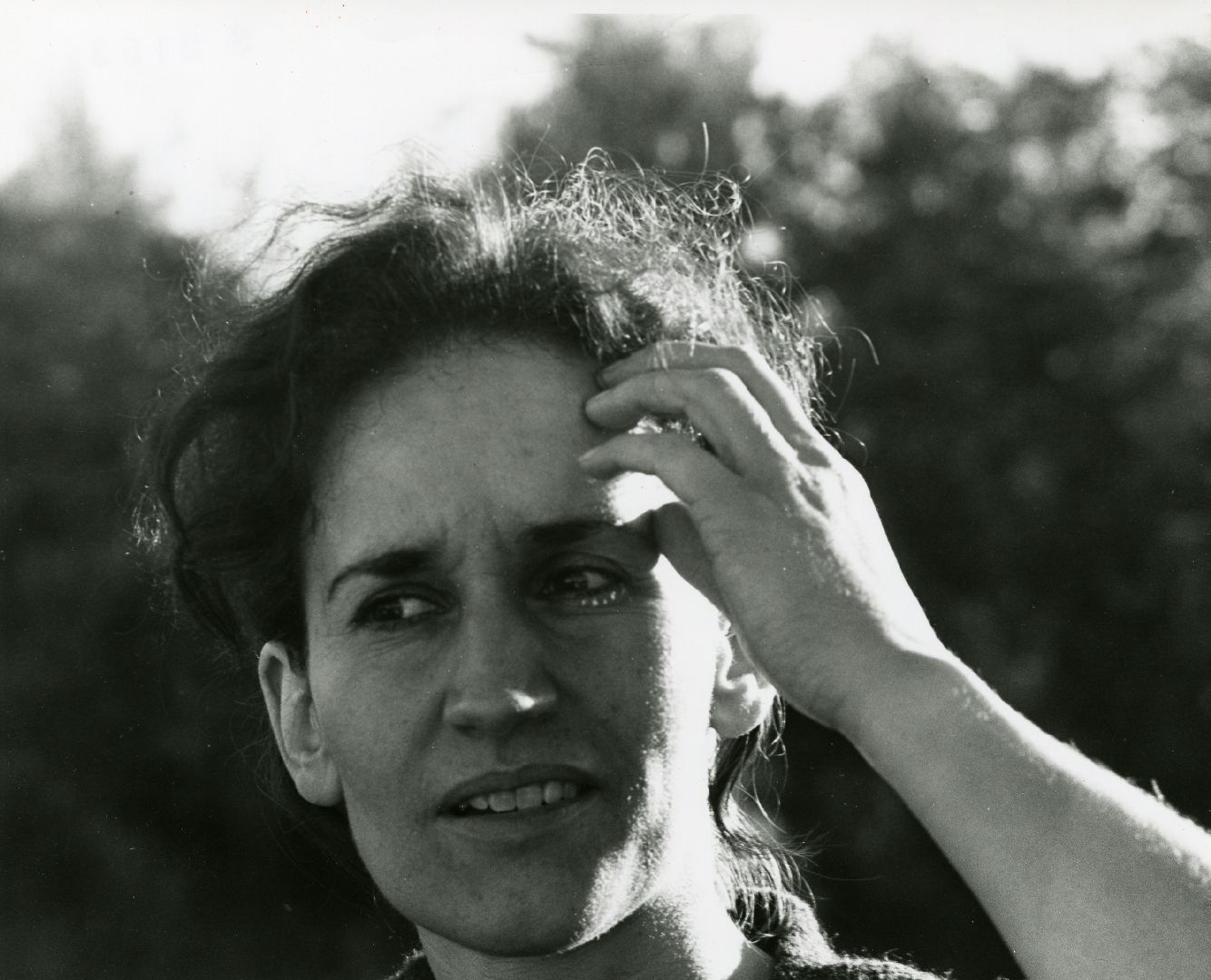
Monique Fortier
Monique Fortier was an editor born in Montreal in 1928. She began her career with the National Film Board of Canada (NFB) in the 1950s, becoming one of the first women to work for the organization. Although she worked principally as an editor, she was also director of the short documentary film À l’heure de la décolonisation in 1963, making her the first French Canadian woman to direct an NFB film. She also directed La beauté même in 1964, but devoted her career primarily to editing thereafter. Her credits include the films À St-Henri le cinq septembre (1962), Les voitures d'eau (1968), L'Acadie, L'Acadie?!? (1971), Le crime d'Ovide Plouffe (1984), Au chic resto pop (1990), and Le grand serpent du monde (1999). She received a Genie Award nomination for Best Editing at the Genie Awards in 1985, for her work on Le crime d'Ovide Plouffe, and won the award two years later for her work on Le déclin de l'empire américain (1986). She is the editor of Roger Frappier and Jacques Leduc's The Last Glacier (1984).
Photo: Collections de la Cinémathèque québécoise
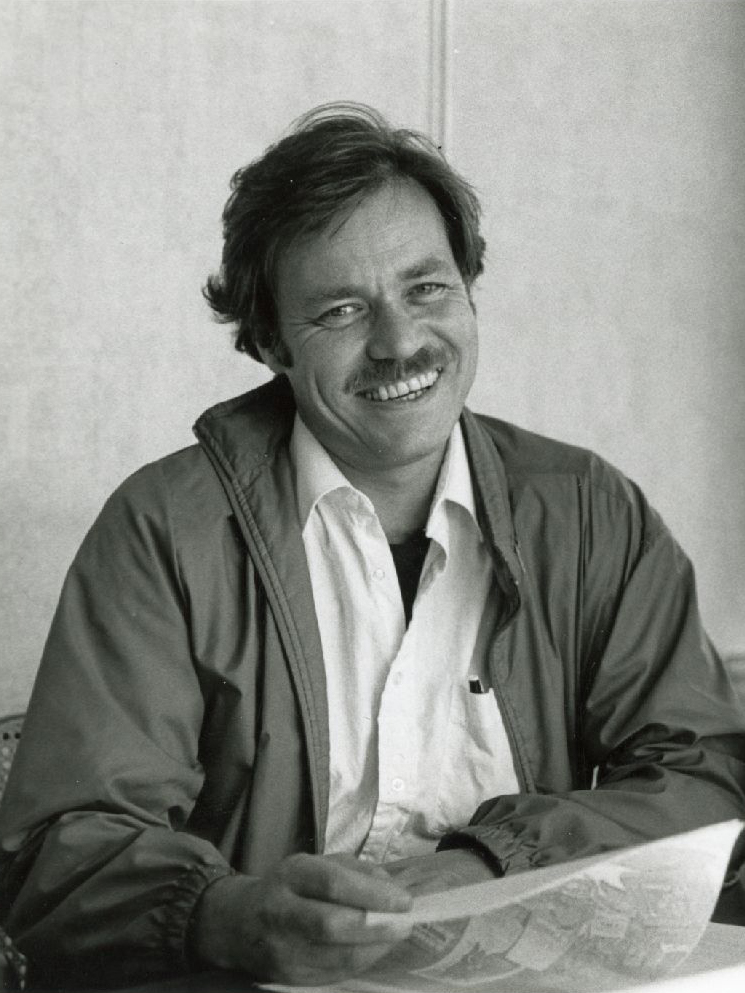
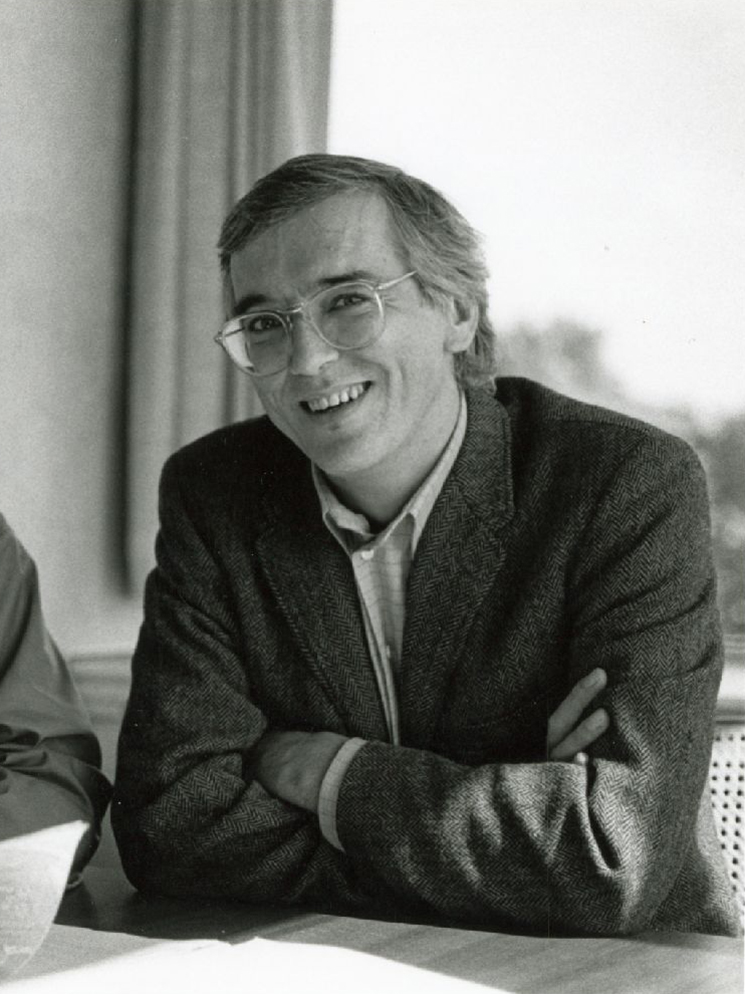
Roger Frappier
Roger Frappier worked in all areas of the film business, from film critic to television commercial director to director/producer of the experimental feature documentary Le grand film ordinaire, until he found his true vocation as a hands-on producer. While at the National Film Board of Canada in the early 1980s, he assembled a group of writer/directors who collaborated on developing edgy, urban dramas. The script for Le déclin de l’empire américain emerged from the process that Frappier had set in motion. With the film's phenomenal success, Frappier rose to the ranks of the top producers of feature films in Quebec. He left the NFB in 1986 and founded Max Films with Pierre Gendron, producing Un zoo la nuit in 1987, winner of 13 Genie Awards. His many other films include Pouvoir intime, Anne Trister, Jésus de Montréal, Ding et Dong, le film and Cosmos. Members of the Cosmos collective went on to make two of the most celebrated works in recent Québécois cinema, Un 32 août sur terre and Maelström, underscoring Frappier’s eye for fresh talent. His 2003 production, the affable Seducing Doctor Lewis, became one of the highest-grossing films at the domestic box office in Canadian film history. In 2010, he was made an Officer of the National Order of Quebec.
Photo: Collections de la Cinémathèque québécoise
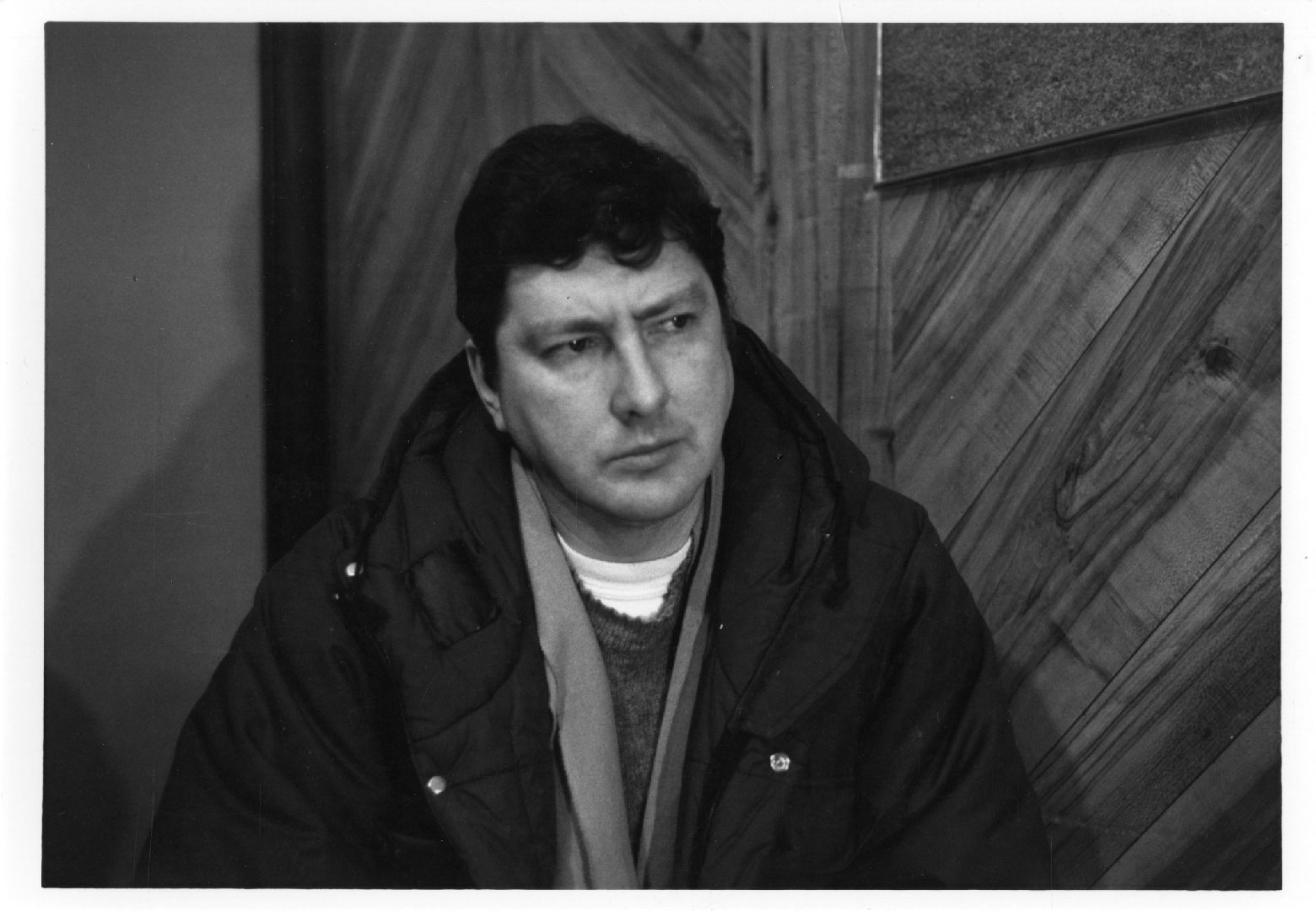
Jacques Leduc
Jacques Leduc is a Quebec cinematographer, director, screenwriter, actor and editor. He began his career in 1961 working as a film critic. He was hired as a camera assistant by the NFB the following year, at the age of 21. Over the next few years, he worked under filmmakers such as Denys Arcand, Gilles Carle, and Don Owen. He directed his first films, mostly documentaries, in the late 60s. Leduc continued working on critically acclaimed films throughout the 70s and 80s such as On est loin du soleil (1970), Tendresse ordinaire (1973), and Trois pommes à côté du sommeil (1988). In 1990, he left the NFB and became a freelancer. In 1992, he directed La vie fantôme, which won Best Canadian Film at the Montreal World Film Festival. Since then, he has primarily worked as a cinematographer. He was awarded the Prix Albert-Tessier in 2008.
Photo: Collections de la Cinémathèque québécoise