The Reenactment
Absurdity was a reality in the socialist republics of Eastern Europe until 1989. It was a response to the failures of the public services, to the pretenses, to the feeling of physical confinement. More than in Western Europe, the absurd in the East was a concrete and daily experience. On the occasion of the 30th anniversary of the liberation of the former "People's Republics", we present works from Ukraine, Lithuania, Latvia, Romania, Poland, Hungary, the former East Germany, the former Czechoslovakia. Most of the films are the first digital restorations. Guest programmer: Gabriel M. Paletz.
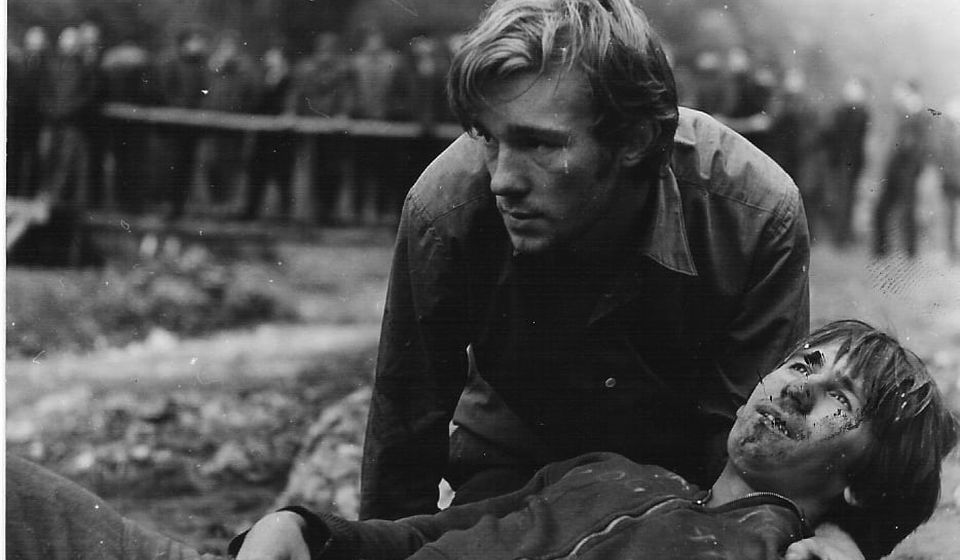
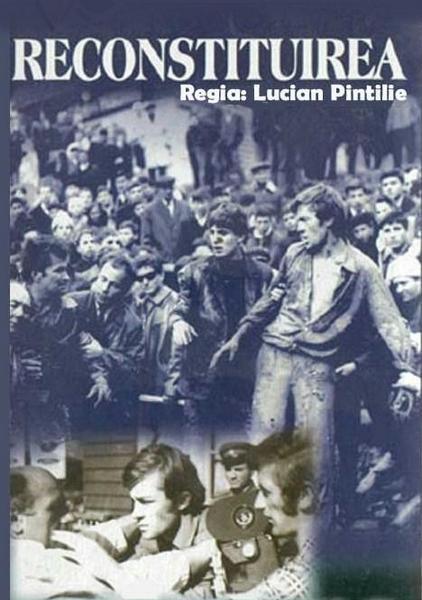
“I come from a country where reconstructions [are] among the most violent means of mystifying and violating reality. . . . [The authorities] banned my film because . . . I was questioning the very principle of a reconstruction,” said director Pintilie. The regimes in the Soviet satellites compelled citizens to participate in public spectacles to express their enthusiasm for an ideology in which no one believed. Through a film that takes the manipulations of a reconstruction as its subject, Pintilie and his collaborators undercut the public theater across the Soviet bloc. In tribute to Pintilie’s passing in 2018, we screen this early picture, which remains a landmark for both the cinema of the socialist states and the Romanian New Wave.
(Gabriel M. Paletz)
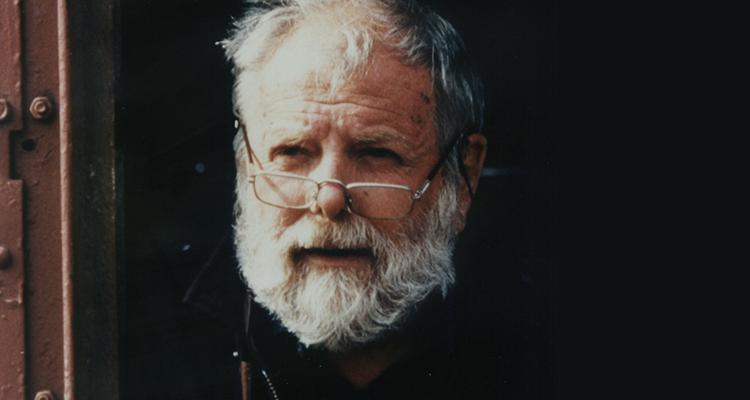
Lucien Pintilie
Lucien Pintilie is a Romanian theater, film and opera director and screenwriter. His career in theater, opera, film and television has earned him international recognition. His productions include Caesar and Cleopatra by George Bernard Shaw, A Place in the Sun by Lorraine Hansberry, My Heart's in the Highlands by William Saroyan and many others. He also directed the classic Romanian comedy Carnival Scenes by Ion Luca Caragiale, which won the Best Director and Best Production awards at the National Theatre Festival of Romania in 1967.
His films also brought him international acclaim: Sunday at Six o Clock won the Jury Prize at the International Film Festival in Mar del Plata, Argentina in 1966, and the Grand Jury Prize at the International Youth Film Festival in Cannes in 1967; in 1968 he directed "The Reconstitution", considered by film historians to be the most important representation of Romanian cinema.