The White Bird Marked with Black
In collaboration with Ukrainian-Canadian programmers Alina Senchenko and Iryna Borzilova, we are presenting a comprehensive overview of Ukrainian film history, spanning nearly a century, from the Soviet era to the present day. A portion of the proceeds from this series will be donated to victims of the war in Ukraine through the Maple Hope Foundation.
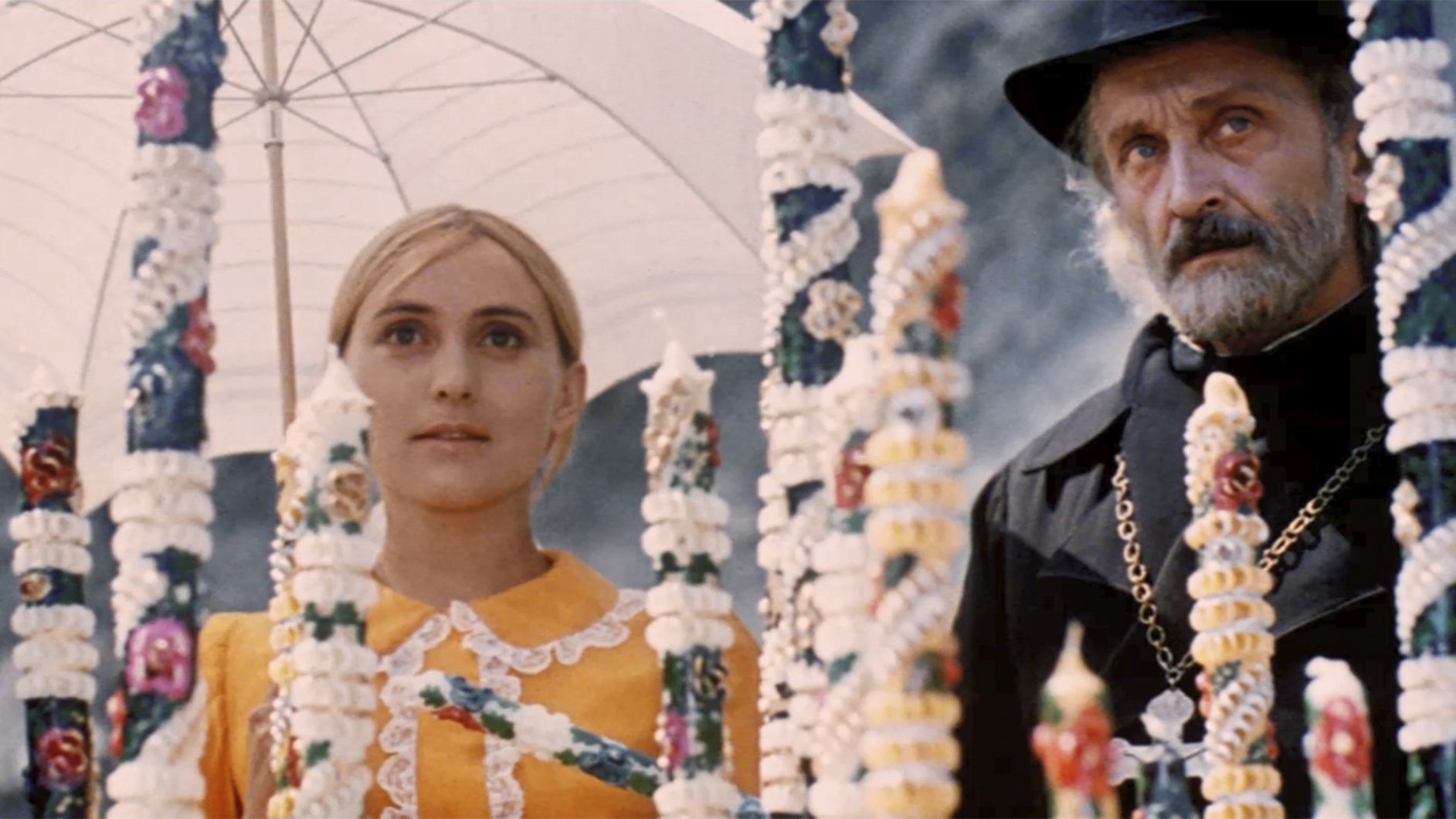
After working as the cinematographer on Sergei Parajanov’s Shadows of Forgotten Ancestors, Yuri Ilyenko went on to become one of Ukraine’s most prominent, acclaimed directors. Among Ilyenko’s directorial contributions to Ukrainian poetic cinema, The White Bird Marked with Black (1971) stands out for being more psychologically realistic and for daring to represent sensitive political topics more directly. Today, this film can easily be read as a metaphor of a Ukraine torn apart in its struggles for self-determination. The White Bird is set among the Hutsul people in the 1930s and 1940s, during and after World War II. A poor family living in Northern Bukovina, near the contested Romanian border, find themselves torn apart by historical forces – and by the forces of lust and love – that pit brother against brother. With The White Bird, Ilyenko continued developing the Ukrainian poetic style, rich with vivid color symbolism, dynamic camera movement and dreamlike montage.
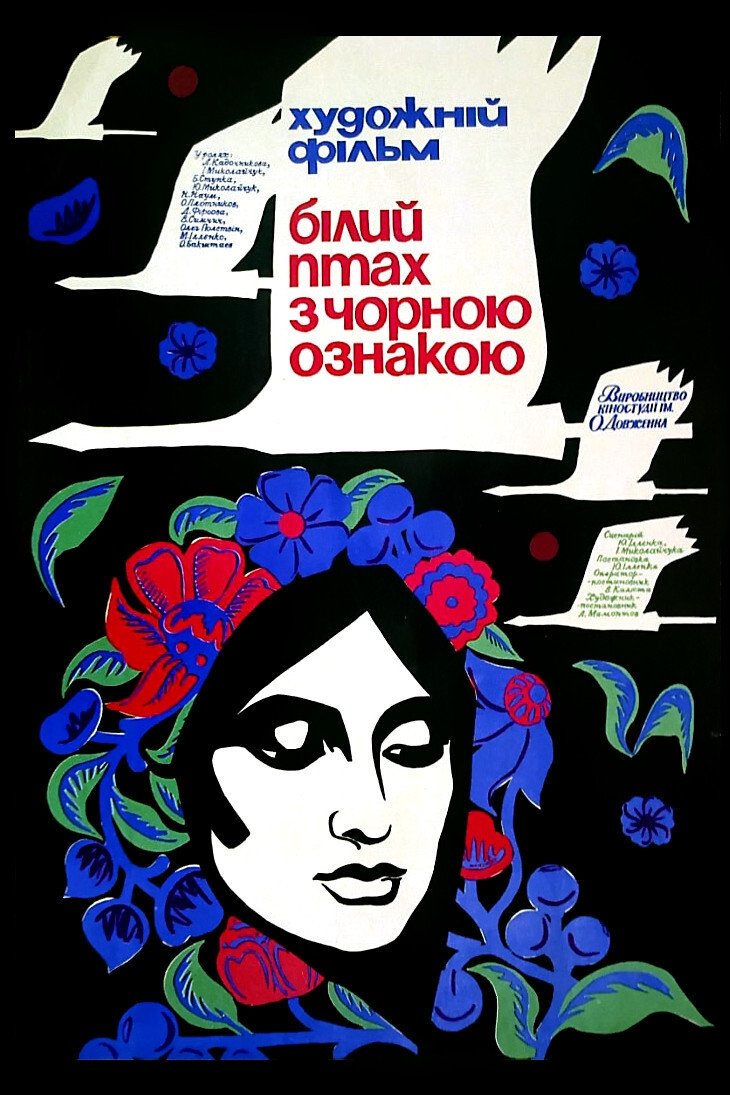
Yurii Illienko
Yurii Illienko was a Ukrainian film director, screenwriter, cinematographer and politician. He directed twelve films between 1965 and 2002. His 1970 film The White Bird Marked with Black was entered into the Moscow International Film Festival where it won the Golden Prize. Ilyenko was one of Ukraine's most influential filmmakers. His films represented Ukraine and what was happening to it. They were banned in the USSR for their suspected anti-Soviet symbolism. Only in the recent years have his films been re-released and open to the public.
Explore
See you on October 3
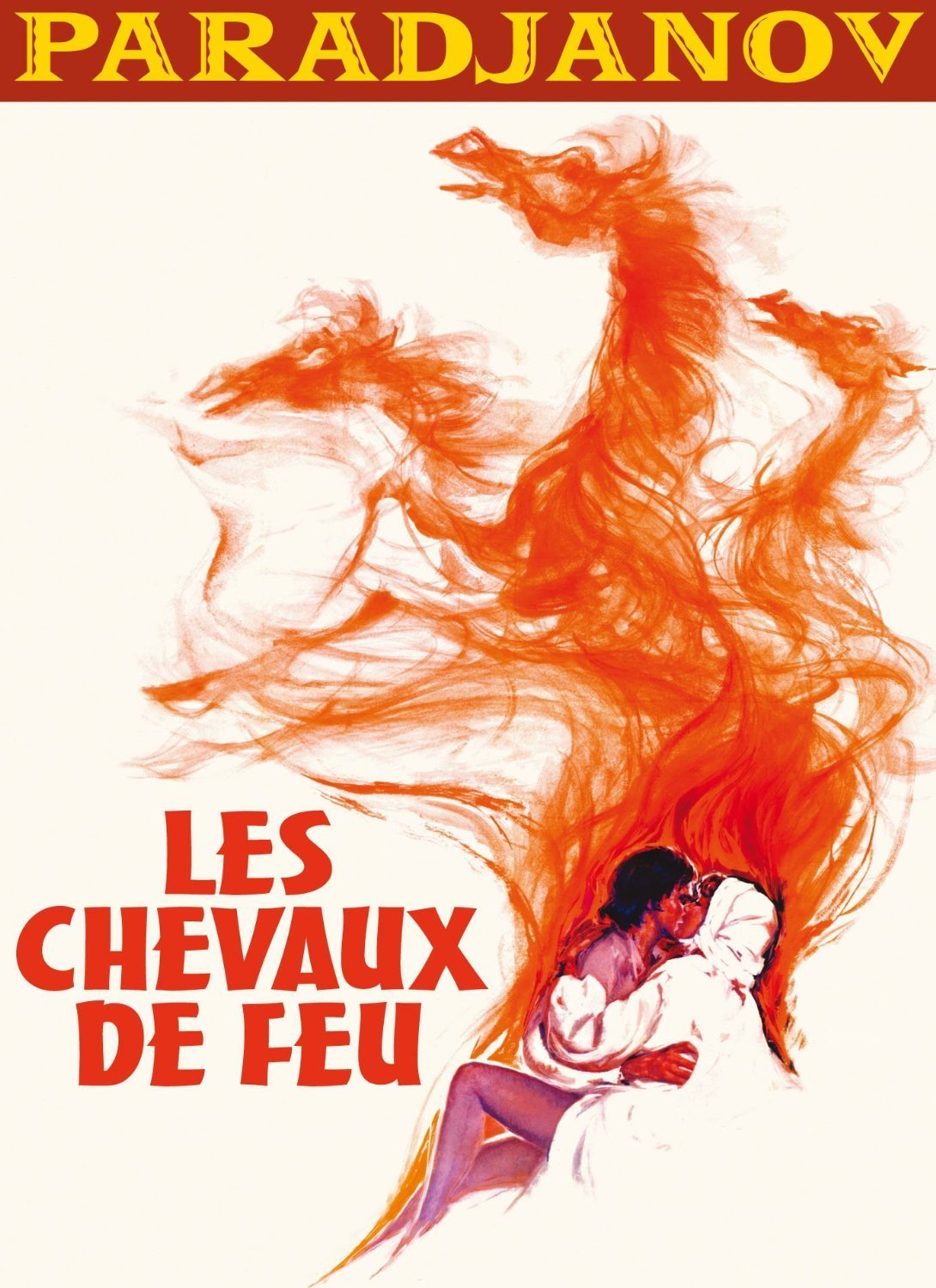
With Shadows of Forgotten Ancestors, Sergei Parajanov makes a complete break with the socialist realist style that had constrained Ukrainian cinematic expression until then. He uses a highly poetic, colorful, impressionistic, paradoxical style to tell a straightforward rural story of love and loss. It remains one of the most important films in Ukrainian cinema history.
Presented in collaboration with