The Wise Guys
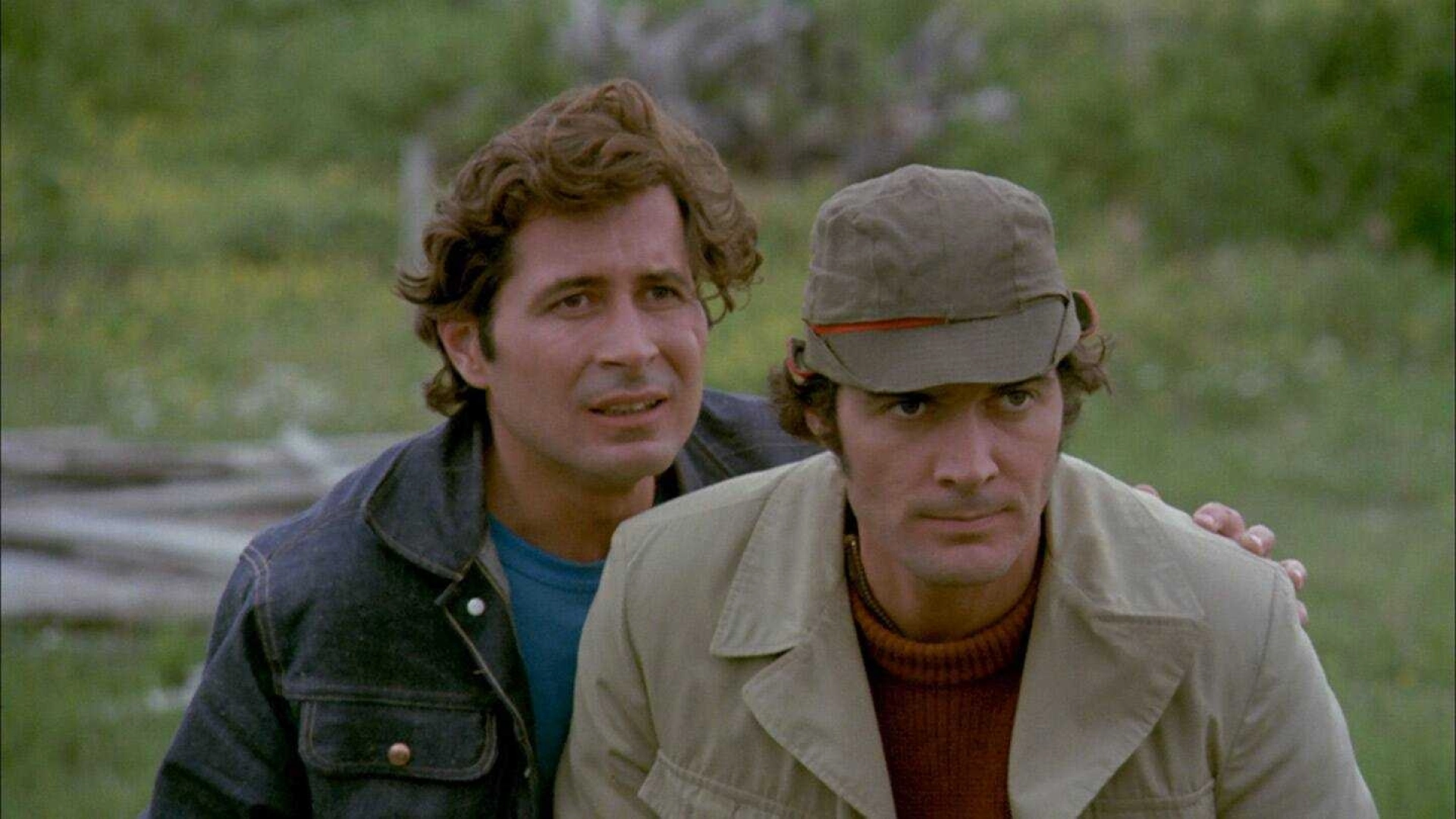
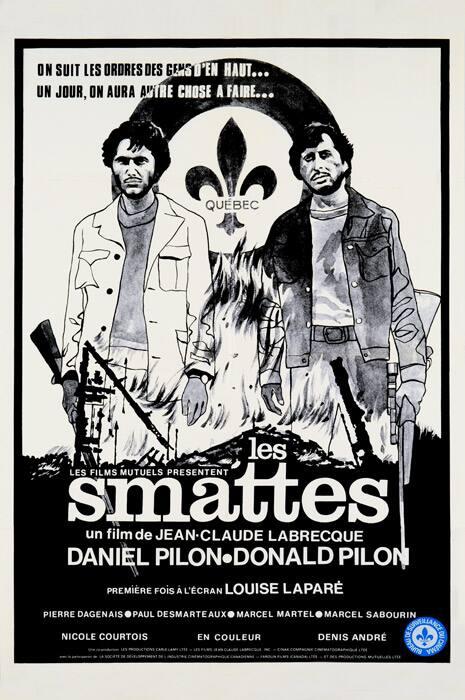
This short program revisits a specific moment in Quebec history by bringing together three films that are virtually the only ones to have addressed it: the forced closure of villages in the Gaspé Peninsula in the early 1970s. Part of the Bureau d’aménagement de l’Est du Québec (BAEQ) regional development plan, these closure were met with resistance from the “Opérations dignité”. On the documentary side, Félix Lamarche’s Terres fantômes returns to these ghostly places, echoing Marcel Carrière’s firsthand account in Chez nous, c’est chez nous. On the fiction side, Jean-Claude Labrecque‘s Les smattes draws on this trauma to tell a story of exile, both geographical and mental.
Presented at the Directors' Fortnight of the 1972 Cannes Film Festival
Two residents of the Gaspé Peninsula stand up against the law to assert their rights.
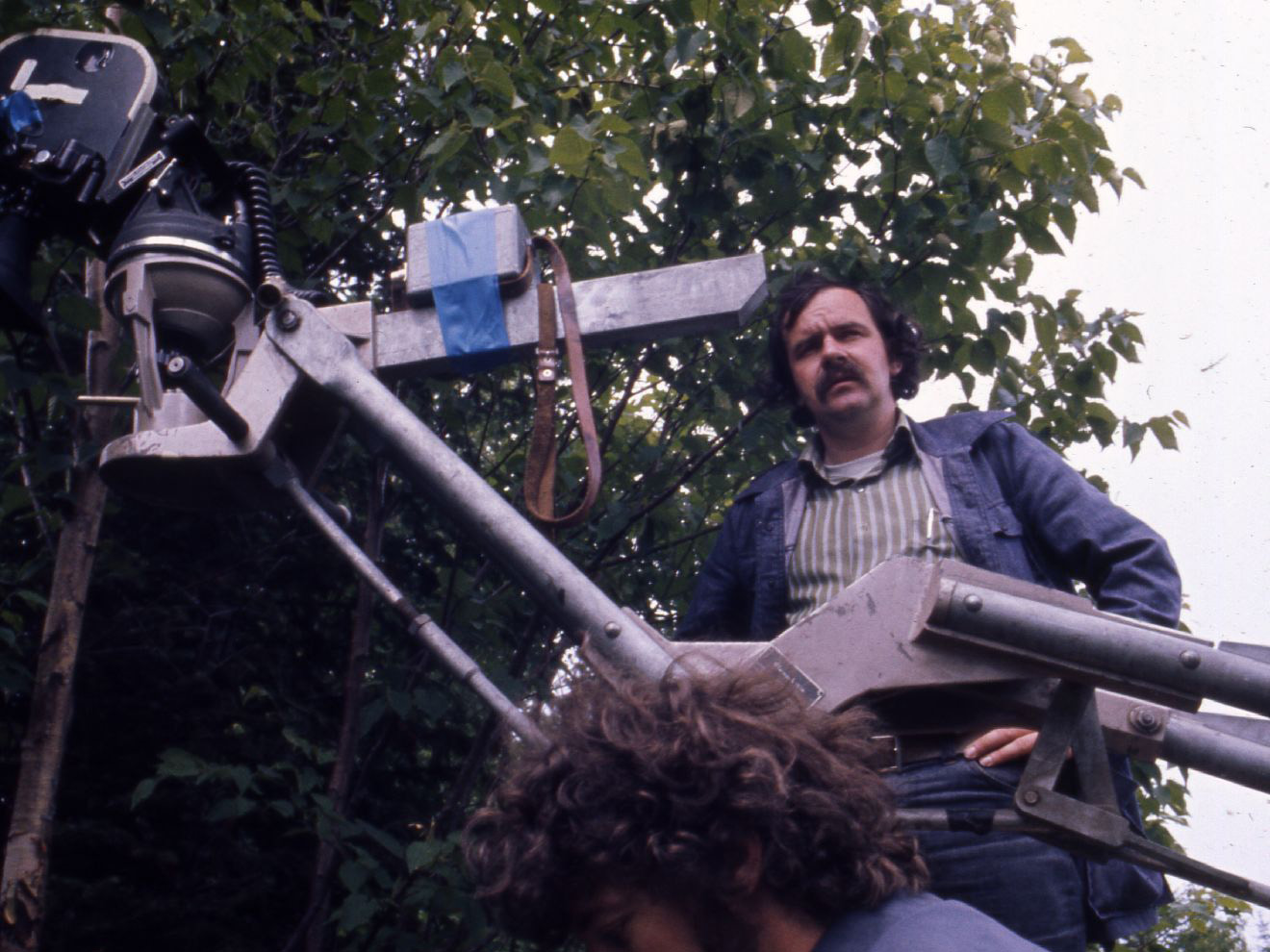
Jean-Claude Labrecque
Jean-Claude Labrecque trained as a camera assistant at the NFB. As a cinematographer, he shot many of the early key films of Claude Jutra (À tout prendre), Michel Brault (Entre la mer et l'eau douce), Gilles Carle (La vie heureuse de Léopold Z), Gilles Groulx (Le chat dans le sac) and Don Owen (The Ernie Game). He left the NFB in 1967 to set-up his own production company, although he continued to freelance with the Board. Throughout his lengthy career, Jean-Claude Labrecque’s interests focused on matters of concern to the Québécois people, whether in sports, culture or politics. His better-known films include La visite du Général de Gaulle au Québec, Games of the XXI Olympiad and his second feature, Les vautours, an eloquent and charming personal meditation on the birth of a generation, considered by critics to be his best film. He also served as Bernard Émond's cameraman on such critically acclaimed films as The Woman Who Drinks, The Novena and Summit Circle. Among his many awards and citations, he won two Canadian Film Awards, in 1964 and 1970, and the Jutra Award for Best Documentary in 2003.
Photo: Collections de la Cinémathèque québécoise