Twenty Years of African Cinema
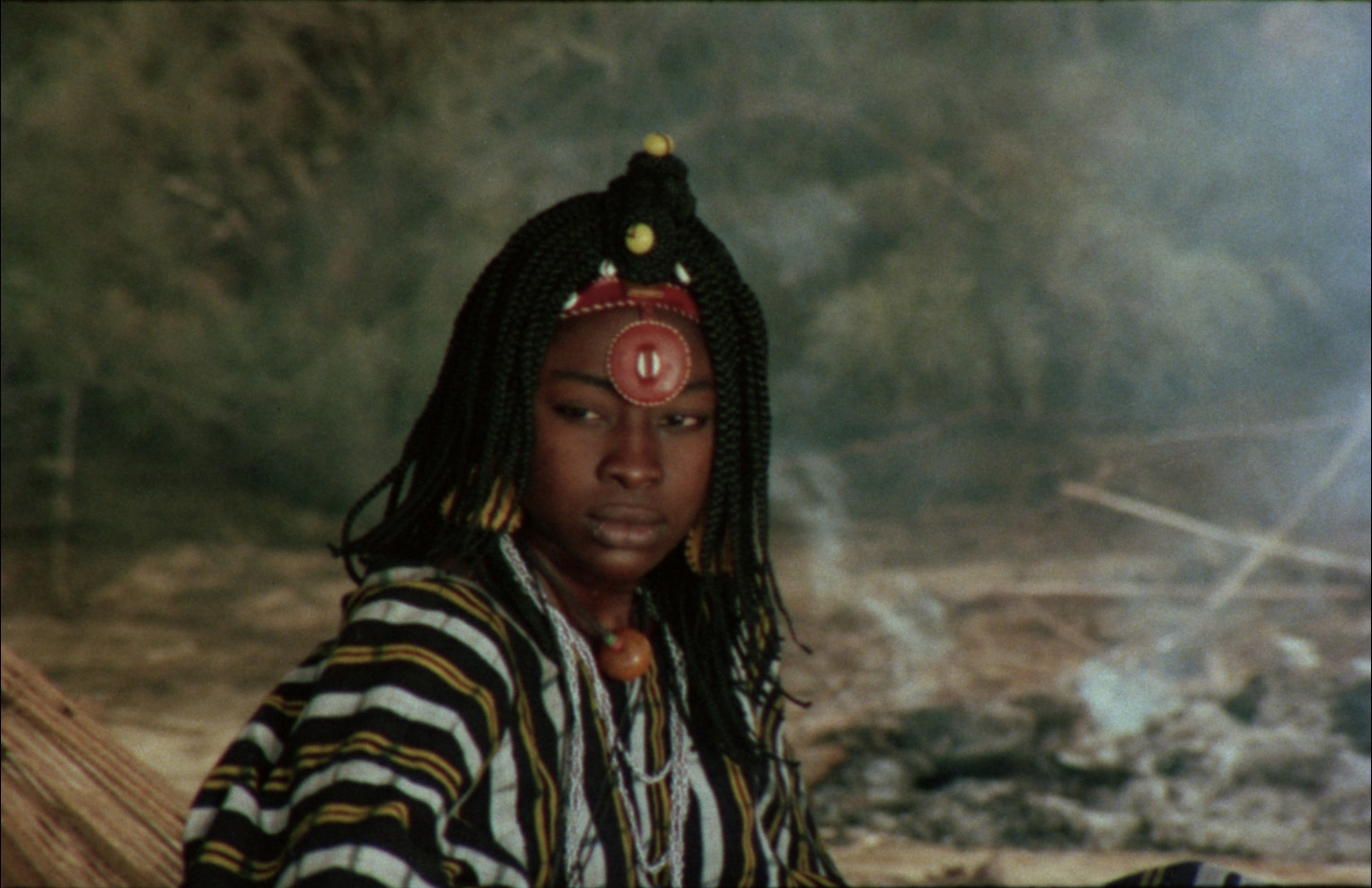
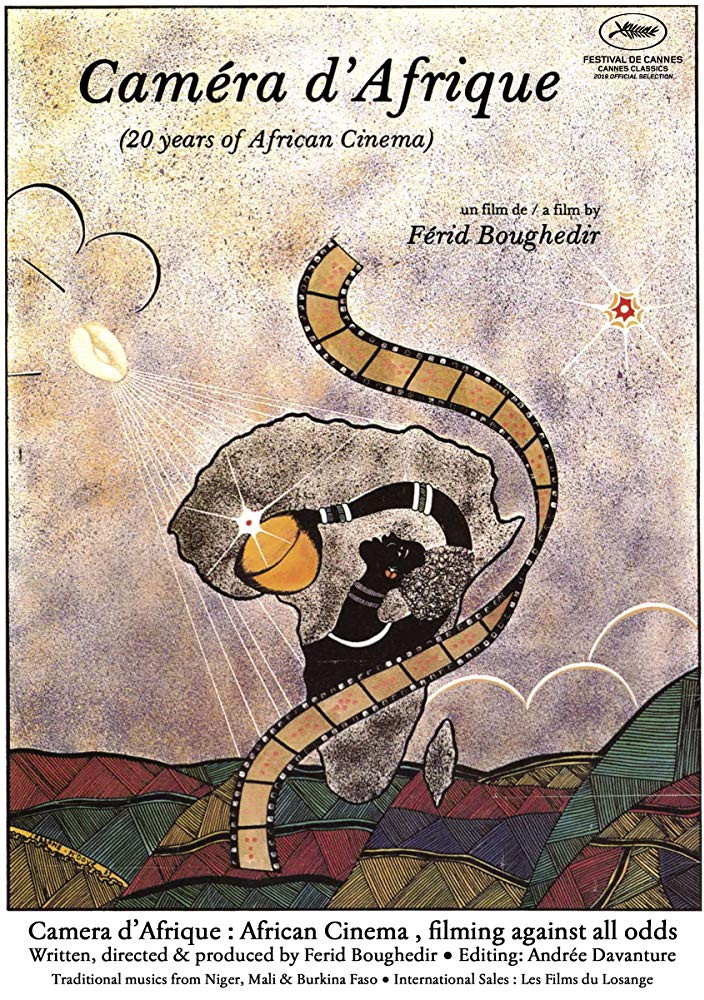
A major figure of Tunisian cinema, Boughedir directed two recently restored complementary films: Twenty Years of African Cinema (presented at Cannes Classics in 2019) and Arab Camera (presented at Il cinema ritrovato in 2025). These two exemplary films synthesize the evolution of Arab and African cinemas from the decolonisation to the turn of the 1980s.
Restored version
Some 70 years after cinema was invented, and after more than half a century of colonial cinema in which Africa was used as an exotic backdrop, but its inhabitants were often depicted as less than human and portrayed in ways that undermined their dignity, Africans in newly independent countries were finally able to operate the camera themselves. Filming in the face of insurmountable obstacles, lacking both equipment and infrastructures, taking whatever support they could get from within Africa or elsewhere, they strove to convey the many and varied realities of Africa as seen by the Africans who had so long been debarred from self-expression. Shot over a decade, Twenty Years of African Cinema relates the first 20 years of the new cohorts of creative filmmakers that emerged in sub-Saharan Africa, documenting an unprecedented hunger for expression that remains unsated to this day.
Férid Boughedir
Férid Boughedir is a Tunisian filmmaker. He is also a film critic and historian, ans director of film festivals and symposiums. He made a name for himself as a film critic through his books and publications on the history of African and Arab cinema. He directed two documentaries that were selected at the Cannes Film Festval: Caméra d’Afrique (1983) et Caméra arabe (1987). His first fiction film, Halfaouine: Boy of the Terraces (1990), won several awards, including the Tanit d'or at the Carthage Film Festival (JCC), and remains, to this day, the most widely seen Tunisian film.

Explore
Presented in collaboration with