Twin Peaks: Fire Walk with Me
From the Kafkaesque journey of Henry Spencer in Eraserhead to the nightmarish drift of the protagonist of Inland Empire, David Lynch has never ceased to take us off the beaten track and over the edge of unsuspected cliffs. The winding roads of the human psyche and discomfort are answered by the intricacies of narrative breakdown and the mise en abyme. The filmmaker opens the doors to parallel worlds reflecting our distorted expectations and challenging our passivity as spectators. There's never a bad excuse to revisit this prolific body of work and experience its vertiginous nature.
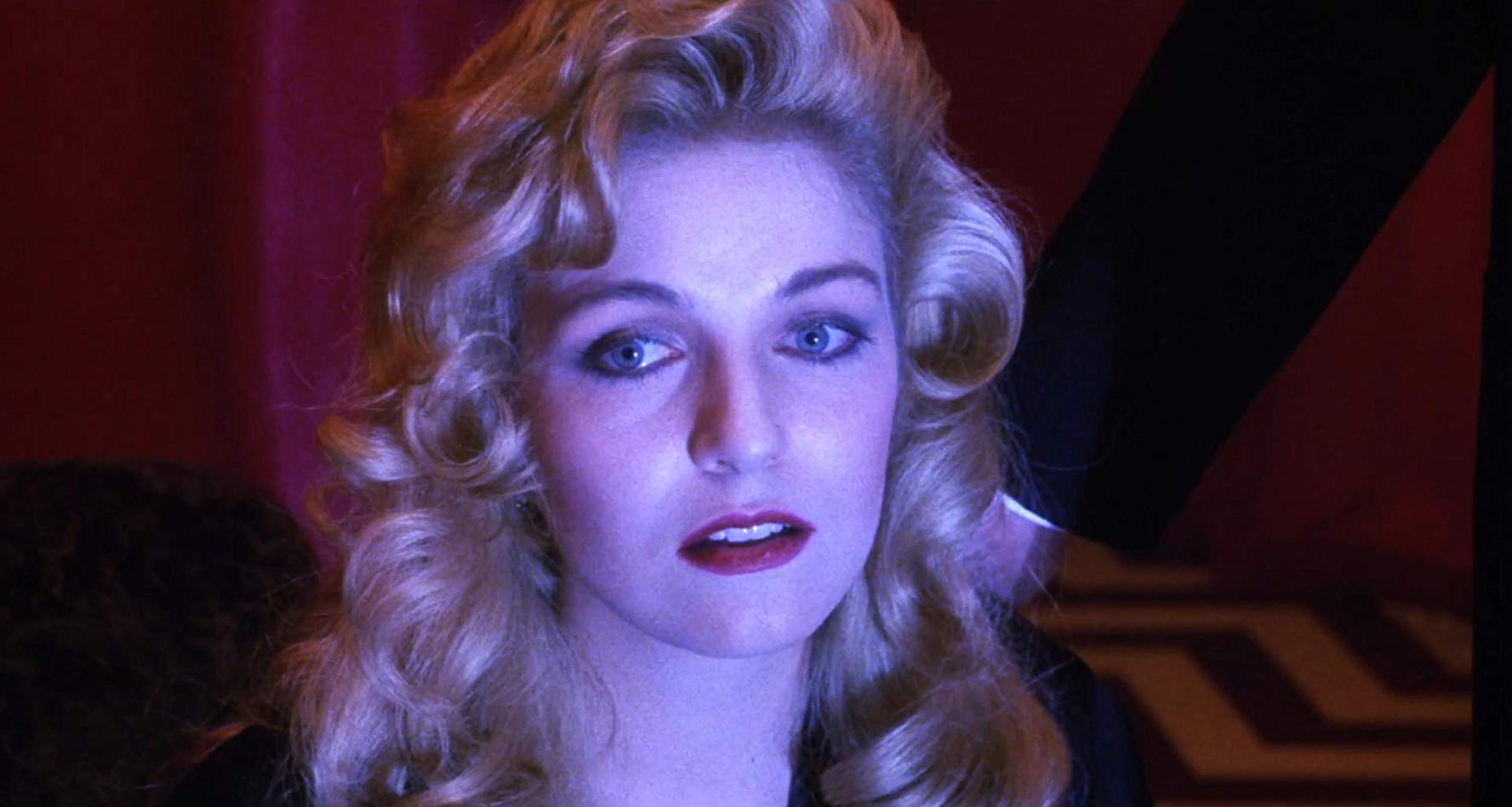
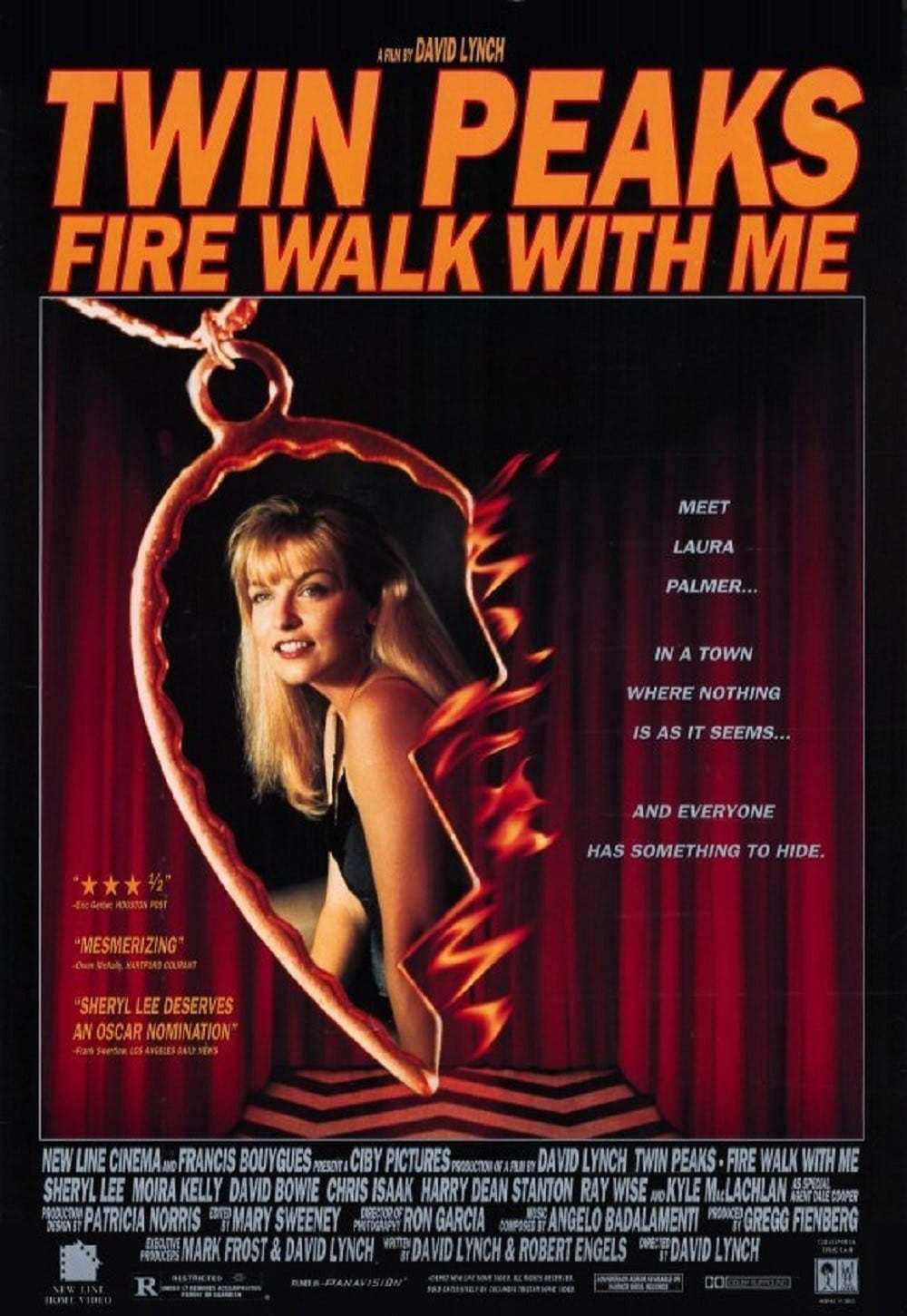
In the town of Twin Peaks, everyone has their secrets—but especially Laura Palmer (Sheryl Lee). In this prequel to his groundbreaking 1990s television series, David Lynch resurrects the teenager found wrapped in plastic at the beginning of the show, following her through the last week of her life and teasing out the enigmas that surround her murder. Homecoming queen by day and drug-addicted thrill seeker by night, Laura leads a double life that pulls her deeper and deeper into horror as she pieces together the identity of the assailant who has been terrorizing her for years. Nightmarish in its vision of an innocent torn apart by unfathomable forces, Twin Peaks: Fire Walk with Me is nevertheless one of Lynch’s most humane films, aching with compassion for its tortured heroine—a character as enthralling in life as she was in death. (Janus Films)
David Lynch
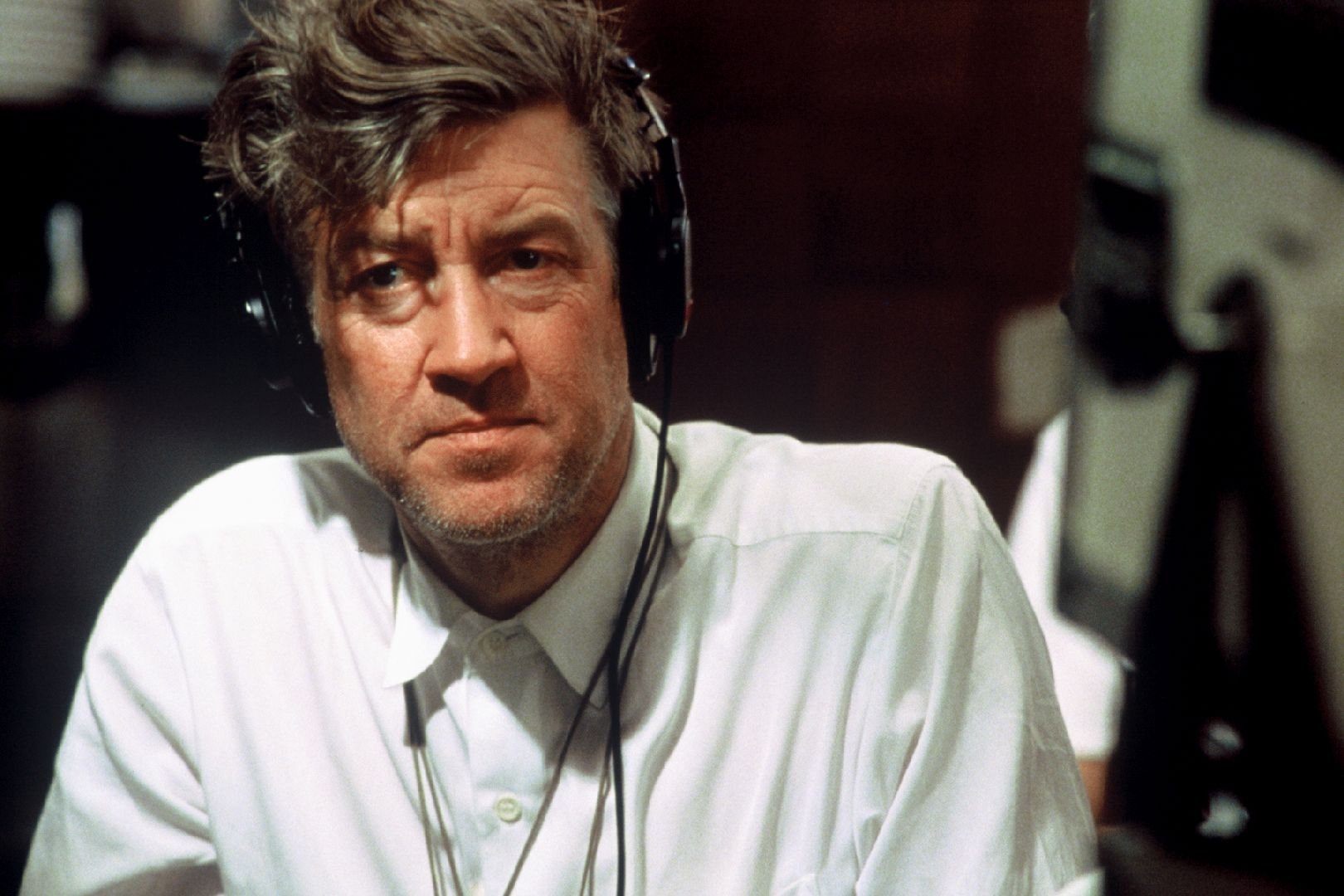
David Lynch was an American filmmaker, screenwriter, and visual artist. Between 1977 and 2006, he directed ten feature films, as well as the cult TV series Twin Peaks, originally aired in 1990-91 and later revived in 2017. Nominated for the Academy Award for Best Director for The Elephant Man (1980), Blue Velvet (1986) and Mulholland Drive (2001), he won the Palme d'or at the 1991 Cannes Film Festival for Wild at Heart, and received the Golden Lion for Lifetime Achievement at the Venice International Film Festival in 2006, and an Honorary Academy Award in 2019. Renowned for his innovative and surrealist style—often described as "Lynchian"—he captivated audiences and critics alike with his dreamlike imagery and meticulous sound design. The often violent and unsettling nature of his films earnd him a reputation for "disturbing, offending, or mystifying" viewers. Lynch's work explores the dark, hallucinatory undercurrents beneath the polished surface of society, whether in small-town America (Blue Velvet, Twin Peaks) ot Los Angeles (Lost Highway, Mulholland Drive). Beyond filmmaking, Lynch has pursued diverse artistic ventures, establishing himself as a painter, photographer, musician, designer, and web video artist.
Photo: Collections de la Cinémathèque québécoise