Ty-Peupe
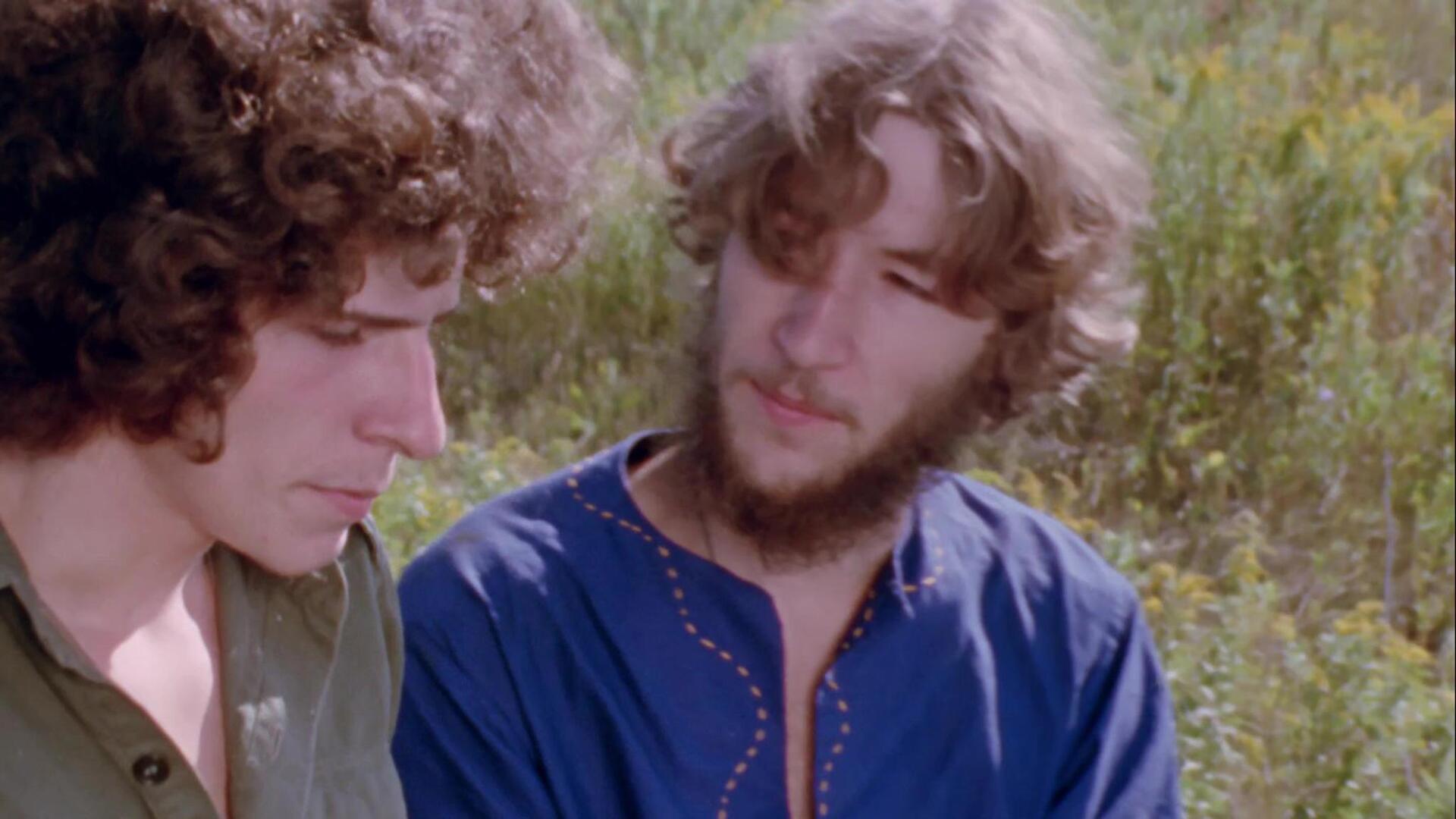
Fernand Bélanger’s first two films share a meditation on our society through a hybrid and exploratory approach, imbued with freedom. We are presenting them in collaboration with La Chapelle Scènes Contemporaines, coinciding with their new performance show, Tsishow, whose creators, Xavier Goulet and Benjamin Therrien, cite Fernand Bélanger as a direct inspiration.
Preceded by short film Ti-coeur
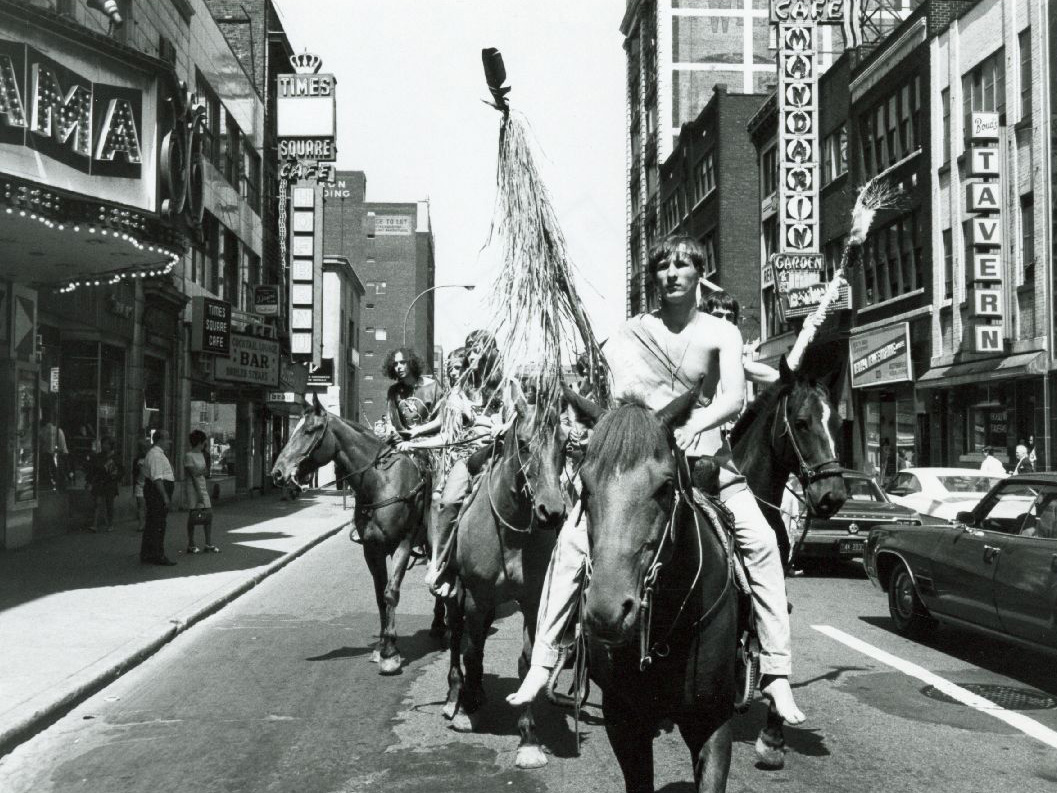
Images of love and freedom personified by a travel enthusiast who does nothing and constantly clashes with the structures of a society he rejects.
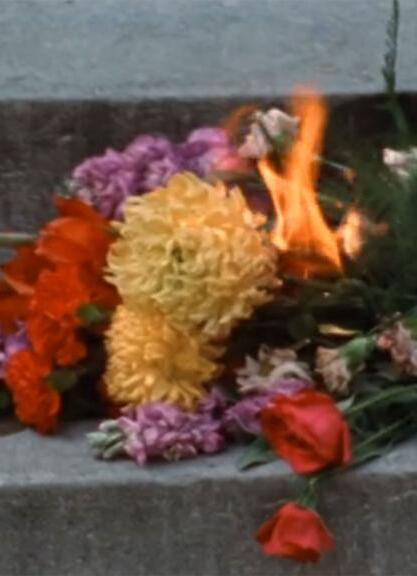
Two eccentric and idealistic youngsters search for work. They discover the society in which they live. For them, who believe in freedom, in people who love each other, who talk and understand each other, the world they explore has nothing that reflects their values. They wander through this materialistic world in which they feel completely alien. Ty-Peupe, with its eloquent imagery, expresses the profound meaning of freedom and the ideals of youth in the context of the counterculture of the early 1970s.
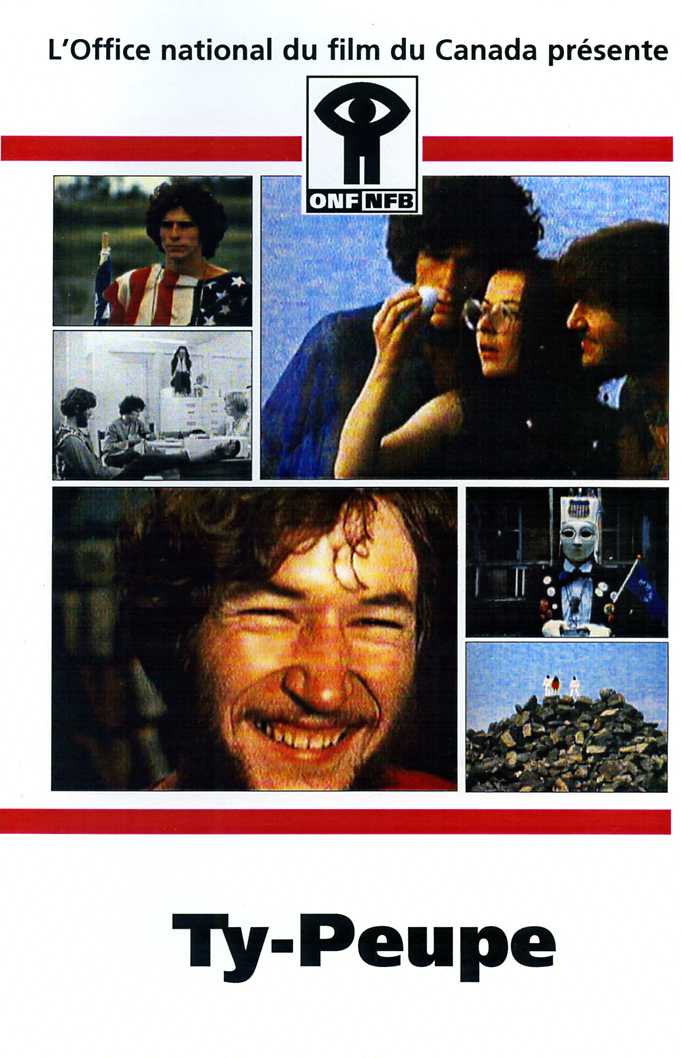
Poster, courtesy of Films du Québec
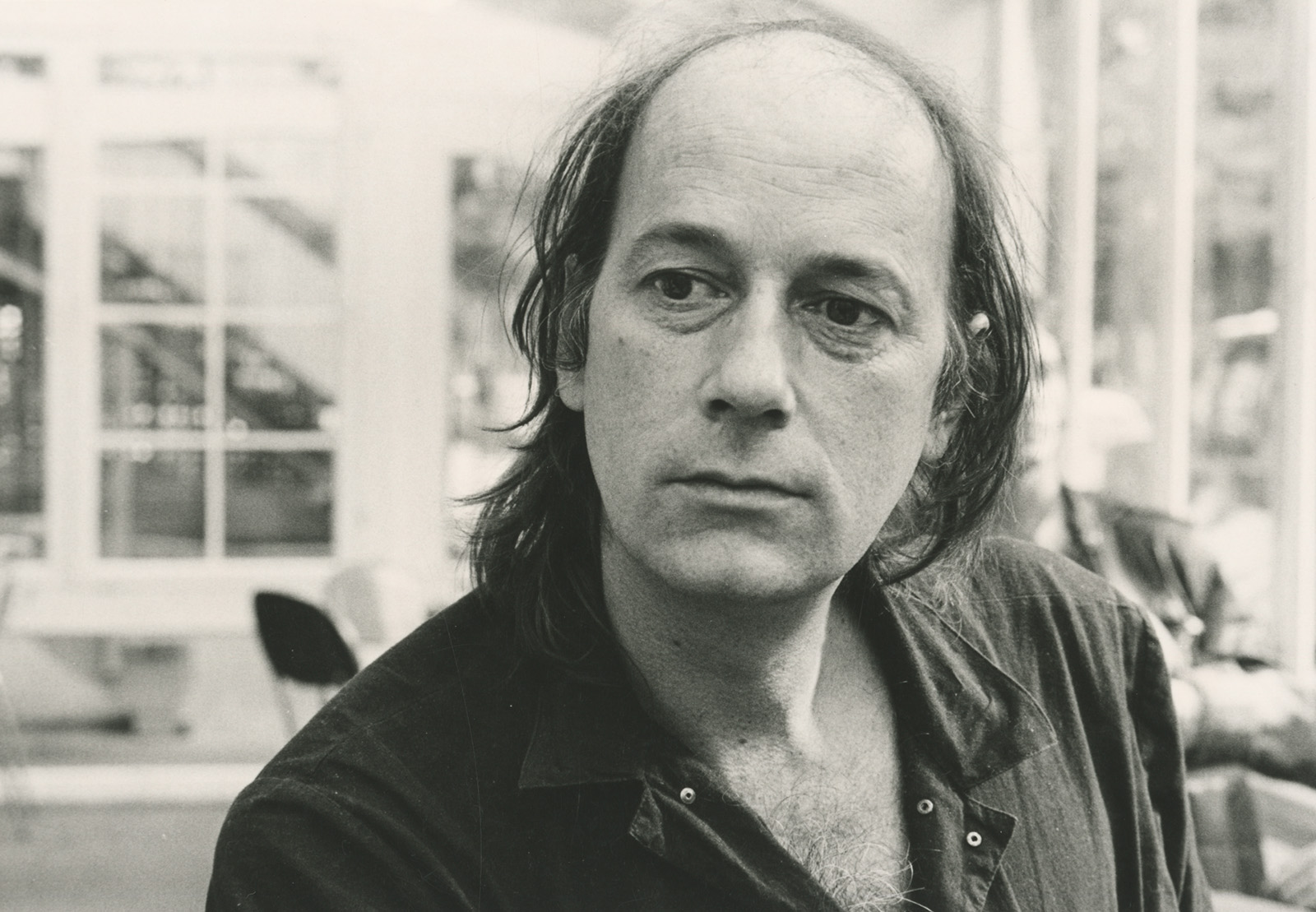
Fernand Bélanger
Born in 1943 in Rivière-du-Loup, Fernand Bélanger was an experimental filmmaker whose work often merged fiction, documentary and animation techniques. He directed seven films for the National Film Board of Canada (NFB) between 1969 and 1985. Through the First Works program, he directed Ti-cœur (1969), a portrait of Montreal combining fiction and documentary footage that begins as a road movie. With a soundtrack by Claude Dubois, the film is a fascinating project that contains improvisation and a troupe of actors playing different roles. The feature-length drama Ty-Peupe (1971), about two young people looking for work in a society that don’t correspond to their values, again blurs the line between fiction and non-fiction cinema. In the feature documentary De la tourbe et du restant (1979), Bélanger decides to paint and animate by hand the intertitles directly onto the film, a technique that would enrich his other projects. He then directed L'émotion dissonante (1984), L’après-cours (1984) et Love Addict (Offenbach) (1985), an homage to the legendary Quebec rock band with animation by Pierre Hébert. His last film with the NFB, Passiflora (1985), is a slow-paced, experimental portrait of Montreal’s “otherness”. Outside the NFB, Fernand Bélanger directed a few films, including the documentary Le trésor archange (1996) and the animated short film Après le déluge (2003).
Photo: Alain Gauthier | Collections de la Cinémathèque québécoise
Explore
Presented in collaboration with