Who Framed Roger Rabbit
Giants, fairies, magicians, ghosts, dragons, and monsters of all kinds… Here’s what your Cinémathèque has in store this summer! Since Méliès, filmmakers have embraced the fanstastic potential of cinema, creating infinite phantasmagorias and extraordinary spectacles where the unreal becomes real. Step into a world of fantasy and boundless imagination: whatever your generation, the monsters and wonders that once filled your childhood dreams are back this summer 2025!
Winner of four Academy Awards in 1989, including Best Visual Effects
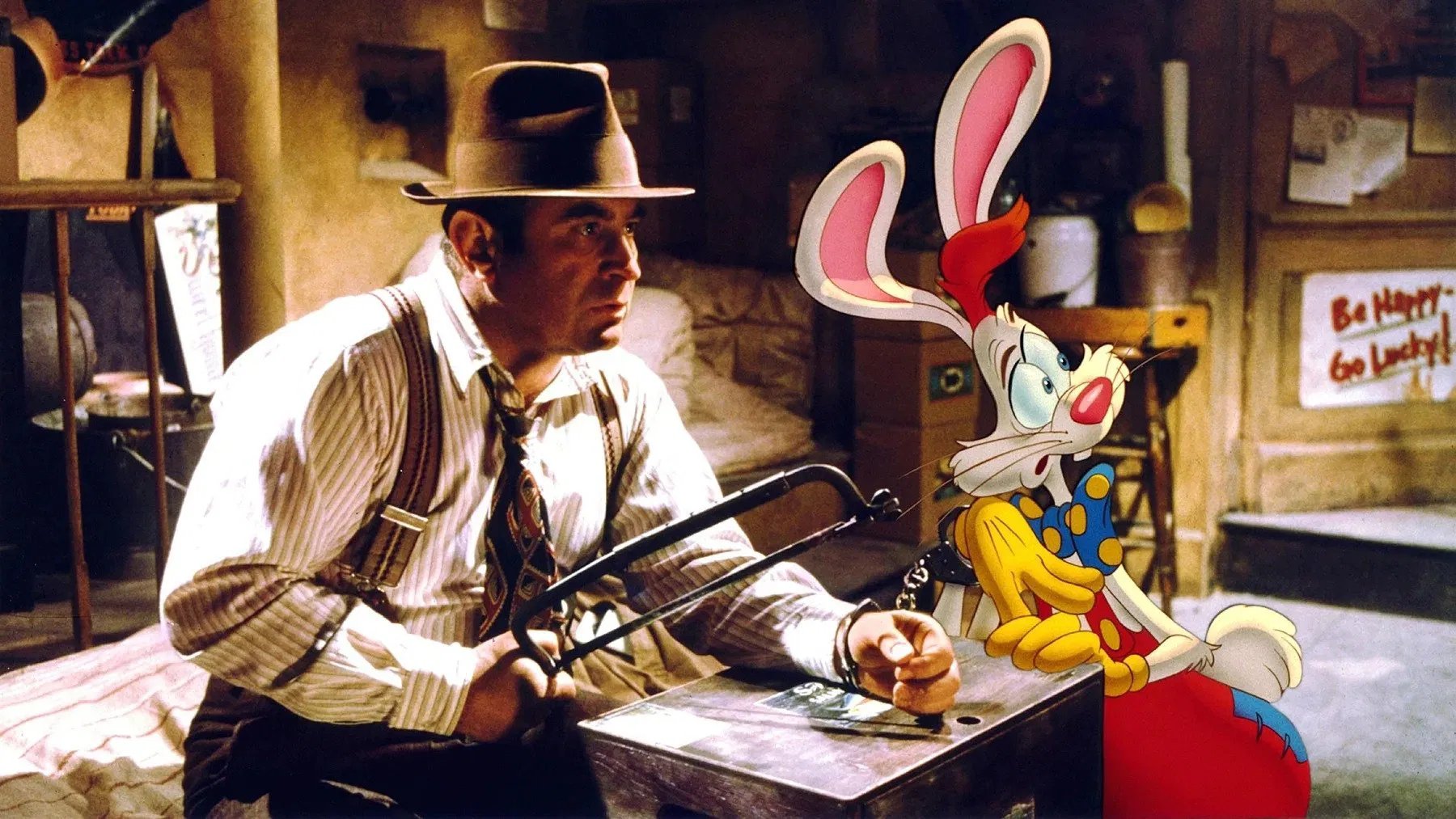
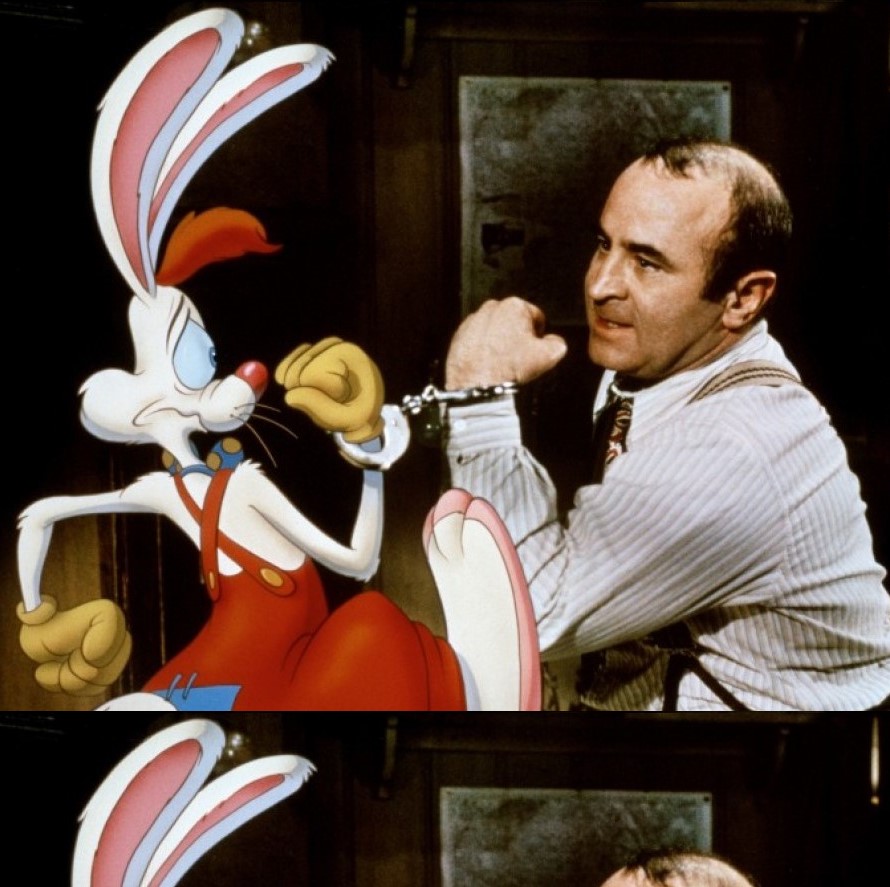
Toonville is a place where humans and animated characters live together. Roger Rabbit, an animated white rabbit, is deeply disturbed while filming because he believes his wife is being unfaithful. The company that employs him hires a private detective to unravel the mystery and put an end to the distraction. Renowned for the quality of its interweaving of animation and live-action, this film set new standards.
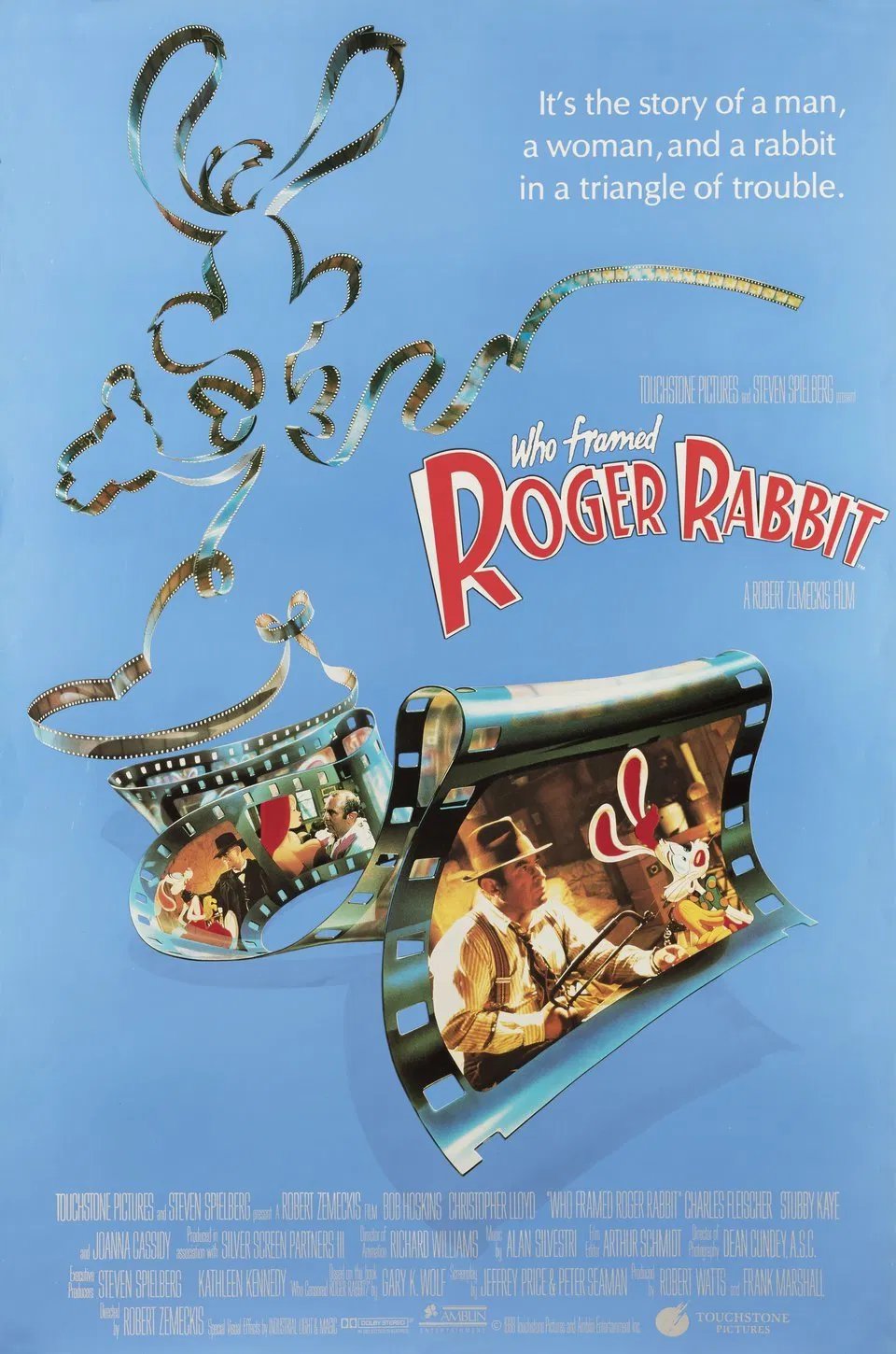
Robert Zemeckis
Robert Zemeckis is an American director, producer, and screenwriter. After winning a Student Academy Award for his short film A Field of Honor, he caught the attention of Steven Spielberg, who produced his first two films. He gained wider recognition with the adventure film Romancing the Stone, where he collaborated with composer Alan Silvestri, who provided the score for all of his subsequent films. This success propelled him to direct the Back to the Future trilogy (1985-1990) and the groundbreaking Who Framed Roger Rabbit (1988), where he perfected a technique blending animation with live-action shots, earning the film four Academy Awards. In 1994, Zemeckis triumphed again at the ceremony with Forrest Gump, winning Best Director. The film ultimately received 6 Academy Awards, including Best Picture. Following another hit with Tom Hanks in Cast Away (2000), he pioneered a new motion capture technique, radically changing by freeing them from the constraints of reality. He directed films like The Polar Express (2004), Beowulf (2007), and A Christmas Carol (2009) using this technology before returning to more traditional filmmaking.

_(cropped).jpg)