Winchester '73
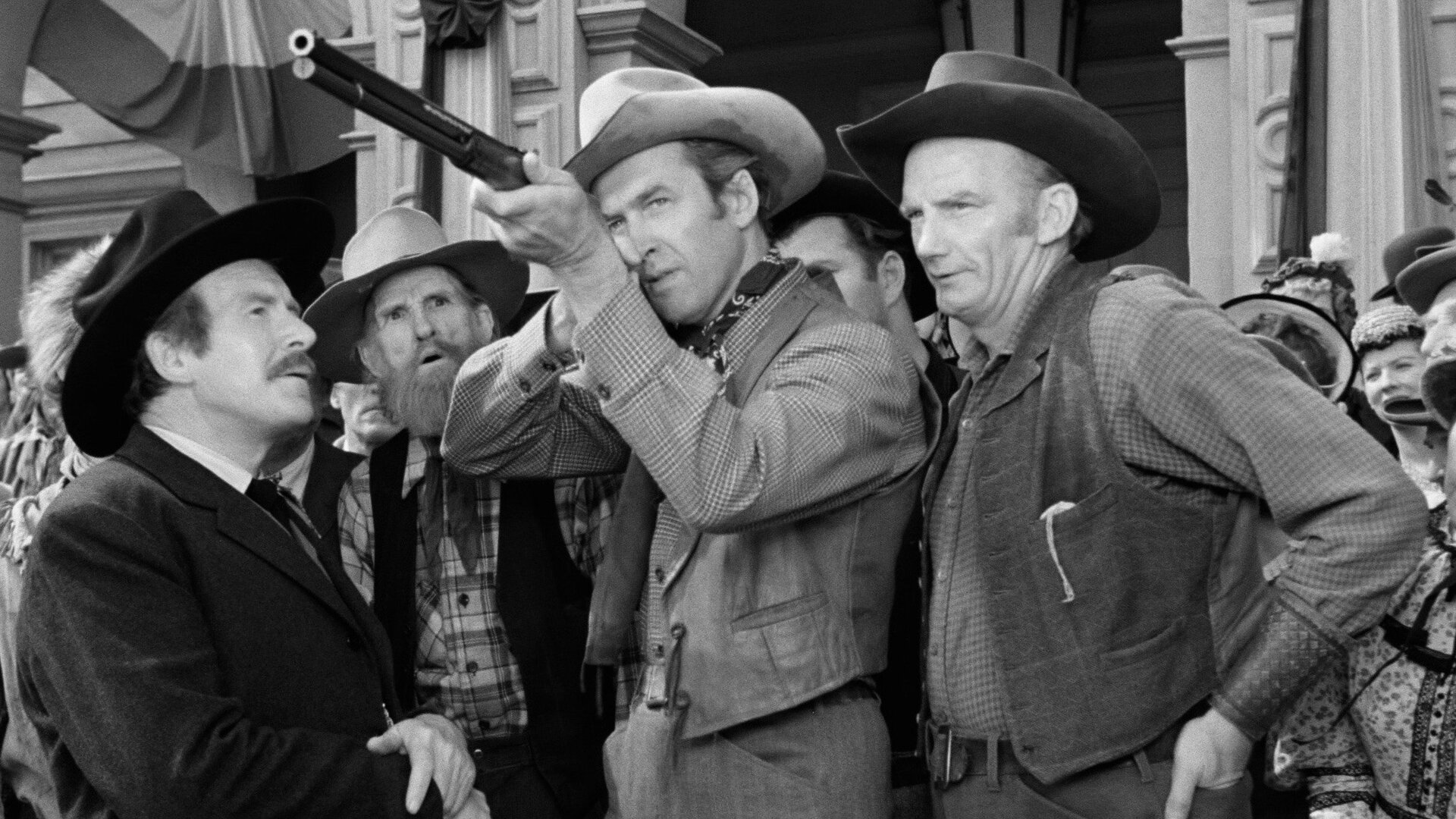
Action! If there’s one word associated with cinema, the tension of movie sets, and the focus of attention, it’s this one. Action is very often at the heart of popular cinema: Harold Lloyd hanging from the clock hands in Safety Last! (1923), Cary Grant threatened and strafed by a plane in North by Northwest (1959), Franka Potente gasping for air in Run Lola Run (1998)... Westerns, swashbuckler films, martial arts or adventure flicks, thrillers, all these genres rely on action—sometimes frenetic, sometimes meticulously measured.
From movies by Sergei Eisenstein to Gilles Carle, from John Ford to John Boorman and Werner Herzog, via Paul Verhoeven, Kathryn Bigelow, Park Chan-wook, Érik Canuel, and Nicolas Winding Refn, this series will take you through the full range of emotions, from laughter to thrills, from fear to satisfaction.
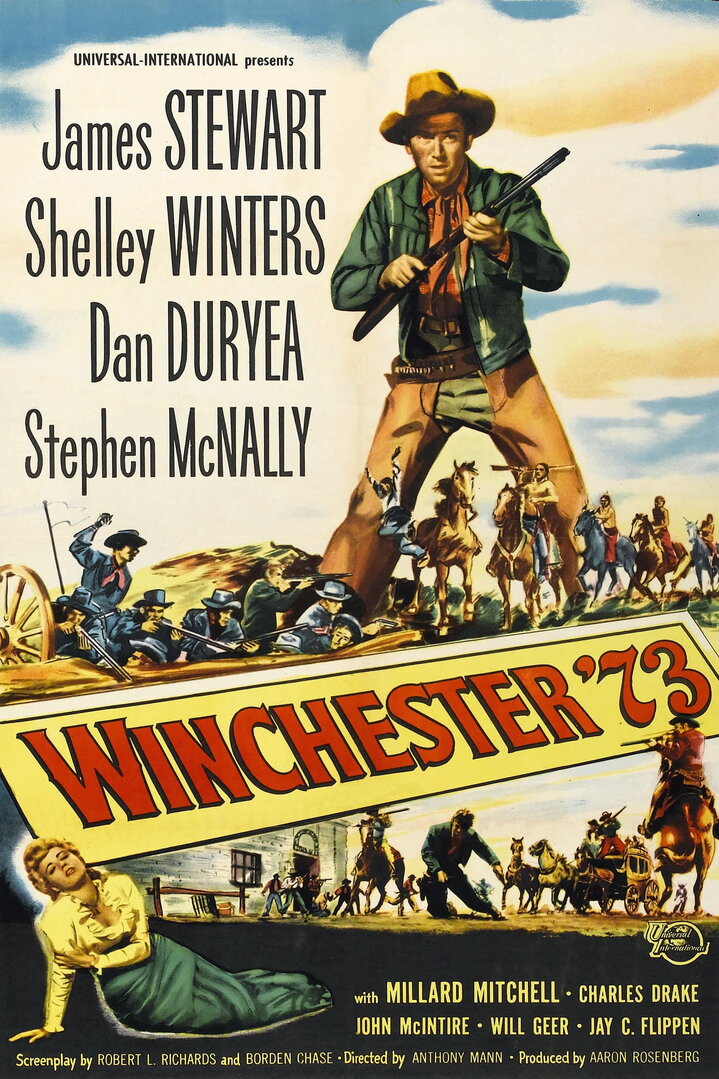
Lin McAdam is on the hunt for Dutch Henry Brown, with whom he has a score to settle. They happen to face off in a shooting contest to win a Winchester '73 rifle. Lin wins, but Dutch manages to snatch the rifle from him. Now Lin has a second reason to go after Dutch...
Anthony Mann
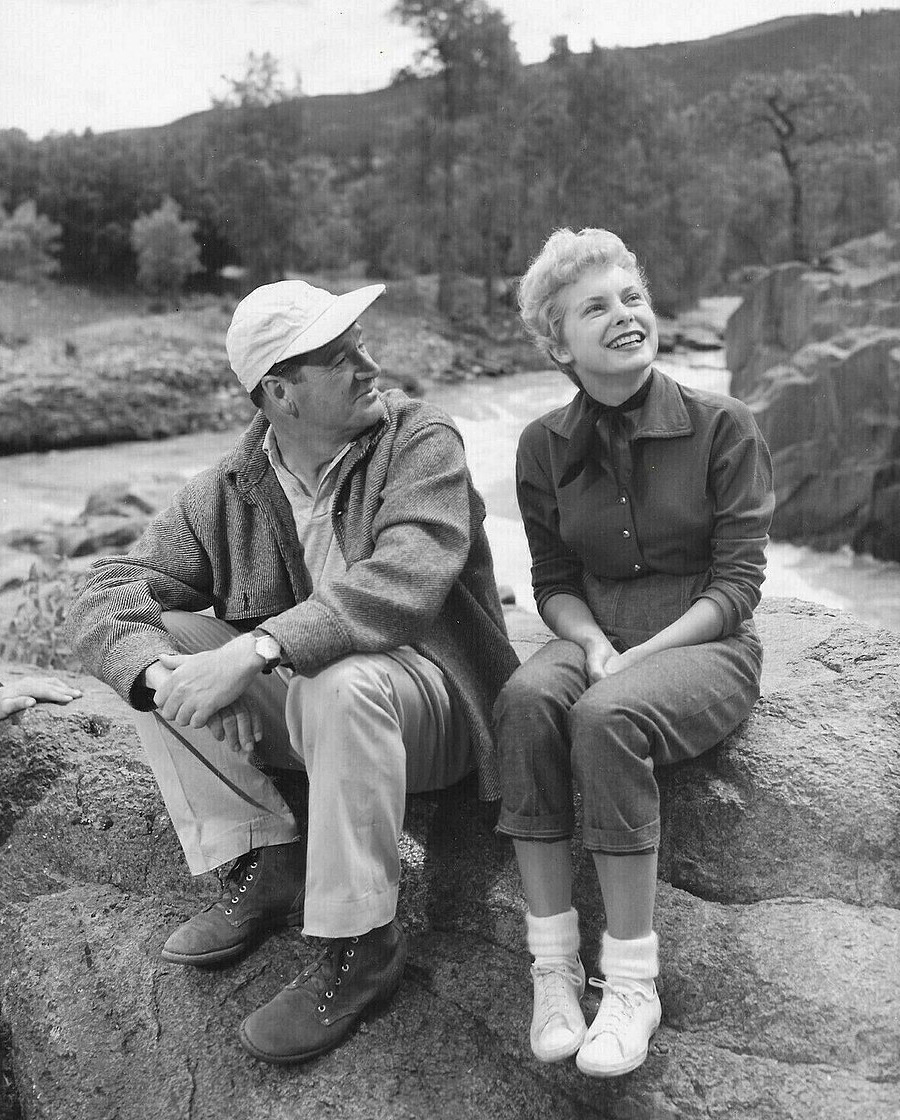
Anthony Mann was an American film director. He came to prominence as a skilled director of film noir and Westerns, and for his historical epics. He started as a theatre actor appearing in numerous stage productions and moved to Hollywood where he worked as a talent scout and casting director. He then became an assistant director, most notably working for Preston Sturges. He made his directorial debut with Dr. Broadway (1942) and had his first major success with T-Men (1947), garnering notable recognition for producing several films in the film noir genre through modest budgets and short shooting schedules. During the 1950s, Mann shifted to directing Western films starring several major stars of the era, including James Stewart. He directed Stewart in eight films, including Winchester '73 (1950). While successful in the United States, these films became appreciated and studied among French film critics, several of whom would become influential with the French New Wave. In 1955, Jacques Rivette hailed Mann as "one of the four great directors of postwar Hollywood". By the 1960s, Mann turned to large-scale filmmaking, directing medieval epics, a war film and a spy thriller. In 1967, he died before he had finished the his last film.