
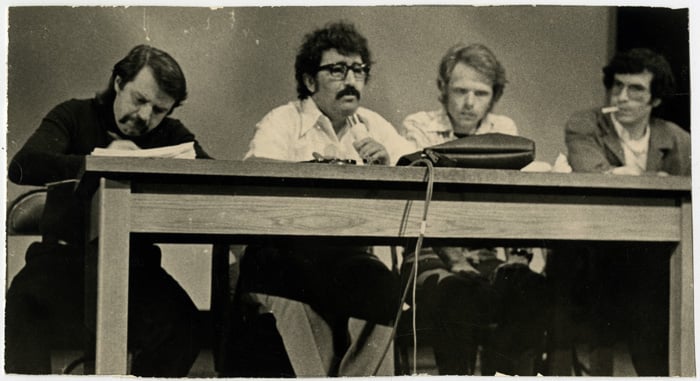
André Pâquet (Canada), Tahar Cheriaa (Tunisie) et Carl Henrik Svenstedt (Suède) lors des RINC, Montréal, 1974. Photographie : Férid Boughedir. Collections de la Cinémathèque québécoise.
The audiovisual records of the talks and debates that took place during the RINC of 1974 transmit the most vivid aspects of that moment in political cinema. Although the documents are not organized systemtically, or laid out like a discourse or manifesto, this new resource for social and film research allows us to reconstruct and revise aspects of this event that have never fully been addressed in film historiography. Some of the debates and controversies at the Montreal meeting are indicative of the transnational bonds between groups and institutions, and the audiovisual documentation provides insight into many aspects of this moment in Canadian and world cinema.
An important subject that was raised during these debates was the experience of Quebecois documentary film, particularly the Challenge for Change/Société Nouvelle program of the legendary National Film Board of Canada (NFB). They not only reveal the transnational consensus on the social use of film, but also the problems and tensions associated with this experience.
This was quite possibly one of the most important event in world political cinema of the period, that drew a significant number of international participants, from different countries in Europe, Latin America, North America and Africa. Naturally, the list of Canadian participants, particularly those from Quebec, was the longest of the conference2. Some of them were part of the Comité d'action cinématographique3, created in Montreal by André Pâquet after his return from Europe a year earlier. Critics, independent filmmakers, government representatives of participatory film projects and people working in social or protest cinema from across Quebec attended the conference or expressed their interest. Filmmakers such as Arthur Lamothe, Fernand Dansereau, Jean Pierre Lefebvre and Gilles Groulx were there along with other committee members, as well as Martin Duckworth and Maurice Bulbulian, two important figures in the NFB’s program Challenge for Change/Société Nouvelle. Other participants included representatives of important state-run and independent film institutions in Quebec (and, to a lesser extent, from other provinces in Canada), as well as several members of the Association des réalisateurs de films du Québec (Quebec Filmmakers Association). Several of these figures played prominent roles in the conference workshops.
This wide spectrum of attendees demonstrates that although the Montreal conference was set forth as an autonomous gathering4, it was open to independent entities, more radical groups and government representatives alike. The audiovisual records show participants challenging the official policies and censorship exercised by NFB and the scope of the public programs that were offered. Another prominent point of discussion was the role of the host province, Quebec, which considered itself to be a sort of colony within Canada much like the so-called “small countries” of Europe as well as the countries of the southern hemisphere because of its staunch defense of “national” production and its cultural decolonization program.
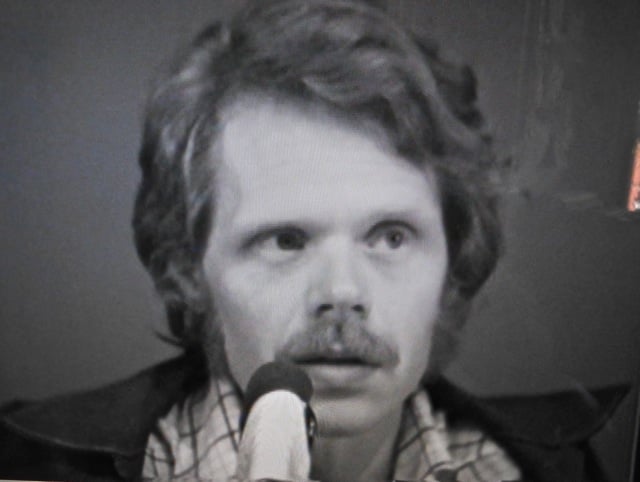
Carl Henrik Svenstedt
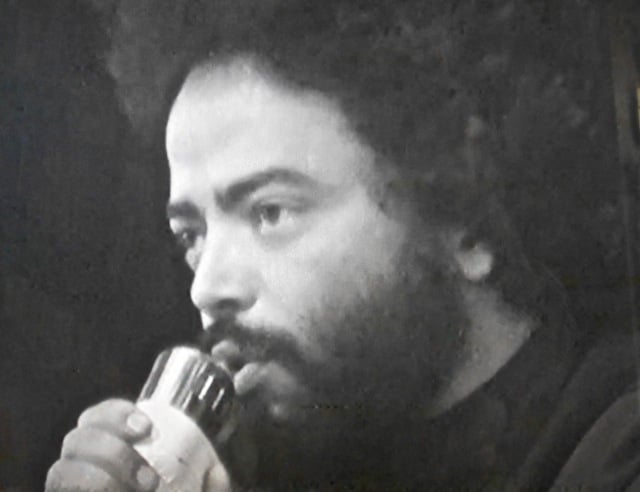
Med Hondo
From the outset, the conference workshops were designed to be the main forum for participant interaction. The organizers selected five themes for the workshops believing that they would coalesce the experiences of all the participating groups. These themes were broken down into 25 questions and touched on several issues, including : challenges to the traditional theater and the way the filmmaker-distributor-audience relationship affected industrial exploitation; existing alternatives for new cinemas and the options of “movie/theatre forums” and “screening-events5” ; the issues associated with audience participation, the work with grassroots organizations, co-operatives, unions, etc.; the role of television (both major broadcast networks as well as so-called free TV or educational channels); the search for specific alternatives to traditional modes of film circulation on the dominant market; the possibilities for hands-on collaboration with Third World filmmakers; and the diverse types of social intervention (educational, cultural, political) made possible through film and video. This last theme (along with a few others) was developed in the “Social Intervention through Film” workshop, mainly in relation to the Canadian experience. The debate primarlily focused on censorship by the NFB, though it also touched on the scope and limitations of the film board's most important program, Challenge for Change/Société Nouvelle.
The initial intervention of Carl Svenstedt, from Stockholm’s Film Centrum6, is an excellent example of the commensurate themes and issues facing participants from diverse countries. It touched on the contradictory nature of projects that mobilized people and got communities to discuss their problems and seek possible solutions, but which ultimately failed to create the conditions necessary to implement these solutions. In other words, it was the myth of “information without power”, as proposed by Svenstedt. In this regard, he referred to the American film Attica (Cinda Firestone, 1974) about the rebellion in the U.S. prison of the same name and the repression that followed. The film had been screened the previous evening and the American group Third World Newsreel had focused on it during its presentation at the “People's Participation” workshop. Svenstedt connected (and distinguished) the experience of this group with films of his own work in Swedish prisons. This initiative had been inspired by his last trip to Canada in 1969, when he had seen films from the Challenge for Change program, especially the pilot project on Fogo Island, Newfoundland7.
The program was launched in 1967 ans was articulated within Canadian government's policies to combat poverty. The idea was to use film and video to foster awareness, or to mobilize public opinion about the needs and rights of the underprivileged groups and minorities. this process entailed involving those communities in the search for ways to use cinema as a means to contribute to social justice and participatory democracy. Divided into two sections, Challenge for Change (English) and Société Nouvelle (French), the program lasted until the end of the 1970s with more than 250 audiovisual records (on film and video); regional distribution centers; a newsletter that contributed to debates and reflection; systematic work to evaluate the program’s impact on communities; and the involvement of many progressive filmmakers and social justice advocates from the left (albeit with certain contradictions8).

Logo pour le programme documentaire Challenge for Change / Société nouvelle, Office national du film du Canada, 1967-1980.
One of the first projects of the program, which involved nearly thirty documentaries over the course of three years, was that of Fogo Island. This was a pioneering example of the use of documentary film for community development. The films revealed the community’s economic and social struggles and encouraged the island dwellers to discuss them9. Carl Svenstedt had studied this project through interviews that took place in 1969 and 1970. At the time, he questioned the project (along with Canadian sociology in general), believing that it focused too much on the local aspects without addressing the structural issues or empowering the island dwellers10. The Challenge for Change/Société Nouvelle program was nonetheless deemed positive during the Montreal conference, at least as a initiative, despite the critiques offered by Gilles Groulx and by Svenstedt himself. What became the subject of controversy were the general policies of the National Film Board.
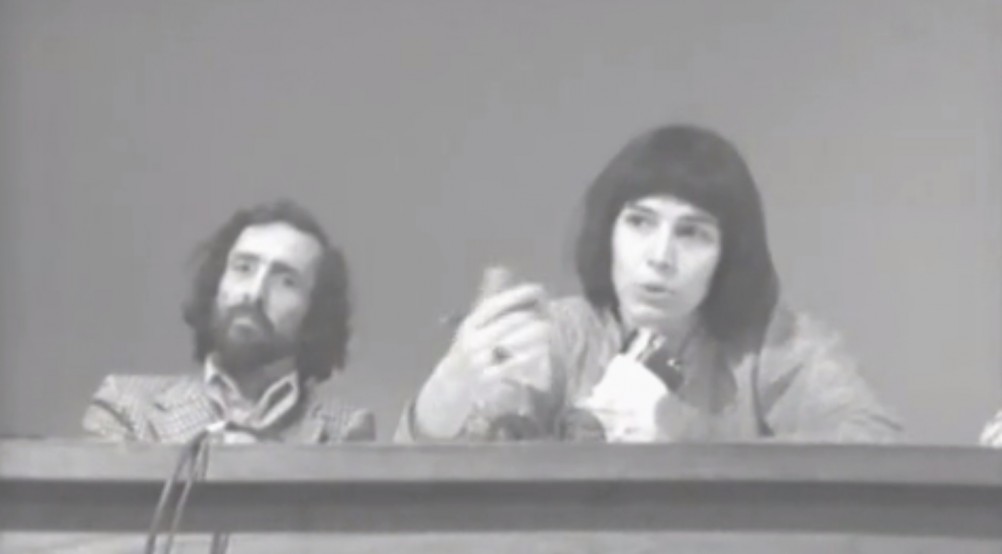
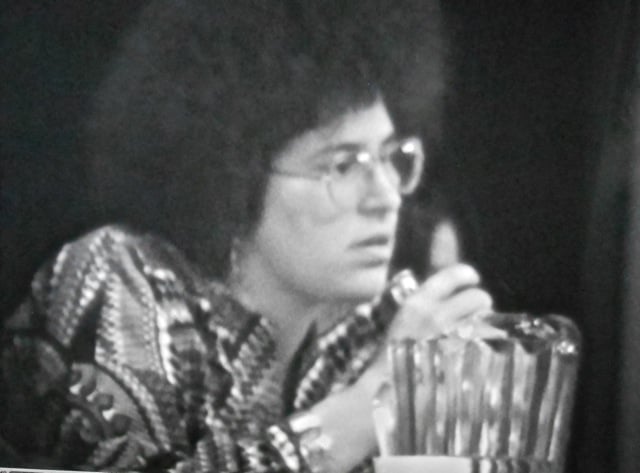
Françoise Girault (Canada) lors des RINC, 1974. Image tirée des captations vidéo de l’événement. Coll. Cinémathèque québécoise.
NFB producer Jean-Marc Garand had been invited to report on the activities of Challenge for Change / Société Nouvelle during the “Social Intervention through Film” workshop. From the audience, Gilles Groulx (an important political filmmaker and member of the organizing committee of the conference) asked Garand how the program managed to avoid the ever-increasing sanctions and censorship that the NFB imposed on any politicized or liberation-oriented initiative (which Groulx himself had experienced). Although the tense exchange between the two men became the principal focus of the discussion, it was Françoise Girault who was the one to attack Garand from a more radical stance. In line with the position of the Comité d'Information Politique (CIP/Champ Libre), Girault characterized the policy of the NFB and its programs as exemplifying the “depoliticization” characteristic of the “cultural apparatuses of advanced capitalist society”. According to Girault, this policy yielded “highly effective” results for the system to the extent that they maintained people’s hope in being able to express themselves or improve their situation without ever establishing clear policies that would allow them to do so. In this sense, it was an interpretation very similar to that of Svenstedt.
Girault also pointed her finger at a significant portion of the committed Quebec film community, bringing into question the so-called “political films” with orientations that claimed to be unionist, péquiste, independentist, humanist or fatalist. She mentioned, among others, La Richesse des autres, produced by Garand and directed by Maurice Bulbulian and Michel Gauthier (1973), and Le mépris n'aura qu'un temps (1970) by Arthur Lamothe, a member of the conference’s organizing committee. Girault and the CIP had opposed them all through their recent collective film On a raison de se révolter (1974), which included interviews with workers and grassroots organizers (from companies with workplace conflict like Firestone, Regent, Knitting, etc.) and was being utilized as a propaganda tool in worker contexts.
With regards to these diverse stances in Canadian cinema, it is interesting to note that a few years later, when the French Third-Worldist critic Guy Hennebelle (also a participatant at the RINC), organized a well-known dossier on the global influence of the manifesto “Towards a Third Cinema” and the film La hora de los hornos (Fernando Solanas and Octavio Getino, 1968/1969). André Pâquet wrote about the influence of these works on progressive Quebec filmmakers from diverse backgrounds 11. At the same time, Pâquet complained about those who believed that an “ideal” associated with the climate of 1968 could be found in the Argentinian film and thus tried in some way to impose it within the militant circuit, to the detriment of progressive films made in Quebec. Pâquet believed that these progressive films reflected in some way the spirit of La hora de los hornos and had been described, on other occasions, as “intervention films”. The example he gave was Arthur Lamothe’s movie, which in fact had been criticized in Canada in a comparison with The hour of the furnaces. Although Pâquet did not explicitly mention the Comité d'Information Politique of Girault, Yvan Patry and others, the reference is evident 12.
These debates among filmmakers, groups and institutions of Quebec — which have only been briefly summarized here— reveal to some extent the scope of the interventions of the Comité d’action cinématographique, along with the importance of Canada’s own situation within its work. However, they also reveal several issues pertaining to the transnational flow of global political cinema, including the influence of the Canadian government program on other latitudes13, the interventions of contemporary social cinema (like the American and Swedish cases briefly mentioned above, among others) and the dialogues or appropriations of Third-Worldist film in the context of Quebec.
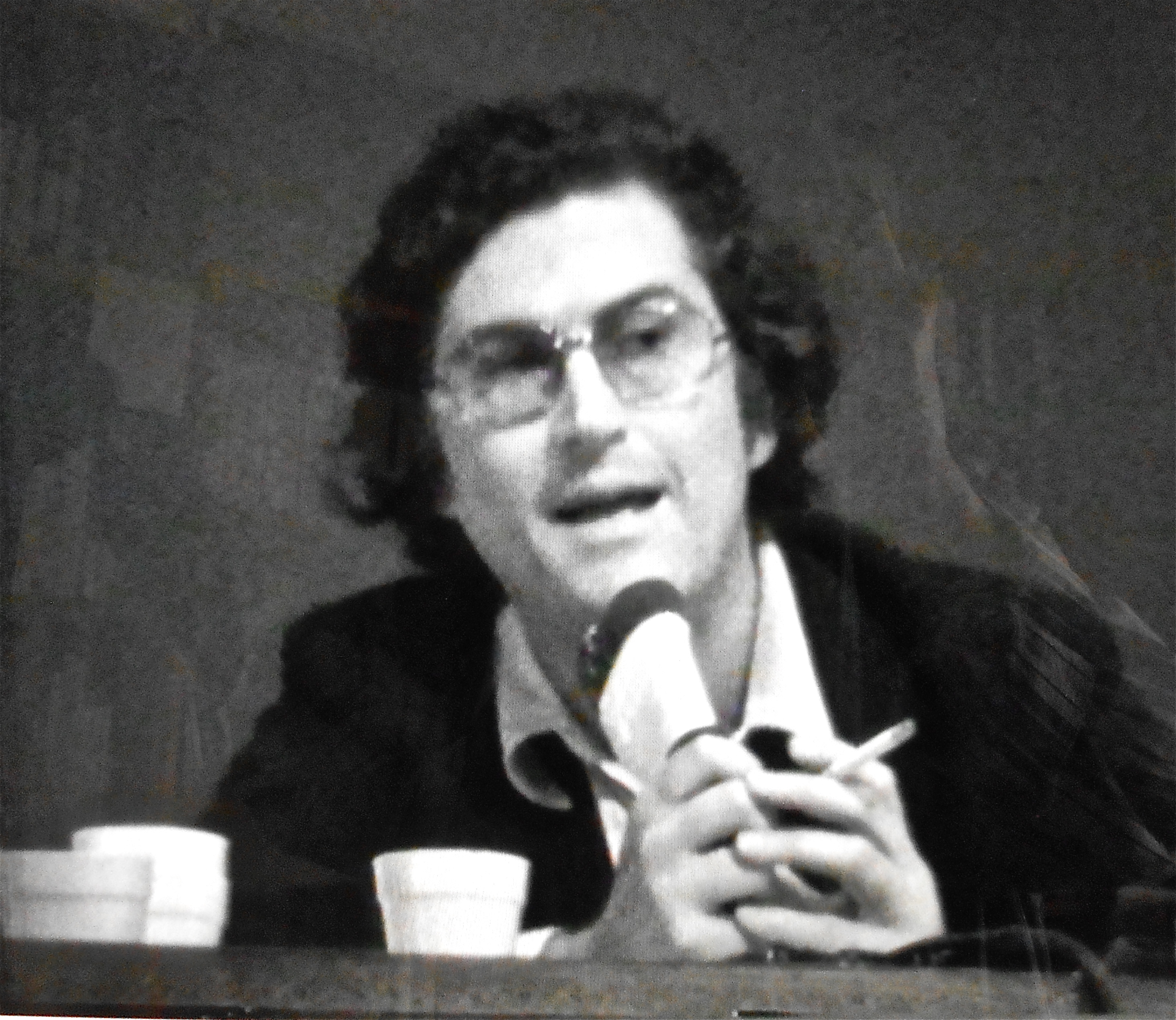
Fernando Solonas

Micheline Creteur
Similarly, we can observe international affinities in various discussions about the use of audiovisual technologies for the development of community filmmaking and social involvement. The notion of “animation sociale” or “animateur social” (“social animation/animator”) for example, was raised by representatives of both public institutions (such as Jean-Marc Garand, from Société Nouvelle) and independent institutions with connections to the state (like Lucien Hamelin from the Conseil québécois pour la diffussion du cinéma). In addition, Girault has associated the experience of social animation with the limits of “reformism”. Yet it was Fernand Dansereau who explicitly used this term as a “singular” aspect of the Canadian experience.
Social animation allows us to explore various issues, such as the connection between films/videos and the people they represent, the role of the “auteur”, and the activist work in communities or at the grassroots level. As noted by Zoe Druick, the Quebec of the 1960s “lead the way in the field of animation sociale”, which is “not exactly the same as social work”, though the two concepts are related. While the latter often referred to “functionaries (officials) of the social welfare system”, animators were “social organizers who attempted to bring people to an awareness of the issues that affect them and the things they can do about their situation”. As facilitators of community participation, the animators (motivators) had an important role to play in programs such as Challenge for Change/Société Nouvelle, according to this author14.
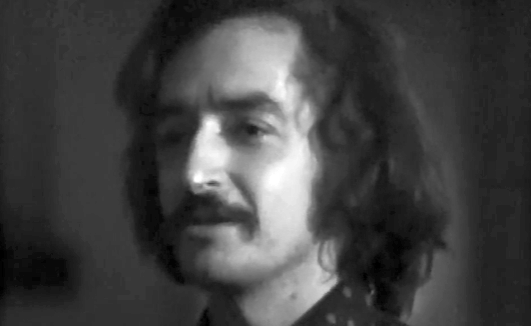
Jean Chabot
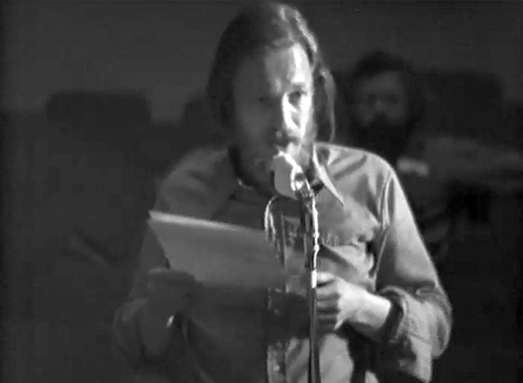
Carol Faucher
By using this notion of social animation, Dansereau wanted to highlight the connection between the “auteur” (the filmmaker/video maker), the community and the participation of the people involved in the production of the films. He spoke from his own experience, which undoubtedly constituted a point of reference in the recent history of intervention documentary film. It is important to remember that in 1967, within the structure of the NFB, Dansereau (with Maurice Bulbulian, Robert Forget and Constance Roy) had created the Groupe de recherches sociales, which was generally considered the predecessor of Société Nouvelle and Vidéographe15. Scott MacKenzie discusses Dansereau’s evolving thoughts on the filmmakers' control of the audiovisual medium and types of community intervention between the production of his social films À Saint-Henri le cinq septembre (1962) and Saint-Jérôme (1968). To some extent, MacKenzie argues that this period marked a transition in the filmmaker's role from “author/director” to that of a “facilitator” of participation among the population involved. It was no longer merely about obtaining the authorization of the people captured on film in order to use the material (as required by Canadian law), but about granting them the right to participate in the process of making the film: from shooting to final editing, and letting them self-censor or remove images if they so desired. But at the same time, Dansereau had moved forward with an attempt to generate more interactivity, creating 26 films (which he called “satellite films”) with material taken from the original audiovisual recordings of the main film. These were utilized to interact with spectators during the screenings, delving deeper into specific aspects of the problems addressed in the main feature-length film. During the post-screening debate, Dansereau remarked “The social animator, based on the questions [posed by the audience], may refer to one of these satellite films and thus add to the initial perception of reality garnered from the main film,” therefore making use of the “film-tool”16.
Although he did not explicitly mention these films, Dansereau’s talk at the Montreal conference was based on his experience. He insisted on the need of giving “true power” to the people at the production level, even if this meant forfeiting the filmmaker’s control and “authorship”— an authorship that Dansereau clearly rejected. At the same time, to show that his reflection was anything but naïve, Dansereau questioned the scope of these attempts to generate interactivity. He referred to cases in which the community members were given handheld cameras to express themselves; beyond their unquestionable creativity. He noted “conflicts of ambition” or “copies of [hegemonic] models”. In this regard, he proposed that the professional’s presence was in essence necessary to “truly set the voice free” in the face of sophisticated technological devices (like cinema and television) – which presented problems that in many cases he himself had been unable to resolve. Although he had successfully shared the work of scriptwriting, shooting and producing film with the community, Dansereau claimed that it had been much harder to collaborate on the process of.
Many of the issues associated with the Canadian experience were also addressed in other workshop interventions during the RINC. Several alternative film distributors spoke concretely about the context of popular mobilization in their respective countries as well as the possibilities and limitations of their own practices. These exchanges revealed the differences between the new African states (the FEPACI was attempting to work with local governments using film and television), Latin America (with highly diverse national contexts at that point in time), the larger European countries with strong social organizations (like France and Italy), or the “small countries” of Europe (and Quebec), which generally faced difficulties, and the United States, where in spite of all the agitation in the 1960s, the construction of a revolutionary force still seemed impossible.
The myriad positions on filmic intervention – whether in the “system's gaps”, on commercial circuits, among militants, or in different combinations – were often attributed to the aforementioned political differences. Yet, they were irrelevant when it came to promoting collective authorship, “enabling a voice” or fostering grassroots participation, even when these aspirations were perceived in different ways17.
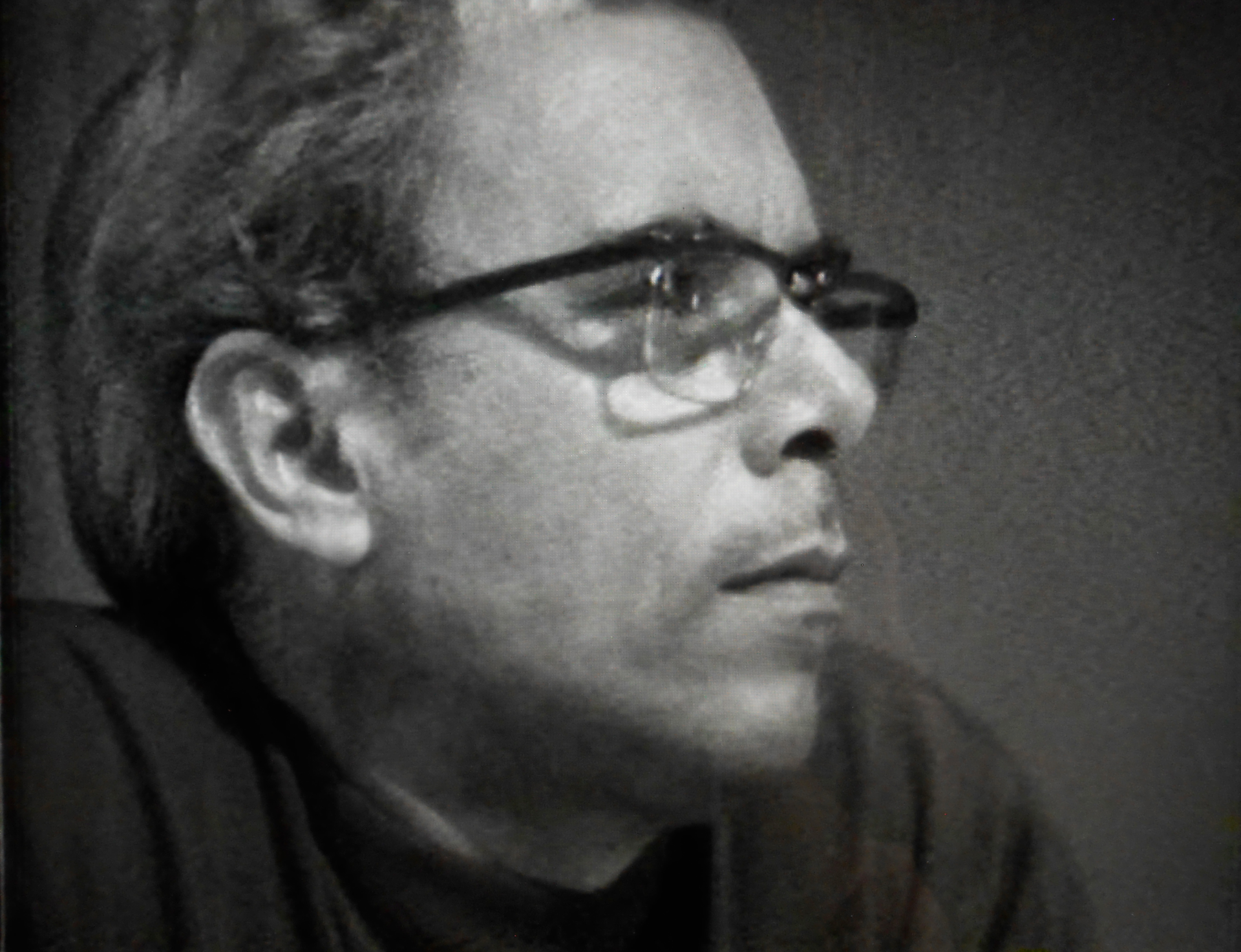
Julio Garcia Espinosa
Sue Robeson
French organizations taking part in these workshops (along with other parallel producers/distributors) raised questions about “authorship”, either through film (Super 8 and 16 mm) or video (already very much in use) – and whether it had to do with the film's proximity with protest movements. That is to say, whether the filmmakers were simply cooperating by providing technical and professional services or actively pursuing a true political integration with the organizations during the production (from prior discussions on the content of the film to the use of the media by the workers themselves). Through their screening activities and conflict interventions, these types of organizations oscillated between didacticism, the promotion of debates, agitation and the creation of political events. Such gatherings were often followed by a film-act or a film-event, which implied a political debate during or after the screening. Although many of these experiences sprung from worker contexts or labor conflict, they also reached schools, neighborhood associations, municipalities, and sometimes mobile cinema.
I cannot address here all the discussions during the Montreal conference that revolved around the mechanisms for grassroots involvement in media production, the desired styles (direct, reconstruction or fiction), or the types of intervention achievable through films, but I do believe that the issue of technology merits its own separate study. Of course, this is not about establishing any type of a priori determinism; instead, we assume that the decision to “enable a voice” or facilitate community participation in the process of filmmaking fundamentally depends on objective conditions and political decisions. Even here, it is evident that this was a historic transitional moment (from film to video to TV), in which the access to more portable cameras and new technologies for visual and sound recording played a more important role in projects that aspired to a certain type of intervention through media. Questions about the notion of the “auteur”— associated with the nouvelles vagues of the sixties — and how to replace it with the collective authorship proclaimed by militant film groups, gradually gave rise to specific discussions on how to directly integrate the community (an integration that was partly facilitated by the access to lighter handheld equipment, especially video cameras). Naturally, this is a phenomenon that has been studied, but perhaps not specifically in terms of its relevance to social intervention and political cinema in those years. The audiovisual records of the RINC may help us to do so.
Footnotes
1 Translated from: Mestman, Mariano, Estados Generales del Tercer Cine. Los Documentos de Montreal, 1974; Rehime n° 3 (Cuaderno de la Red de Historia de los Medios-Universidad de Buenos Aires), Buenos Aires, 2013-2014; pp. 18-79.
2 Marc Raboy observed: “Whether the Rencontres will influence the film scene in English Canada is more difficult to predict. There weren't many English Canadians at the conference, and the few who did attend suggested this was an accurate reflection of a general lack of interest in political cinema among the counntry's film-makers” (Montreal, The Last Post, vol. 4, n° 2, 1974).
3 Guy Bergeron, René Boissay, Marc Daigle, Fernand Dansereau, Carol Faucher, Roger Frappier, Claude Godbout, Gilles Groulx, Arthur Lamothe, Jean Pierre Lefebvre, Raymond Marie Léger, as well as Sandra Gathercole from Toronto, and Werner Aellen from Vancouver. A short time after the Montreal conference, many of these members would dispute control over Quebec film as film institutions were challenged and laws related to the industry were debated. Some of them participated, for example, in the occupation of the Bureau de Surveillance du cinema in November, 1974.
4 The Comité d'Action Cinematographique had decided to establish itself as an autonomous group and had reached a joint decision about the type of film it would promote: confronted by a powerful commercial film industry, the only option was to defend the “endangered other cinema” (un autre cinéma). To achieve this, they planned to promote a sort of “International of small filmmaking countries,” that is, countries where such cinema was facing particular challenges.
5 From the notion of film event (developed in “Towards a Third Cinema”, 1969) as a tool to convert the spectator (in the traditional cinematic sense) into protagonist of the exhibition and “actor” (militant) in the political process.
6 Svenstedt had an important role during the conference. He was one of the five panel-members at the Final Plenary, where he spoke in the name of the so called “small countries”. In addition, the Sweden Film Centrum organized two years later a sort of continuity of the RINC in Stockholm, in this case just for European groups.
7 See the excellent compilation by Thomas Waugh, Micheael Brendan Baker and Ezra Winton (eds), Challenge for Change. Activist Documentary at the National Film Board of Canada. Montreal & Kingston, Mc Gill-Queen´s University Press, 2010. For information on the Fogo Island Project, see: Peter K. Wiesner, “Media for the People: The Canadian Experiments with Film and Video in Community Development” (1992), pp. 73-102.
8 About these contradictions, see: Zoe Druick, “Meeting at the Poverty Line: Government Policy, Social Work, and Media Activism in the Challenge for Change Program”, in: Waugh et al., op.cit., pp. 337-353.
9 See Wiesner, op.cit., pp. 82-86.
10 Carl Svenstedt, Arbetarna lamner fabriken. Estocolmo, Pan/Norstedts, 1970. (Quoted in Marit Kathryn Corneil, “Winds and Things: Towards a Reassessment of the Challenge for Change / Société nouvelle Legacy”, in Waugh et al. pp. 396-398).
11 André Pâquet in: Guy Hennebelle, “L´influence du Troisiéme Cinéma dans le monde”; Revue Tiers Monde (XX, n. 79, 1979). See the text of A.P. at pp. 627-629
12 Especially if we consider the vast amount of work (information, screenings and discussions) that this group had been doing since 1971 for The Hour of the Furnaces in Quebec: it was the film they promoted the most during their first years as a group, the members would later recall. See the group’s magazine, Champ Libre, Montreal, n° 3, 1972; pp. 97-99; and n° 4, 1973; p. 83.
13 As seen in the bibliography for the case of Africa in the seventies. At the same conference, Simon Hartog had spoken of the existence of a movement in England to sway public opinion in favor of a program of this kind.
14 Op.cit., 340.
15 Vidéographe was founded in 1971 as a project of the NFB’s Challenge for Change/Société nouvelle; it became an independent non-profit video production and distribution centre in 1973; it still exists today.
16 See: Fernand Dansereau, “Saint-Jérôme: The Experience of a Filmmaker as Social Animator”, Newsletter, Challenge for Change/Societé nouvelle, n° 2, Fall 1968; reproduced in Waugh et al., pp. 34-37. On other Dansereau´s experiences, see: Scott MacKenzie, “Société nouvelle: The Challenge to Change in the Alternative Public Sphere”, pp. 325-326. On the Groupe de recherches sociales and the francophone experience, see also: Marion Froger, Le cinéma à l'épreuve de la communauté. Le cinema francophone de l'ONF, 1960-1985. Montréal: Presses de l'Université de Montreal, 2010.
17 Note that in terms of the worker movement and the left, certain groups considered grassroots to only include radical workers and militants, the more “advanced” people (as proposed by CIP, Quebec), and excluded unions and parties (as argued by Inger Servolin, from SLON/ISKRA, France). In other contexts, the notion of grassroots was extended to include rural dwellers, middle sectors and even the articulation with populist governments.