After the Odyssey
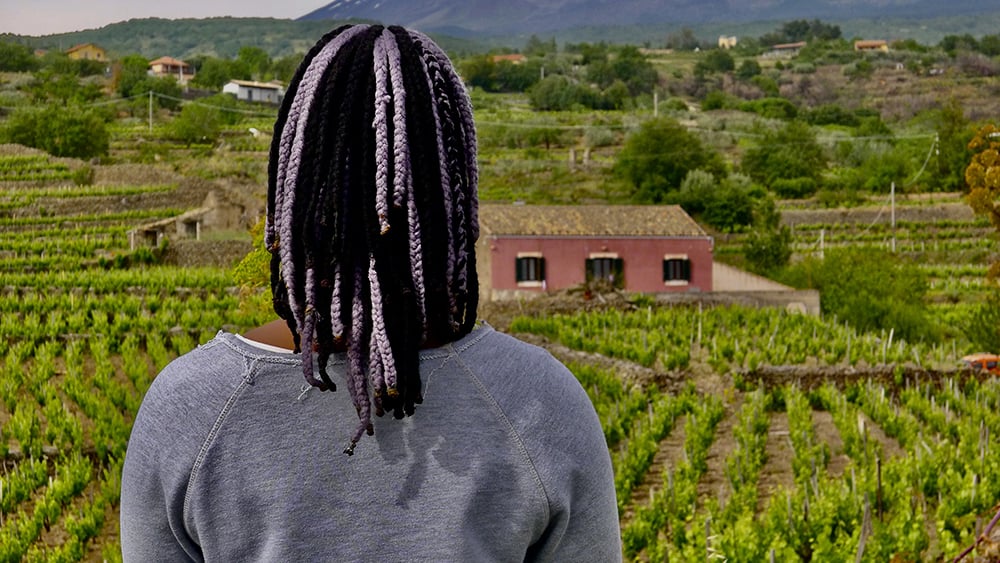
The mission of the Centre d'art et essai de la Cinémathèque québécoise (CAECQ) is to primary program Quebec-made documentaries and independent fiction, as well as international documentaries, animated and foreign films, while encouraging opportunities for meetings between the public and the artists. Its programming is presented in conjunction with the Cinémathèque québécoise’s under the label New releases.
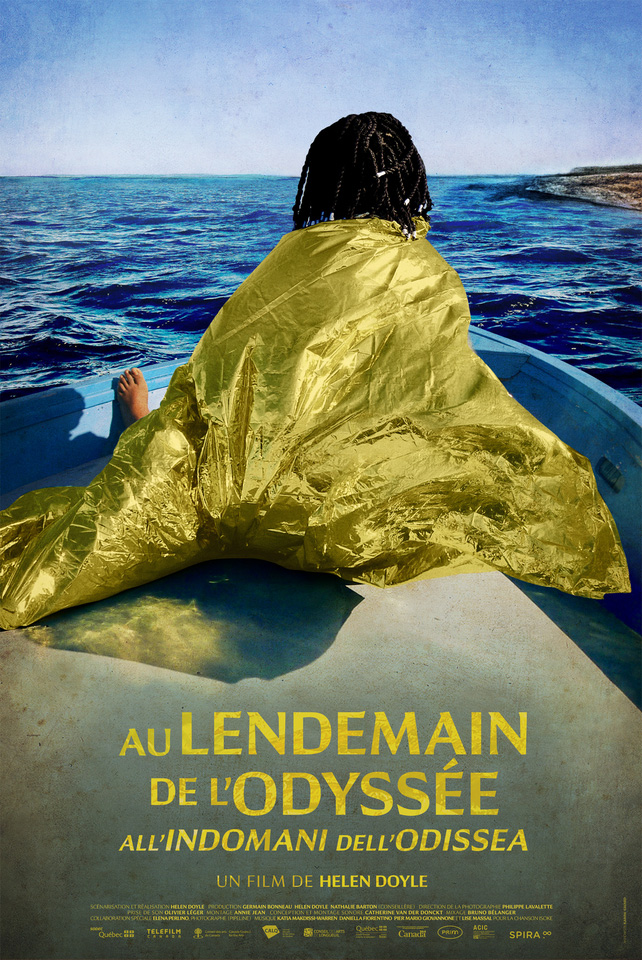
After a harrowing journey, women from Nigeria arrive alone and increasingly young in Italy in search of a better life. From human trafficking to the sexual slavery that awaits them, this choral film offers poignant accounts whose restraint spares us the unbearable. These stories of hospitality lead to a broader reflection on migration and otherness, that true encounter with the Other.
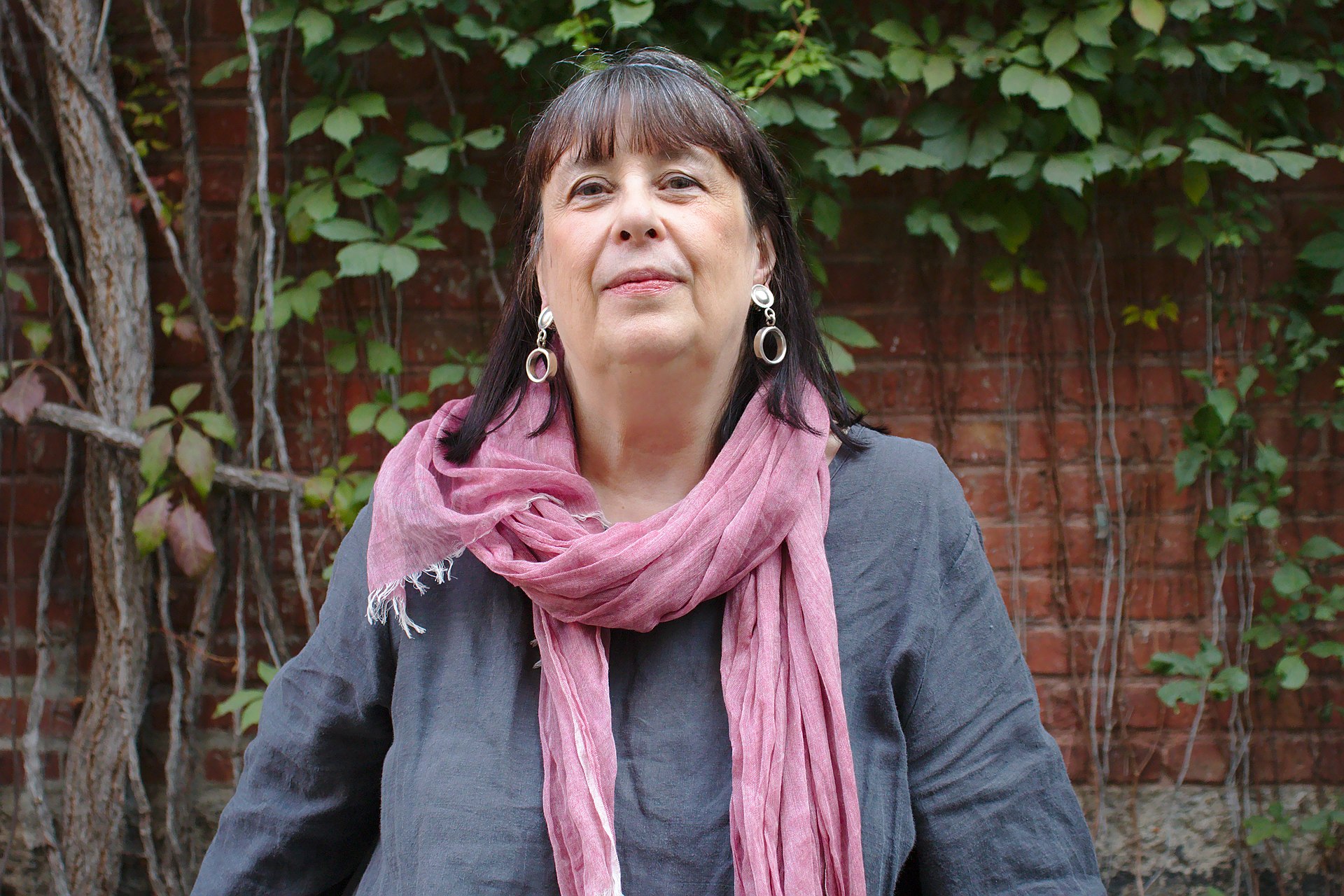
Helen Doyle
Helen Doyle is a Québec screenwriter and filmmaker. Most of her films are documentaries, and several of them focus on women’s issues. She sometimes uses the techniques of experimental cinema, fiction, and docufiction. In 1973, Helen Doyle teamed up with Nicole Giguère and Hélène Roy to lay the groundwork for the collective La femme et le film, dedicated to the distribution and production of videograms made by women. After a few features on community television, the group produced its first tape in 1975, Philosophie de boudoir, and took the name Vidéo Femmes in 1979. It was within this collective that Helen Doyle directed her first tapes, often as a co-director, addressing the condition of women from a resolutely feminist perspective. In the mid-1980s, she moved away from video production to focus on cinema. Le rendez-vous de Sarajevo (1997) later ushered in a period in her filmography, as she began to explore issues related to war, barbarism, and artistic commitment. Helen Doyle's work examines the artist's relationship with the world. She won the Prix Albert-Tessier in 2025, the highest distinction reserved for a filmmaker in Quebec.

.jpg)