Boudu Saved from Drowning
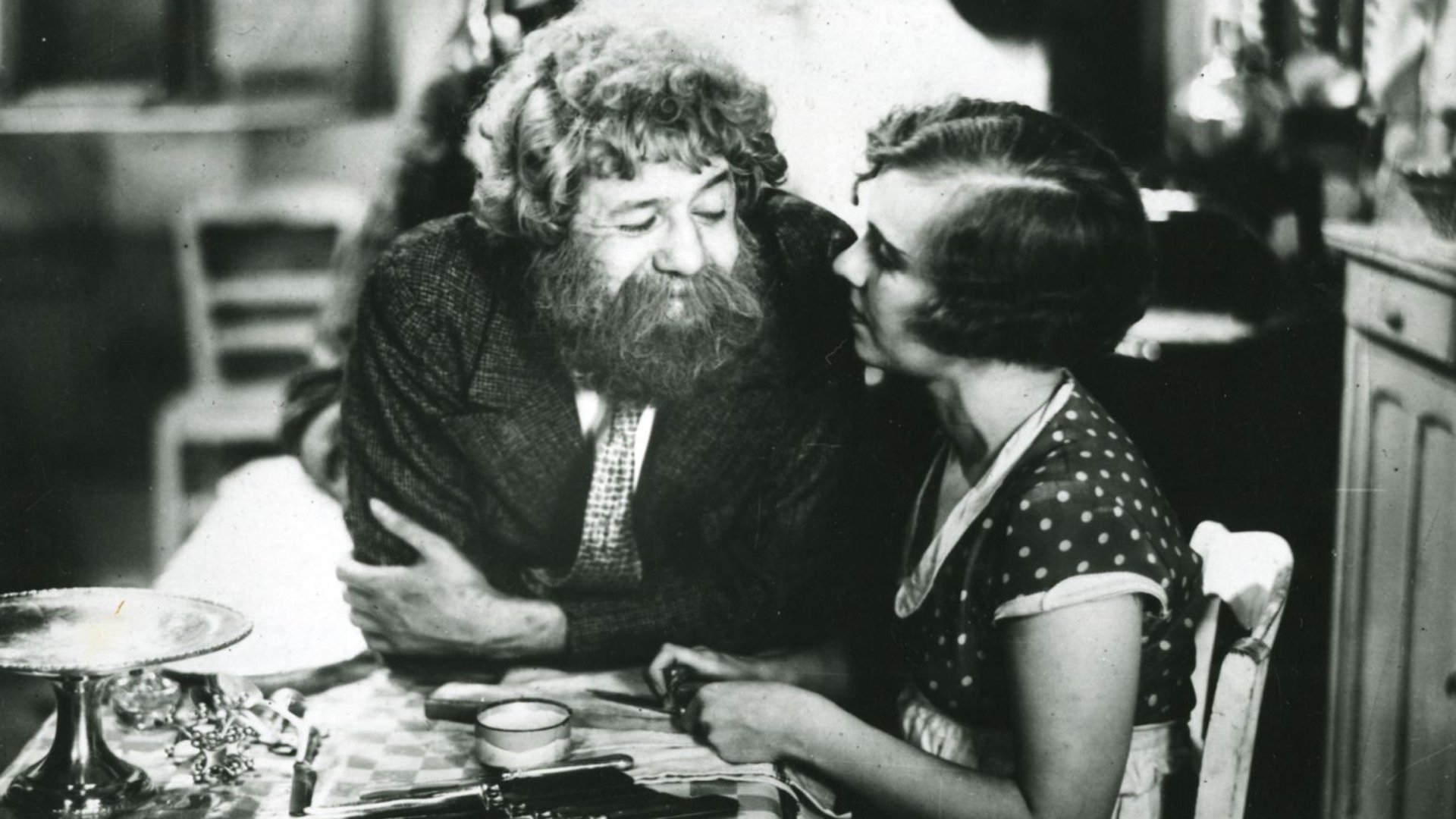
Pleasure can be a form of dissidence, as shown by this cycle, opening up this new year with a playful and impertinent philosophical tone. The modern heirs of Diogenes, the tramp Boudu and the punks of Not Dead dynamite the bourgeois order or the consumer society. Very Happy Alexander and The Big Lebowski make a few enemies by establishing the pleasures of laziness as an art of living. Children rebel against their school's authority figures in the libertarian Zero for Conduct, while Ferris Bueller prefers to play hooky to discover the world in a different way. In Hal Ashby's Harold and Maude, life becomes a marvelous game of defying convention and death, while Mr. Chance in Being There becomes a political oracle by simply explaining how to cultivate his garden. The final word goes to the decadent intellectuals of The Decline of the American Empire and their dizzying introspection on the exhausting quest for happiness.
A brave bookseller rescues a tramp from drowning and takes him into his home. But Boudu disrupts this petit bourgeois world.
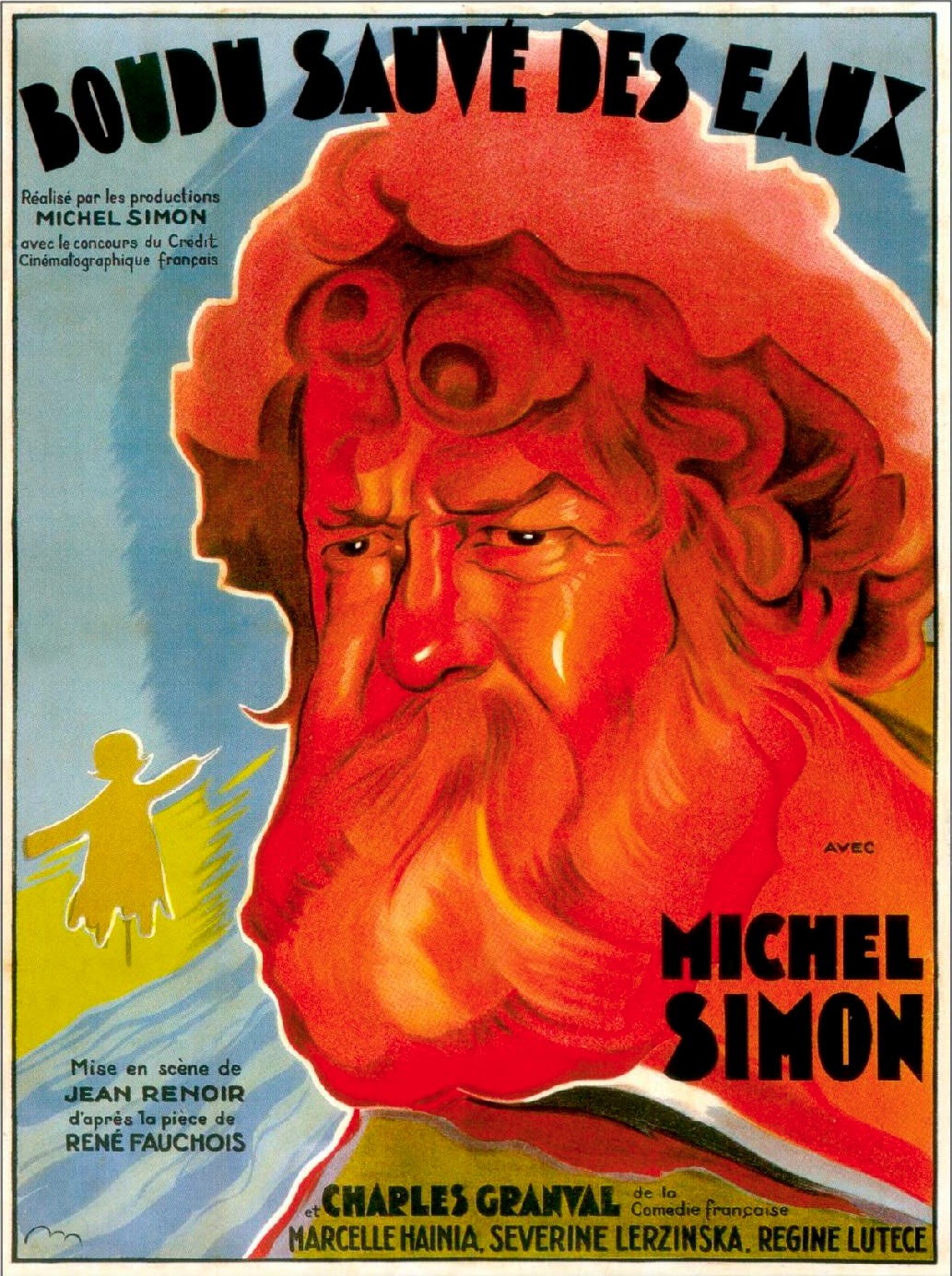
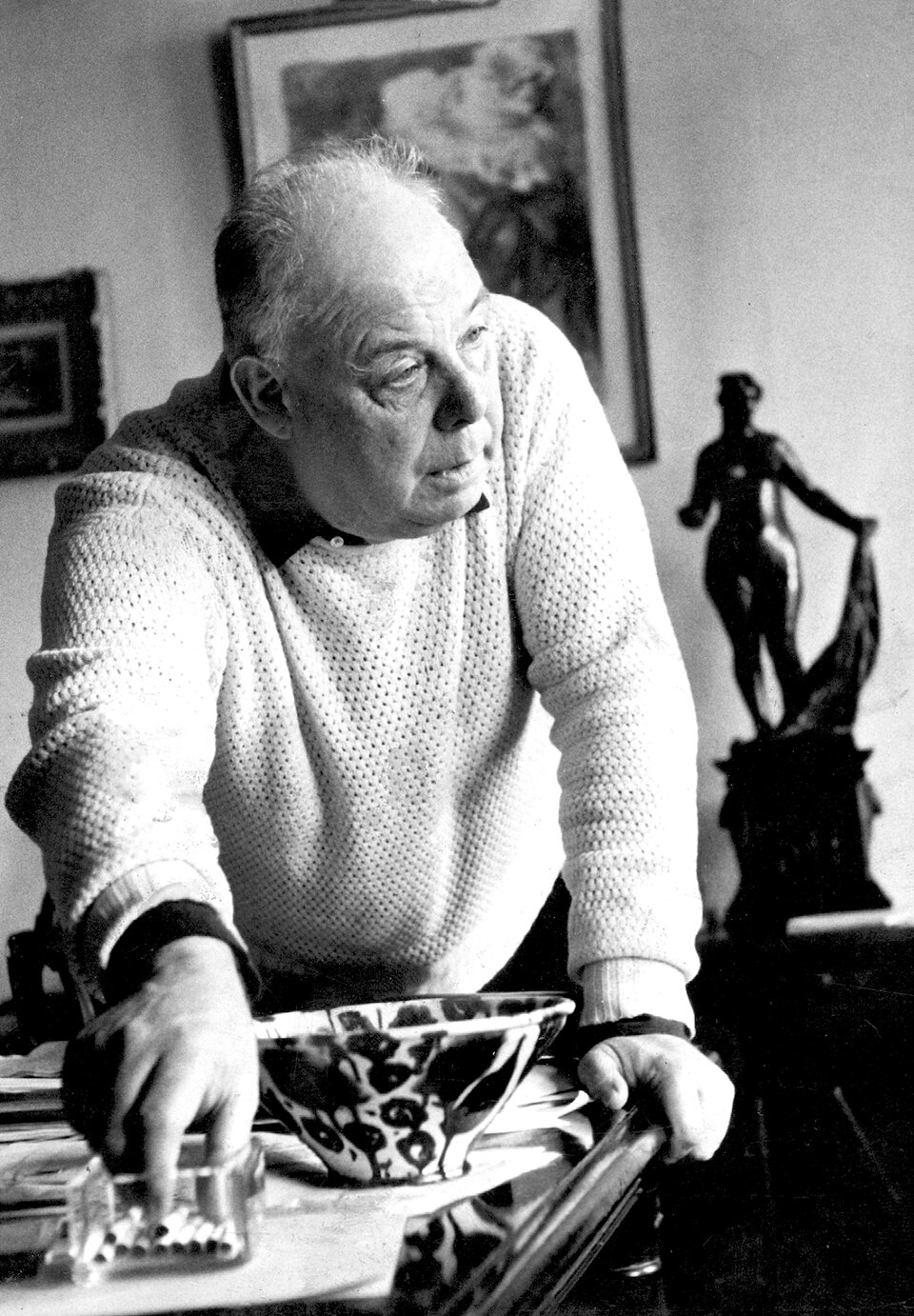
Jean Renoir
The second son of the famous painter Auguste Renoir, his films had a profound impact on the mutations of French cinema between 1930 and 1950, paving the way for the French New Wave. Jean Renoir was one of the first filmmakers to be known as an auteur. After serving in the army during World War I, he directed his wife and older brother in his first film, The Whirlpool of Fate (La fille de l'eau), in 1924. The film wasn't a success, but the young Jean, passionate about cinema, did not give up. His career really took off with La chienne in 1931. La grande illusion, starring Jean Gabin, and The Rules of the Game (La règle du jeu) are now considered major masterpieces of world cinema. In the early 1940s, as war was declared, he moved to Hollywood, where he made several films such as This Land Is Mine, The Southerner, and The Diary of a Chambermaid. He returned to France in the early 1950s, directing several masterpieces like The Golden Coach (Le carrosse d'or) and French Cancan. In 1962, he made his last film for cinema. In 1975, he received an Honorary Academy Award for his career achievements, before passing away four years later.