British Sounds
From the end of the 1960s, Godard became both an actor and an observer of the turmoil of his time. He captures the pre-1968 tremors such as the decline of the Trente glorieuses years, the society of housing estates and traffic jams ... During this period, marked by his relationship with Anne Wiazemsky, he became increasingly political while maintaining an amused critical eye: thus, the Mao militants do not appreciate so much La Chinoise. From 1968 on, he became more radical and tried to make films in a different way: he tried his hand at pamphlet, kinetract, and antispectacular documentary, and claimed anonymity by founding the Dziga Vertov group with his Maoist friend Jean-Pierre Gorin. In the field, he mobilized for Henri Langlois, against the Vietnam War, for the Palestinian cause... The second half of the 1970s marked a new phase, when his meeting with Anne-Marie Miéville coincided with his transition to video.
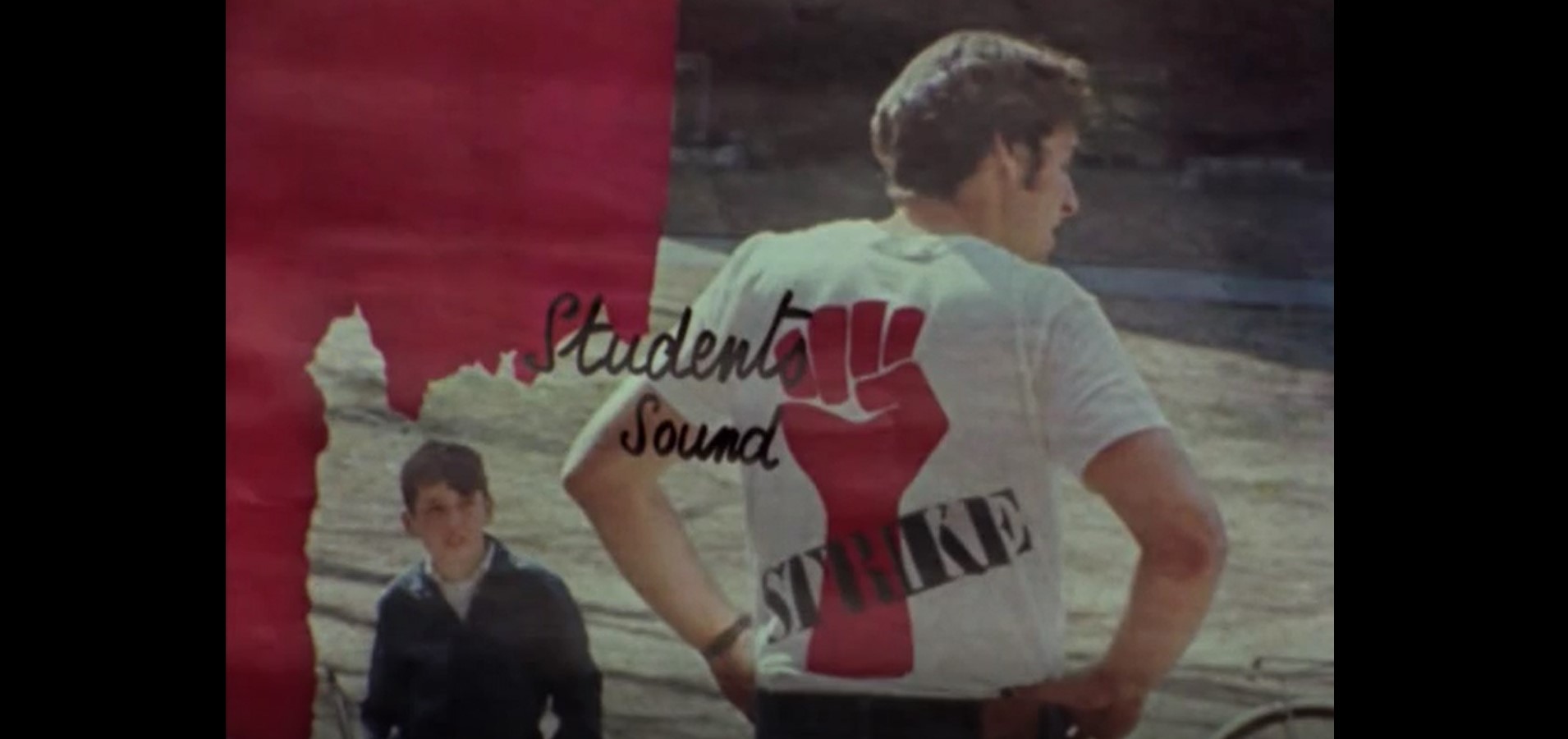
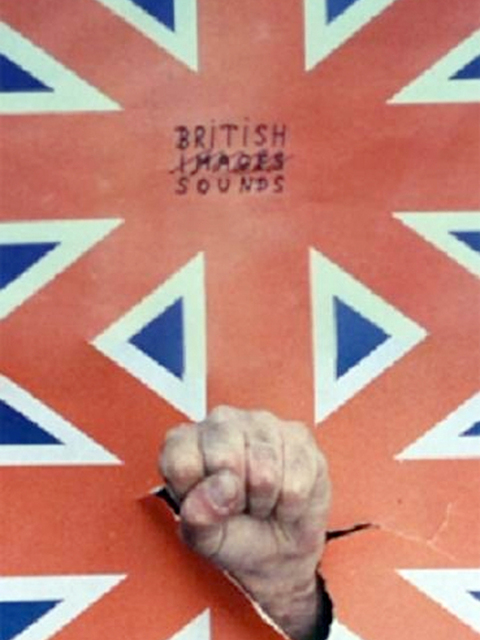
British Sounds is constructed as a montage of various disconnected political acts, combining a wide range of footage, from students discussing the Beatles to the production line of the MG factory in Oxfordshire, all of which is embellished with political slogans on screen.
Initially made for the London Weekend Television. The latter refused the film and only broadcast extracts. However, the film was released in theaters, signed with the name Groupe Dziga Vertov.
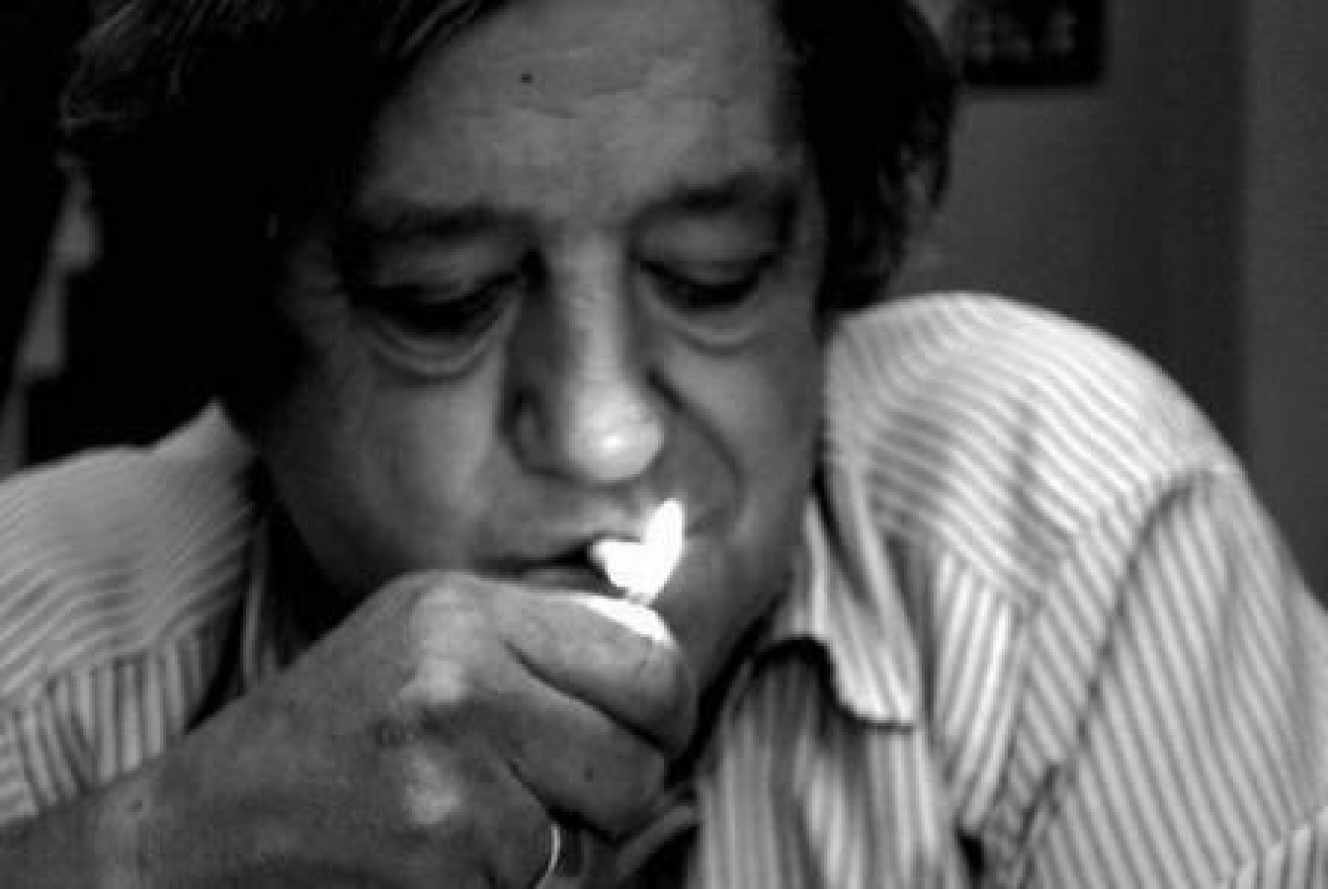
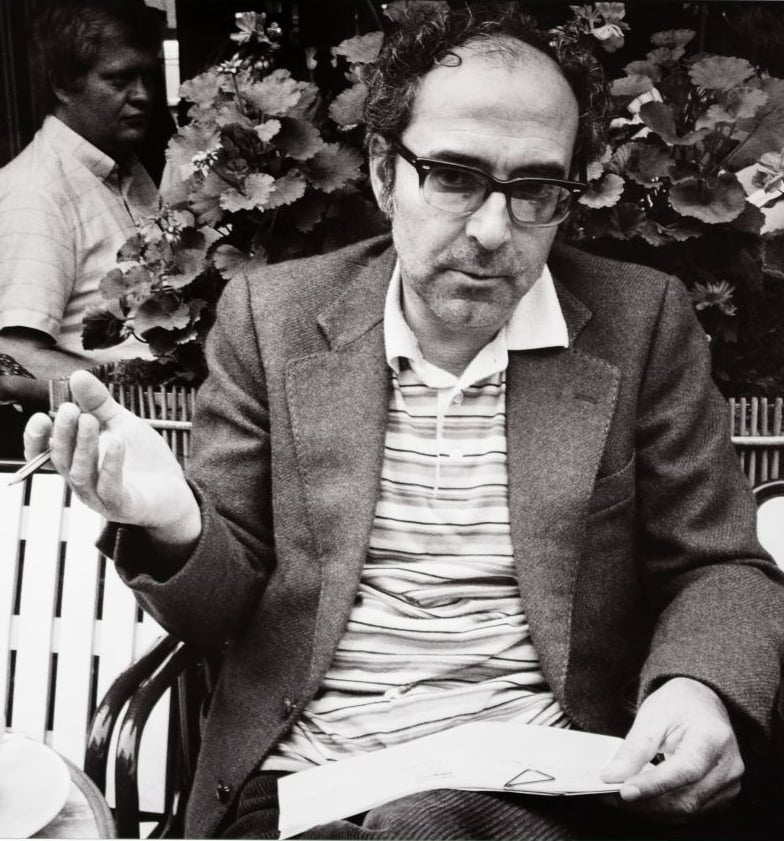
Jean-Luc Godard
Born in Paris in 1930, Jean-Luc Godard grew up on the shores of Lake Geneva, initially developing a passion for painting. After the Second World War, which he spent in Switzerland, his family sent him to study in Paris, but Godard mainly attended film clubs and the Cinémathèque française. In the early 1950s, he became involved with the Ciné-club du Quartier Latin where he met Maurice Schérer (soon to be Éric Rohmer), François Truffaut, Claude Chabrol and Jacques Rivette, among others, with whom he took his first steps as a critic and embarked on the adventure of the Cahiers du cinéma. After directing a few short films, he moved on to feature films in the wake of François Truffaut by directing Beathless (À bout de souffle) in 1960, a film that helped launch the French New Wave. He will not stop shooting until the 2010s, creating an exploratory body of work that has always pushed the boundaries of cinema.
Photo: ©Bertrand Carrière | Collections de la Cinémathèque québécoise
Jean-Henri Roger
Jean-Henri Roger (24 January 1949 – 31 December 2012) was a French film director, screenwriter and actor. He directed the 1983 film Cap Canaille, which was entered into the 33rd Berlin International Film Festival.