Fellini's Casanova
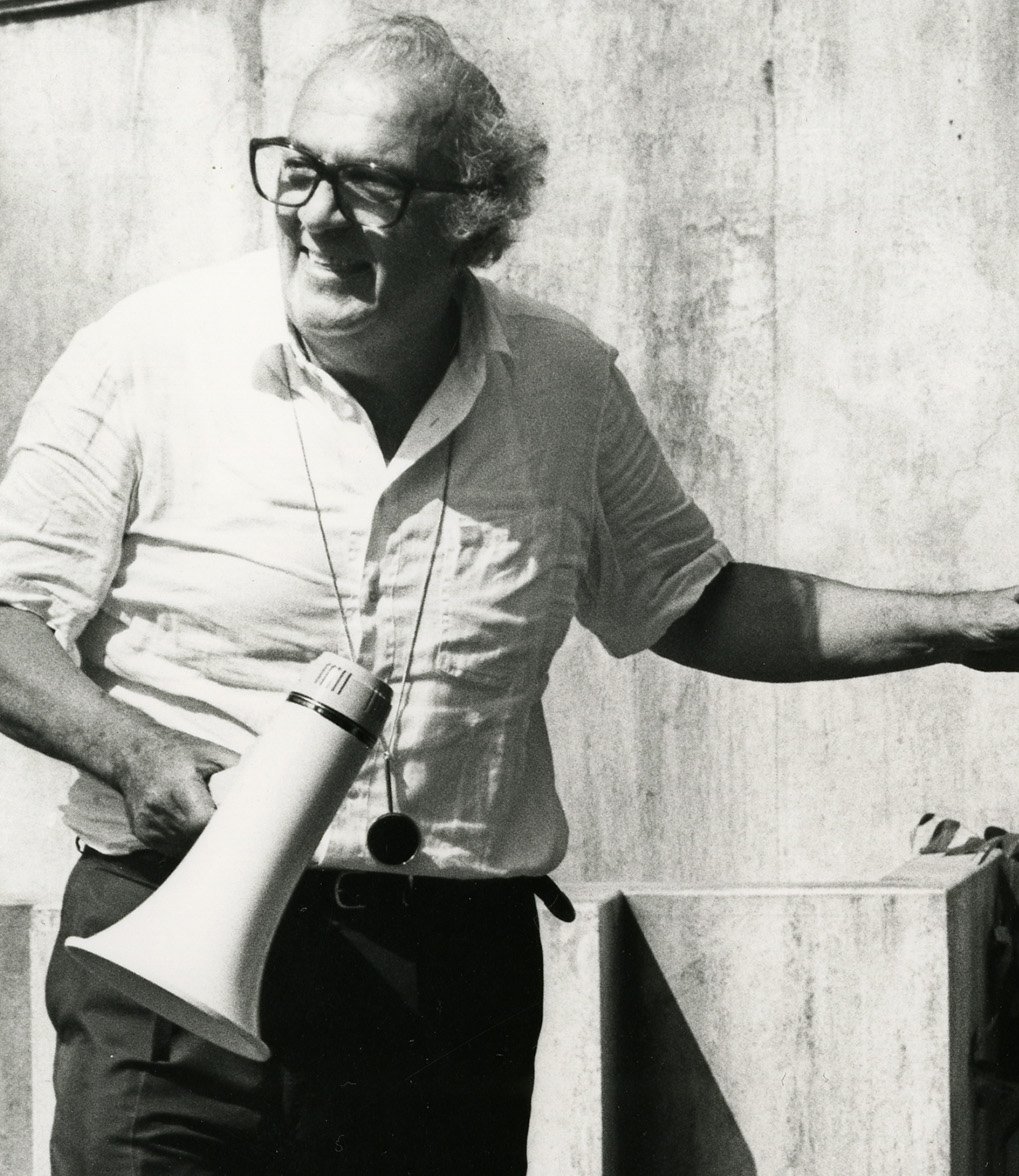
As an institution with a consistent focus on the history of cinema, a comprehensive Federico Fellini retrospective is the least we can do to mark his centennial. He was a great inventor of cinematic forms and a complex artist – paradoxical, tormented, light-hearted, provocative, introspective, brutal, idealistic and jaded all at once. He recreated the world through his lens, while remaining a sharp observer of his contemporaries and the many sensitivities of his time.
Best Costume Design at the Academy Awards 1977
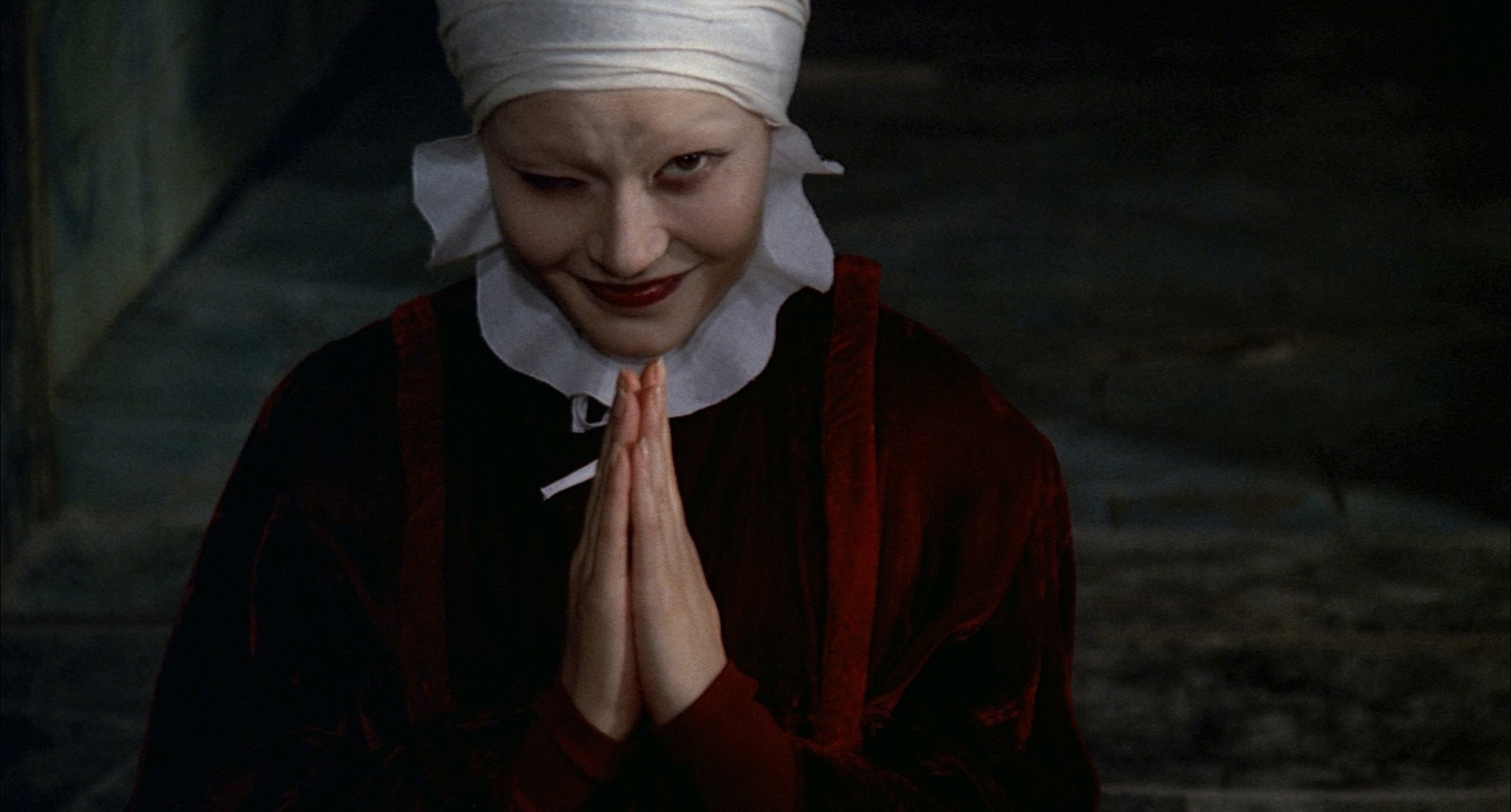
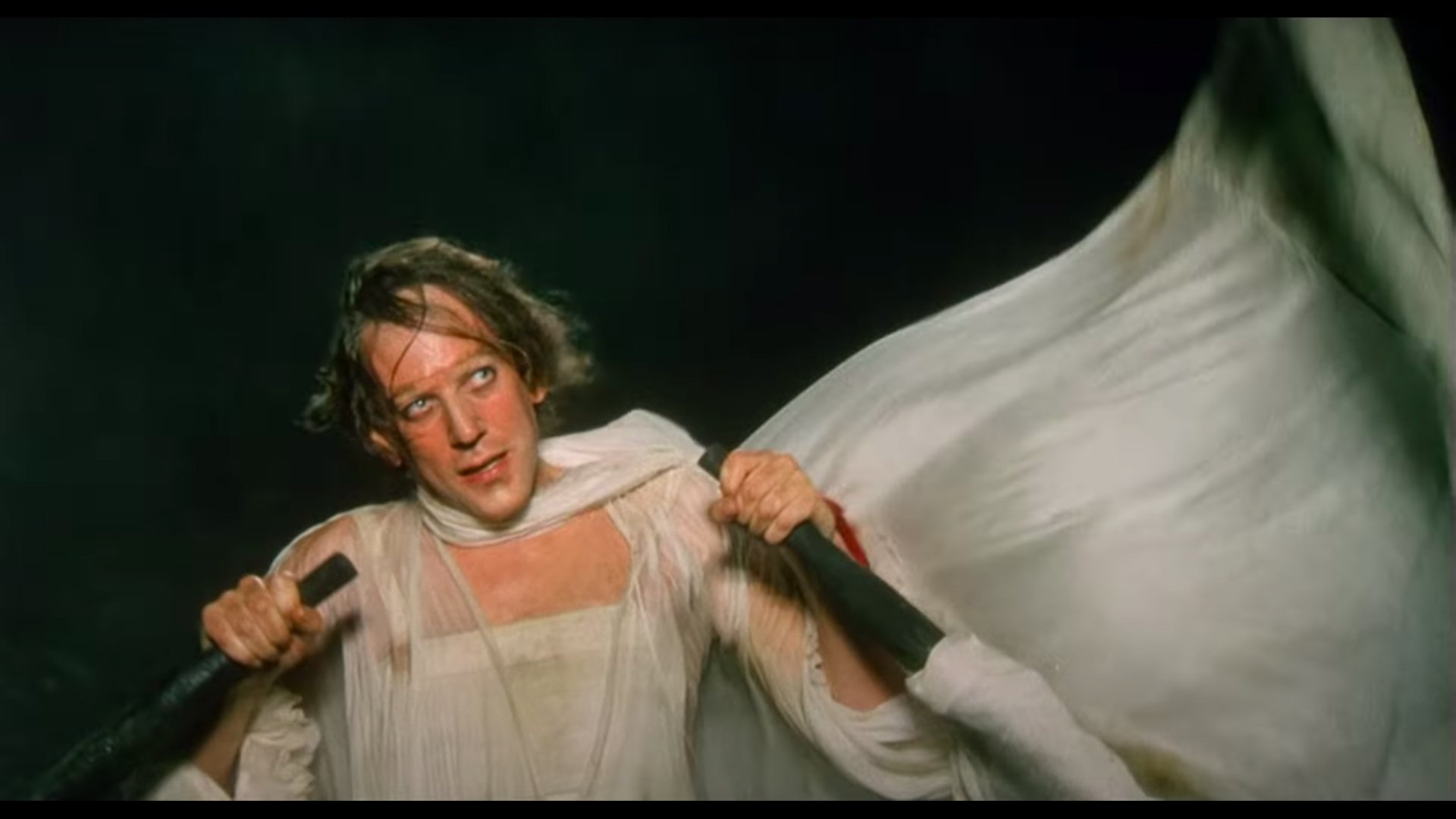
A vitriolic portrait of the legendary Venetian lothario, who becomes the target for every imaginable kind of sarcasm. A complete immersion in the unhinged imagination of a filmmaker at his most inspired.

Federico Fellini
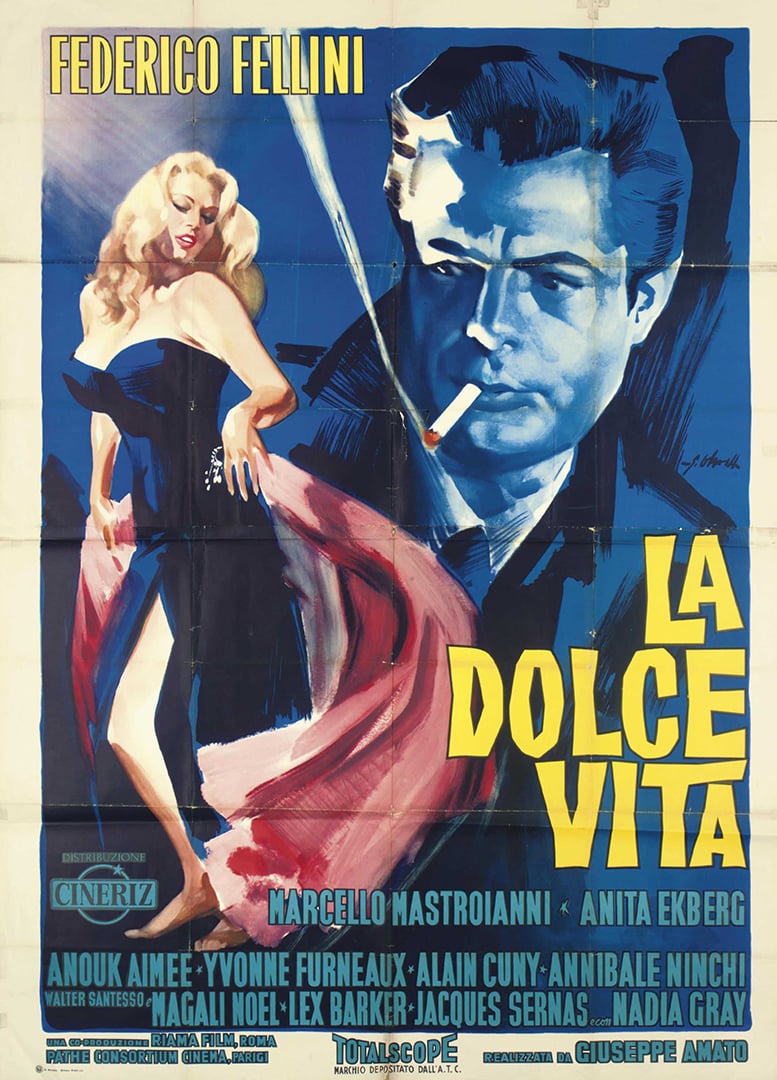
Federico Fellini was one of the greatest Italian writers and directors of the 20th century, and one of the most illustrious filmmakers in the history of cinema. He won the Palme d'or at Cannes in 1960 for La dolce vita, and took home the Oscar for Best Foreign-Language Film four times (La strada, Nights of Cabiria, 8½, and Amarcord), a record he shares with his compatriot Vittorio De Sica. Initially associated with neo-realism, Fellini’s work evolved over the course of the 1960s toward a unique approach related to European modernism, a movement associated with Ingmar Bergman, Michelangelo Antonioni, Alain Resnais, Jean-Luc Godard and Andrei Tarkovsky. His films grew increasingly to embrace a proliferation of themes, deliberate artifice and the complete erasure of boundaries between dream, imagination, hallucination and reality. In 1993, the Academy of Motion Picture Arts and Sciences awarded him a lifetime achievement award in recognition of his place as one of the screen’s master storytellers.
Explore
Sur notre blogue
Federico Fellini aurait eu 100 ans en 2020. Il a fait partie de ces cinéastes qui ont triomphé de leur vivant, dont la reconnaissance de leur apport au cinéma a été affirmée sans ambages, ce qui en retour a sans doute influencé les films qu’ils ont pu encore faire. Non pas qu’il ait gagné des prix à tout coup...
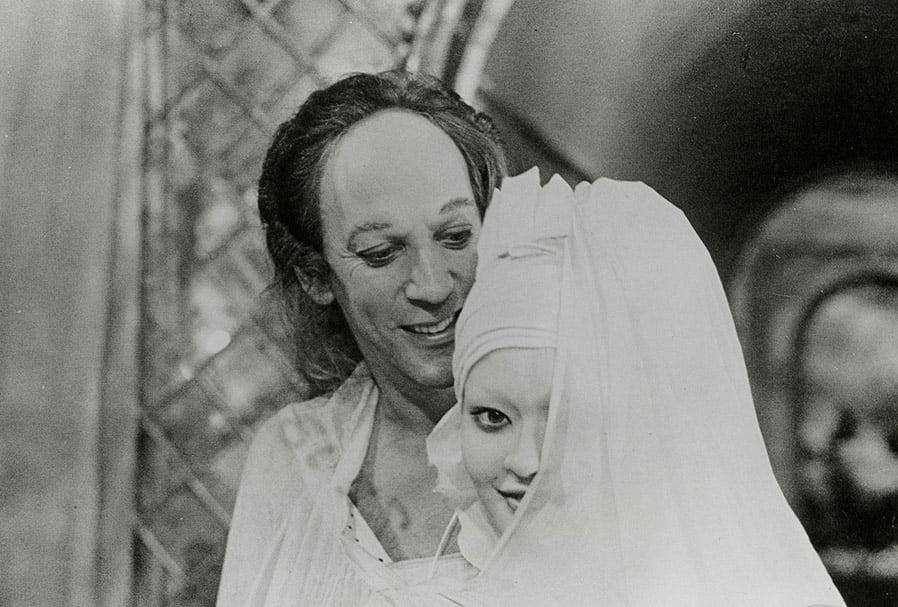
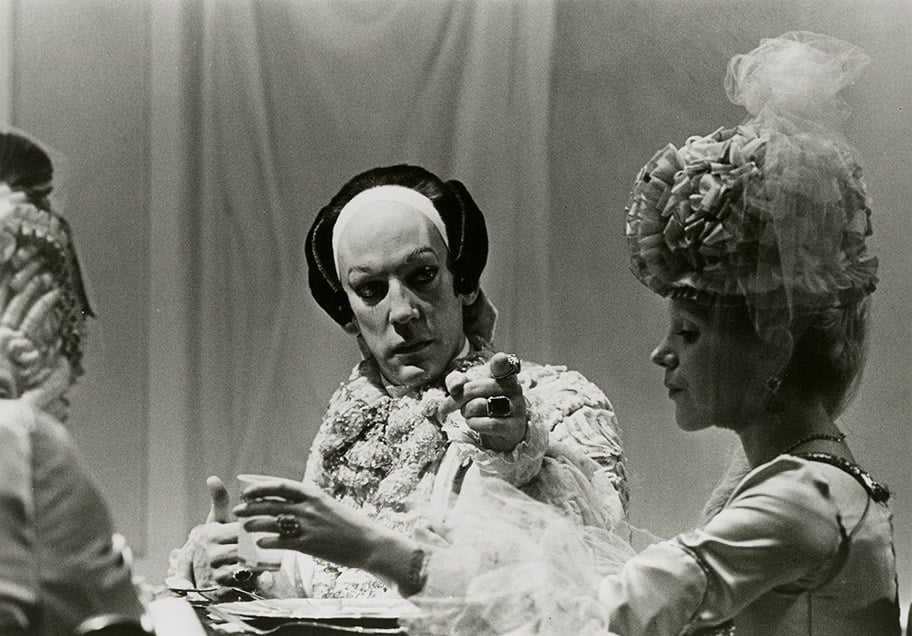
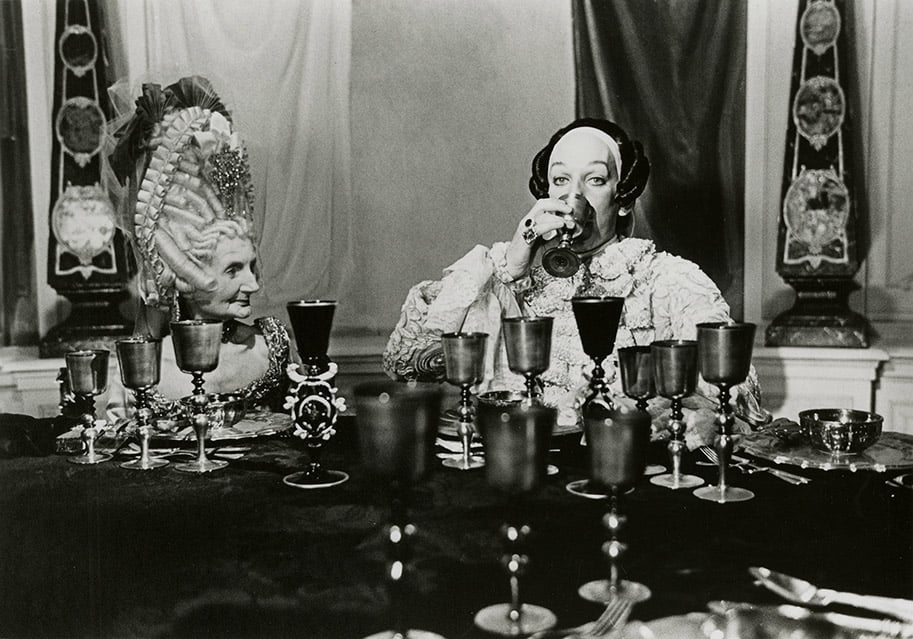
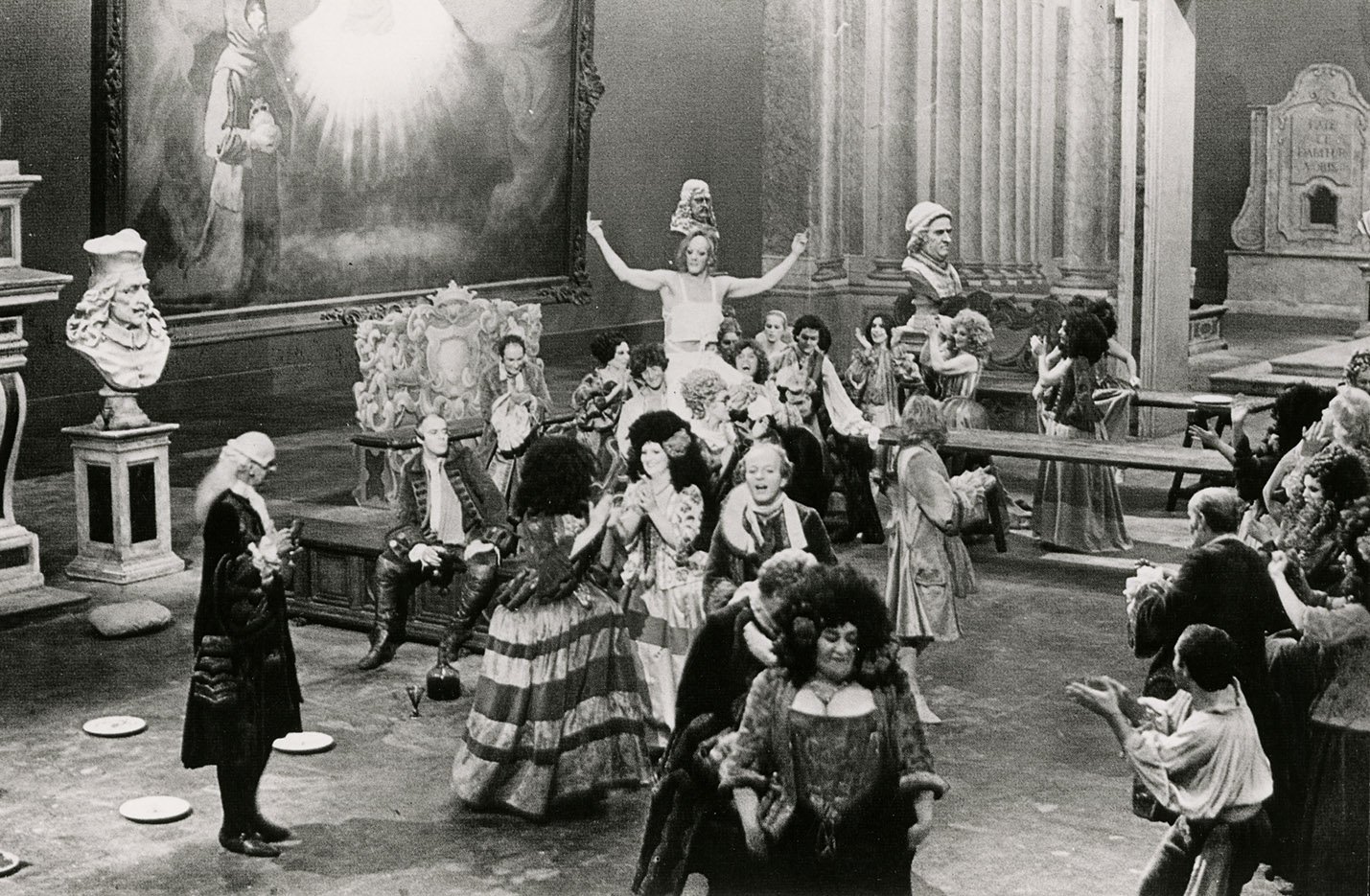
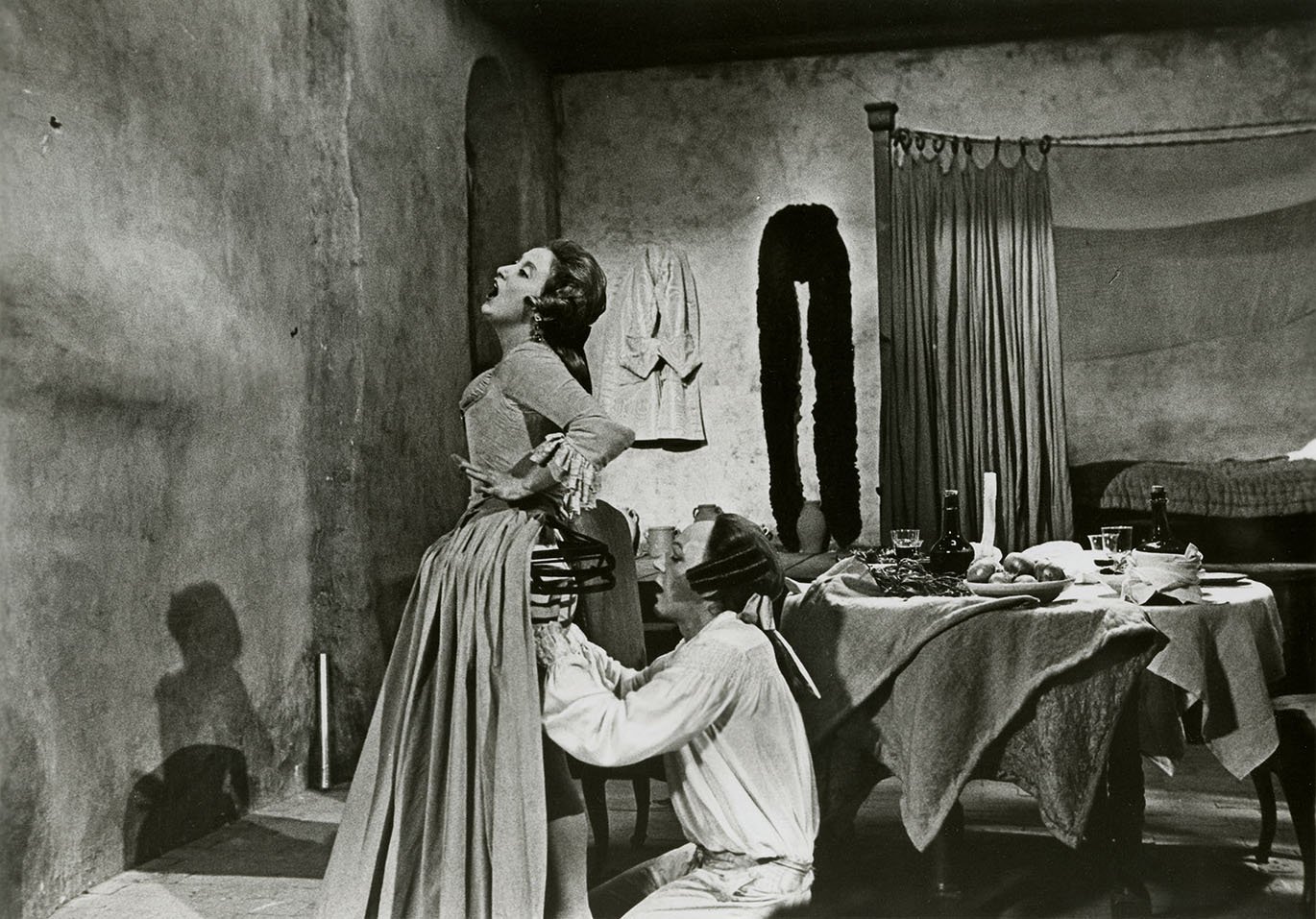
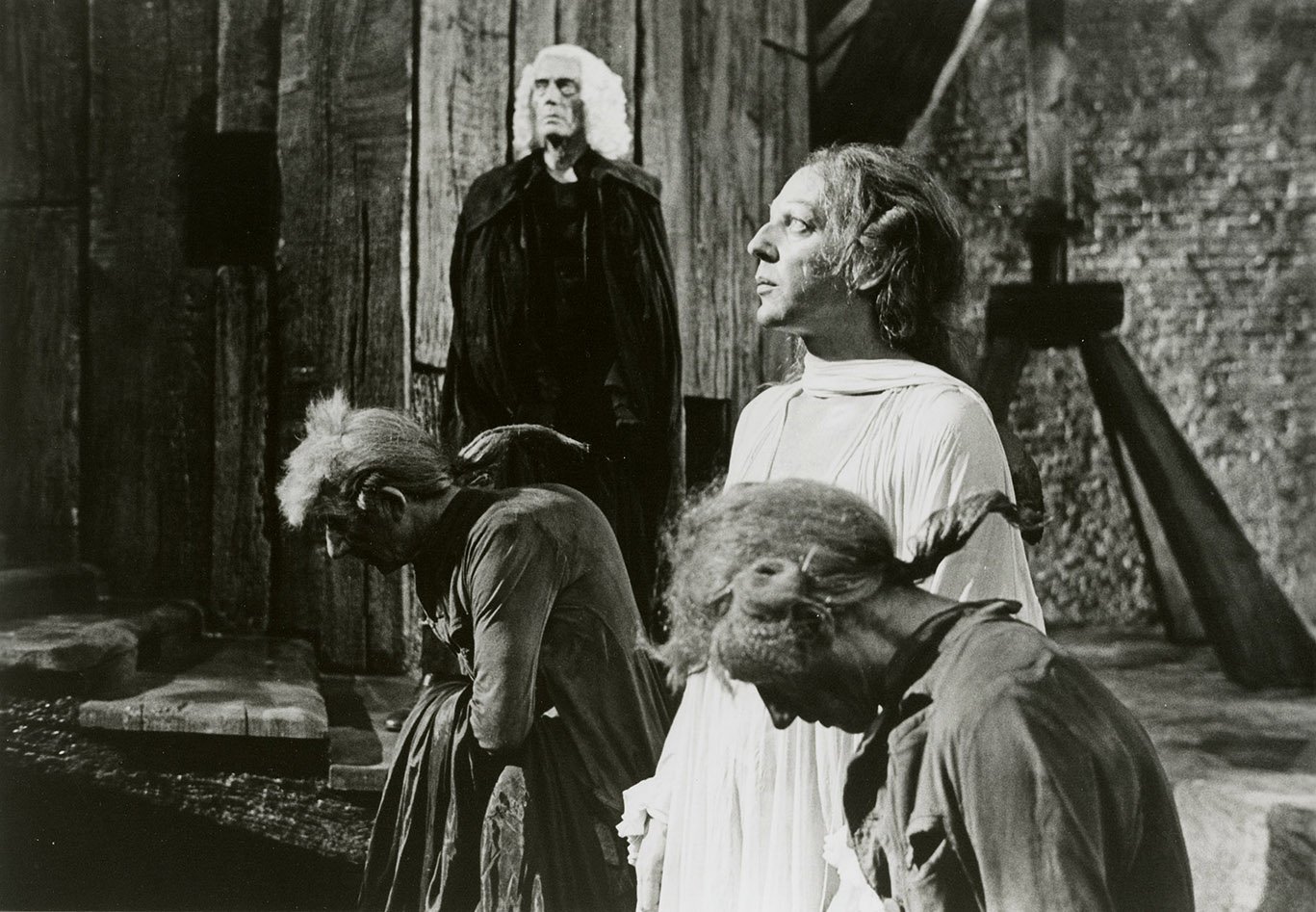

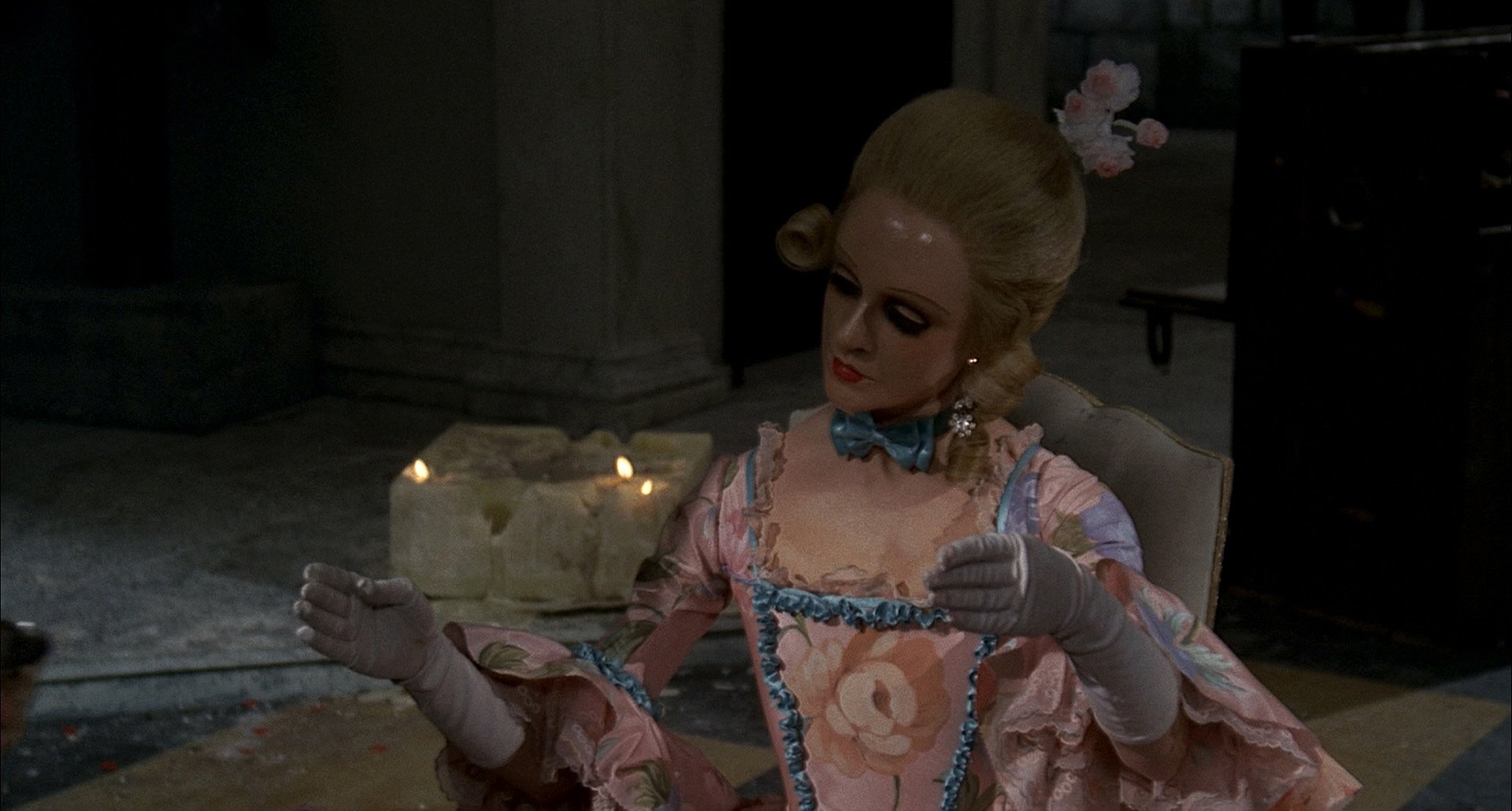

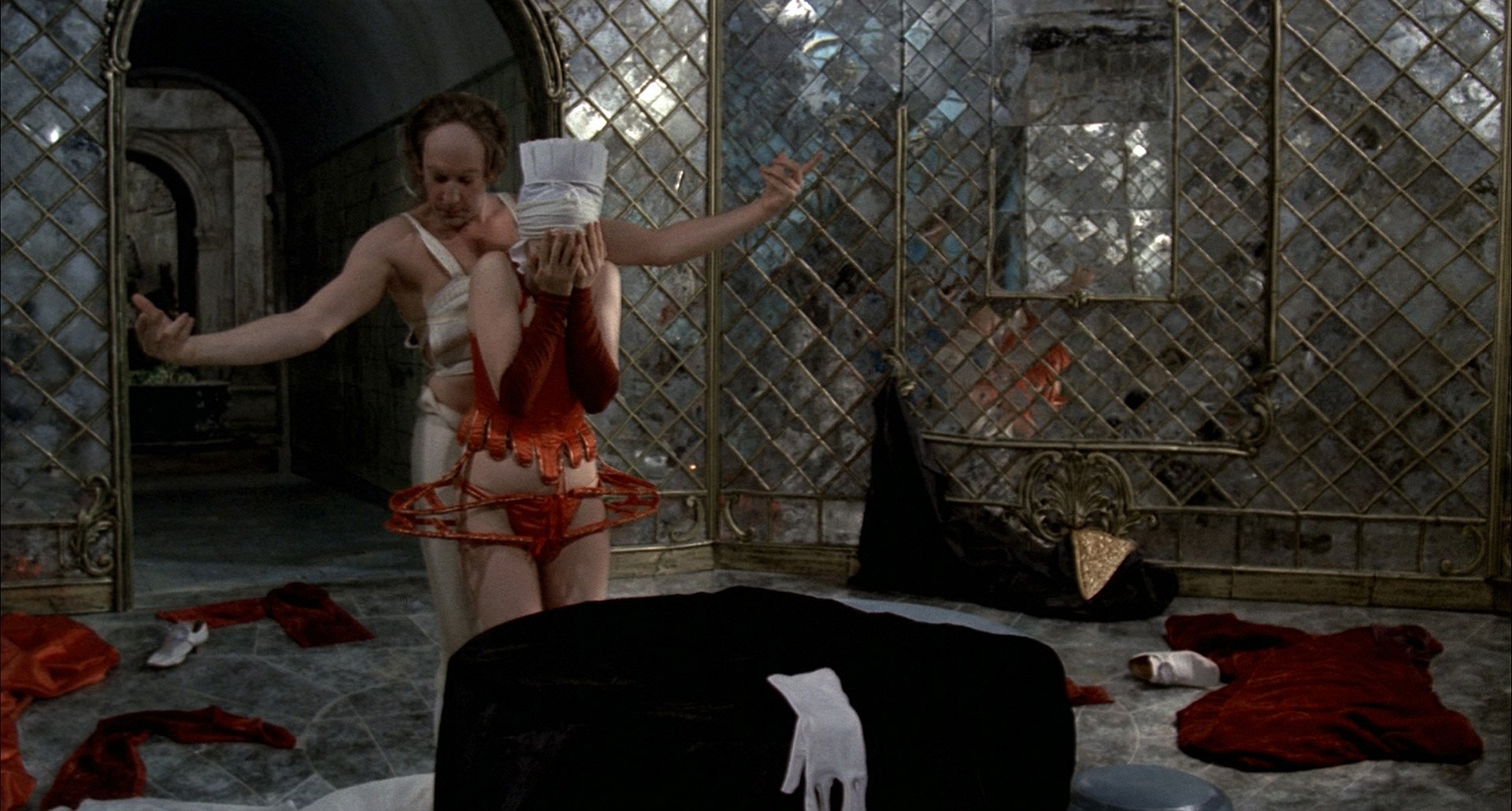
Casanova by Fellini | ©Carlotta films
Casanova by Fellini | ©Alberto Grimaldie Productions
Casanova by Fellini | ©Carlotta films
Casanova by Fellini | ©Alberto Grimaldie Productions
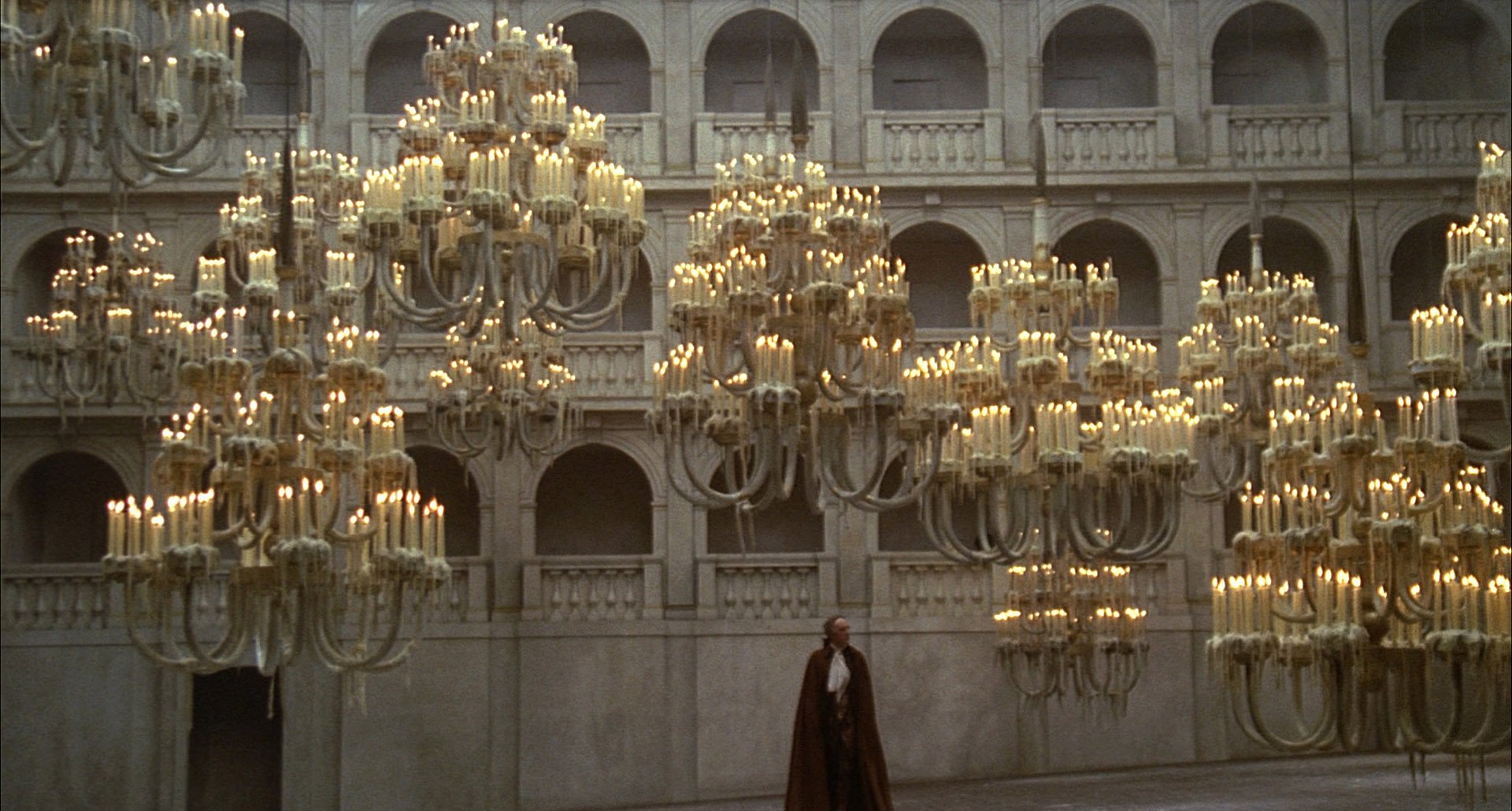
Casanova by Fellini | ©Alberto Grimaldie Productions
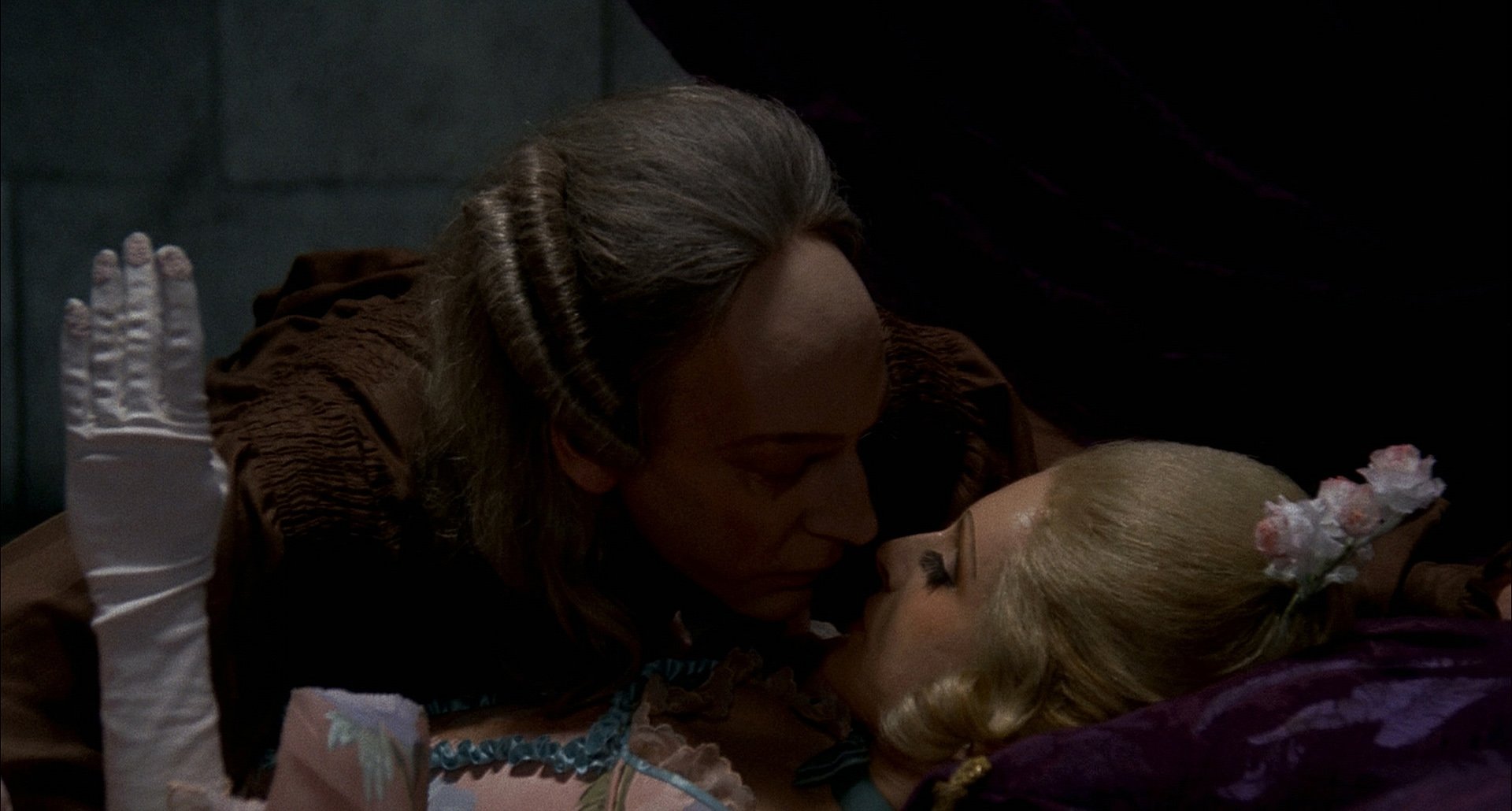
Casanova by Fellini | ©Carlotta films
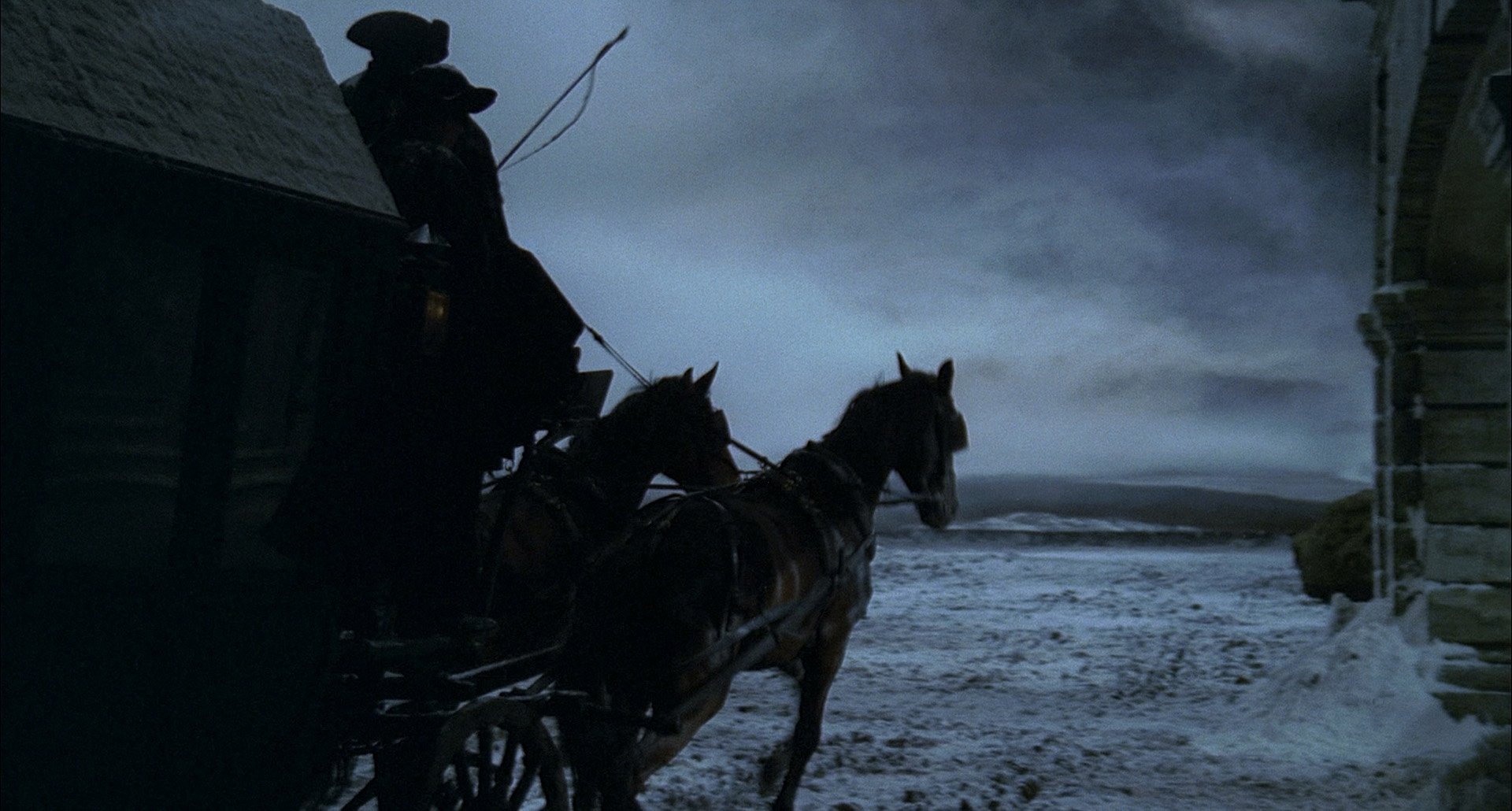
Casanova by Fellini | ©Alberto Grimaldie Productions
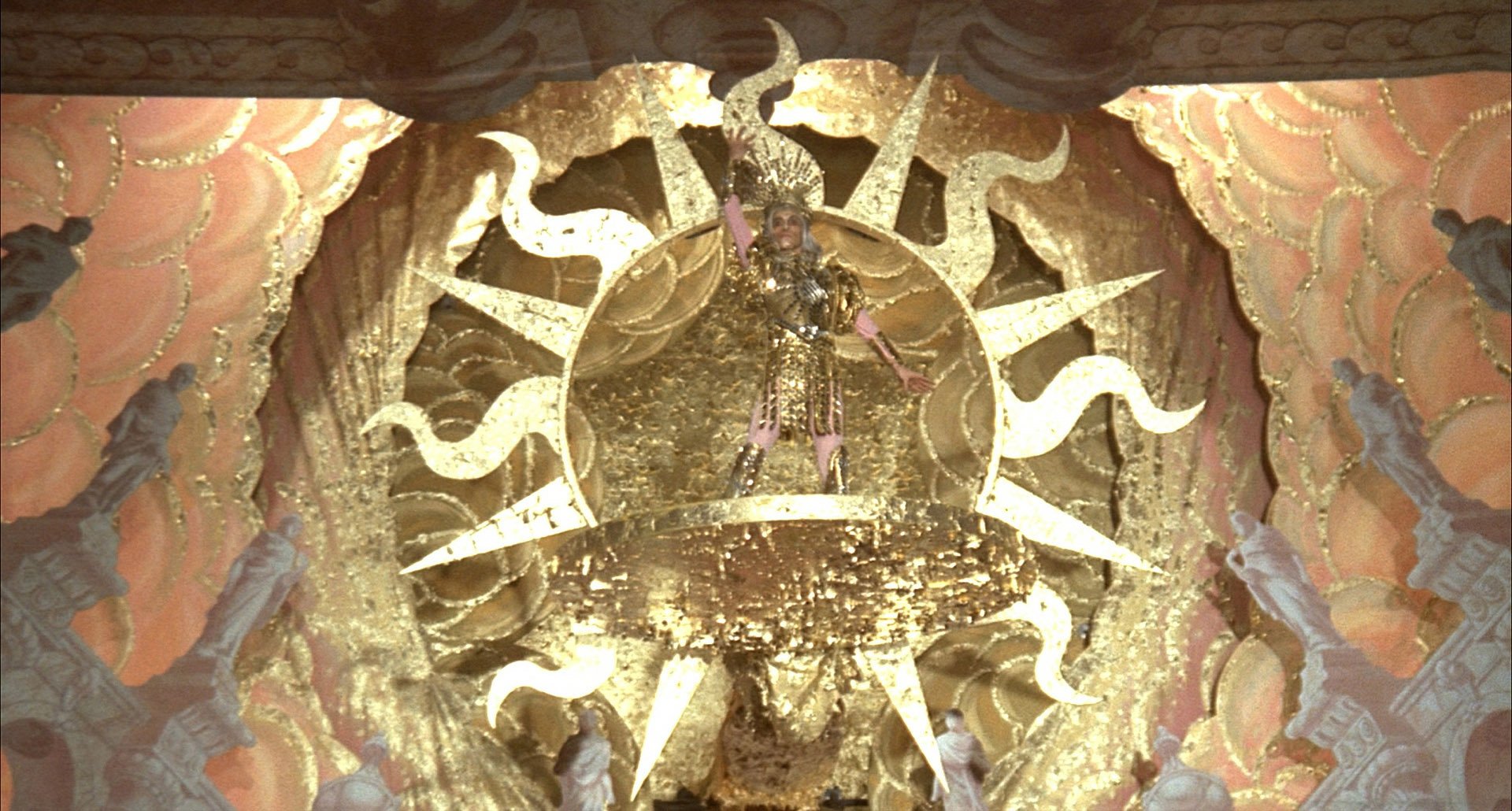
Casanova by Fellini | ©Alberto Grimaldie Productions
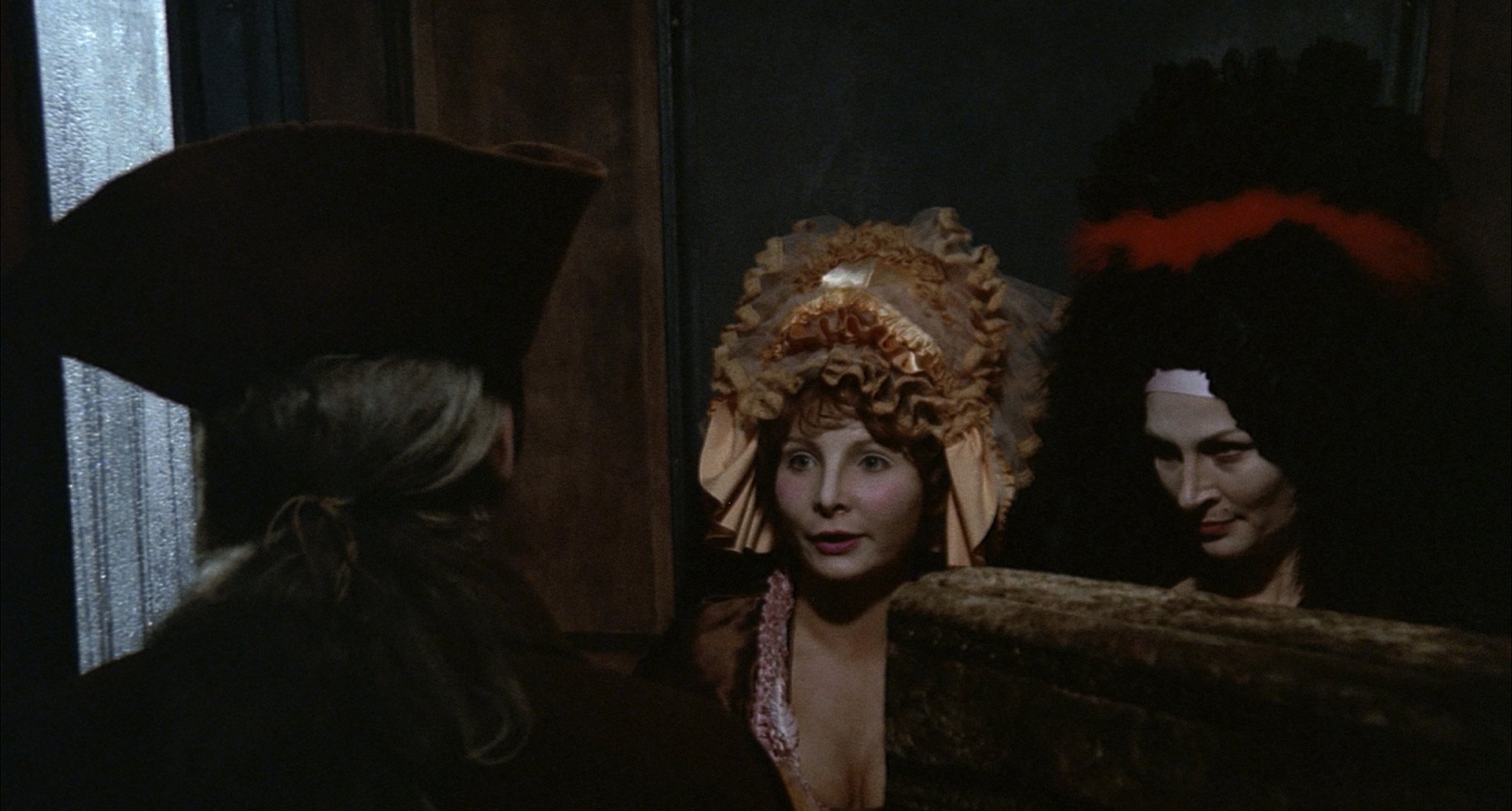
Casanova by Fellini | ©Alberto Grimaldie Productions
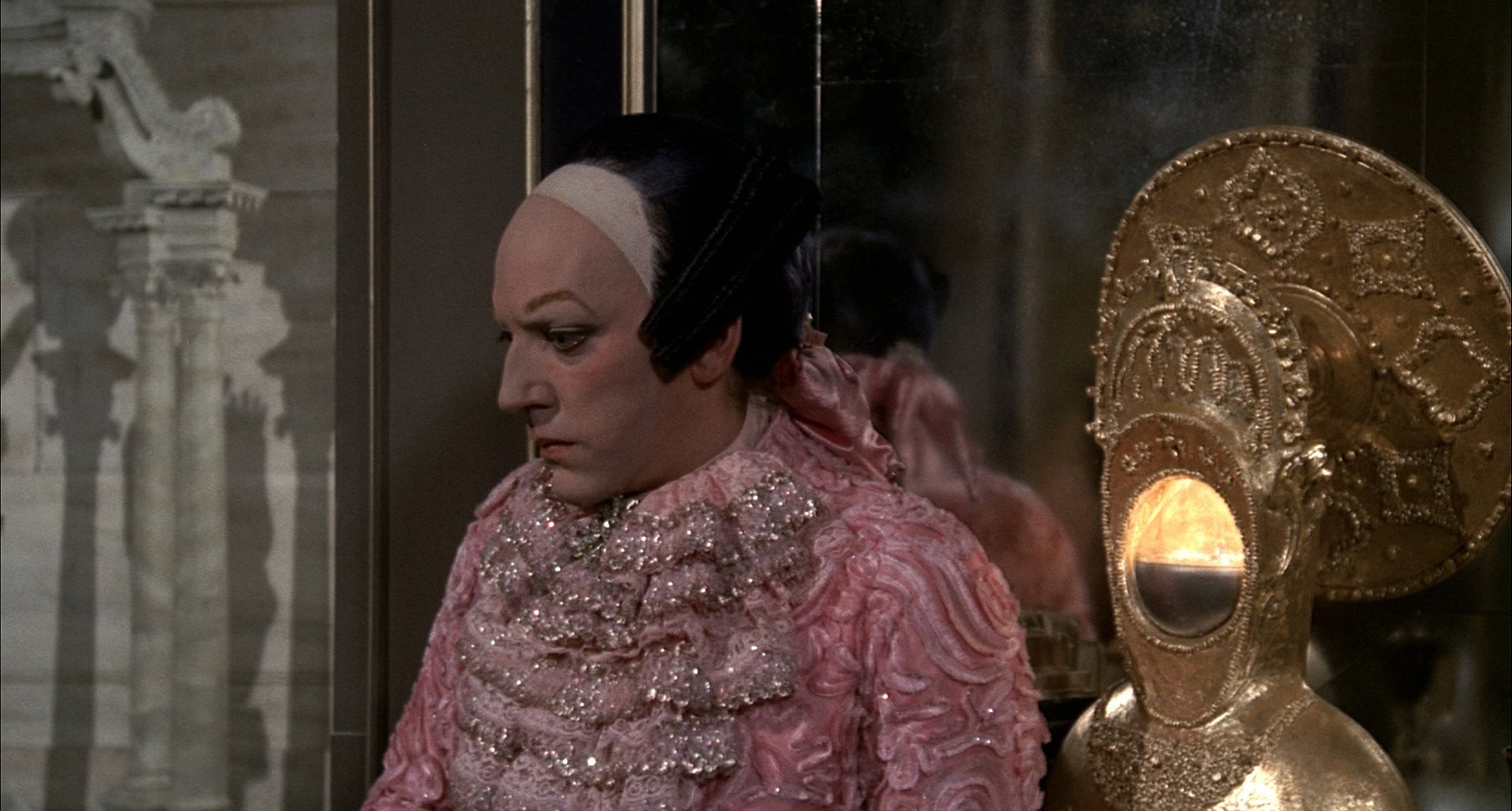
Casanova by Fellini | ©Alberto Grimaldie Productions

Casanova by Fellini | ©Alberto Grimaldie Productions
Podcast
A la première lecture de l"'Histoire de ma vie", Fellini déteste Casanova : l'homme, le personnage, le mythe, tout. C'est à partir de cette antipathie, non dénuée de jalousie, que le réalisateur construit son film autour du "vide". Comment comprendre cette affirmation, quand on voit la prolifération de tableaux fantaisistes et baroques qui composent ce film ? Et comment expliquer cette haine qui anime le réalisateur en face du mythe italien ? Emmanuelle Meunier nous parle aujourd'hui de la rencontre entre les deux monstres italiens, Fellini et Casanova.