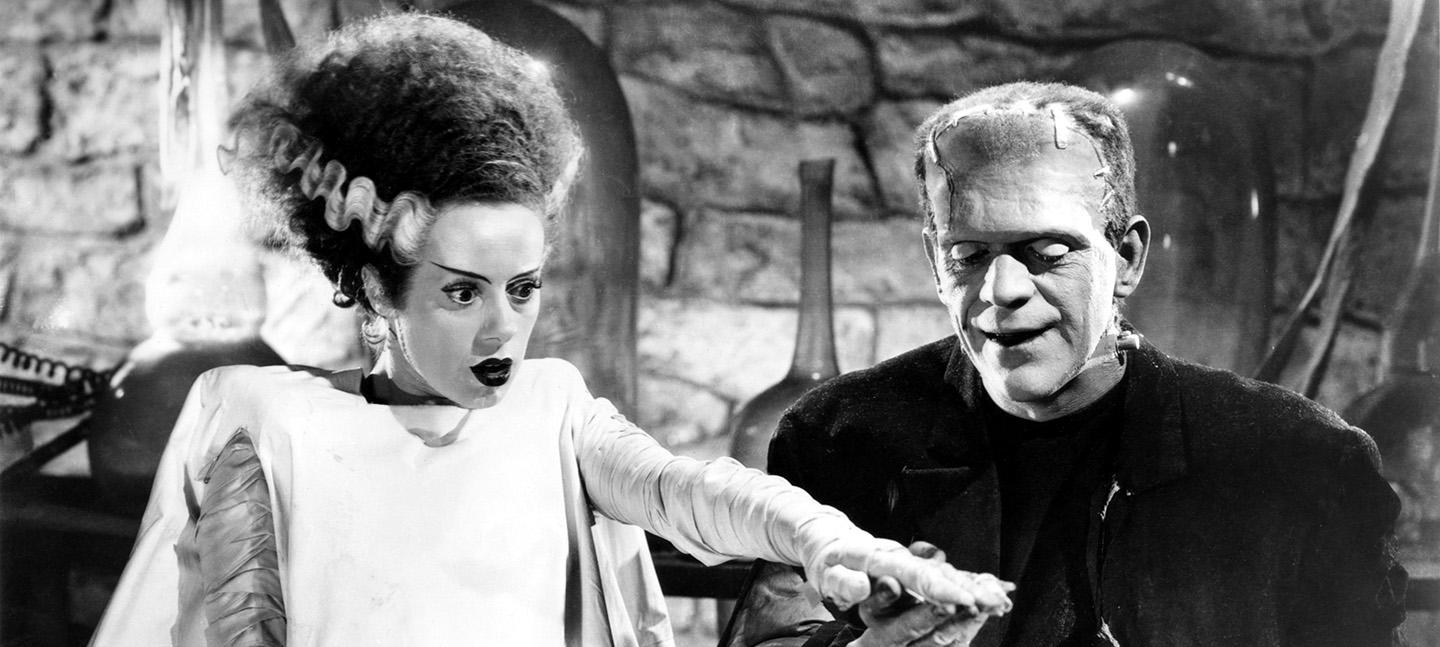
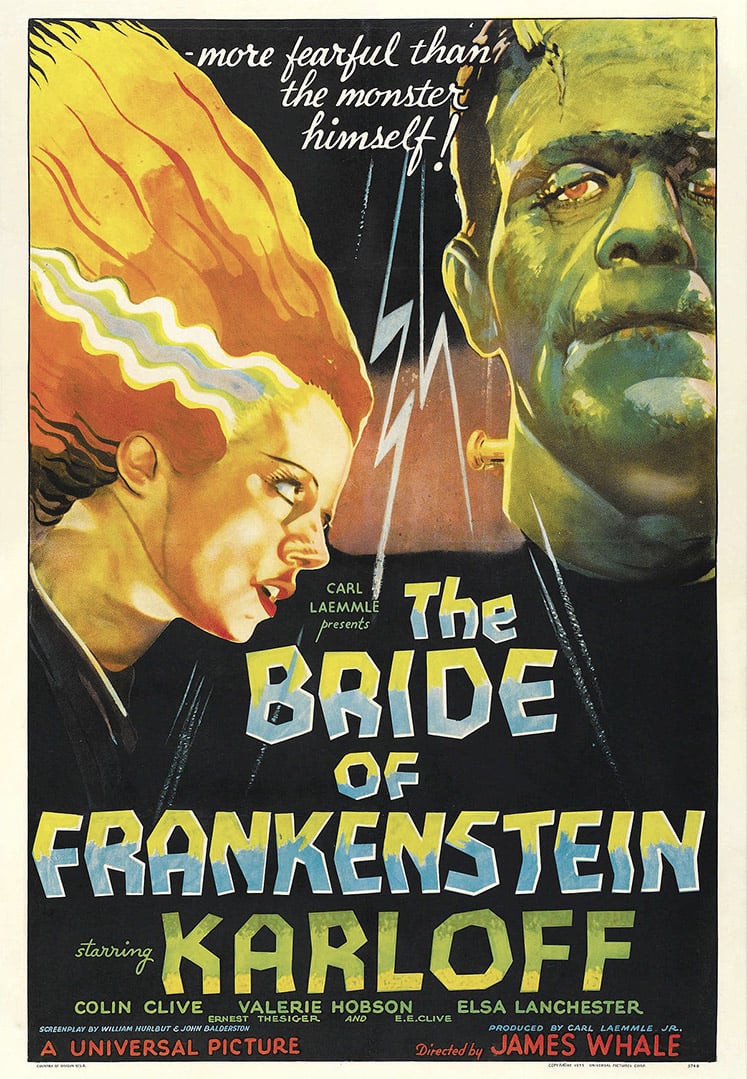
The Bride of Frankenstein
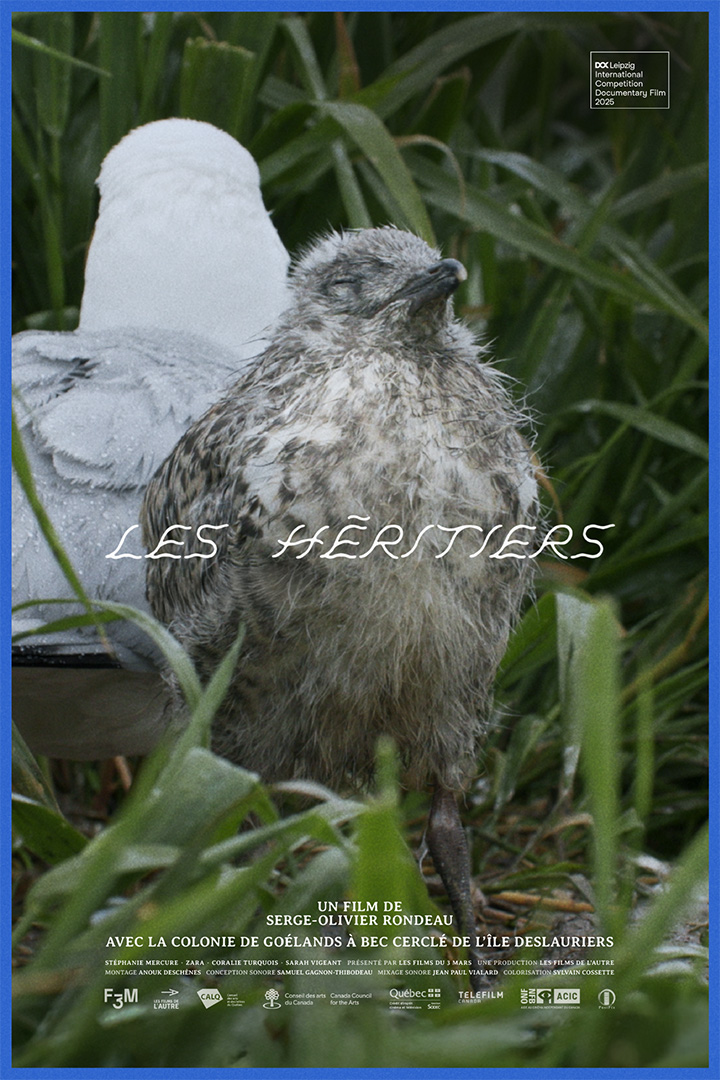
En collaboration avec Figura (UQAM), nous vous proposons pour quelques semaines des films représentant le célèbre Frankenstein, imaginé par l’écrivaine britannique Mary Shelley. Plutôt «figure» que simple personnage, il se décline en de nombreux films, en des variations parfois fantastiques et toujours troublantes.
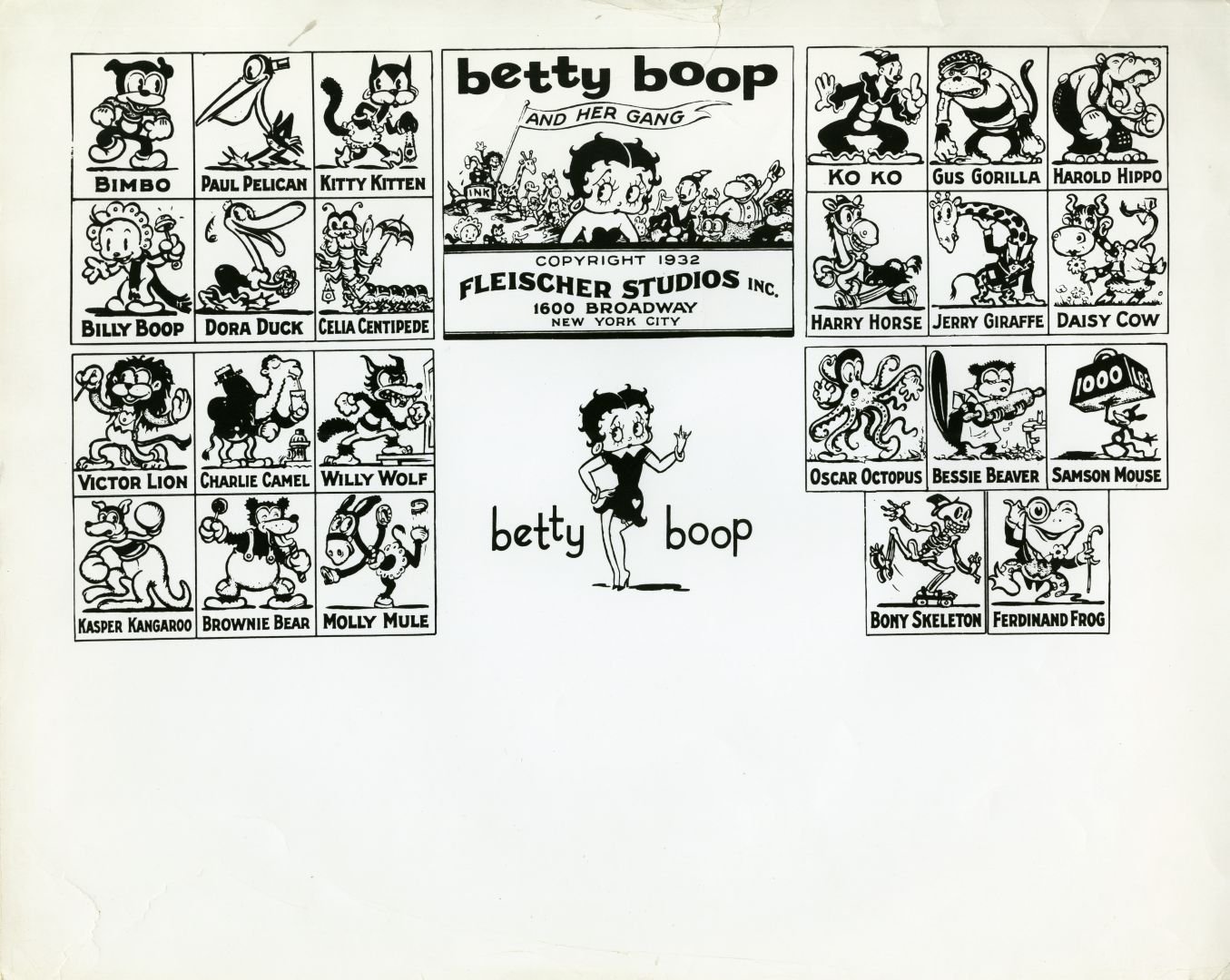
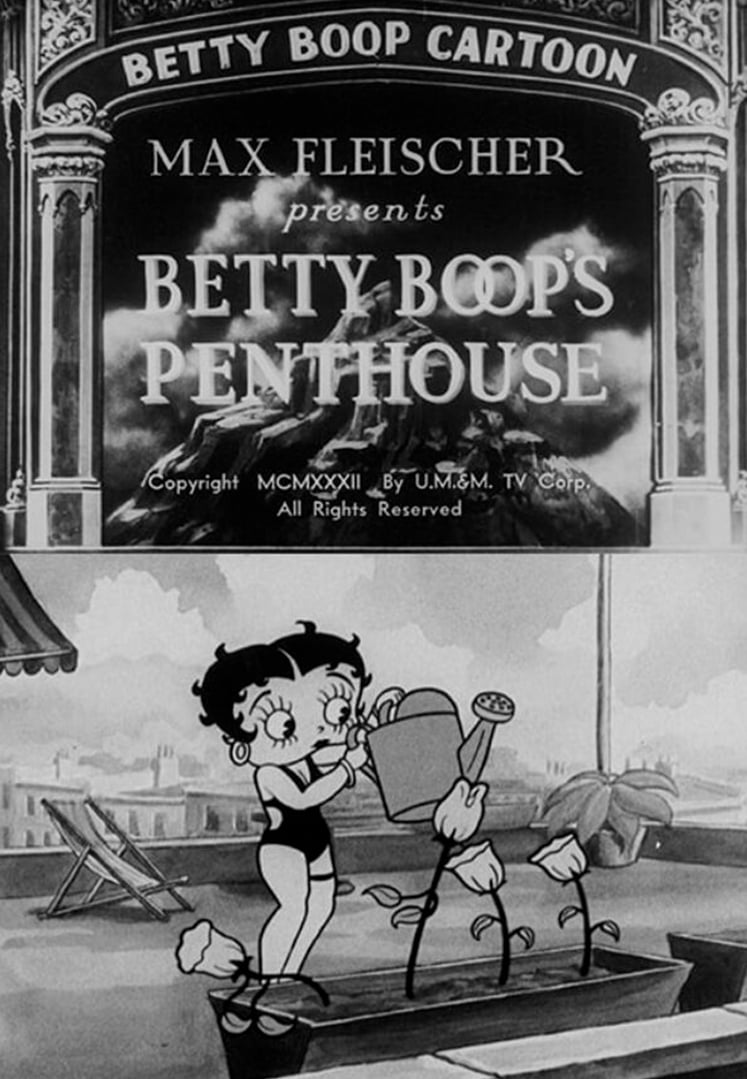
While Bimbo and Koko admire Betty, their experiment becomes a monster.
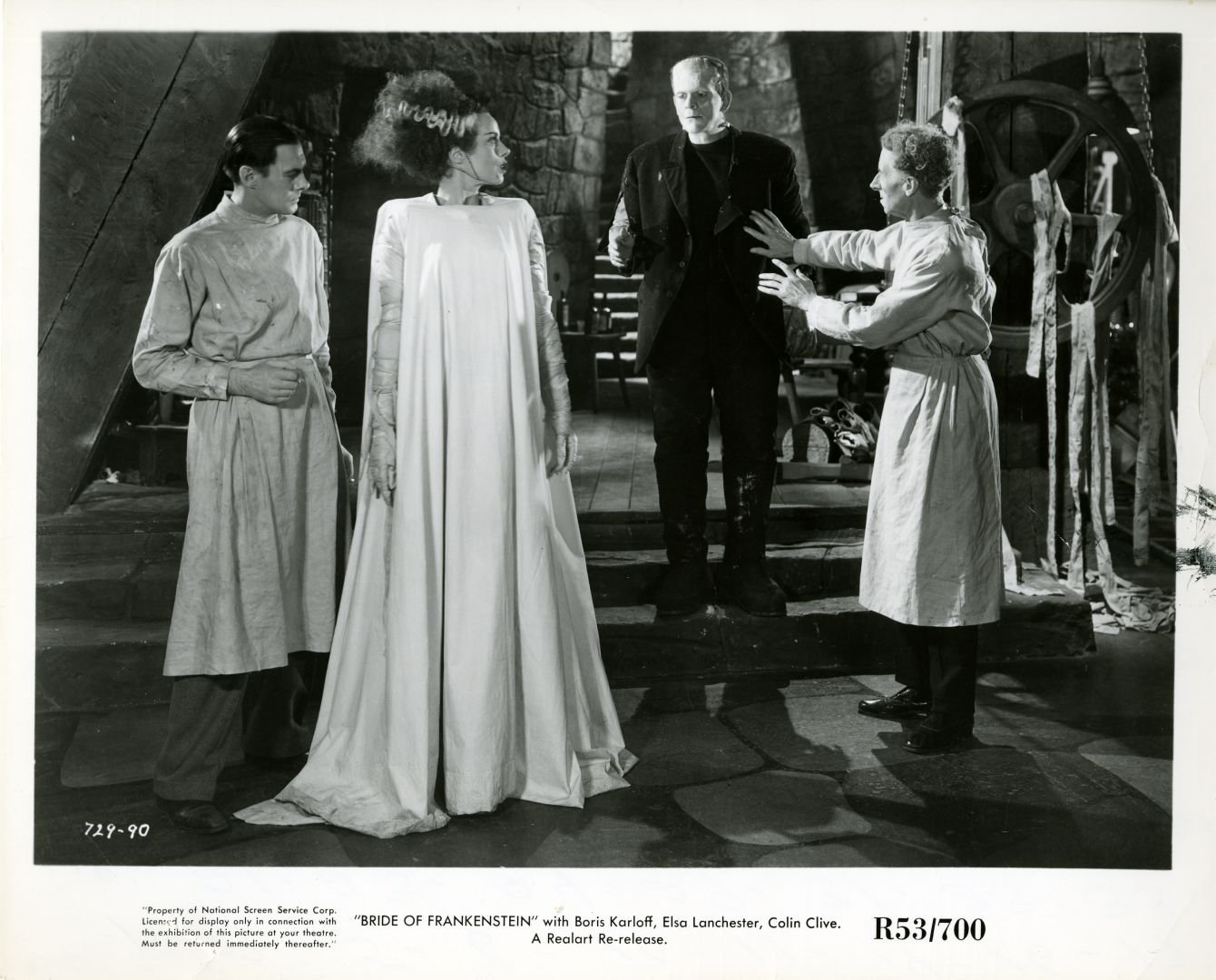
After recovering from injuries sustained in the mob attack upon himself and his creation, Dr. Frankenstein falls under the control of his former mentor, Dr. Pretorius, who insists the now-chastened doctor resume his experiments in creating new life: a female mate for his Monster.
« Whale's erudite genius brings it all together. He sculpts every nuance of self-parody, social satire, horror, humour, wit and whimsy into a dazzling whole, keeping every one of his fantastical plates spinning until the tragic, inevitable finale. » (Simon Braund, 2010)
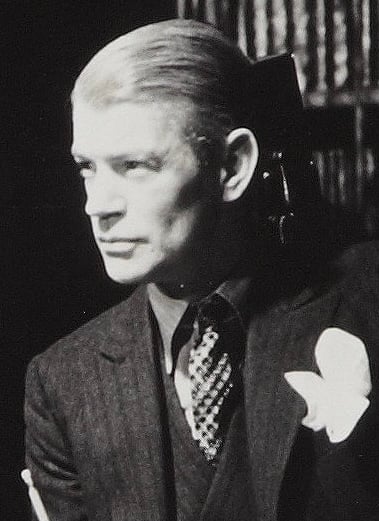
James Whale
James Whale was a British film director, known for directing several horror classics like Frankenstein (1931), The Old Dark House (1932), The Invisible Man (1933) and Bride of Frankenstein (1935), as well as the musical, Show Boat (1936). Early in his career, he juggled various odd jobs before gradually discovering a passion for drawing and painting. When World War I broke out, he was only 25 years old. Whale enlisted in the army and was later captured by the German forces. While imprisoned, he discovered the joy of amateur theater, an experience that proved to be a revelation for him. However, it wasn't until he was 40 years old that he had the chance to direct a play for the first time, Journey's End. The play was so successful that he was invited to stage it on Broadway, where it was triumphantly received, and then to adapt it in Hollywood. With the advent of talkies, California studios were turning to the theater for dialogue writers. Whale was hired by Paramount. Universal then trusted him to direct the adaptation of Mary Shelley's novel Frankenstein. He directed a dozen films for the company, developing a style characterized by the influence of German Expressionism and a highly mobile camera.