La lettre
This recurring program is an opportunity to present films from various eras and origins, thanks to 35mm prints acquired over the years by the Cinémathèque québécoise. This month, Wim Vandekeybus’ Blush, a spellbinding exploration of the unconscious and passion, punctuated by dance numbers and inspired by the myth of Orpheus and Eurydice.
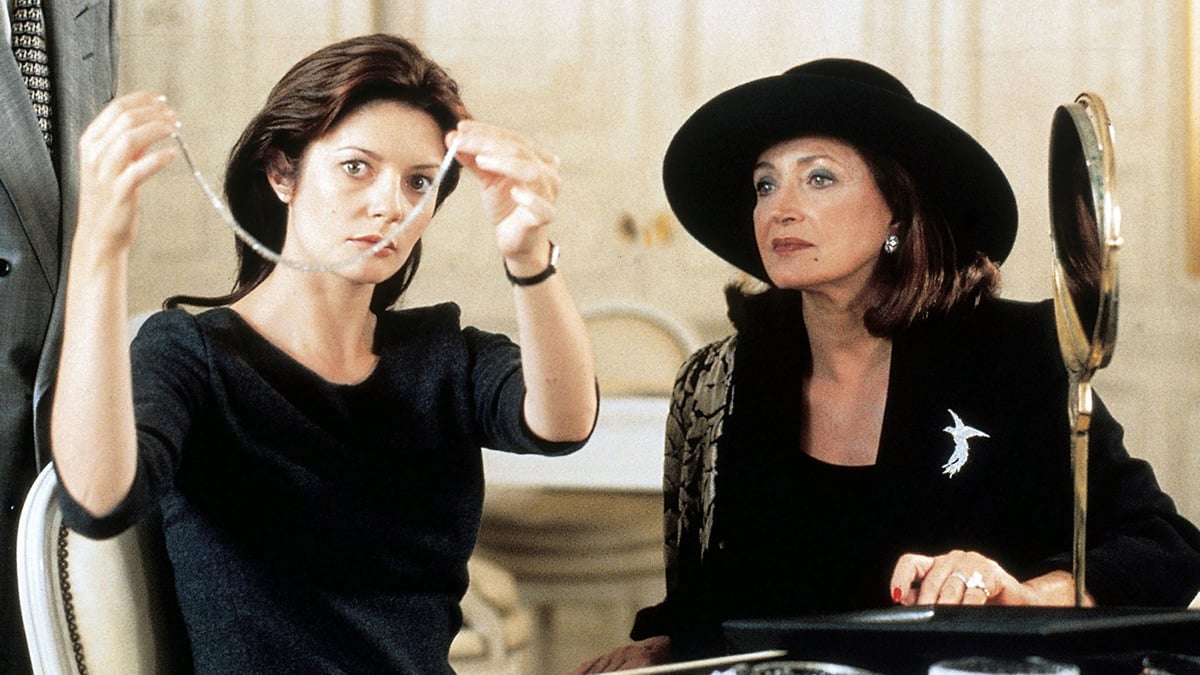
Seriously disappointed by her first love, the beautiful, delicate and virtuous Catherine de Chartres sinks into despair. One evening, a friend of her mother's takes advantage of a concert to introduce her to Jacques de Clèves, a doctor with a solid reputation. He immediately falls in love with the young girl.
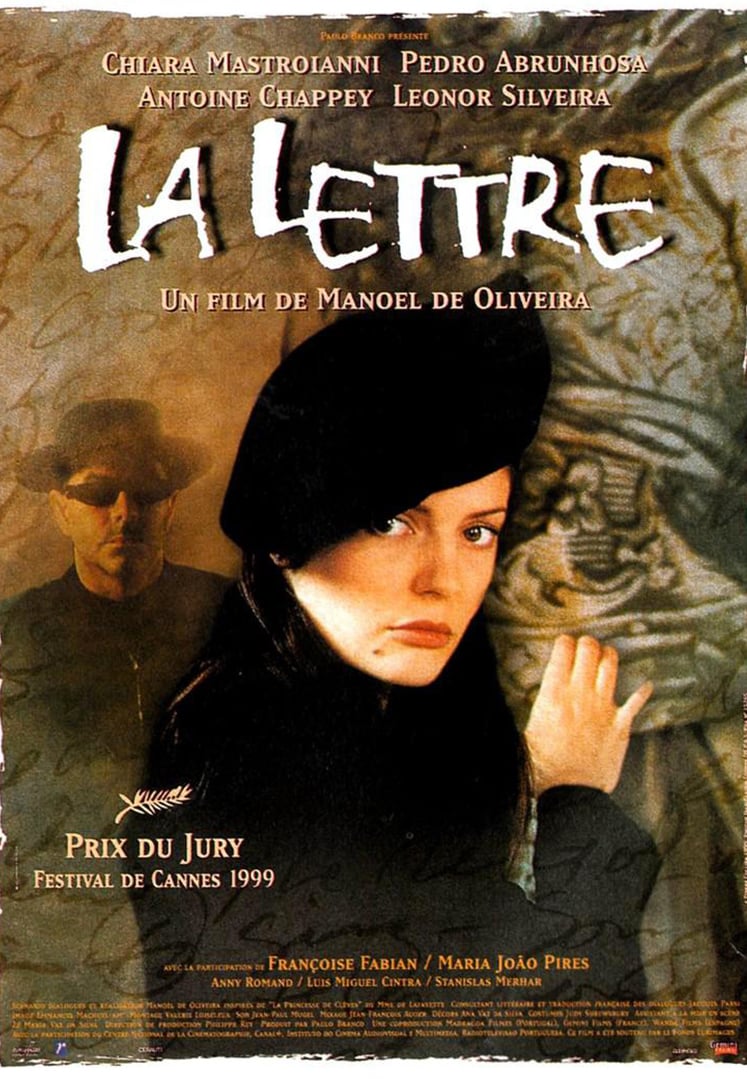
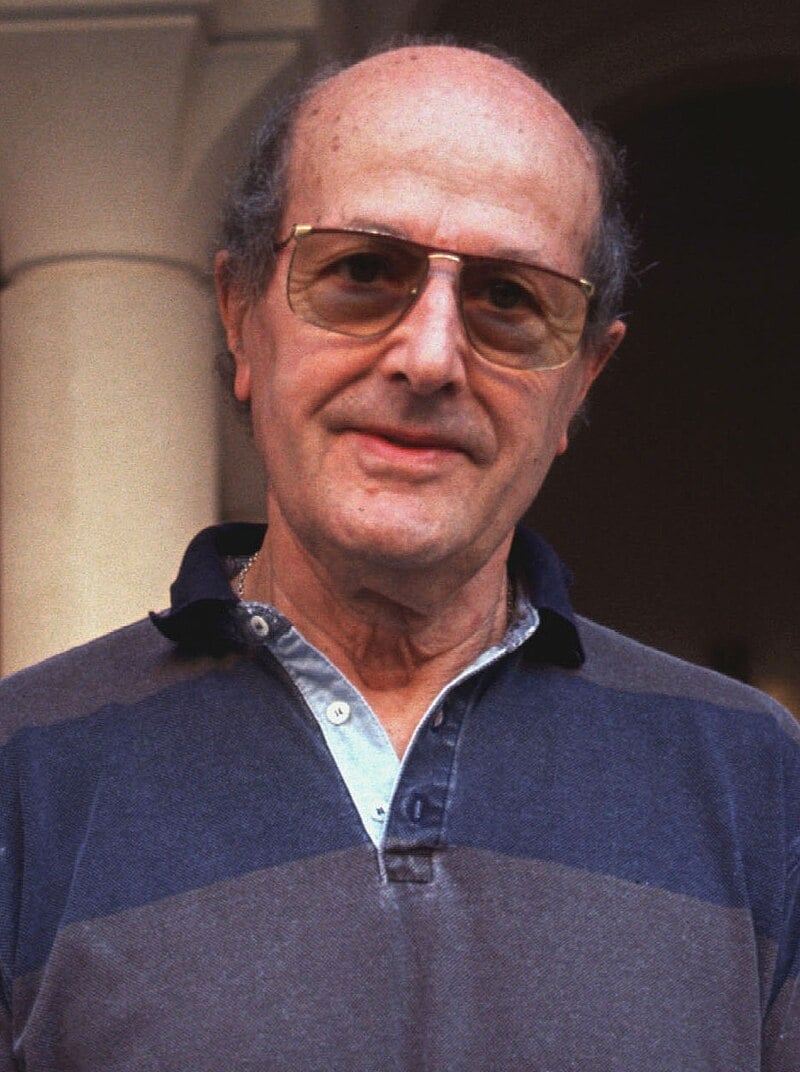
Manoel de Oliveira
Manoel de Oliveira was a Portuguese film director and screenwriter. He first began making films in 1927, when he and some friends attempted to make a film about World War I. In 1931, he completed his first film Douro, Faina Fluvial, a documentary about his home city Porto made in the city-symphony genre. He made his feature film debut in 1942 with Aniki-Bóbó and continued to make shorts and documentaries for the next 30 years. In 1971, Oliveira directed his second feature narrative film, Past and Present, a social satire that both set the standard for his film career afterwards and gained him recognition in the global film community. He continued making films of growing ambition throughout the 1970s and 1980s, gaining critical acclaim and numerous awards. Beginning in the late 1980s, he was one of the most prolific working film directors and made an average of one film per year past the age of 100. In March 2008, he was reported to be the oldest active film director in the world. Among his numerous awards were the Career Golden Lion from the 61st Venice International Film Festival, an Honorary Palme d’or for his lifetime achievements in 2008 Cannes Film Festival, and the French Legion of Honor.