L'Atalante + Taris
A true meteor in the history of cinema, Jean Vigo left an indelible mark with only four films before his untimely death at the age of twenty-nine. He blended social criticism with experimental filmmaking in À propos de Nice; tackled the technical challenge of filming underwater in Taris; provoked the wrath of censors with his anarchist masterpiece Zero for Conduct; and crafted a unique, unforgettable feature film, L’Atalante, whose poetic beauty has inspired many great filmmakers. We invite you to rediscover this dazzling work in its entirety over one weekend.
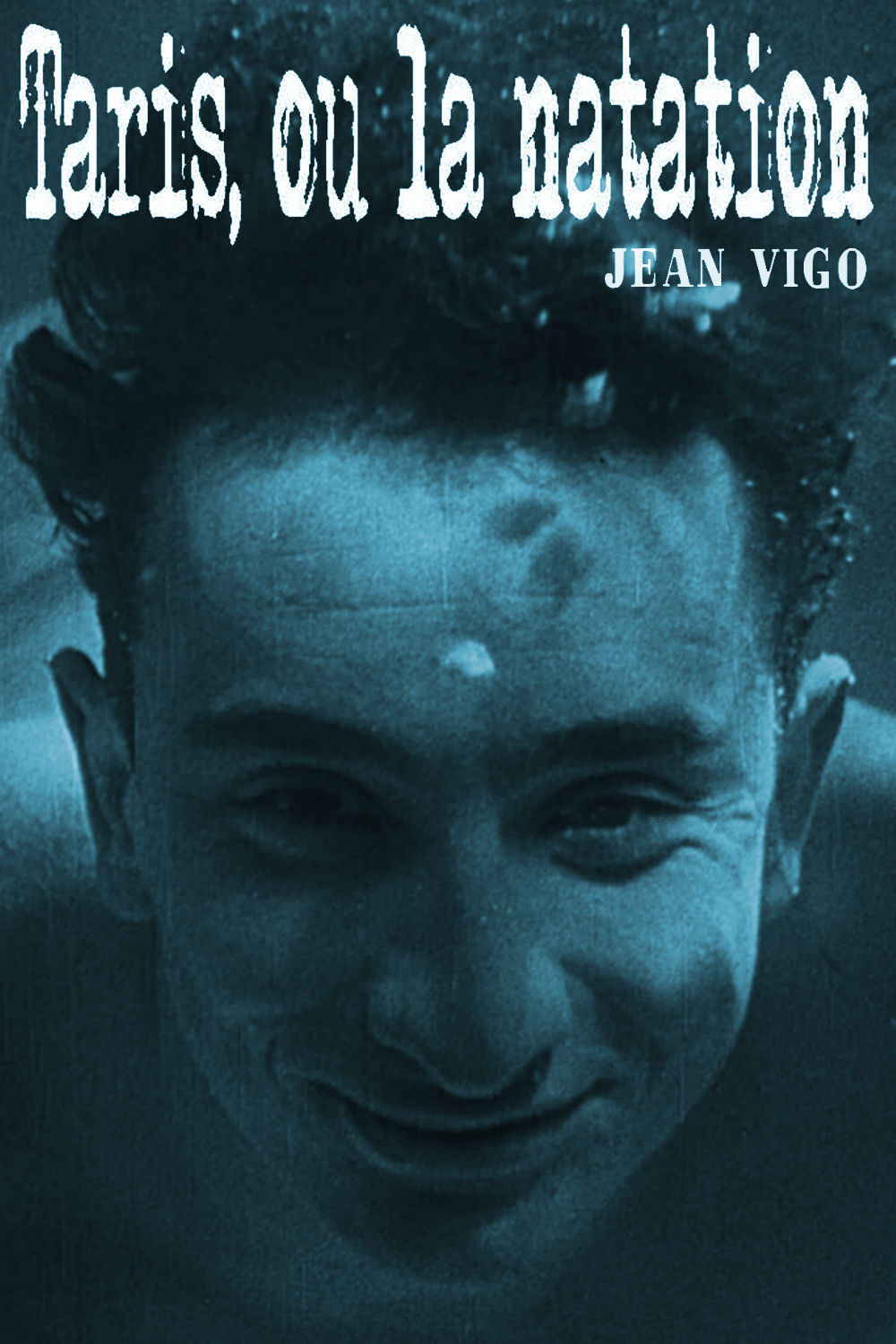
Undeniably creative and technically inventive for its time, this short documentary examines the swimming style of French champion Jean Taris as he trains at the Automobile-Club pool in France.
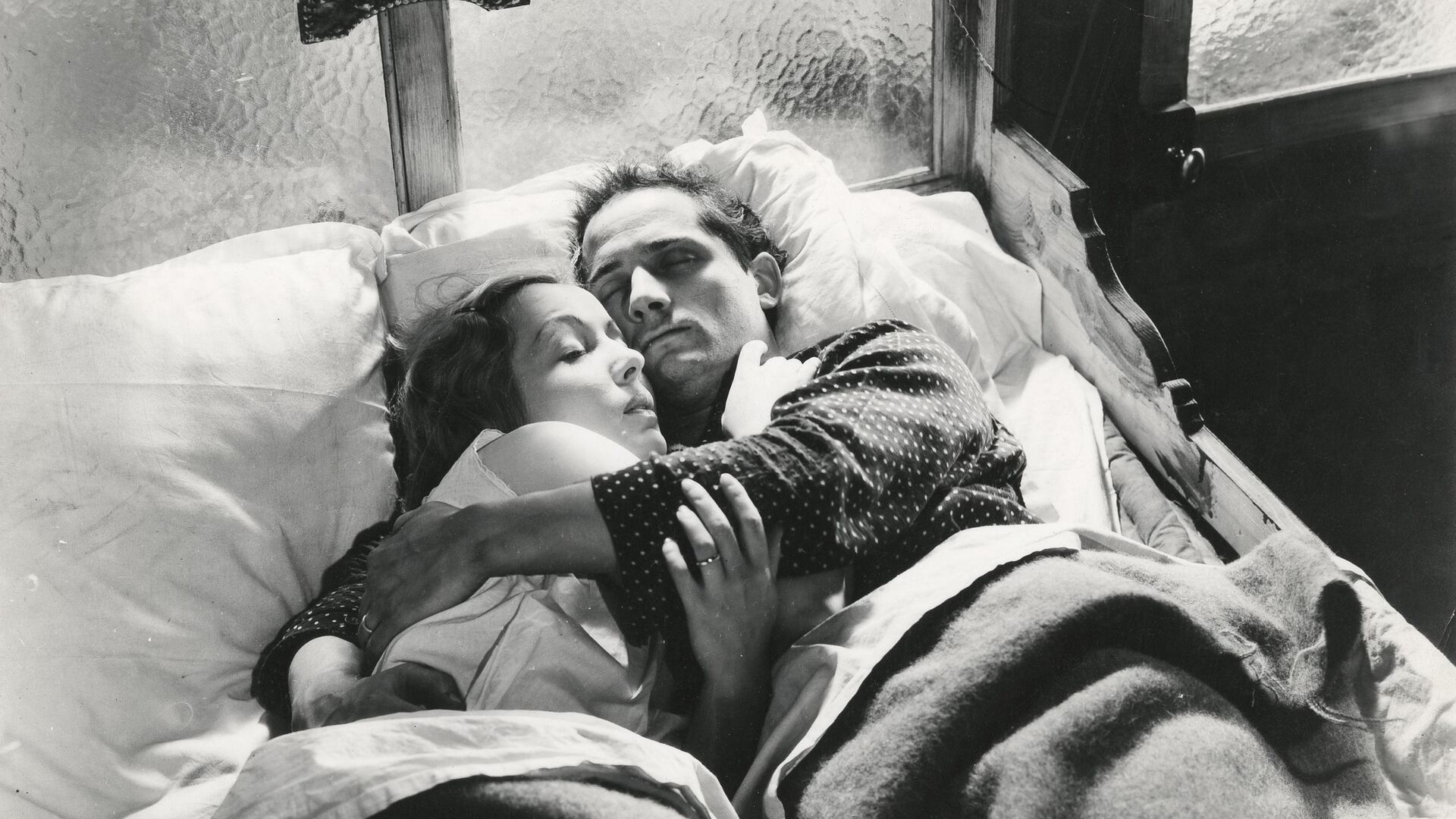
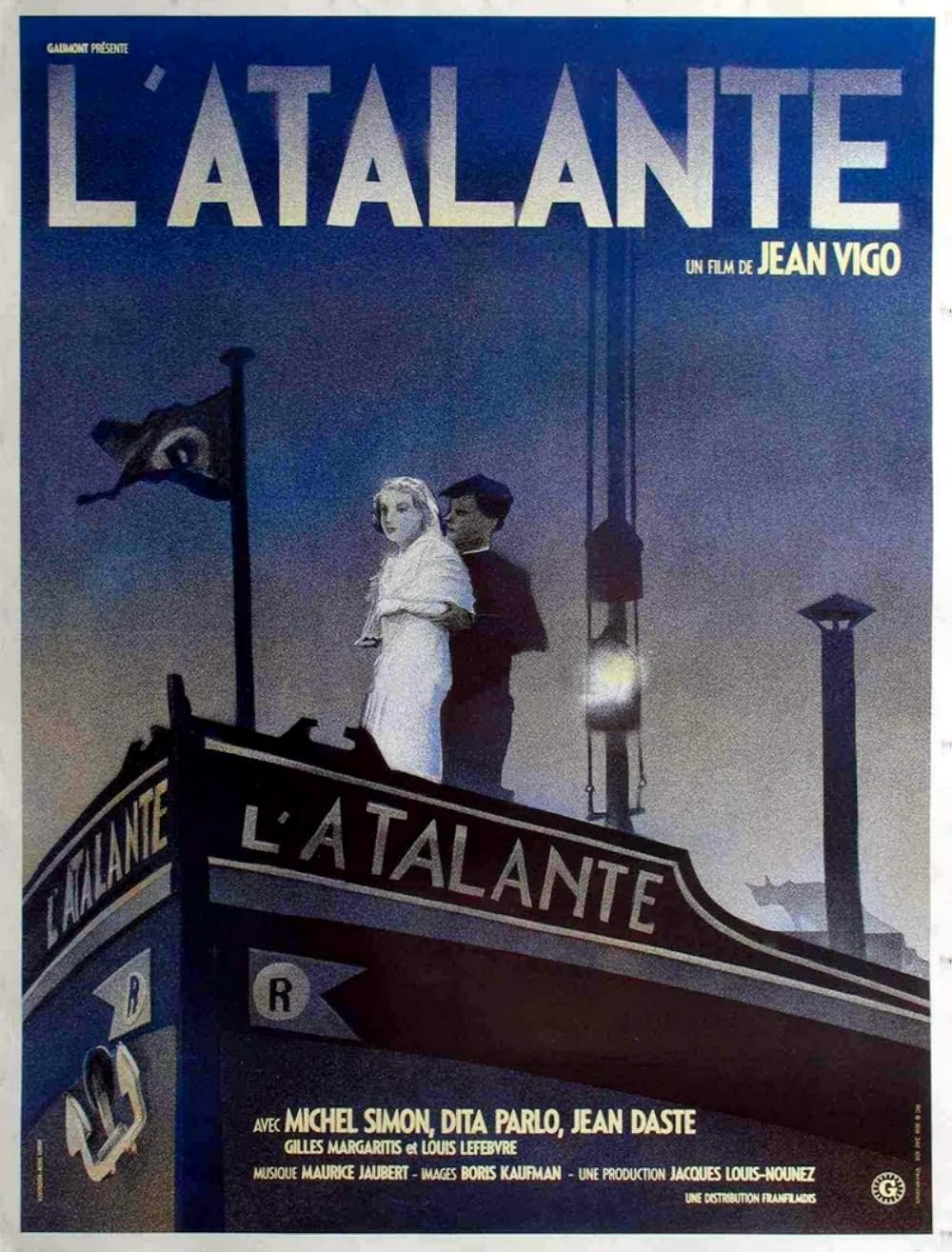
The wife of a young sailor, tired of her dull life, allows herself to be tempted by the city, only to be cruelly disappointed and return to her husband. Vigo's last film, L'Atalante combines a social approach with a concrete sensitivity to the working classes, two elements of the filmmaker's humanism.
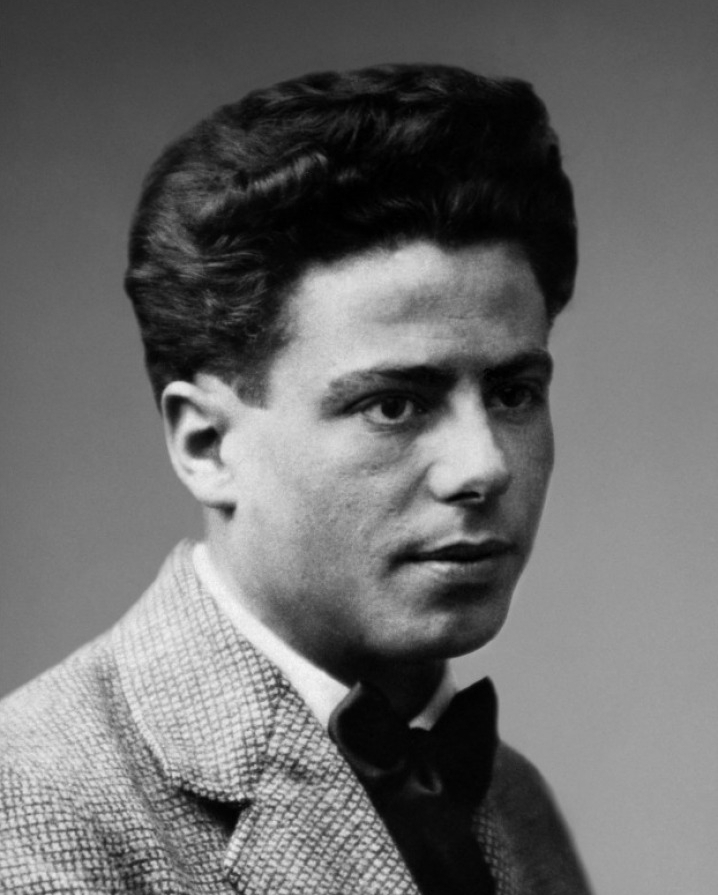
Jean Vigo
Jean Vigo was a French film director and the son of anarchist Eugène Vigo (Miguel Almereyda), founder and writer for La Guerre sociale and Le Bonnet rouge. After his father's death when he was 12, Jean Vigo was taken in by his step-grandfather, a photographer in Montpellier, who introduced him to the world of images. He is best best known for his films, Zéro de conduite (1933) and L'Atalante (1934). Earlier films include À propos de Nice (1929), co-directed with Boris Kaufman and Taris, roi de l'eau. Zéro de conduite was banned upon its release for being deemed "anti-French" and was only authorized after the war in 1946. Among the first viewers of his films was François Truffaut, who said he owed him his cinematic vision. Jean-Luc Godard later dedicated Les carabiniers (1963) to him.