Le voleur
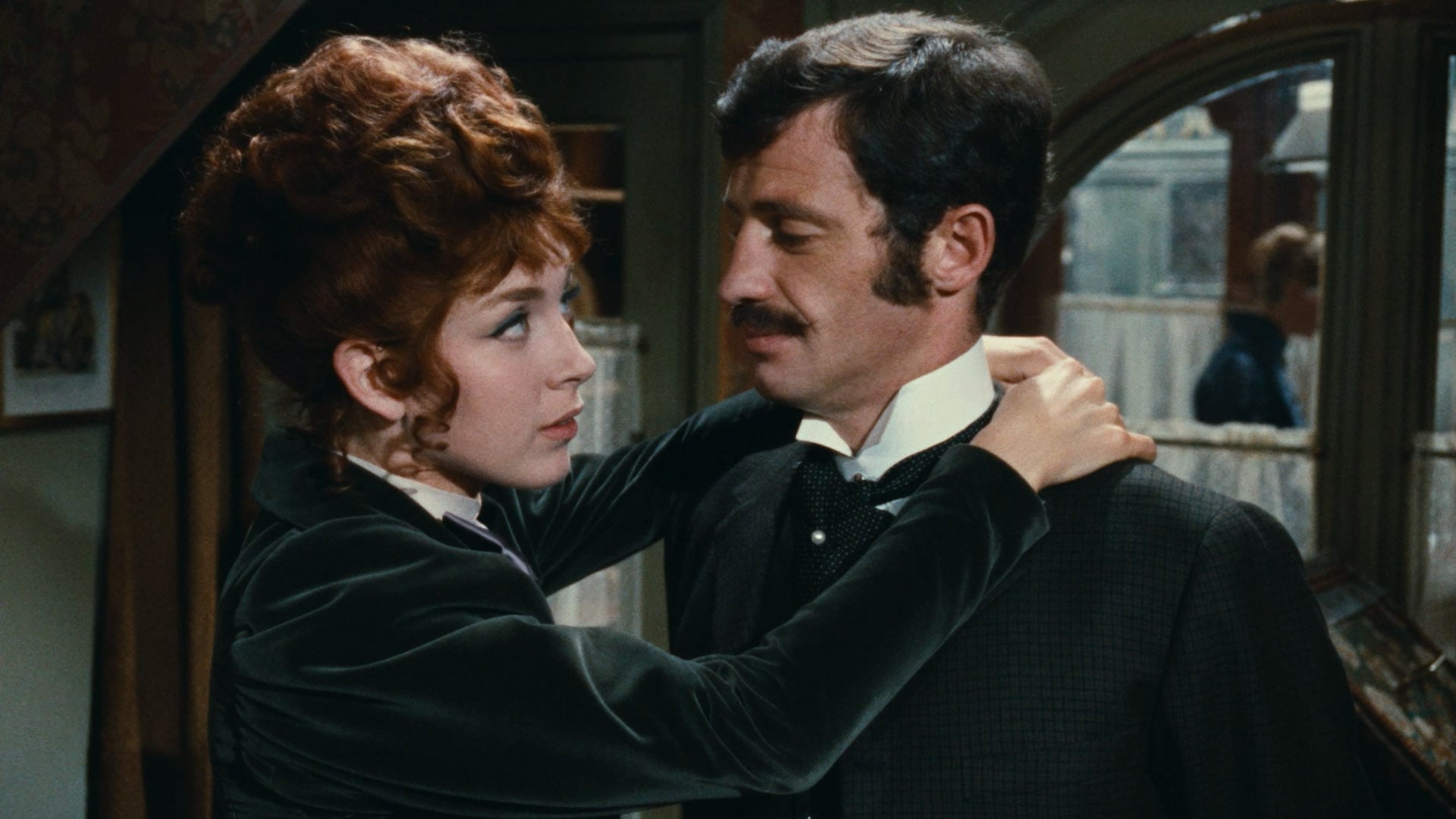
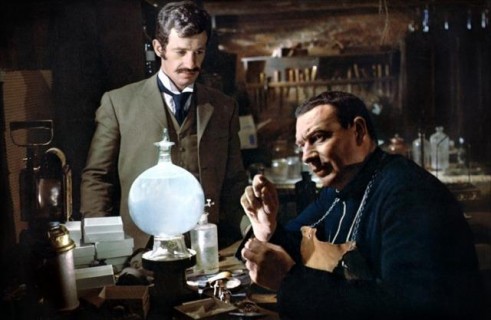
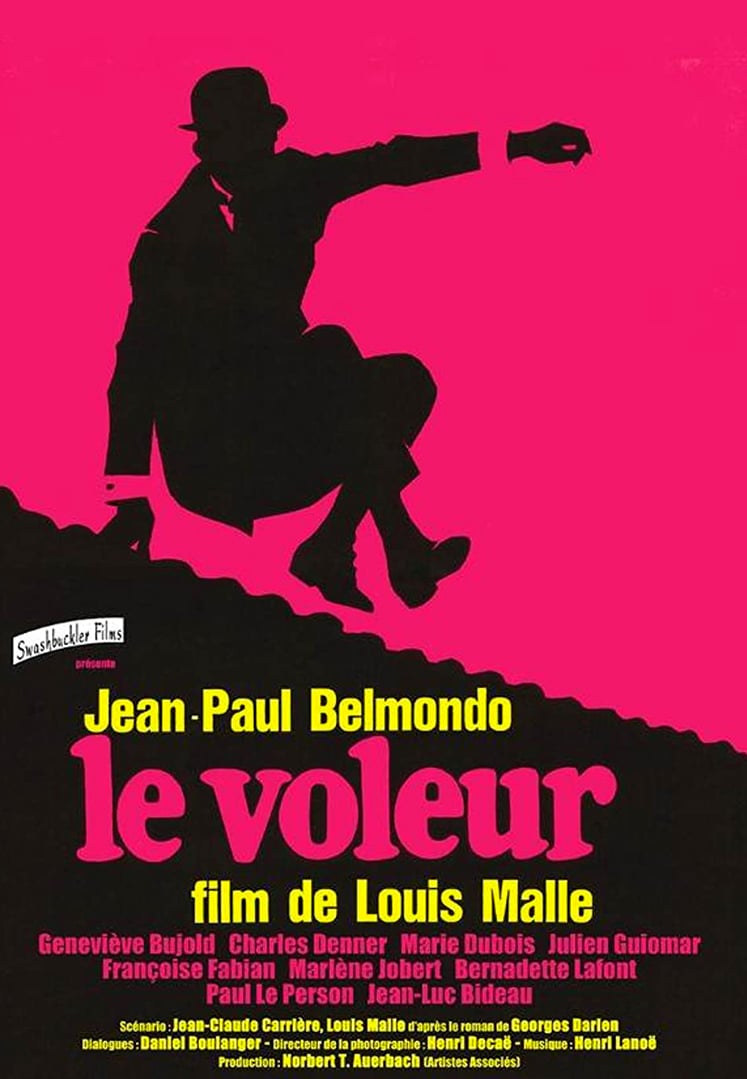
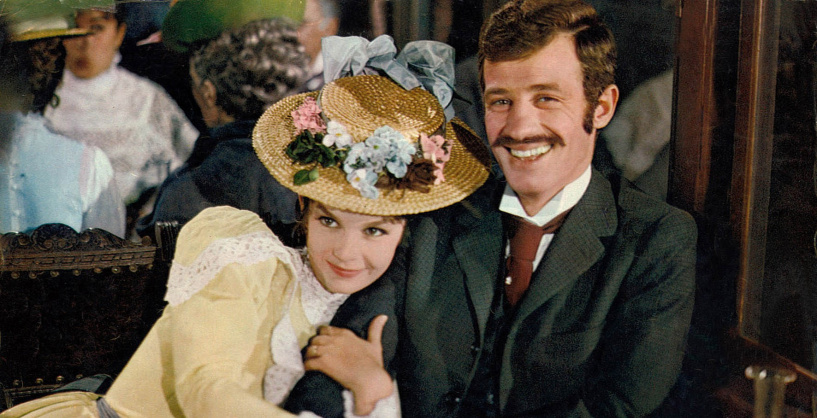
L’acteur Jean-Paul Belmondo, récemment disparu, a marqué le monde de la cinéphilie. Nous présentons l’étonnant Le voleur de Louis Malle (scénario de Jean-Claude Carrière), où le génial acteur partage la vedette avec la québécoise Geneviève Bujold. Vous pourrez également retrouver l’acteur dans Le doulos de Jean-Pierre Melville.
Raised as an orphan, Georges Randal is cheated by his unscrupulous uncle and jilted by a beautiful cousin, Charlotte. He robs the family jewels of the cousin's fiance, pauperizing him in a single stroke and cancelling the marriage vows. That starts him on his career. He turns pro, pilfering privileged homes and allying himself with a series of outcasts: demimondaines who find him criminally good-looking.
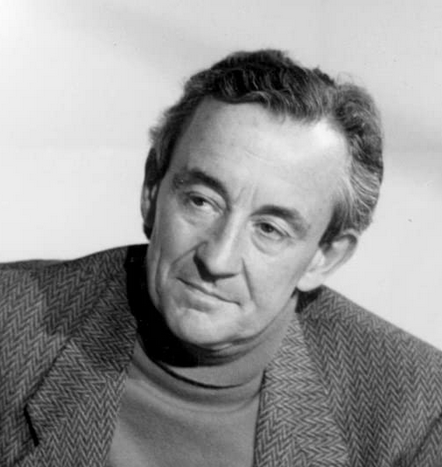
Louis Malle
Louis Malle was a French filmmaker. He made his debut during the rise of the French New Wave, a movement with which he initially shared several characteristics before charting his own course. He directed his first feature film, Elevator to the Gallows (Ascenseur pour l’échafaud, 1958), at the age of 25. Starring Jeanne Moreau and Maurice Ronet, the film draws on film noir conventions while challenging the dramaturgy of classical cinema. With films like The Lovers (Les amants, 1958) and The Thief of Paris (Le voleur, 1967), he took aim at the bourgeoisie and the political elite, his favorite targets. Malle also directed various documentaries, including Phantom India (L’Inde fantôme : réflexions sur un voyage, 1969), a seven-part series. After the controversies surrounding Murmur of the Heart (Le souffle au cœur, 1971) and Lacombe, Lucien (1974), he moved to the United States, where he directed several films before returning to France. He then achieved the crowning moment of his career with Au revoir les enfants (1987). Marked by the fluidity of its narrative and the sobriety of its direction, this film is widely considered the most moving and personal of his career. It received critical and public acclaim, as well as numerous awards, including Venice's Golden Lion, the Louis Delluc Prize, and seven César Awards, among them Best Film and Best Director. Malle later confided that it was this tragic story that had first drawn him to cinema.
Explore