Lettre de Beyrouth
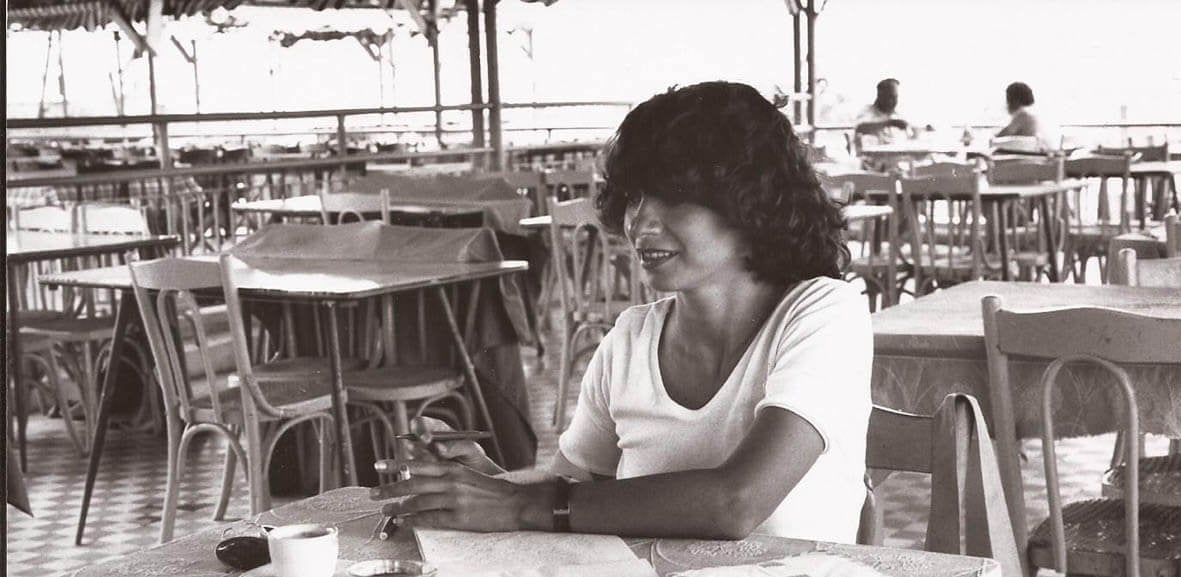
Jocelyne Saab avait déjà couvert la guerre d'Octobre et la guerre au Kurdistan quand elle décide de rentrer au Liban documenter l'escalade de violence qui a conduit à une guerre civile qui a duré quinze ans. De 1974 à 1982, Jocelyne Saab filme les murs en ruines de la Beyrouth de son enfance et la lutte des civils pour leur dignité. Elle construit peu à peu un langage cinématographique où le politique tire sa force dans la poésie du geste, pour dépasser l'horreur de la mort et l'absurdité d'un conflit fratricide. Après une douzaine de films sur le sujet, elle accompagne en 1982 le départ des Palestiniens du Liban après le siège de Beyrouth-Ouest. Elle tourne elle aussi le regard vers d'autres horizons : après cette grande défaite, elle n'a plus vu Beyrouth que par le prisme de la fiction.
In 1978, the Israeli army invaded southern Lebanon. In Beirut, people were already talking about "the war of the others", because of the armies from all over the world stationed in this small country that is Lebanon, to defend the political interests of one or the other group, to the detriment of civilians. Jocelyne Saab decides to travel through Beirut before going down to the South of the country to report on the situation.
Jocelyne Saab
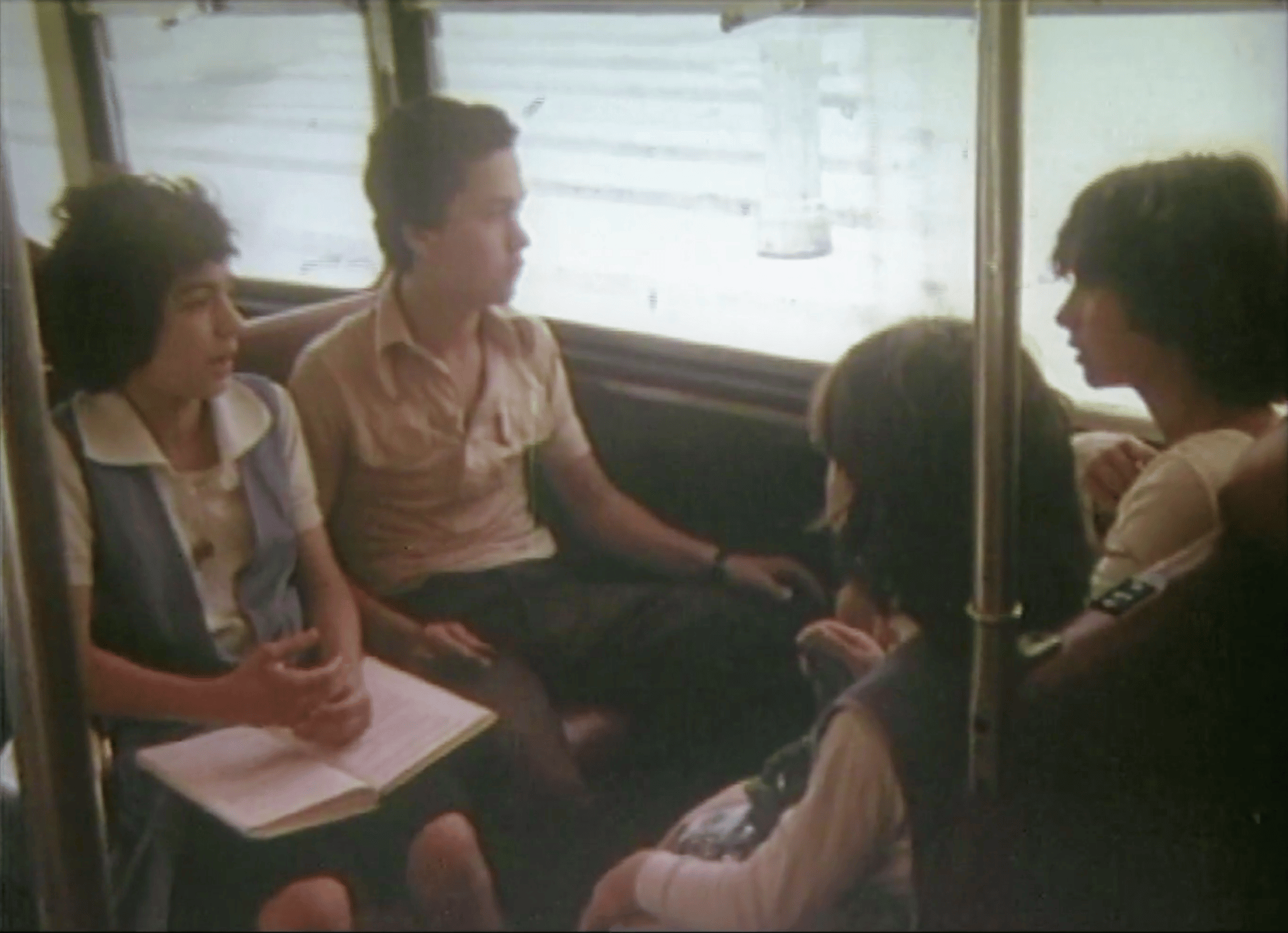
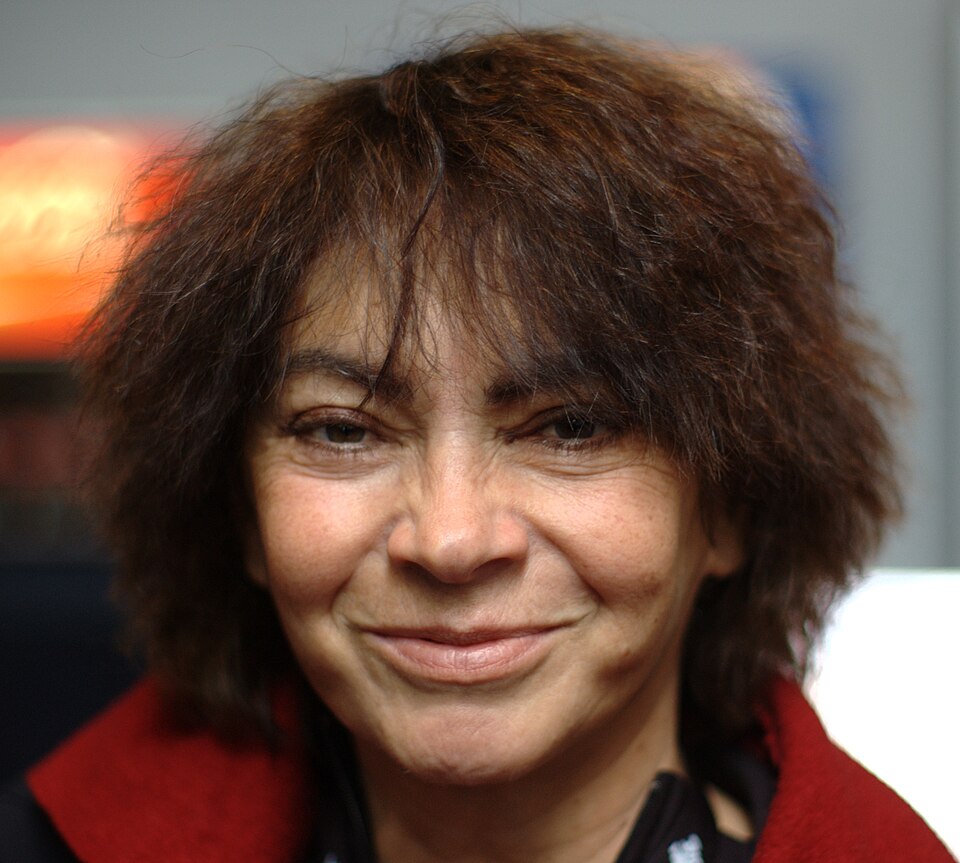
Jocelyne Saab is a Franco-Lebanese director, photographer, and visual artist. She is recognized as one of the pioneers of the New Lebanese Cinema. As a freelance TV journalist for European, North American, and Japanese channels, she directed numerous documentary films on the Lebanese War, the Iraq War, Kurdistan, Iran, Syria, the Golan Heights, Western Sahara, the consequences of the Israeli-Palestinian conflict and Asia, particularly Vietnam. In less than thirty years, Jocelyne Saab directed a total of thirty documentaries ans several fiction films, contributing to the creation of a distinct Lebanese-Arab cinematic style. One of her works, Dunia, caused a scandal when it was presented at the Cairo Film Festival in 2005 and was censored upon its released in Egyptian cinemas. Parallel to her work as a filmmaker, Jocelyne Saab produced an extensive body of photographic work. In 2008, she published her book Zones de guerres, a collection of her photographs documenting five decades of conflict in the Third World and the Middle East. She exhibited another series of one hundred photographs, Sense, Icons and Sensitivity, in several countries. In 2016, she created a final photographic series and two art videos, One Dollar a Day and Imaginary Postcard.
Explore
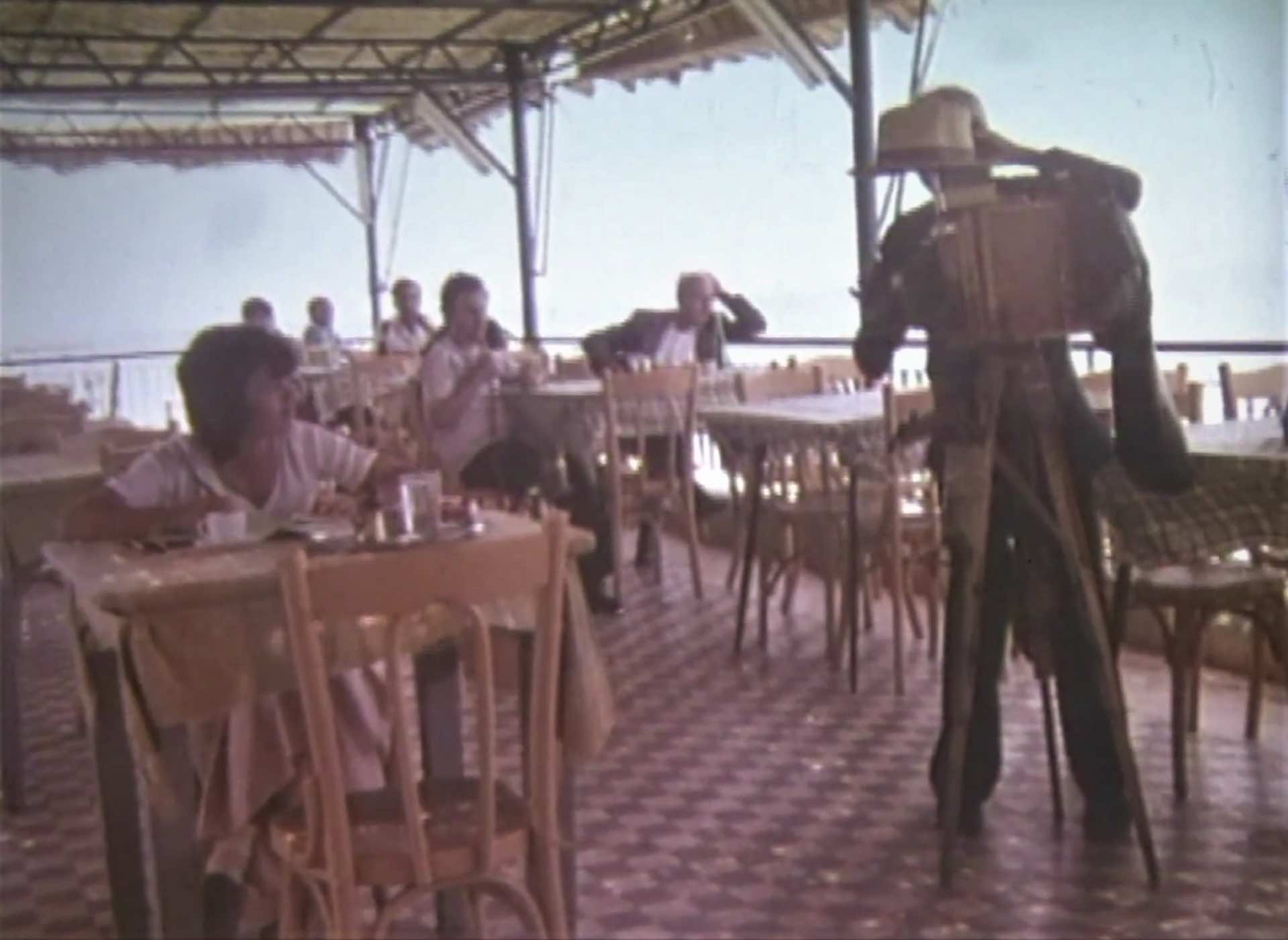
Lettre de Beyrouth by Jocelyne Saab
Jocelyne Saab, pour une cartographie engagée du Liban
Jocelyne Saab est entrée à la télévision française en qualité de journaliste en 1973. Arabophone, libanaise, elle est rapidement envoyée sur le terrain, en Libye, dans le Golan syrien, en Irak ; sa connaissance de la région était déjà nourrie de longue date par son intérêt pour la question palestinienne, qui s’est imposée comme un dilemme dans le pays du Cèdre.
Presented in collaboration with