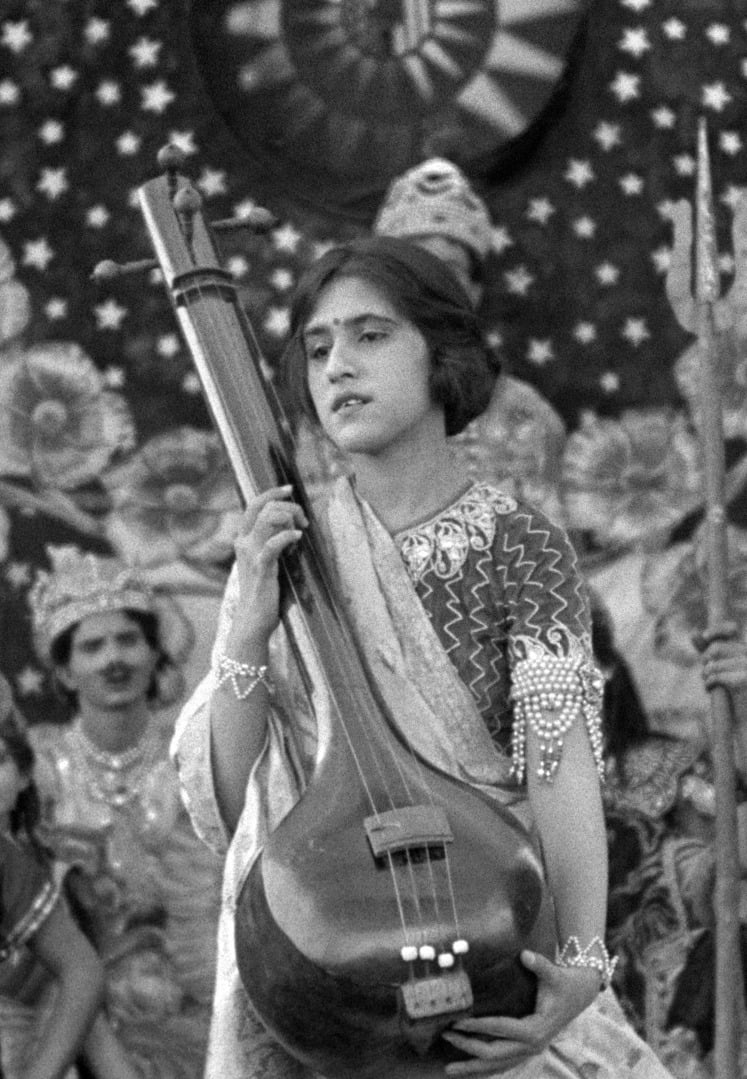
Pierre Jutras worked at the Cinémathèque québécoise for 33 years, first as curator of Quebec and Canadian cinema, then as director of programming. He recently passed away, and to honor his memory, we were fortunate enough to prepare a carte blanche with him, reflecting on his highlights as a programmer and film-lover (the rediscovery of Jean Epstein and Ivan the Terrible, the revelation of Wang Bing and the extraordinary retrospective devoted to Manoel de Oliveira...).
« La Nouvelle Vague se fait donner une leçon de cinéma et de décolonisation. » – Pierre Jutras
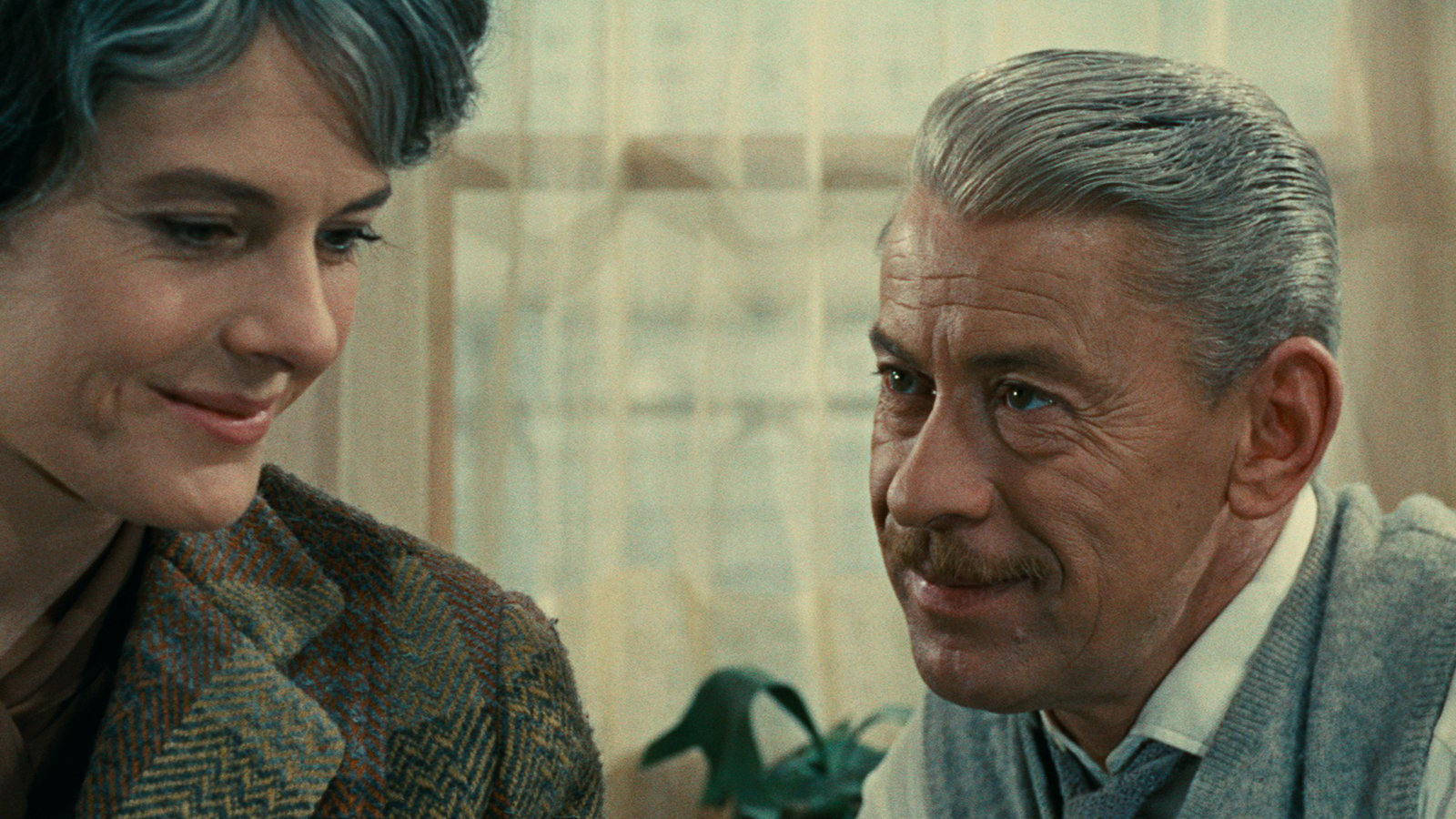
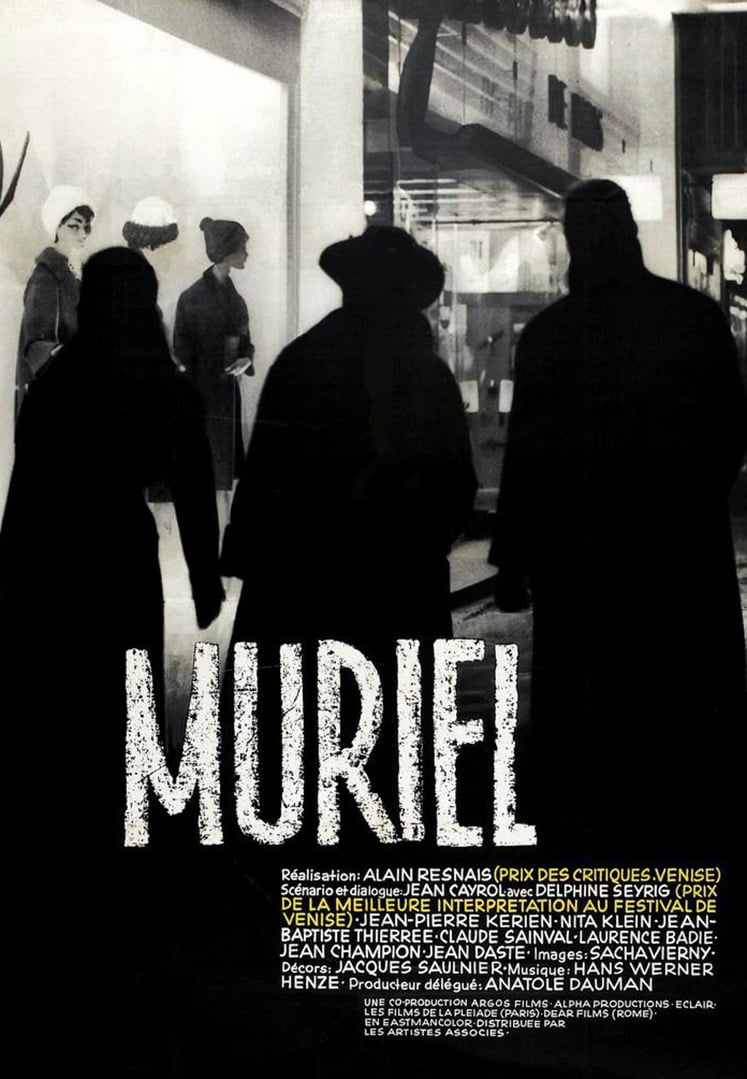
September 1962. Hélène lives in Boulogne-sur-Mer with her son-in-law Bernard, who has just returned from Algeria. Her childhood sweetheart Alphonse, accompanied by his niece Françoise, comes to visit. The past turns the present upside down in this masterpiece by Resnais, a striking reflection on memory and the passage of time.
Alain Resnais
Alain Resnais was a French director, screenwriter, and editor. As the director of Hiroshima, mon amour (1959) and Last Year at Marienbad (1961), he quickly became regarded as one of the major figures of the French New Wave and one of the fathers of European cinematic modernity, alongside Roberto Rossellini, Ingmar Bergman, and Michelangelo Antonioni, for his way of challenging classical cinema grammar and deconstructing linear narration. A filmmaker who enjoyed experimentation and was able to question himself with each new project, Alain Resnais was recognized for his ability to create new forms and enrich the codes of cinematic representation by blending it with other arts: literature, theater, music, painting, and comics. His work encompasses a wide range of themes such as memory, political engagement, intimacy, death, and dreams.
Pierre Jutras
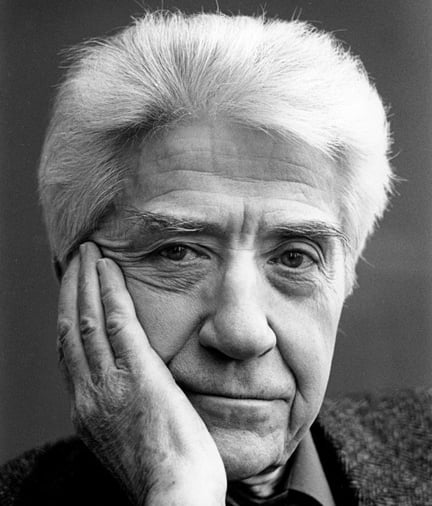
Born in 1945 in Saint-Marcel-de-Richelieu, Pierre Jutras studied filmmaking at the Institut des arts de diffusion in Brussels in the 1970s, where he was introduced to documentary, fiction and experimental cinema. In 1978, he was hired by the Cinémathèque québécoise as Head of Quebec and Canadian Cinema and co-director of the Copie Zéro from 1979 to 1988. He was also behind the first restoration of the film Kamouraska, by Claude Jutra. In 1997, he became Director of Conversation and Programming at the Cinémathèque, a position he held until his retirement in 2011. Parallel to his professional activities, he directed Lamento pour un homme de lettres in 1988 and Petites chroniques cannibales 1 in 1997, the first segment of a trilogy that was never completed. He died in Montreal on June 22, 2023.