No, or The Vain Glory of Command
Pierre Jutras worked at the Cinémathèque québécoise for 33 years, first as curator of Quebec and Canadian cinema, then as director of programming. He recently passed away, and to honor his memory, we were fortunate enough to prepare a carte blanche with him, reflecting on his highlights as a programmer and film-lover (the rediscovery of Jean Epstein and Ivan the Terrible, the revelation of Wang Bing and the extraordinary retrospective devoted to Manoel de Oliveira...).
« "Fresques à personnages" comme seul le grand maître portugais sait faire. » – Pierre Jutras
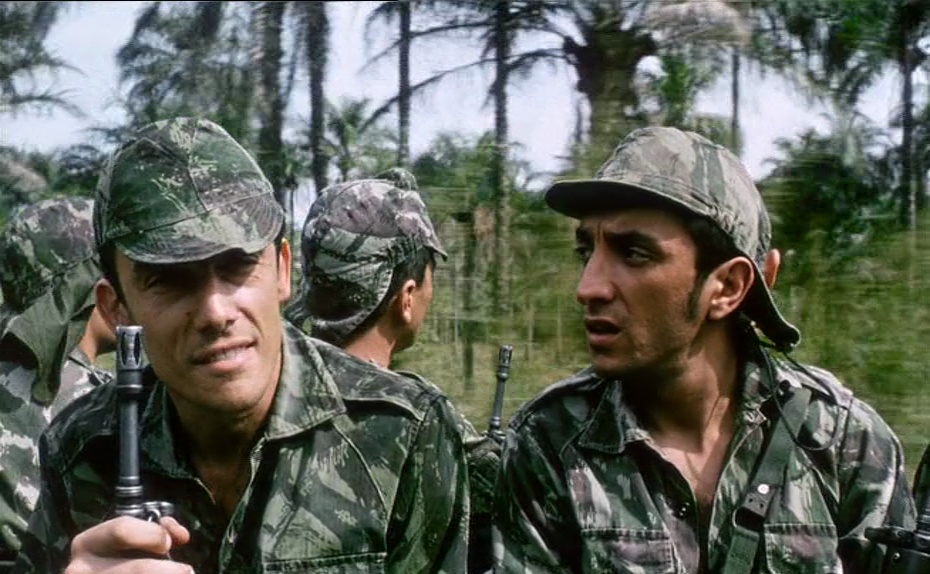
Portuguese soldiers in the midst of the Angolan war in 1974 talk to each other. They talk about past conflicts, and Second Lieutenant Cabrita, a history teacher in civilian life, recounts some of his country's most bitter military defeats.
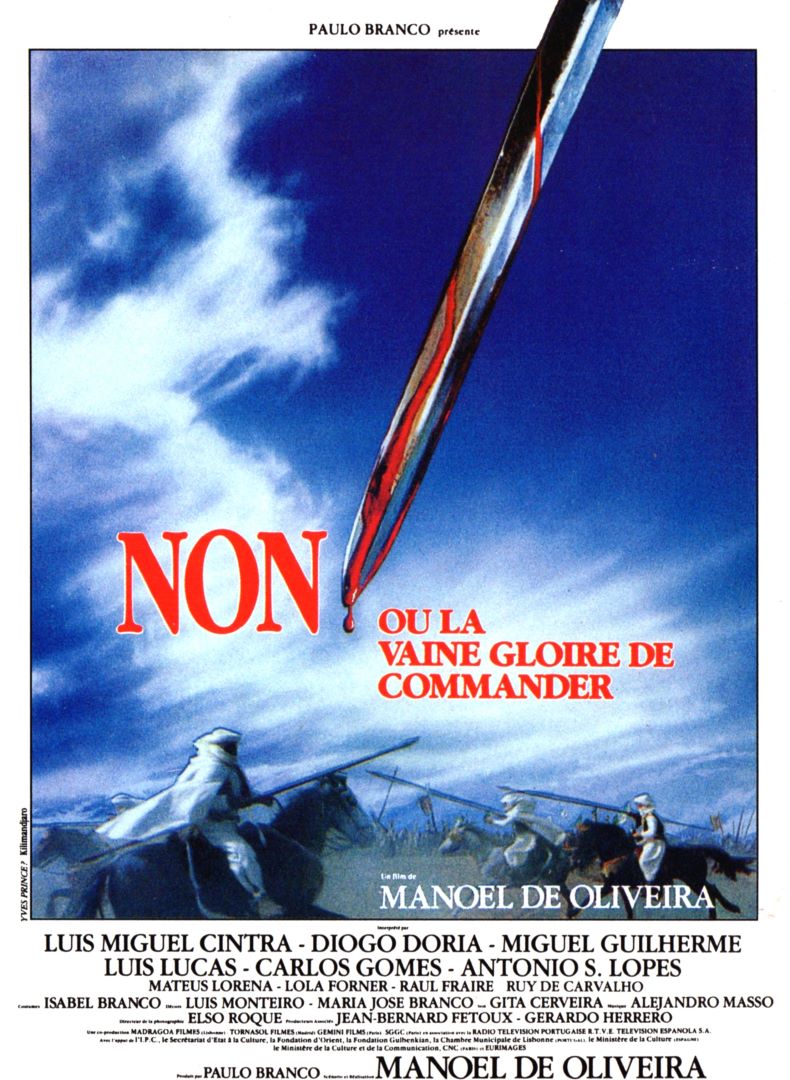
Manoel de Oliveira
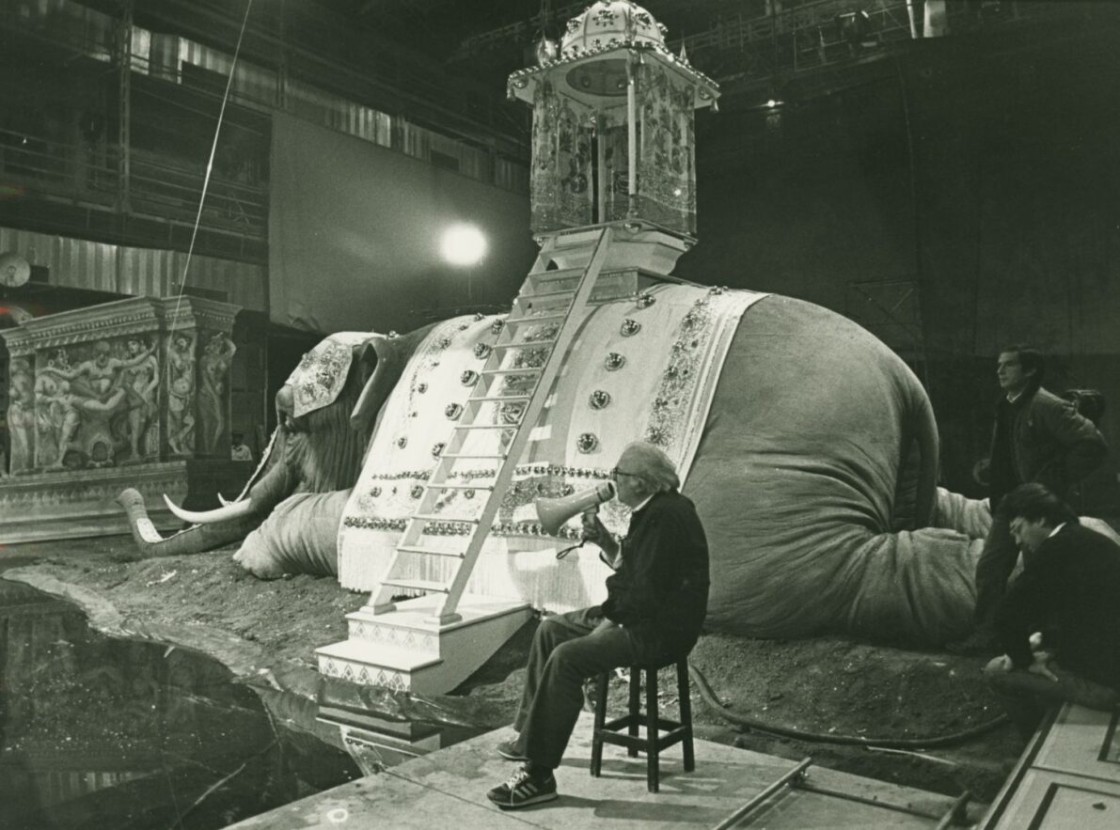
Manoel de Oliveira was a Portuguese film director and screenwriter. He first began making films in 1927, when he and some friends attempted to make a film about World War I. In 1931, he completed his first film Douro, Faina Fluvial, a documentary about his home city Porto made in the city-symphony genre. He made his feature film debut in 1942 with Aniki-Bóbó and continued to make shorts and documentaries for the next 30 years. In 1971, Oliveira directed his second feature narrative film, Past and Present, a social satire that both set the standard for his film career afterwards and gained him recognition in the global film community. He continued making films of growing ambition throughout the 1970s and 1980s, gaining critical acclaim and numerous awards. Beginning in the late 1980s, he was one of the most prolific working film directors and made an average of one film per year past the age of 100. In March 2008, he was reported to be the oldest active film director in the world. Among his numerous awards were the Career Golden Lion from the 61st Venice International Film Festival, an Honorary Palme d’or for his lifetime achievements in 2008 Cannes Film Festival, and the French Legion of Honor.
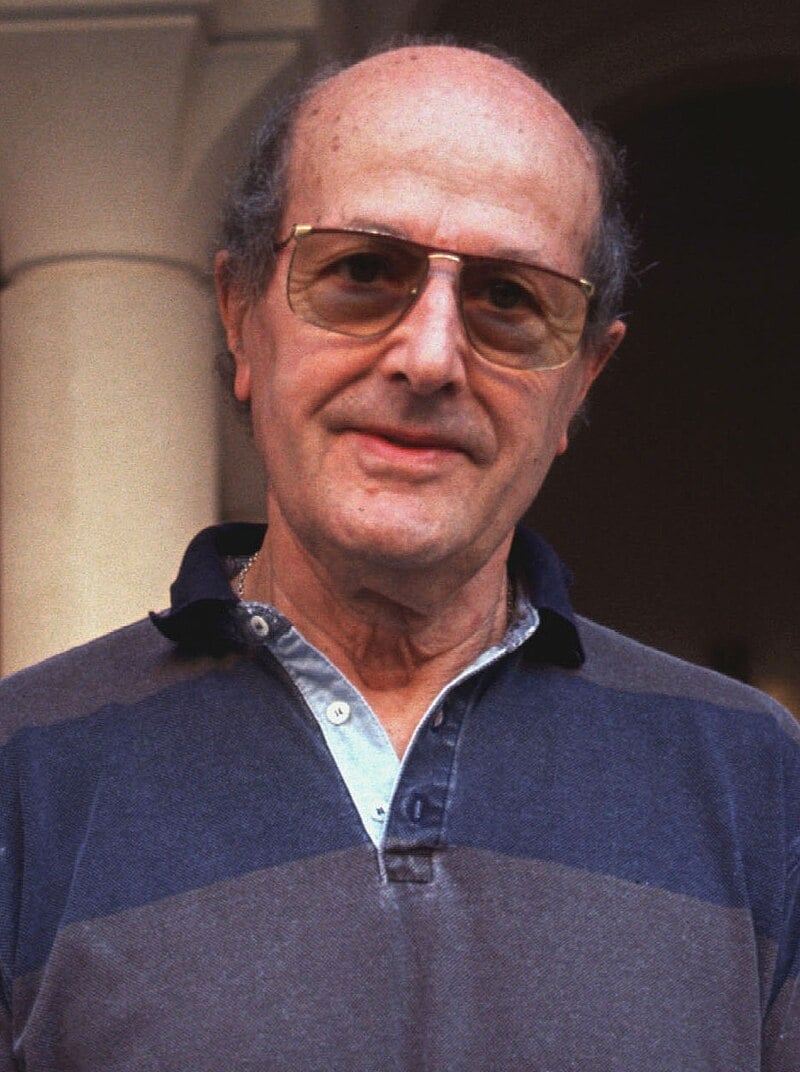
Pierre Jutras
Born in 1945 in Saint-Marcel-de-Richelieu, Pierre Jutras studied filmmaking at the Institut des arts de diffusion in Brussels in the 1970s, where he was introduced to documentary, fiction and experimental cinema. In 1978, he was hired by the Cinémathèque québécoise as Head of Quebec and Canadian Cinema and co-director of the Copie Zéro from 1979 to 1988. He was also behind the first restoration of the film Kamouraska, by Claude Jutra. In 1997, he became Director of Conversation and Programming at the Cinémathèque, a position he held until his retirement in 2011. Parallel to his professional activities, he directed Lamento pour un homme de lettres in 1988 and Petites chroniques cannibales 1 in 1997, the first segment of a trilogy that was never completed. He died in Montreal on June 22, 2023.

En collaboration avec