Political natures
In conjunction with the Heart On exhibition at the Montreal Museum of Fine Arts, dedicated to visual artist and filmmaker Joyce Wieland, the Cinémathèque Québécoise restored and digitized some of her films for the very first time. In addition to restored versions, we are presenting her entire body of work in its original 16 mm format.
Until May 4, get a 15% discount when you purchase a ticket for our regular programming by presenting your ticket for the exhibition Joyce Wieland: Heart On.
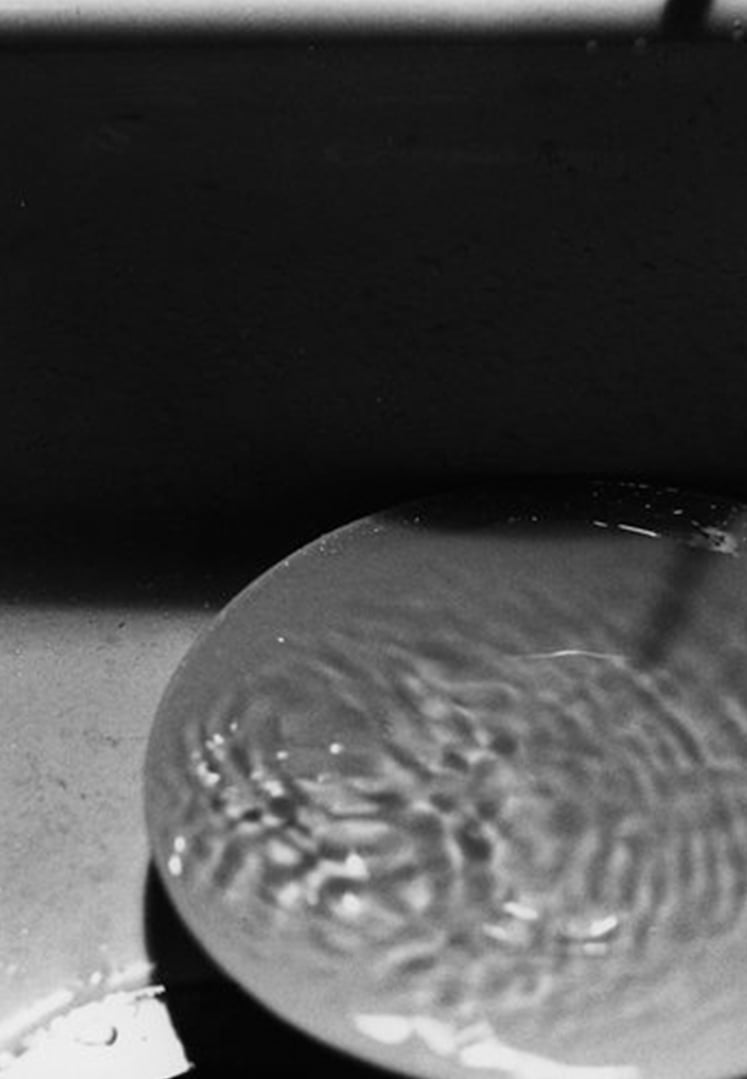
There is only a white plate, all white, and water dripping into the plate, from the ceiling, from very high up, and you can hear the sound of water dripping.
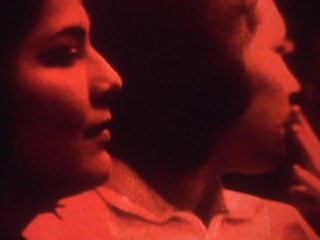
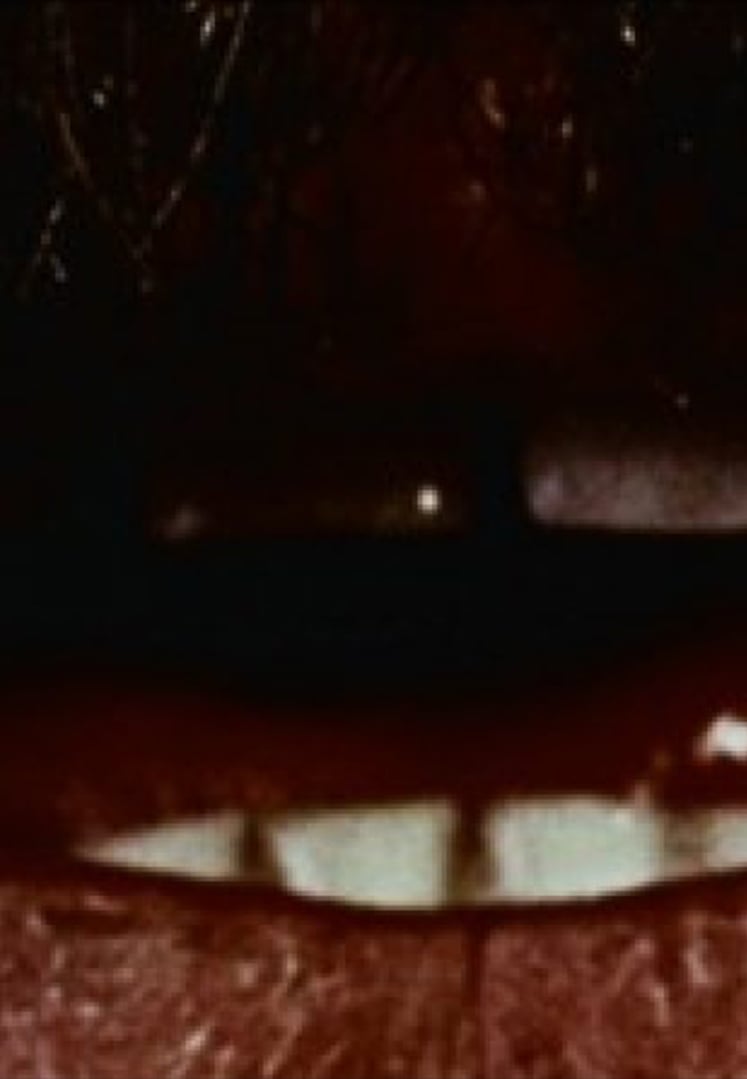
“He delivered three essays, without stopping, except for reel change and camera breakdown: 1) Mont Laurier; 2) Quebec history and race; 3) women's liberation. Everything which happened is recorded on film. It was a one-shot affair, I either got him on film or I missed. What we see on film is the mouth of a revolutionary, extremely close, his lips, his teeth, his spittle, his tongue which rolls so beautifully through his French, and finally the reflections in his teeth of the window behind me.” (Joyce Wieland)
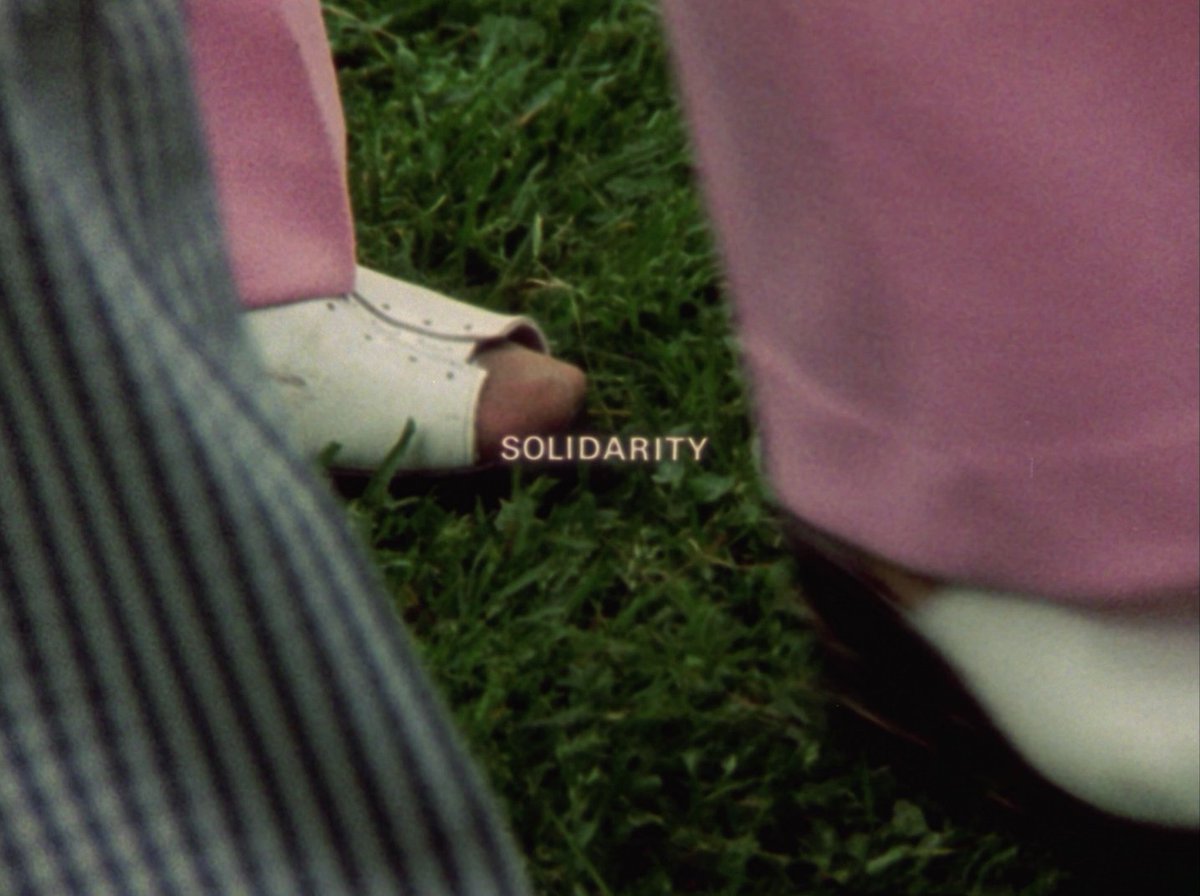
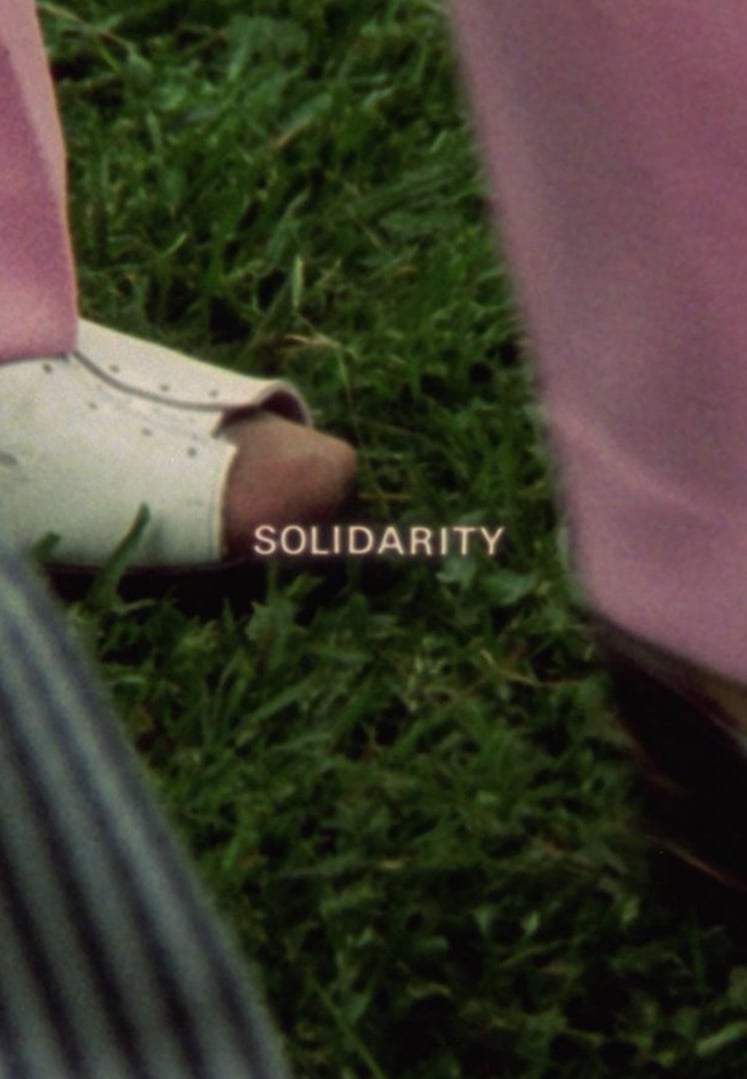
A film about the Dare strike in the early 1970s. Hundreds of feet and legs hurry, walk or stop, the word 'Solidarity' superimposed on the screen.
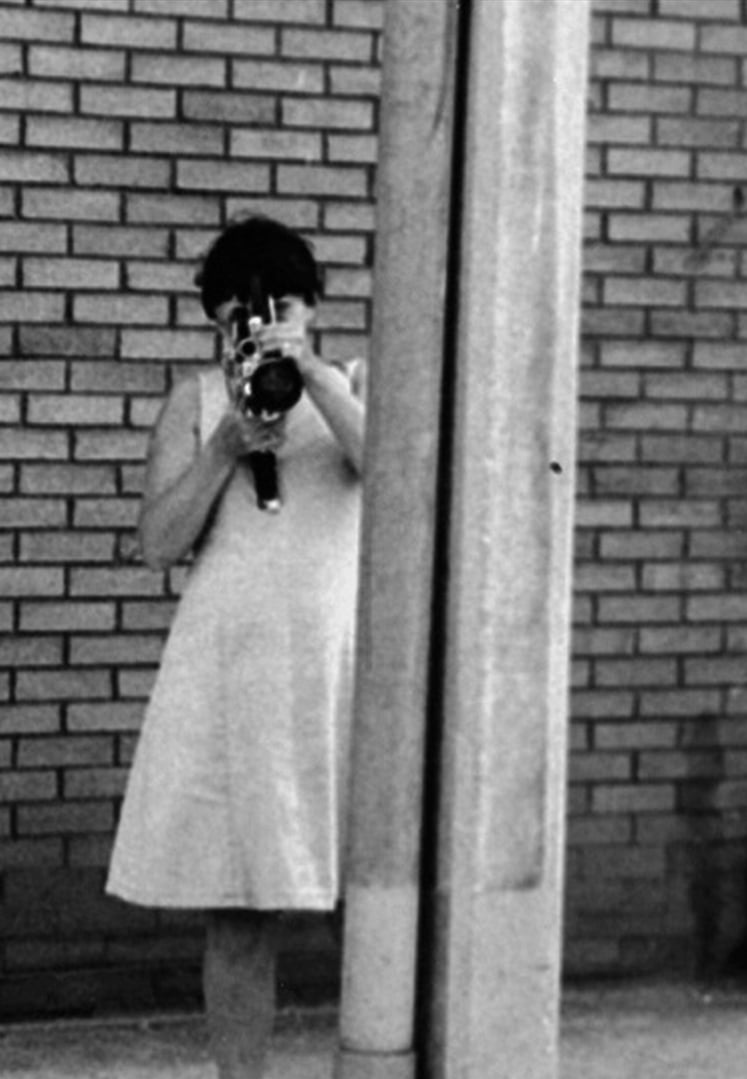
A and B in Ontario was completed 18 years after the original material was shot. After Frampton's death, the film was assembled by Wieland into a cinematic dialogue in which the collaborators (in the spirit of the 1960s) shoot each other with cameras. (CFMDC)
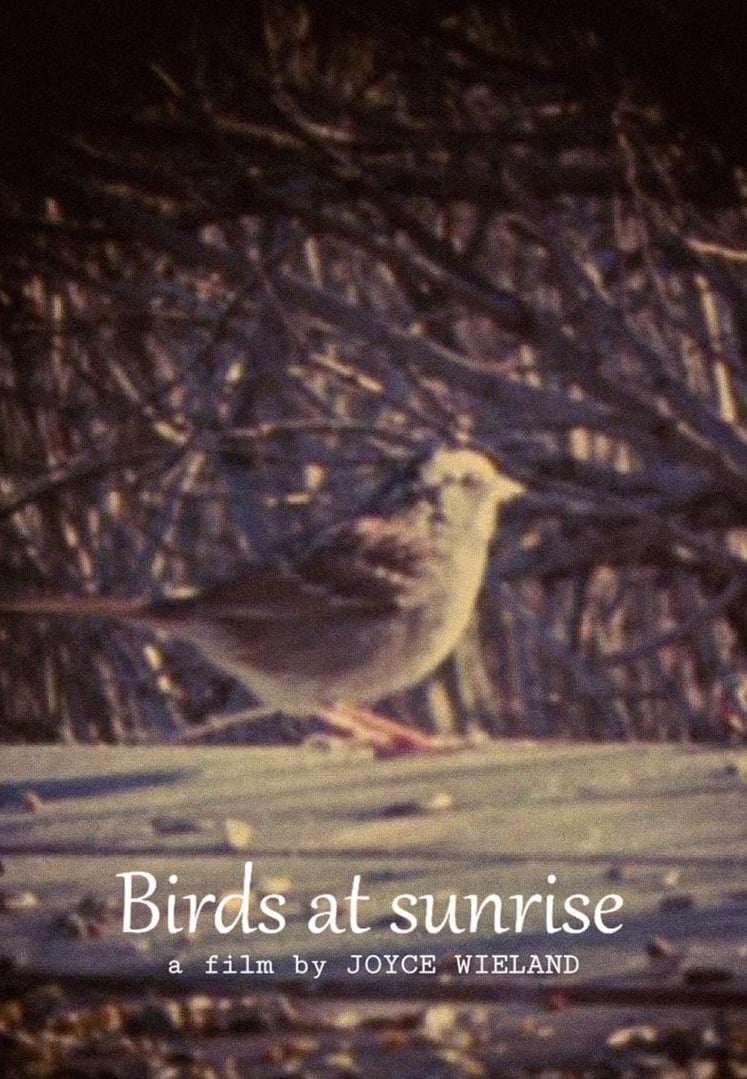
“The film was originally photographed in 1972. Birds from my window were filmed during the winter, through to the spring, with the early morning light. I became caught up in their frozen world and their ability to survive the bitter cold.” (Joyce Wieland)
Joyce Wieland
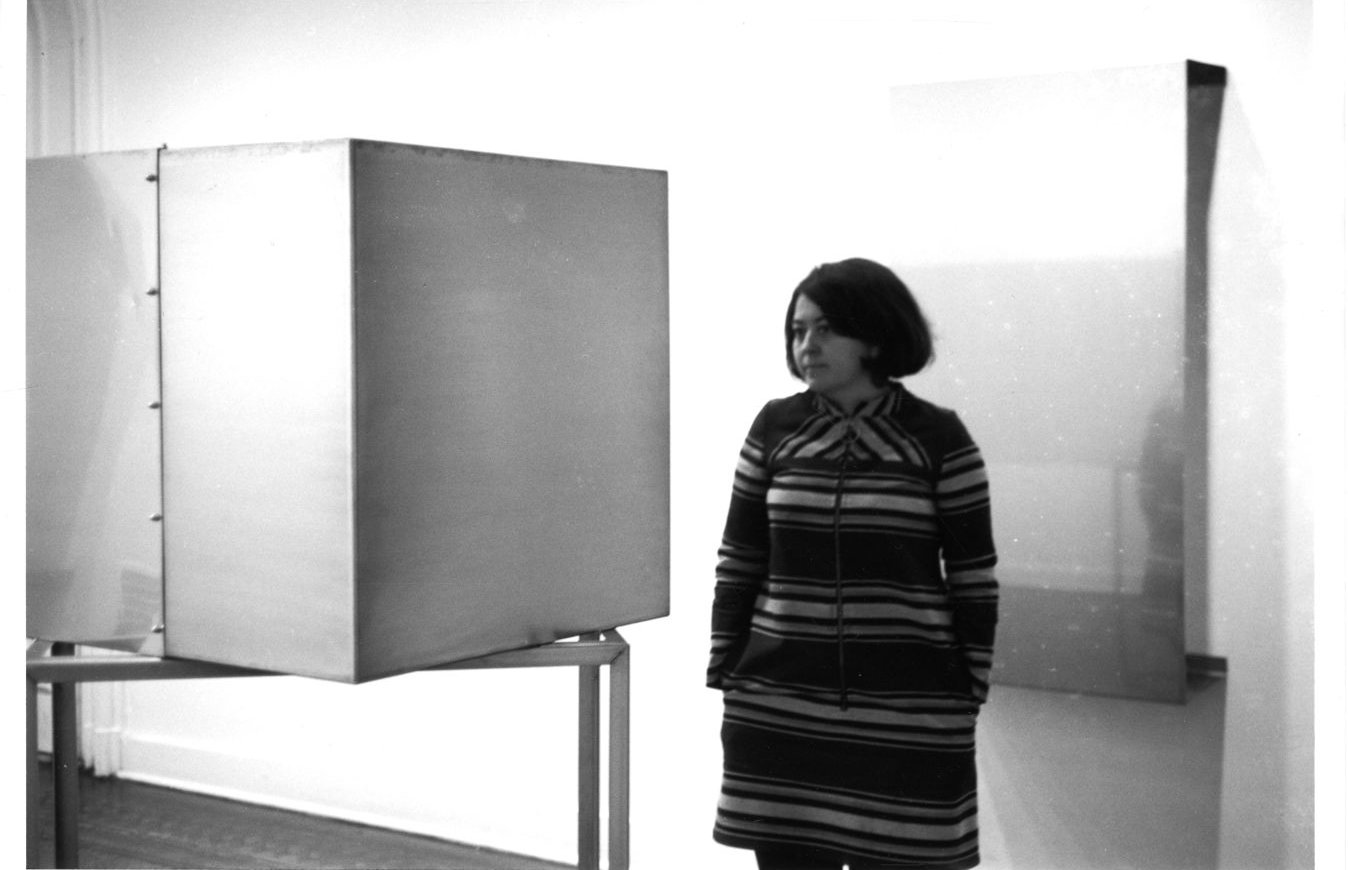
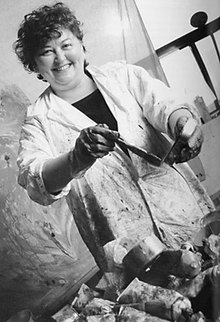
Joyce Wieland was a Canadian experimental filmmaker and mixed media artist. She first found success as a painter when she began her career in Toronto in the 1950s. In 1962, she moved to New York City and expanded her career as an artist by including new materials and mixed media work. During that time, she also rose to prominence as an experimental filmmaker and soon, institutions such as the Museum of Modern Art in New York were showing her films. In 1971, her True Patriot Love exhibition became the first solo exhibition by a living Canadian female artist at the National Gallery of Canada. In 1982, she was appointed an Officer of the Order of Canada, and in 1987, she received the Toronto Arts Foundation's Visual Arts Award. She was also a member of the Royal Canadian Academy of Arts. Her work explores themes of ecology, feminism, politics, and the rights of Indigenous peoples.
Explore
Read our dossier on the filmmaker