Rashōmon
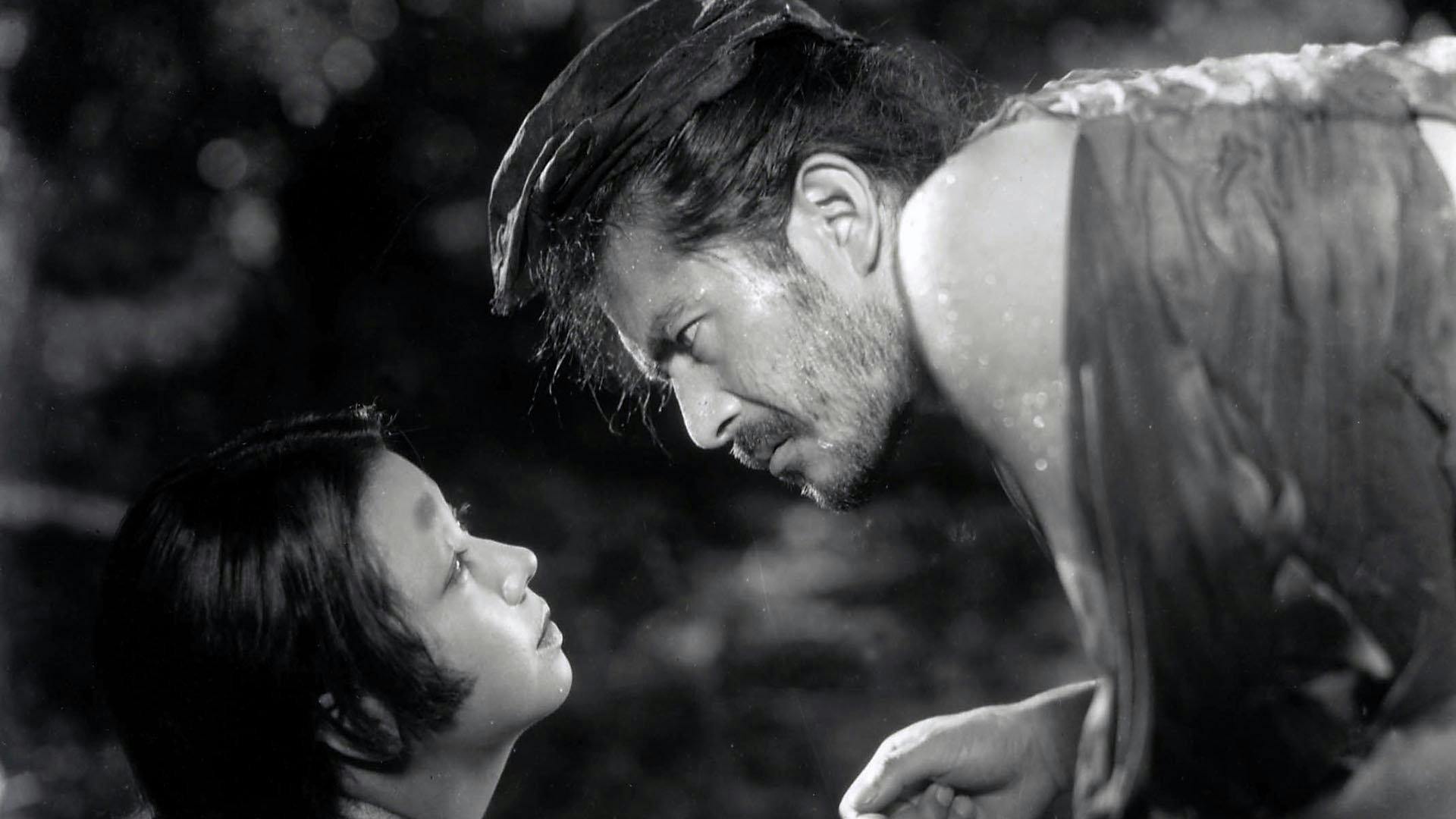
In the post-war period, Kurosawa established himself as one of the great names in cinema history and a leading figure of the Golden Age of Japanese cinema in the 1950s and 1960s. His cinema is epic in its narratives, the scale of its staging, and its existential depth – even when he sets aside the samurai to film his contemporaries. Without claiming to be exhaustive, this program revisits some of his greatest classics, particularly from his illustrious collaboration with actor Toshirō Mifune, portraits of humanity on the edge of flamboyance and darkness.
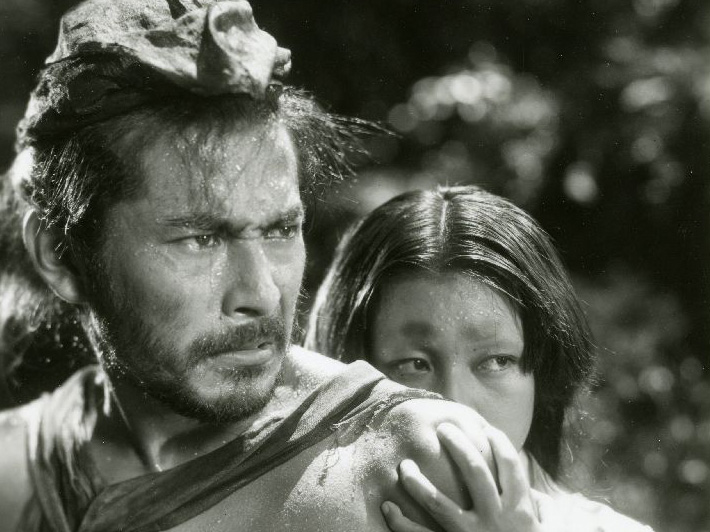
Winner of the Golden Lion, 1951 Venice International Film Festival
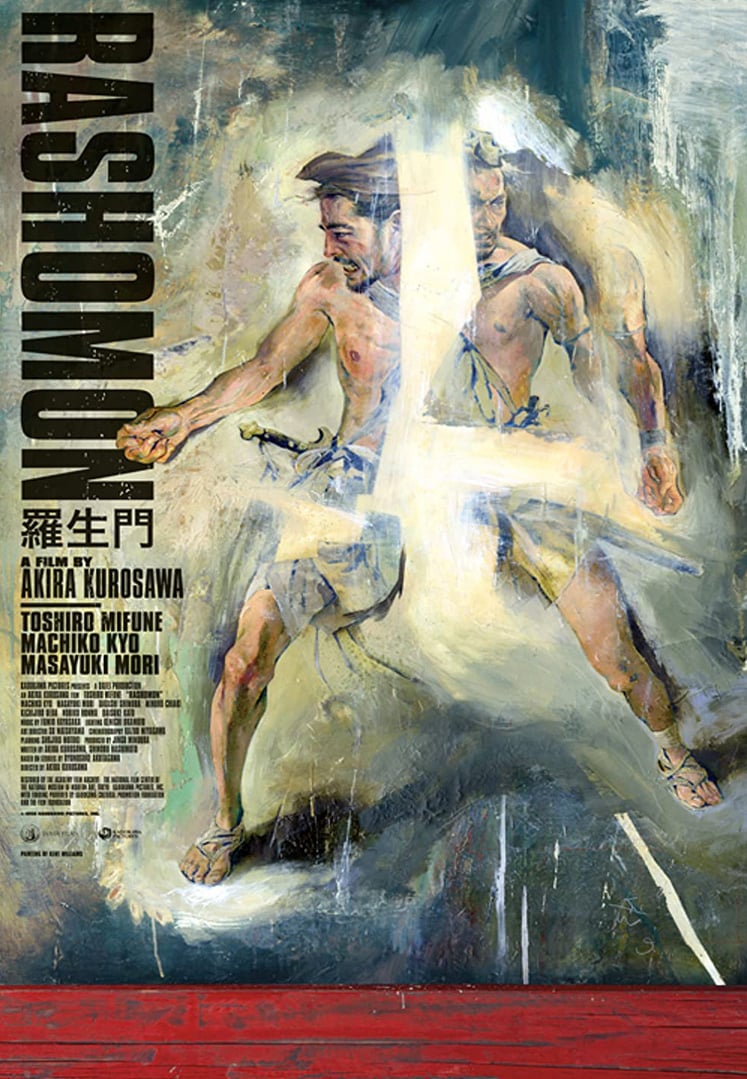
One of the films that revealed Japanese cinema to the West. Through several competing and contradictory stories about the murder of a samurai and the rape of his wife, Kurosawa attempts to demystify the image of the samurai and offers an unvarnished portrait of the feudal era.
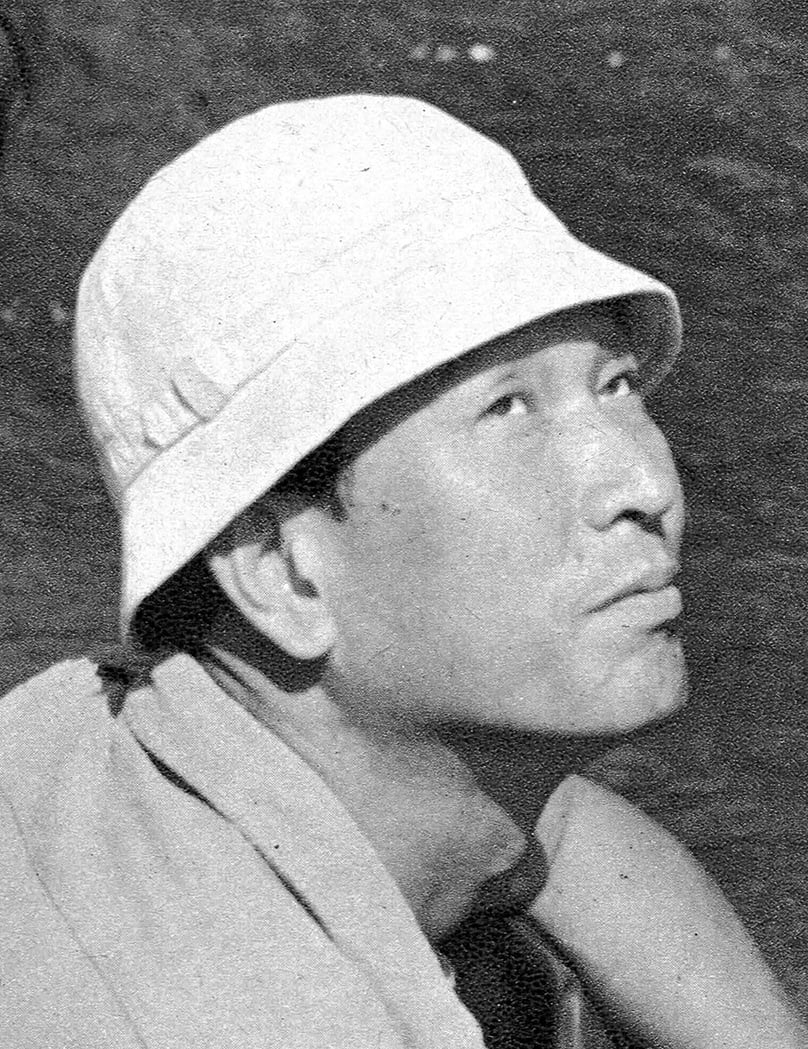
Akira Kurosawa
Akira Kurosawa was a Japanese filmmaker who directed 30 feature films in a career spanning six decades. With a bold and dynamic style strongly influenced by Western cinema yet distinct from it, he is widely regarded as one of the greatest and most influential filmmakers in the history of cinema. Known as a hands-on filmmaker, he was heavily involved with all aspects of production as a director, writer, producer, and editor. Following a brief stint as a painter, he entered the Japanese film industry in 1936. After years of working on numerous films as an assistant director and screenwriter, he made his directorial debut during World War II with the popular action film Sanshiro Sugata (1943). Following the war, he cemented his reputation as one of the most important young filmmakers in Japan with the critically acclaimed Drunken Angel (1948), in which he cast the then-unknown actor Toshirō Mifune in a starring role; the two men would then collaborate on 15 more films. Rashōmon (1950) became the surprise winner of the Golden Lion at the 1951 Venice Film Festival. The commercial and critical success of the film opened up Western film markets to Japanese films for the first time, which in turn led to international recognition for other Japanese filmmakers. Kurosawa directed approximately one film per year throughout the 1950s and early 1960s, including a number of highly regarded and often adapted films, including Ikiru (1952), Seven Samurai (1954), and Yojimbo (1961). He became much less prolific in the 1970s, but his later work — including Kagemusha (1980) and Ran (1985) — continued to receive critical acclaim. In 1990, Kurosawa accepted the Academy Award for Lifetime Achievement.